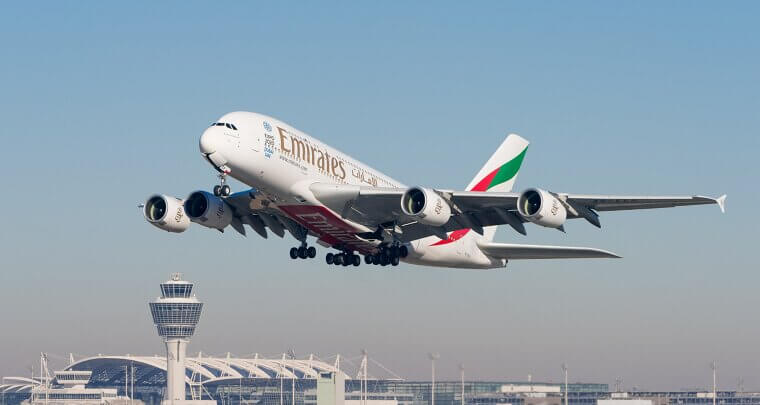
"Pack as Much as Possible - You Never Know What You'll Need"
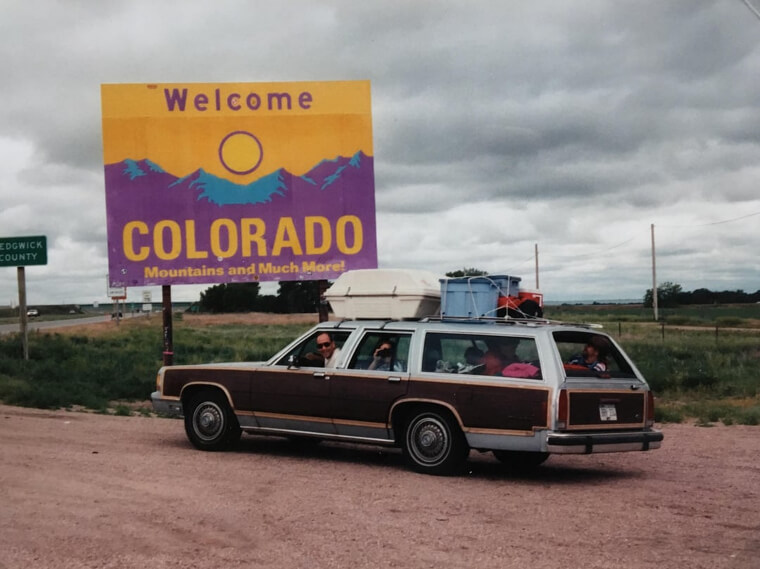
In the 90s, suitcases were packed to the brim with items that often went completely untouched. Travelers dragged heavy bags through airports or tied up to the roofs of their minivans, up cobblestone streets and onto public transport, making the entire traveling experience much more tiresome. More so, broken zippers, excess baggage fees and sore backs were common consequences. Packing light is also the way to go. If you end up forgetting something, you could always buy another one while on your trip. Minimalist packing saves time at security and keeps trips flexible. Lighter bags also reduce stress when plans change on busy travel days.
"Traveler’s Cheques Are the Safest Way to Carry Money"
Back in the 90s, people swore by traveler's cheques, believing that they were the safest and easiest way to spend money while abroad. In reality, they were bulky and pretty inconvenient, as tourists would have to spend a good portion of their trip standing in queues outside of banks in order to receive their money. More so, losing the cheque made for a complicated replacement procedure that caused even more stress. Many small towns didn't even accept cheques at all, making their purchasing power limited as well.

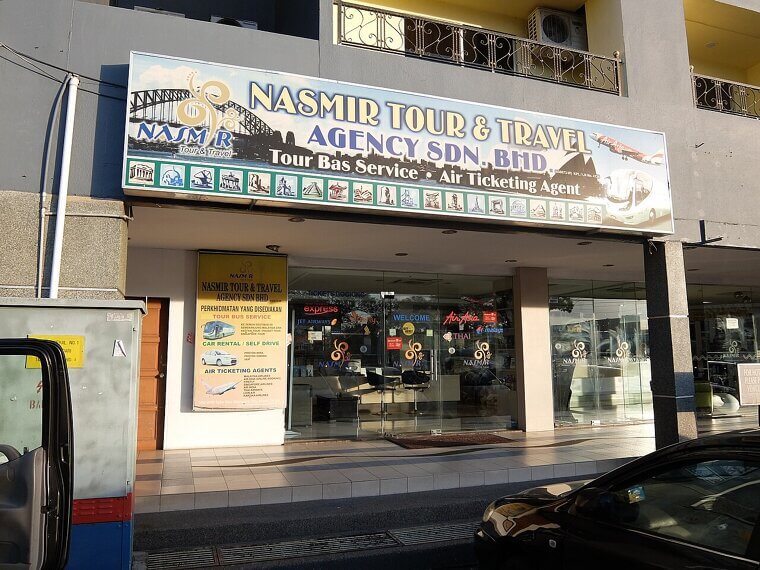
"Always Book Through a Travel Agent"
Travel agents were seen as indispensable guides to the world, as they offered fancy brochures, pre‑packaged tours and “expert” advice. However, in many cases, they only added an unnecessary fee to an already expensive trip. In many cases, their deals were overpriced and didn't offer much flexibility. Not everyone wants their holiday planned for them. Sometimes, spontaneity is the way to go, as traveler's don't always know what the options are until they get to their destination. Over time, people started to realize that it's actually cheaper to simply book trips online in their own time.
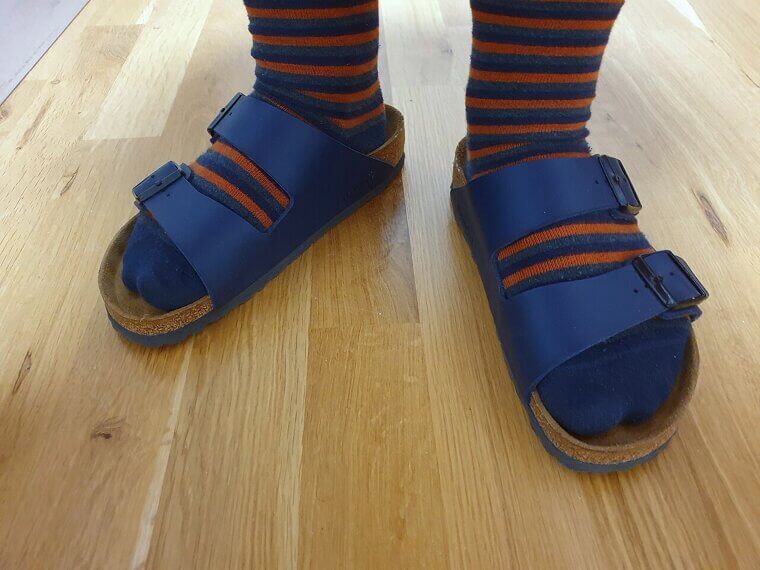
"Socks and Sandals Are Practical and Comfortable for Traveling"
In the 90s, just about everyone wore socks and sandals when traveling, as they believed that it was the most comfortable and practical way to travel. While it may have prevented blisters or kept feet warm, this fashion statement also made it obvious that the person was a tourist. More so, socks and sandals definitely wasn't the best footwear choice when it came to walking. In fact, sandals in general are proven to be unstable and unsupportive.
"Always Bring a Fanny Pack"
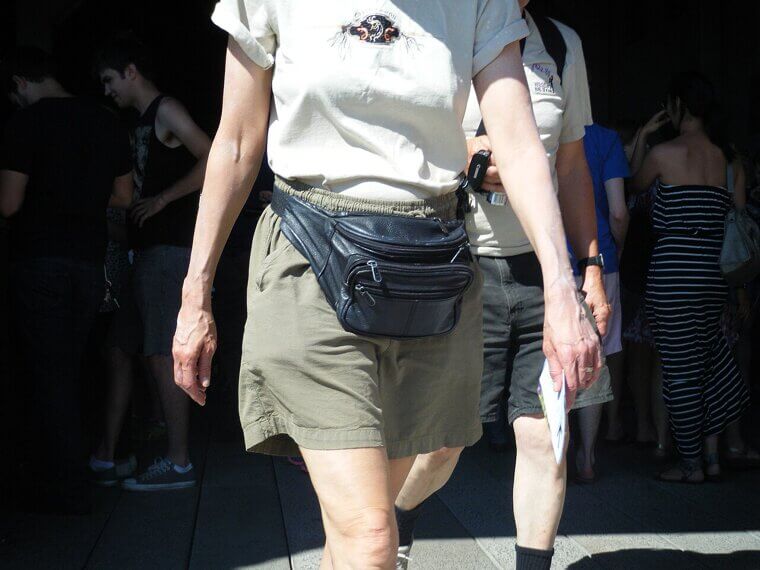
In the 90s, the fanny pack was marketed as the ultimate travel accessory. It kept passports, tickets and cash close at hand, but it also made travelers stand out as easy targets for pickpockets. Not only did they make it obvious that the person was a tourist, but thieves also knew that they were likely to keep their valuables inside.
"English Is the Universal Language - Don't Bother Learning Local Phrases"
While English is the universal language, learning a few basic sentences and phrases can go a long when when traveling to a different country. Many tourists made the mistake of barking orders or questions at waiters, taxi drivers and shopkeepers, assuming that they spoke English. However, locals don't appreciate being forced to speak English in their home country. Even if you don't speak their language, learning to say 'hello' and ask whether someone speaks English will go a long way in making your trip more enjoyable.

"Bring a Walkman for Entertainment"
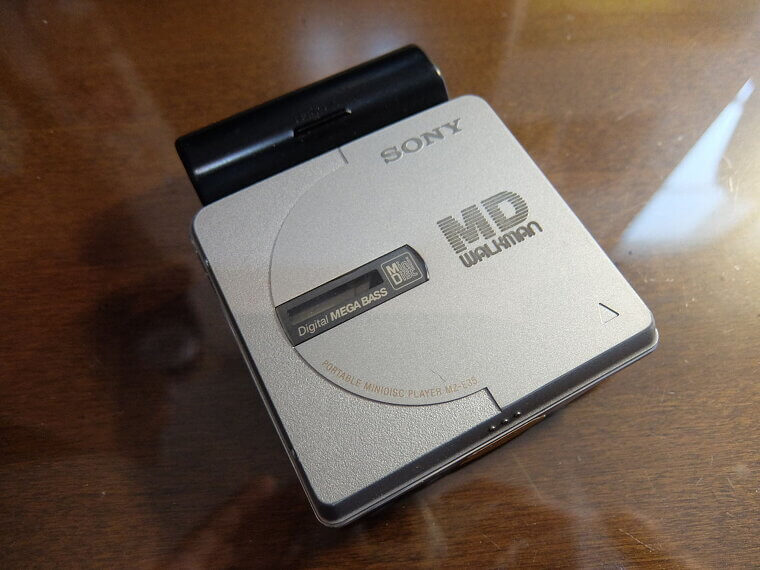
While having music on hand is always nice, there's no denying that the Walkman wasn't the most convenient of portable music devices. Batteries drained quickly, CDs scratched easily and skipping ruined songs completely. On top of this, they were extremely heavy and bulky, which made them a mission to carry around. However, many traveler's brough entire CD collections with them when traveling - despite the hassle.
"Disposable Cameras Are Perfect for Travel"
Disposable cameras were marketed as the most convenient option for traveling. In the 90s, they were cheap, easy to use and lightweight. Back when smartphones weren't available, they also saved traveler's from having to lug around expensive camera's and camera bags. However, they also only had enough space for between 24 and 36 shots - with no previews. Half of the photos turned out blurry or overexposed, which felt like a major waste. So, while they may have seemed practical at the time, they actually robbed travelers of quality documentation.

"Always Travel With a Guidebook"
In the 90s, tourists were rarely seen without guide books for whichever country they were visiting. These books contained detailed descriptions of every 'hidden gem' to be seen, which only resulted in overcrowded cafés, hostels and trails. In other words, all sense of authenticity vanished as guidebooks commercialized experiences. On top of this, the guidebooks were bulky and heavy and a mission to carry around. Nowdays, most tourists rely on Trip Advisor or other online blogs when doing research for their holiday.

"Always Dress Up for the Flight"
This may sound strange, but most traveler's in the 90s would dress up for their flight - almost as if it were some formal occasion. In fact, business suits, dresses and high heels were seen as normal, despite how uncomfortable they were. As a result, long-haul flights felt like some sort of endurance test. Over time, however, people started to realize that flying isn't anything glamorous and that comfortable clothing is the way to go. In fact, hoodies and sweatpants are the go-to for most people. Looking back, dressing up for flights was more about image than anything else.