Low-Fat Everything Was Healthy
It’s a bit crazy to think that in the ‘80s, people thought fat was the enemy. Food companies removed fat from everything and replaced it with sugar and refined carbs. It tasted good, but it wasn’t healthy at all. People ate more, and ended up with blood sugar issues. Today, we know healthy fasts are important.

Sun Tanning With Baby Oil
The ‘80s were wild. People used to lie in the sun, slathered in baby oil like it was some kind of tanning accelerator. Instead, it basically roasted their skin. Sunscreen wasn’t taken seriously yet, and using baby oil only increased the risk of sun damage and skin cancer. Baby oil is for babies, not baking on a beach towel.

Eggs Are Dangerous for Cholesterol
Eggs got a bad reputation for years back in the ‘80s. People claimed they would clog your arteries if you ate more than one a week. As a result, many people missed out on affordable, protein-rich food. Studies later showed the fear was blown out of proportion, and eggs contain good nutrients.

Butter Is Poison, Margarine Is Better
If you grew up in the ‘80s, you probably remember tubs of bright-yellow margarine in your fridge. People were told butter would kill them, and margarine was the “healthy” choice. Turns out margarine was full of trans fats, which are actually far worse for your heart. Real butter in moderation wasn’t the villain - fake fats were.

Aerobics = Fitness
The ‘80s were the era of neon leggings and high-energy aerobics tapes. People thought cardio was the only thing you needed to be fit. Strength training and balance weren’t even part of the conversation. This one-sided approach made people tired, overworked, and sometimes injured. Today, we know real fitness needs a mix of strength, flexibility, and cardio.

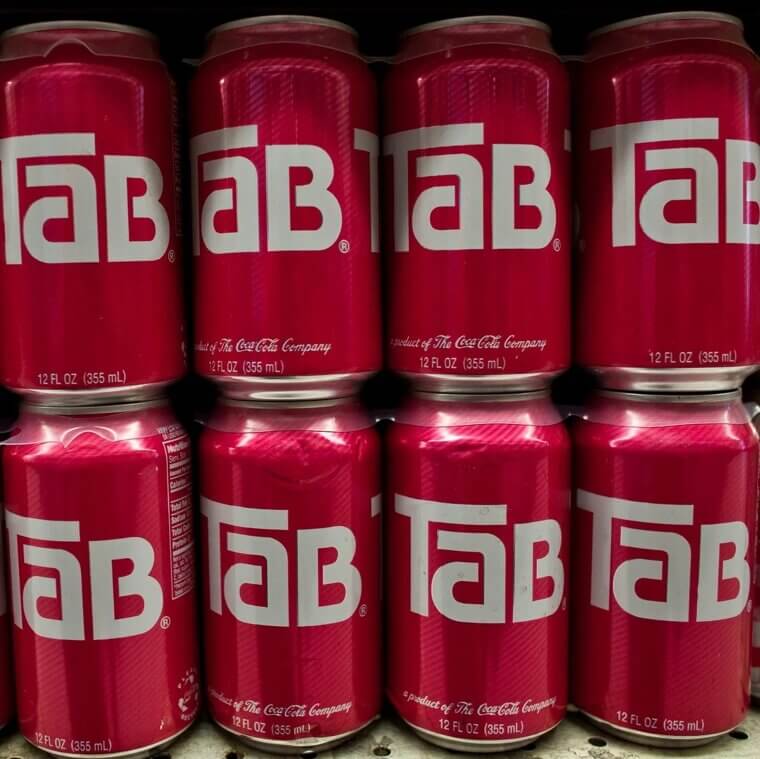
Diet Soda Is a Healthy Choice
Diet soda quickly replaced their sugary options as the perfect guilt-free drink. Zero calories and no sugar made people think it was harmless. But the long-term research wasn’t there, and no one knew the dangers of artificial sweeteners. It wasn’t the magical healthy swap people hoped for. Today, a lot of people still think this way.
Fat-Free Cookies Are Fine
During the fat-free craze of the ‘80s, SnackWell’s cookies became the “good” treat everyone turned to. The idea was simple: if it has no fat, you can eat as many as you want. People did exactly that. The problem? These cookies were loaded with sugar, which caused energy crashes and weight gain. Removing fat didn’t make them healthy - it just made people overeat.

Amphetamines for Weight Loss
Diet culture was pretty aggressive in the ‘80s. Some people leaned on amphetamine-based pills marketed as “energy boosters” that helped you lose weight fast. In reality, they were addictive and dangerous, and they messed with sleep, heart rate, and even mental health. People had to learn the hard way that there are no shortcuts.

Alcohol Is Good for Nerves
Too many people in the ‘80s believed a drink or two was a good way to relax and settle their nerves. It made drinking seem like stress relief rather than what it really is - a temporary numbing aid that can easily turn into an addiction. This dangerous health advice normalized alcohol as a coping tool.

Caffeine Pills for Energy
Caffeine pills were everywhere in the ‘80s - especially in high schools and colleges where people popped them to stay awake or power through workouts and hectic study sessions. They caused jitters, heart palpitations, and crashes that made people even more exhausted. Instead of boosting energy levels, they pushed the body into stress mode.

Sugar Is Harmless Fuel
Sugar was everywhere - cereals, snacks, and even “healthy" yogurts. People didn’t worry about it because the only villain back then was fat. Sugar seemed harmless until it was discovered that a high sugar intake contributed to weight gain, diabetes, and heart problems. In the ‘80s, though, it was in every kid’s lunchbox without a second thought.
Pregnant Women Should Avoid Exercise
Whoever told pregnant women in the ‘80s to sit, rest, and avoid “overexerting” themselves made a big mistake. Studies later showed that walking, stretching, or swimming was actually good for both mother and baby. It also helped with mood, sleep, and labor. Avoiding exercise entirely made pregnancy way harder than it had to be.

Diet Pills Are Safe Shortcuts
In the 80s, diet pills were the magic solution everyone wanted. They were marketed with big promises and very little regulation. Many caused heart problems, mood issues, and addictive behaviors. They didn’t support healthy habits - they just masked hunger. When people stopped taking them, the weight came back anyway.
Skinning Meals Helps Weight Loss
Skipping meals sounds logical, right? Eat less, weigh less. But the body doesn’t work like that. People who skipped meals often got so hungry that they overate later. It messed with blood sugar and metabolism. Instead of helping with weight loss, it pushed people into unhealthy eating cycles that were hard to break.
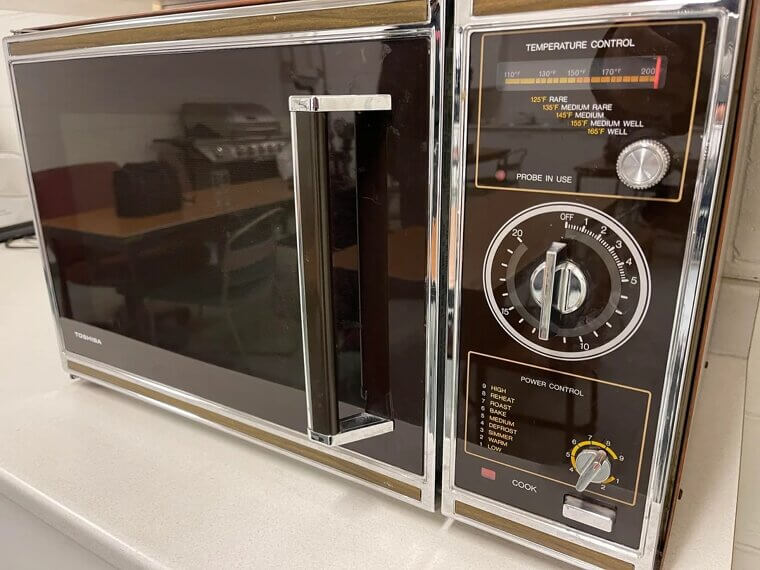
Microwave Ovens Are Dangerous
Some people were convinced that microwaves “radiated” food and made it unsafe. This caused a lot of unnecessary fear. Microwaves simply heat water molecules, nothing more. The real issue wasn’t the microwave at all; it was the processed microwave meals people ate instead of whole foods. The oven wasn’t the problem - the snacks were.
All Cholesterol Is Bad
The ‘80s turned Cholesterol into one big scary word. People didn’t know that there were actually two types - HDL (the helpful kind) and LDL (the harmful kind). Everyone avoided foods with cholesterol completely. This led to more processed food intake and less nutritious whole foods. Today, we know balance matters, not total elimination.

Stress Is Just in Your Head
Many people believed stress was just something you “thought about too much.” If you were overwhelmed, the advice was basically “stop worrying.” That ignored the physical effects of chronic stress on the heart, immune system, and hormones. Stress isn't imaginary, and the body feels it. Now we know that managing stress is real health care.