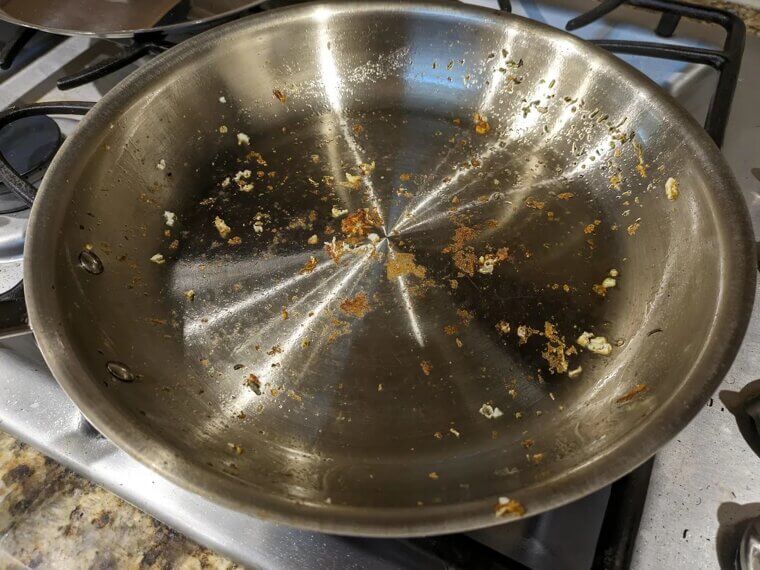
Cold Steak Shock
Pulling a steak straight from the fridge and tossing it into a hot pan is a classic mistake that so many people make. The outside heats up fast, while the inside stays cold. And that’s how you end up with a burnt crust and a raw middle. Let’s face it, it’s not ideal. Letting your steak sit out for a bit helps it cook more evenly from the outside to the inside. It’s a bit like waking it up before it needs to do its thing. Give it time to warm slightly.

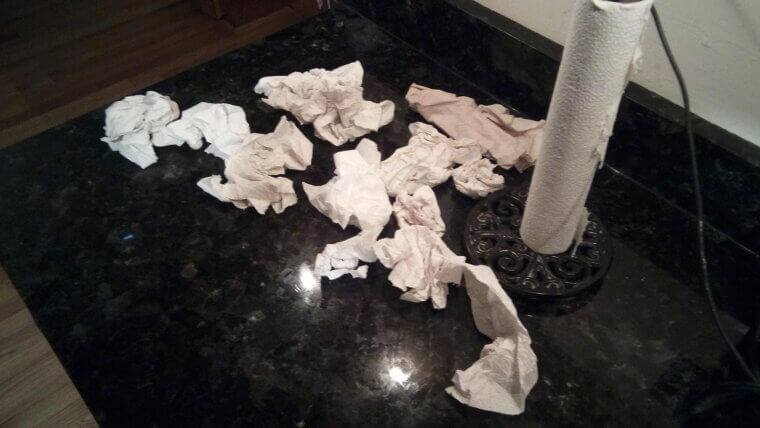
Damp Disasters
If your steak is wet, it won’t brown properly. Moisture is the absolute enemy of a good crust. Instead of sizzling, the steak starts steaming, which is not what you want. That beautiful golden-brown surface needs dryness to form. A quick pat with paper towels makes a huge difference. It takes seconds but pays off big time. Dry steak equals better color, better flavor, and better texture. Skipping this step is like trying to toast bread that’s been dunked in water - it just won’t work.
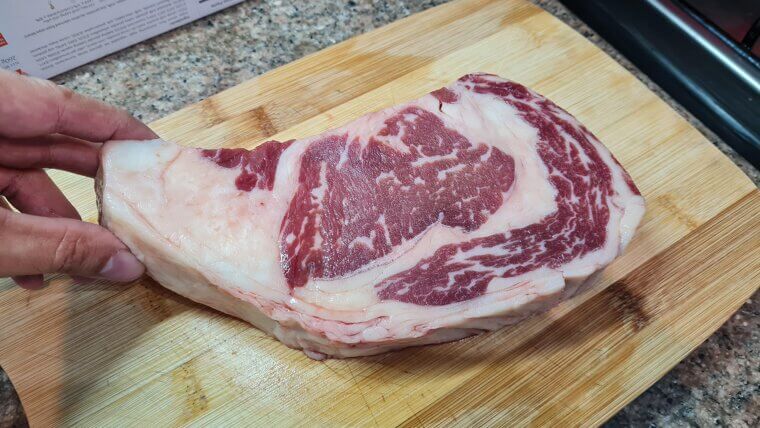
Chewy Bits
Some people like a bit of fat on their steak. But leaving thick chunks of fat on your steak can ruin the eating experience. How, you ask? Well, those tough pieces don’t melt away during cooking like you think they do. Instead, they shrink, curl, and turn chewy. They also mess with how the steak sits in the pan and how it cooks. A quick trim helps everything cook more evenly and makes each bite tender and juicy. Don’t get us wrong - you don’t need to remove all the fat. Just get rid of the thick, stubborn bits.
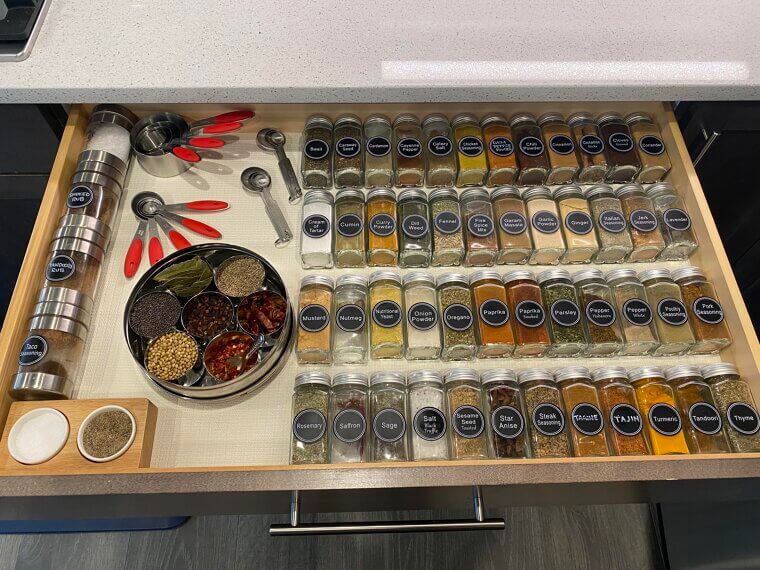
Last-Minute Seasoning
Seasoning your steak right before cooking sounds harmless, but salt actually needs time to do its job. When you leave it to the last minute, the salt only flavors the surface and doesn’t sink in. The result? Bland meat under a very salty crust. If you season your meat earlier, the salt pulls in moisture, gets reabsorbed, and pulls in flavor with it. Even 30 to 45 minutes before helps. This is not a step that you want to skip! It’s like icing a cake without sweetening the batter.
Salt Overload
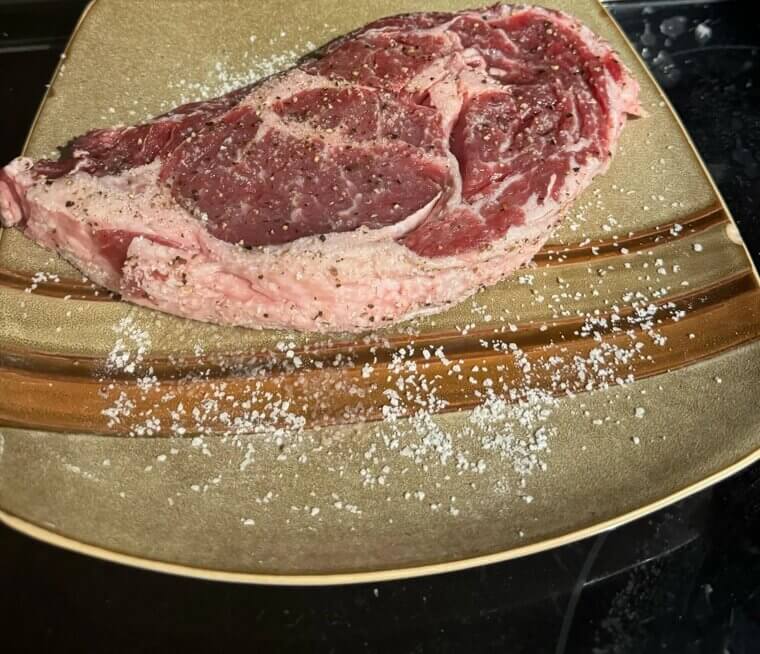
Too much salt turns your steak into a salt lick. Too little, on the other hand, makes it taste flat and sad. It’s all about balance. Salt should boost the beef flavor, and not overpower it or disappear. Sprinkle it evenly and don’t panic. You can always add more later, but you can’t take it away. It also doesn’t matter what salt you use. A well-seasoned steak should taste rich, beefy, and satisfying, not like seawater and plain boiled meat. Take your time and season your meat properly.
Marinade Mayhem
Who doesn’t like a bit of marinade on their steak, right? It all comes down to timing. A wet marinade on your steak right before cooking will leave your steak soggy on the outside. That moisture blocks browning and ruins your chances of a good crust. If you love marinades, they need time. And the steak must be dried before cooking, otherwise you’re just steaming the surface. Dry seasoning works way better, especially for quick cooks. Marinades aren’t all bad, but timing really matters. Dumping a dripping steak straight into a hot pan is asking for disappointment.
Burnt Pepper
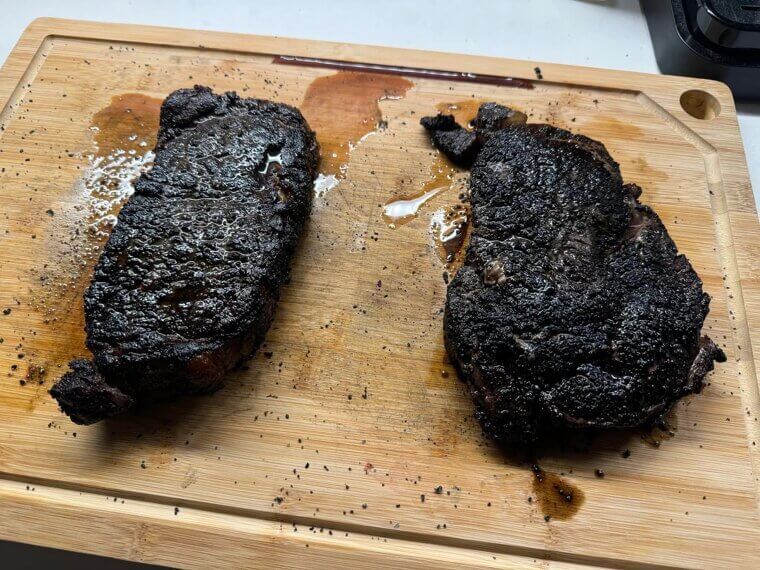
Pepper tastes great on steak, but again, it’s about timing. When pepper hits high heat too early, it burns fast and turns bitter. That sharp, burnt taste can take over the whole steak. It’s much better to add pepper later or after cooking. What you need to do is let the steak sear first, then finish with pepper if you like. That way, you get warmth and spice without the bitterness. Burning pepper is one of those mistakes that’s easy to avoid but hard to fix once it happens.
Dry Surface Troubles
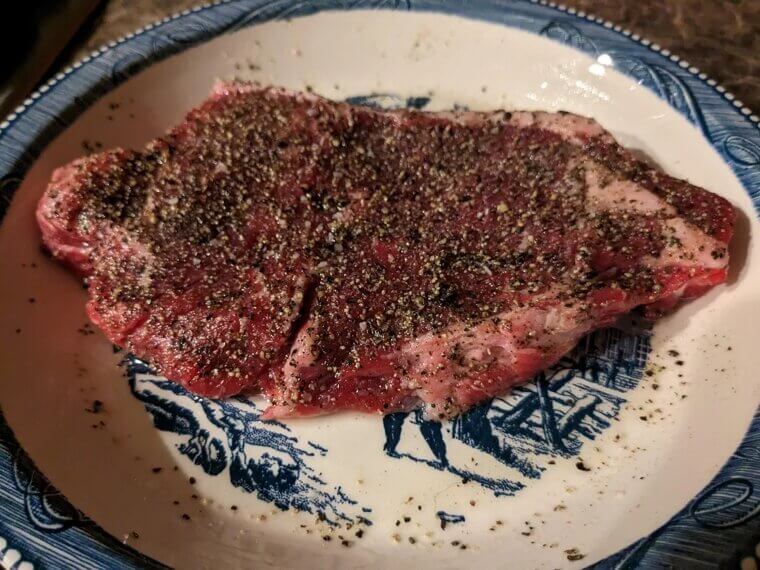
Did you know that a light oil rub on the surface of your steak helps more than people think? Without it, the seasoning falls right off, and the browning becomes uneven. Oil also helps heat transfer and encourages the deep, tasty crust everyone loves. You don’t need much either, just a thin layer. This isn’t about frying the steak - it’s about helping it cook better. Skipping the oil completely leads to patchy color and sticking. It helps to think of the oil as a bit of insurance that helps the seasoning stick to your steak without changing the flavor.

Escaping Juices
Stabbing a steak with a fork lets all the good stuff run out. Those juices keep the meat tender and flavorful. Once they’re gone, they’re gone. Use tongs instead. They hold the steak without poking holes in it. Every unnecessary stab dries the steak a little more. This mistake often comes from impatience or curiosity. Resist the urge to stab your steak to “see how it’s cooking.” Treat your steak gently, and it will reward you with juicier bites instead of dry disappointment that’s tough.
Hammered Into Mush
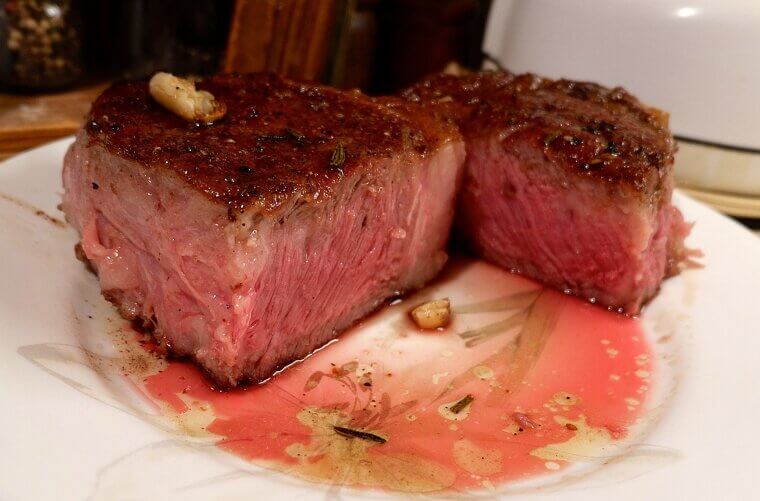
Tenderizing your steak too much breaks down the meat fibers until the steak loses structure. Instead of being tender, it turns soft and mushy. That’s definitely not what you want in a steak! Steak should have a nice bite and not feel like meat paste. Most cuts don’t even need tenderizing because good cooking does the work for you. Save the mallet for very tough cuts only and use it gently. Overdoing it only leads to the texture being ruined. And once it’s mushy, there’s no fixing it.
No Flavor Pause
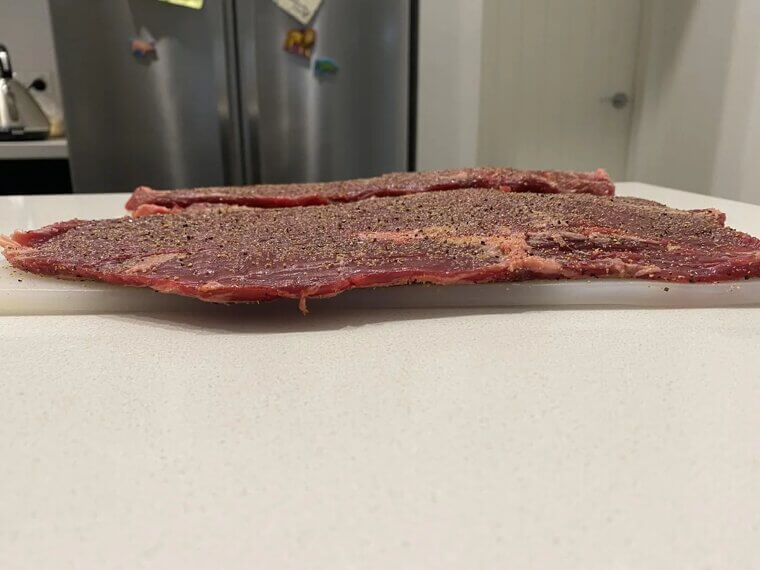
After seasoning, your steak needs a little rest before you cook it. Jumping straight to the pan doesn’t give all those delicious flavors time to settle, and the salt hasn’t fully done its job yet. Letting the steak sit first allows the seasoning to spread and work evenly. It’s a short pause, sure, but it makes a world of difference in terms of flavor. Think of it as letting the flavors get to know each other and get comfortable. Rushing this step won’t ruin the steak, but it can affect the final product.
Pile-Up Problems
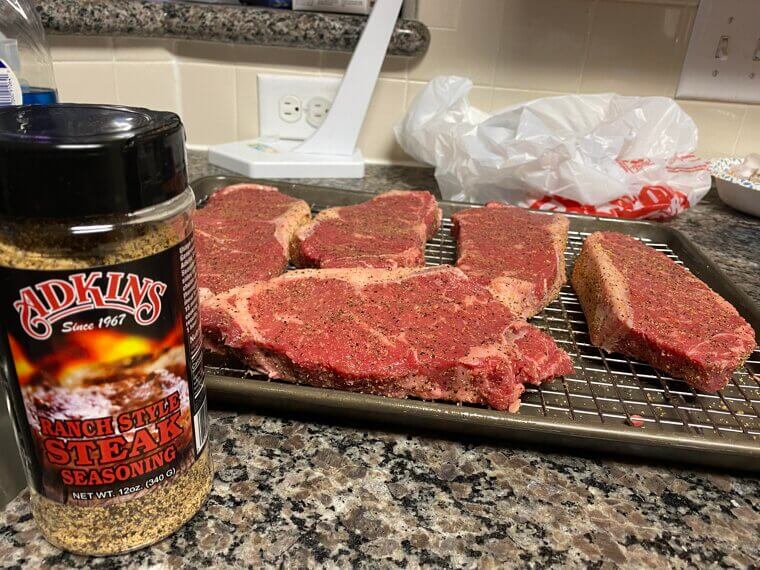
One of the most important things to remember when making steak is to not overcrowd the pan. Stacking or crowding steaks traps moisture between them. That moisture ruins browning and keeps the surface damp. Steaks need space to breathe, and that includes before cooking. Letting them sit apart helps them dry slightly and prepare for the heat. Touching steaks sweat, and sweaty steaks just don’t sear well. Lay your steaks out in a single layer and give them some room. The result is a better crust and better cooking results.
Thickness Troubles
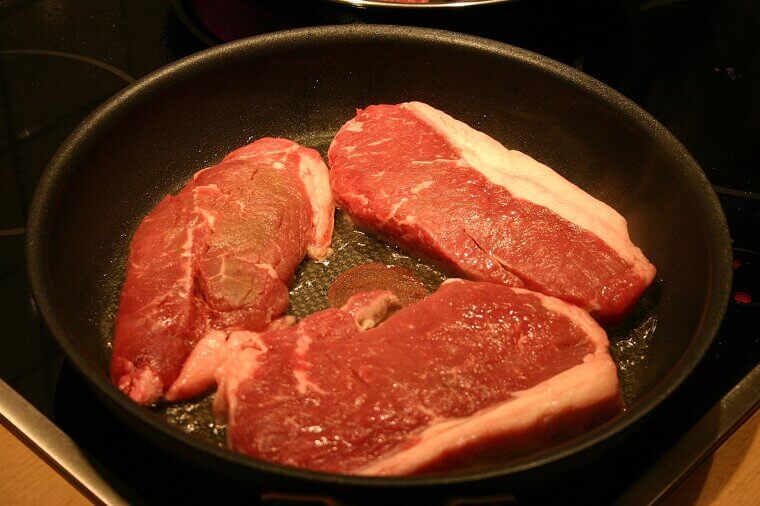
Not all steaks cook the same. A thin steak cooks fast, while a thick one needs a bit more time to cook through. Ignoring the thickness of your steak leads to overcooked edges and raw centers. It helps to always take a second look and adjust your plan. Timing matters way more than you think, so treat your steak accordingly and season and cook it according to the thickness. Paying attention and making a few adjustments saves you from ending up with a burnt or raw steak.
Meat Quality
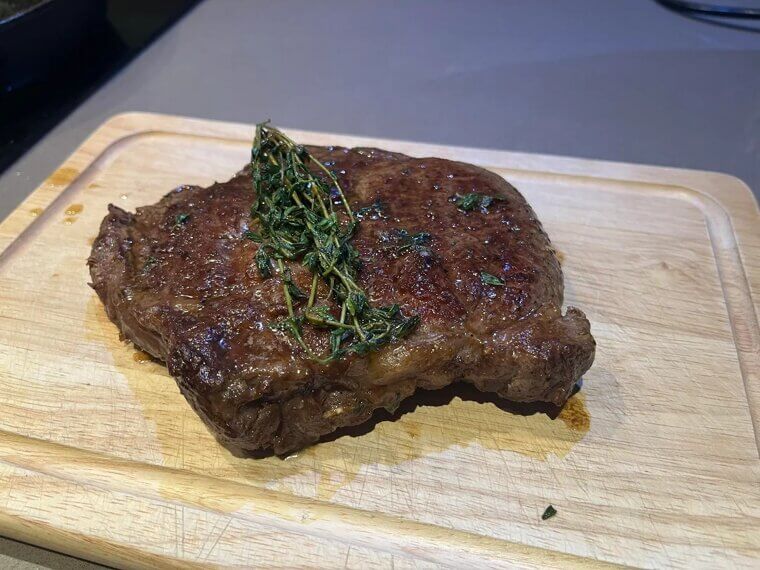
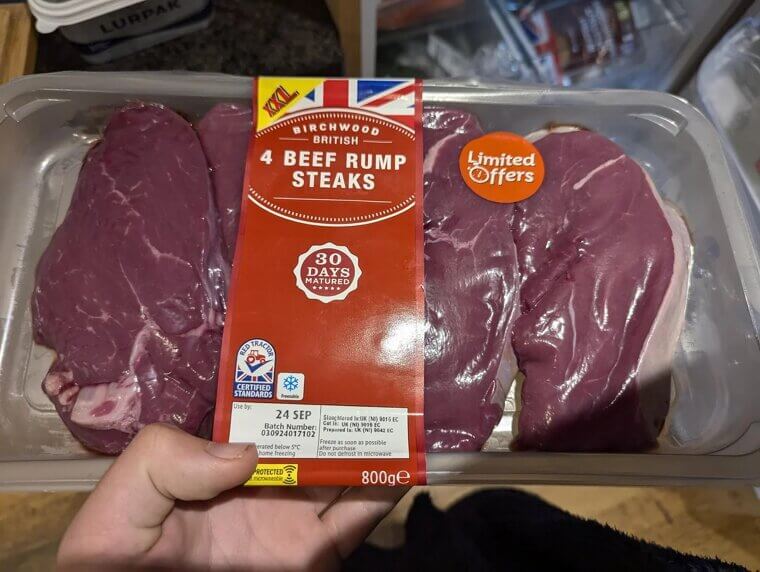
No amount of cooking skill can fully save a bad cut of meat. Poor-quality or badly stored steaks are already at a disadvantage. Old, dried-out, or low-grade cuts won’t suddenly become better because you cooked them carefully, so a good steak already gives you a head start. It doesn’t need to be expensive - it just needs to be fresh and handled well. Start with decent meat, season it properly, let it rest, and cook it gently. Cooking improves your steak, but it can’t perform miracles.
Wrong Pan Problems
Using the wrong pan can mess up your steak before it even has a chance. A thin, flimsy pan loses heat fast and won’t give you that deep, even sear. Instead of sizzling, your steak sort of limps along, cooking unevenly and releasing moisture. That’s how you end up with gray meat instead of a crust. A heavy pan holds heat and stays hot when the steak hits it. This gives you better browning and more flavor. The pan matters more than most people think, and choosing the wrong one only sets your steak up to fail, no matter how good a cut it is and how well you seasoned it.