Afraid to Say No
Why is it that some parents today are so scared to put a few boundaries in place? It’s like they think boundaries will damage their relationship with their kids. As a result, consequences disappear, kids end up confused about limits, and they will test those limits to determine where they stand. Clear boundaries are the only solution. Respect also grows when expectations are clear and consistent. Remember that saying no doesn’t make you mean - it makes you a parent. Kids actually thrive when they know where the lines are and that someone will calmly enforce them. Without this structure, the world becomes a chaotic place for a developing mind to navigate. By providing a firm foundation today, you are giving them the tools they need to become disciplined and resilient adults who understand how the real world functions.
A Bubble Wrap Childhood
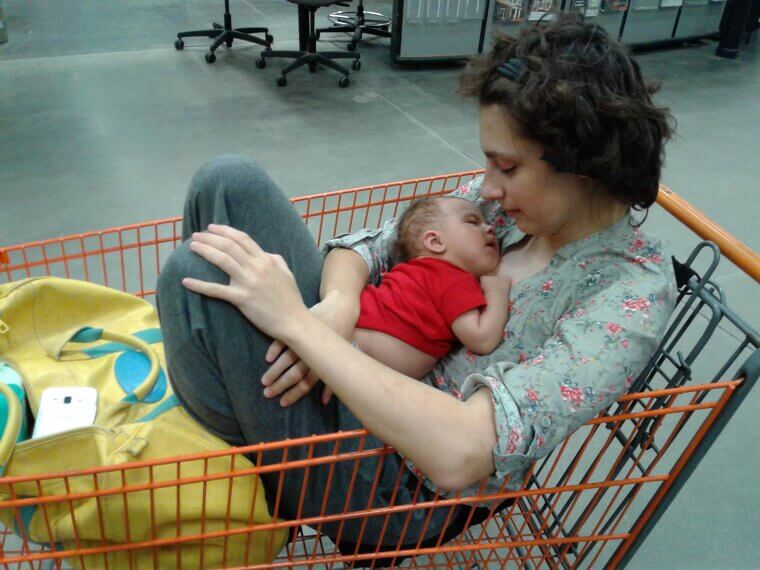
Parents today rush in at the first sign of their child getting hurt or upset. A scraped knee, a tough kid at school, or a risky climb gets shut down before you can even blink. The intention is love, sure, but the result can really backfire on parents. By raising kids this way, they don’t learn to judge risk if they never have to face it. And they don’t learn how to calm themselves if adults always step in. Yes, small dangers are challenging, but they teach kids big lessons. When kids never test their own limits, the real world feels super scary later.

Gold Stars for Everything
Praise is always great, but today’s parents take it a bit too far and praise their kids for doing almost nothing. When kids hear “Amazing job!” for very little effort, they start to expect applause for everything. Then real challenges come, and they simply cannot get it right. Hard work starts feeling optional, and kids might just stop trying altogether when things get tough, or they really need to work hard at something. Simply put, genuine praise should match real effort. That’s how kids learn pride in doing something great.

Hover Mode Activated
Ever heard the term “helicopter parenting?” This is when some parents manage every single detail of their child’s life. They remind, fix, negotiate, and rescue their kids. The result? Kids don’t forget homework because their parents never let them, and they don’t solve problems because they’ve never had to. Kids need space to mess up, learn from their mistakes, and recover. When parents hover and do everything, it makes for incapable kids who struggle later on. Letting go feels a bit scary, sure, but it’s how kids learn that they can actually handle things on their own.
A Glowing Babysitter
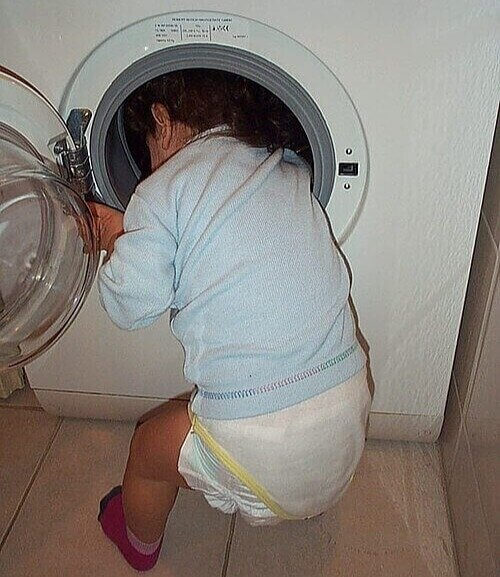
Screens are super convenient, right? They keep kids quiet, distracted, and busy. But the problem comes in when your child doesn’t know what it is to be bored. Screens replace the boredom, conversation, and play, and something just gets lost. They also don’t learn any patience when their entertainment is instant. Believe it or not, too much screen time can make kids frustrated, and when they are in that mood, they are extra difficult to deal with. What they really need is time to figure things out and daydream.
Tiptoe Topics
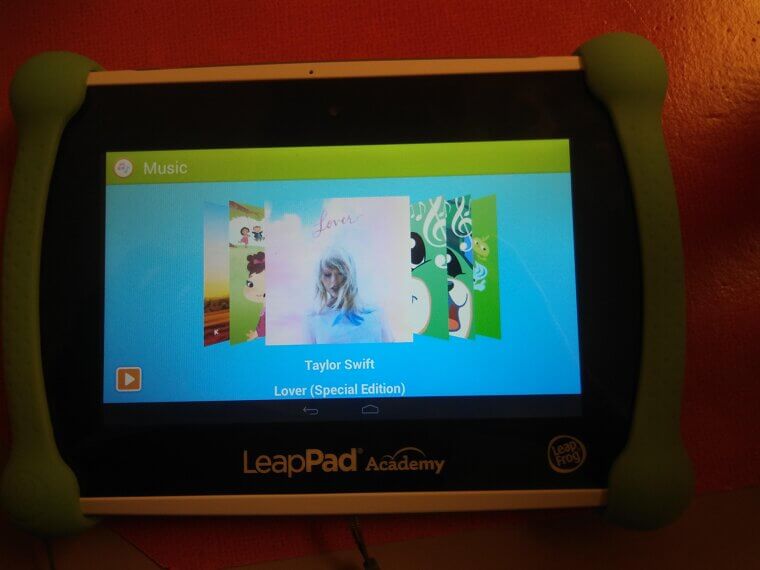
Many parents today avoid tough topics like death, conflict, or injustice. They want to protect their kids from pain. But, and this is a big but, avoiding reality doesn’t prepare kids for it. Life is full of loss, disappointment, and unfair moments. When kids never talk about these things, they can be overwhelmed when they’re faced with it. Simple, honest conversations are what really build emotional strength. Kids don’t need every detail, but they need truth at a level they will understand. Talking openly teaches kids about normal feelings.

Instant Gratification
Modern life moves so fast that it sometimes feels like a challenge just keeping up. And for kids, that instant gratification isn’t doing anyone a favor. Snacks appear instantly. Apps deliver entertainment in seconds. When kids never wait for something, patience doesn’t develop, and their tolerance for frustration stays low. Learning to wait, on the other hand, builds resilience and teaches kids that they sometimes have to wait for things. Waiting isn’t punishment either - it’s practice for real life. Teaching patience now saves a lot of stress later, especially when the world doesn’t move at kid-speed.
The Over-Scheduled Kid
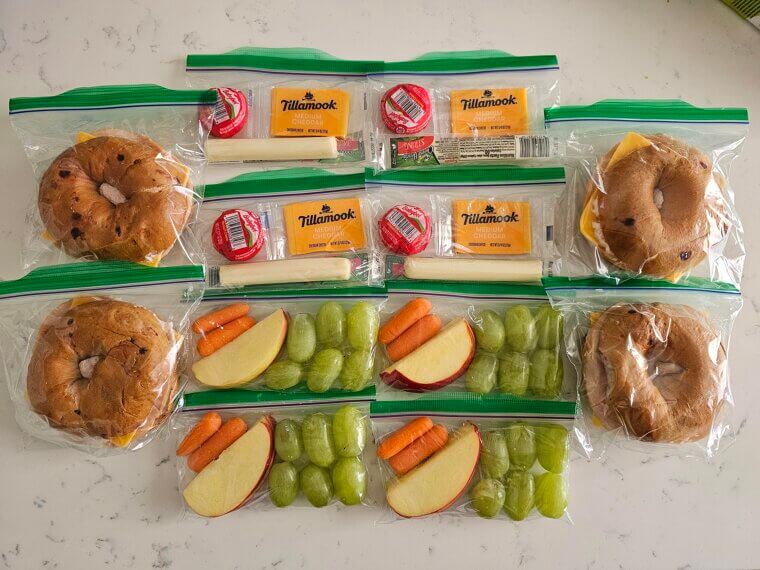
Parents today sign their kids up for as many activities as possible. The result? A child who’s moving from one activity to the next with almost no downtime. Sports, lessons, clubs, and tutoring fill every hour. Yes, there’s no time to be bored, but it also means that the poor child has no time to just relax, do something they want to do, and chill out. Boredom isn’t all bad, and kids who never slow down often struggle to relax and think independently. A little gap in the schedule gives kids the downtime they need.

The Great Rescue Mission
Today’s parents step in whenever their child faces an obstacle or consequences. They email the teachers, argue with coaches, and smooth over any mistakes their little angel has made. It sounds like a good thing, but it’s not because kids miss the chance to learn about accountability and taking responsibility for their actions. When parents fix everything, kids blame others instead of reflecting on what they’ve done. Learning responsibility builds their confidence and integrity, and those small mistakes can teach them big lessons. Letting kids handle outcomes is the only way to prepare them for adulthood.

No Chores and No Clue
Chores are an important part of life and teach kids some pretty important lessons. Helping at home teaches them responsibility and teamwork. When kids don’t have chores, they don’t learn about working together to achieve a goal - whether that goal is keeping their rooms clean or helping Mom get the washing folded and put away. Other simple jobs, like setting the table or taking out the trash builds confidence too. Chores are not about control, but rather about learning how life works. Kids who help out at home grow into adults who handle responsibility better. And that’s a fact.
Chasing Likes
Social media makes it so easy for kids to link their self-worth to likes and comments. When posts do well, kids feel good. When they don’t, kids feel bad, and that can mess with confidence fast. Online attention is unpredictable and shallow. It doesn’t reflect real value, and kids need help understanding that numbers don’t define them. Real confidence comes from skills, friendships, and effort. And teaching kids to enjoy life offline matters way more than online approval or how many likes their selfie gets on Instagram. At the end of the day, social media should be a tool.
A Fear of Failure
Some parents try way too hard to protect their kids from failing by stepping in early to avoid disappointment. It sounds harmless, but failure teaches kids important lessons and shows them how to recover and try again. When kids never fail, they don’t learn how to cope when things go really wrong. Failure isn’t always a bad thing - it teaches kids problem-solving and patience. Kids who learn that mistakes are normal feel braver trying new things. Avoiding failure also doesn’t build confidence - learning how to handle it does, and growth really happens when kids are allowed to stumble and stand back up.
Negotiation Nation
Parents today explain and negotiate every rule, every time. As a result, kids learn that “no” doesn’t really mean no, and that they should just argue longer to get their way. This wears everyone out. Kids need clear rules they can rely on. Constant debate, on the other hand, creates confusion and power struggles that turn every decision into a family meeting. Simple rules are much better and help kids feel secure. Yes, explaining things is good, but endless negotiations teach kids to push limits instead of respecting them. It’s all about stability and structure.

When Feelings Run the House
PSA: Not every emotion has to be treated like an emergency. If a child is upset, modern parents change their plans immediately. Feelings matter, sure, but they shouldn’t run the household. At some point, kids need to learn that emotions come and go. And feeling frustrated doesn’t mean something is wrong. Kids need to learn how to calm down, wait, and think. And parents need to help them. Emotions are important, but they work best when they’re paired with coping skills and boundaries.

Adult Problems, Kid Shoulders
Some parents share too much about money worries, work drama, or relationship stress. They mean to be honest, but kids aren’t built to carry adult problems. When kids hear constant stress, they may feel responsible for fixing it. That can create anxiety and emotional overload. Kids need reassurance, not details. They should feel safe, not like backup therapists. It’s okay to say life is hard sometimes, but parents should show how they handle it. Protecting kids from adult stress helps them focus on growing, learning, and just being kids instead of worrying about grown-up problems.