Fake Sales
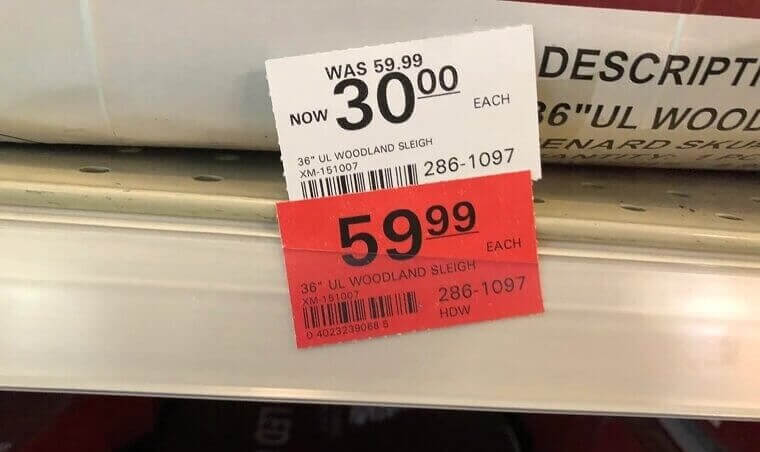
We’ve all seen it - that bright tag that screams SALE! In red letters. Your heart does a happy dance. But, here’s the twist - that price tag is often the same price it was last week. Stores slap sale tags on items just to create a bit of excitement. They also know that shoppers won’t remember the original price. The result? You toss it into your cart feeling clever, and like you’ve bagged a bargain, even though nothing has actually changed. It’s less of a discount and more of a psychological trick. Retailers rely on this false sense of urgency to drive impulse buys. By manipulating your habits this way, they ensure you spend more money without receiving any real savings.
Shrinkflation
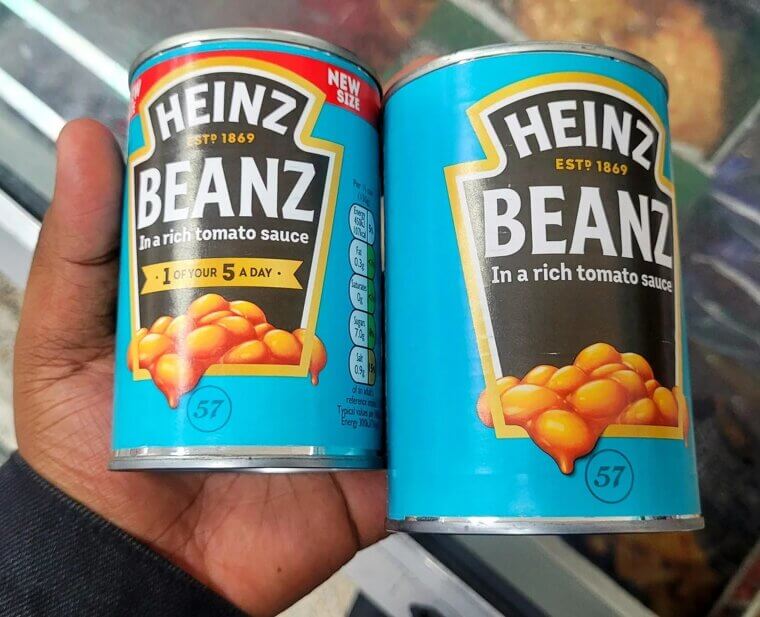
Shrinkflation is when your everyday products suddenly go on a diet, but the price refuses to budge. The box looks the same, and the bag feels familiar. But inside? Fewer chips, less cereal, and one less scoop of ice cream. Stores and brands love this trick because most people don’t check the weight or volume of their product every time. You only notice it weeks later when the cereal runs out way faster than normal. By then, it’s too late, and they’ve already won. Paying the same price for less food and wondering why groceries feel so expensive now? Shrinkflation is the answer.
Unit Price Confusion
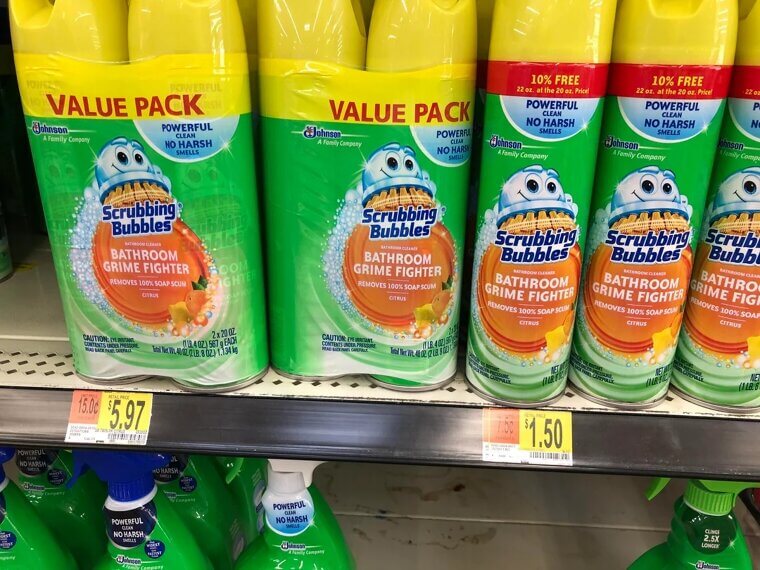
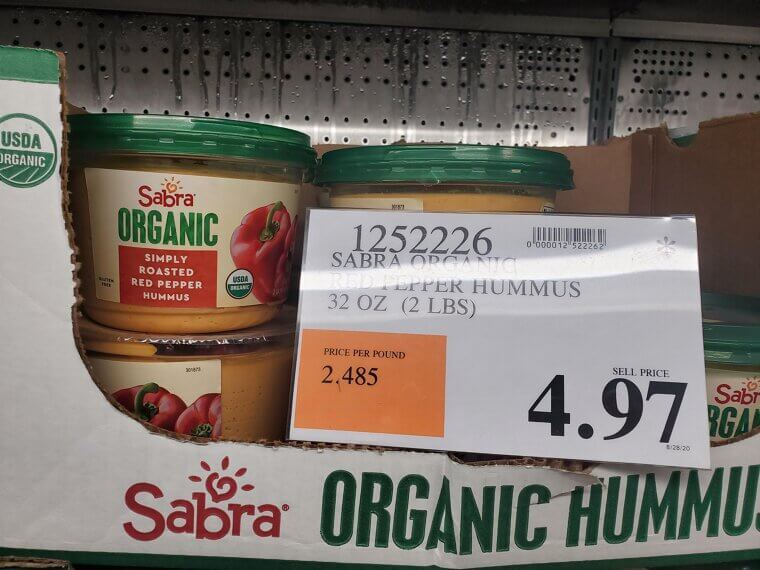
Unit prices are supposed to help you compare products, right? Instead, stores often make them confusing on purpose. One item shows the price per ounce. Another shows the price per 100 grams. Yet another uses “per serving.” Here’s the truth: your brain doesn’t want to do math while standing next to canned soup. So you guess - often wrong, too. Stores count on this mental overload because they know people will grab what feels cheaper instead of what actually is cheaper. And no, it’s not that you’re bad at math - it’s the system they use on purpose.
Eye Level = Wallet Level
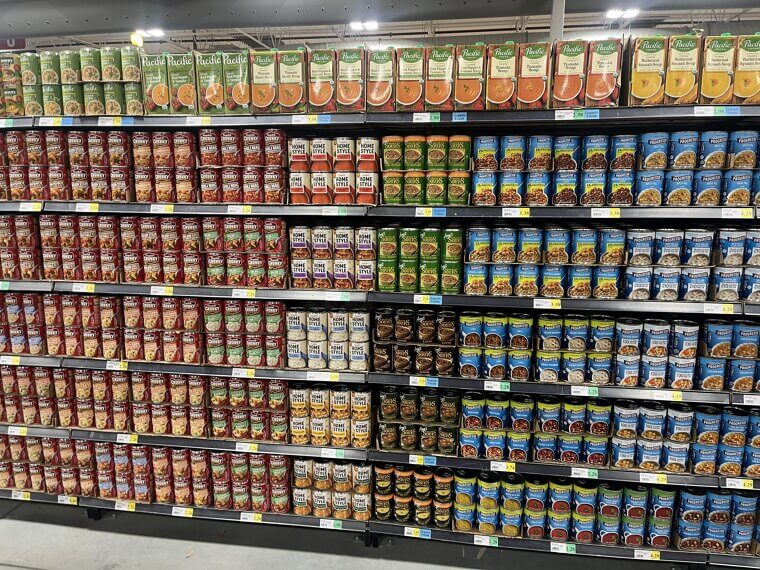
Ever notice how the most expensive brands are always staring you in the face at the grocery store? That’s no accident. Eye-level shelf space is premium real estate for brands, so they pay through the nose for their items to be placed just right. Cheaper options are always lower down, where you have to crouch like you’re playing grocery store limbo, or way up high, where only tall people notice them. When you shop in a hurry, your eyes grab what’s easiest to see. And that’s usually the priciest option.
Buy One, Get One Free
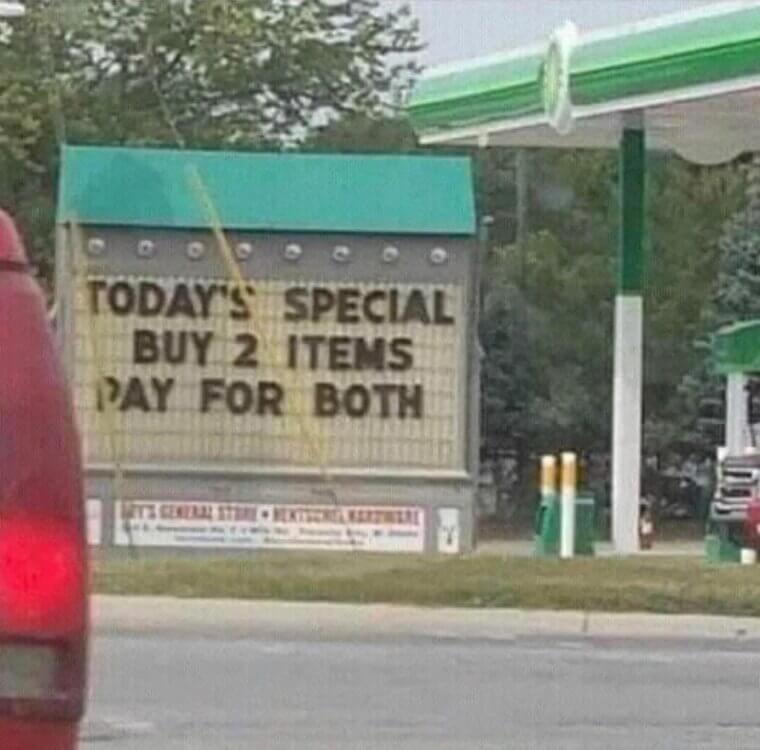
The concept of “Buy One, Get One Free” isn’t the bargain you think it is. Look closer and you’ll see that the regular price quietly gets bumped up right before the deal starts. So yes, you technically get one free, but only because you overpaid on the first one. The deal also only makes sense if you need two. If you don’t plan to buy two, the store just talking you into spending more than you intended to. These deals are just carefully designed to move inventory and increase your total bill rather than save you money.
A Spotlight on Endcaps
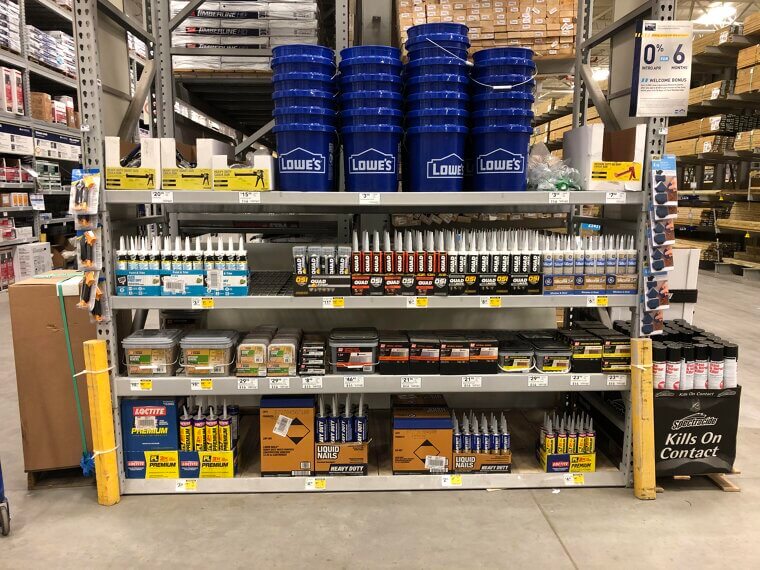
Those displays at the end of aisled feel extra special for some reason. They look important, and they feel like deals. But, most of the time, they’re just regular-priced items placed in a high-traffic spot to grab your attention when you turn a corner or stroll past the products. Your brain assumes that just because it’s featured means it must be discounted, even when it isn’t. You’re more likely to toss it into your cart without checking the price because it feels like a smart buy. And that’s the illusion working exactly as planned.
Convenience Food Thieves
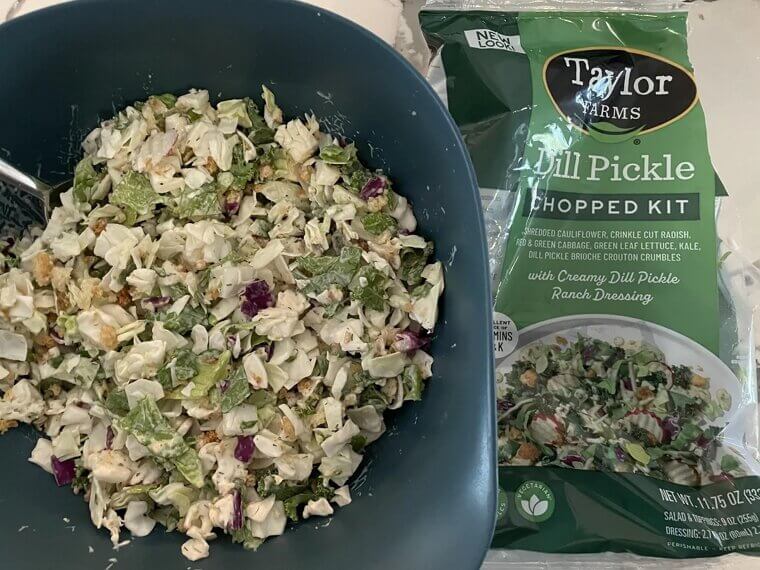
Pre-cut fruit, shredded cheese and bagged salads are super convenient. But, they come with a serious markup. You’re essentially paying for someone to chop, shred, or portion something you could easily do at home in minutes. Sometimes the price difference is double or triple. And the bonus scam is that these items spoil faster because they’re processed and exposed. So you end up paying more and wasting more, too. Convenience is great, but grocery stores charge dearly for saving you that little bit of extra effort.
Natural? Pfffft.
Words like “natural,” “wholesome,” and “farm-style” sound really delicious and comforting, but they don’t always mean anything specific. Many of these labels are just labels and have no strict rules behind them. A product can be labelled as natural and still be packed with sugar, additives, or mystery ingredients. The label just plays on your desire to eat better without delivering better food. Simply put, it’s branding, and not nutrition. The real truth lies on the ingredient list - and stores know most people won’t even stop to read it.
Loyalty Card Lies
Loyalty cards are supposed to mean savings, but they come with fine print you can’t see. Yes, you get lower prices, but only if you sign up. In return, the store tracks what you buy, when you buy it, and how often you shop, and then use that data to tailor prices and promotions to your habits and not your benefit. Sometimes prices are higher for non-members just to make the discount feel bigger. With loyalty cards, it really is less about loyalty and more about cleverly disguised data collection.

Bigger Isn’t Always Better
Buying in bulk feels smart. Bigger package, better deal… right? Not always. Sometimes the larger size costs more per unit than the smaller one. Stores know people assume bulk equals savings, so they quietly flip the math. Unless you check the unit price, you might pay extra just for a bigger box. This trick works especially well on pantry staples where people don’t expect surprises. The box grows. The savings shrink. And nobody tells you unless you look closely. That’s when you notice that you’re not actually getting the good deal you think you are.
Best-By Dates
Despite what you’ve been taught, “Best by” does not mean “dangerous after.” But many shoppers treat it that way. Stores know this and use conservative dates to push faster turnover. You toss perfectly good food because the date feels scary. Then you buy more sooner than needed. The cycle continues. While food safety matters, many items last well beyond these dates if stored properly. The label nudges you toward replacement, not reality. And that gentle nudge adds up over time. Your food items actually last you longer than the date on the package says they do.
Checkout Lane Temptations
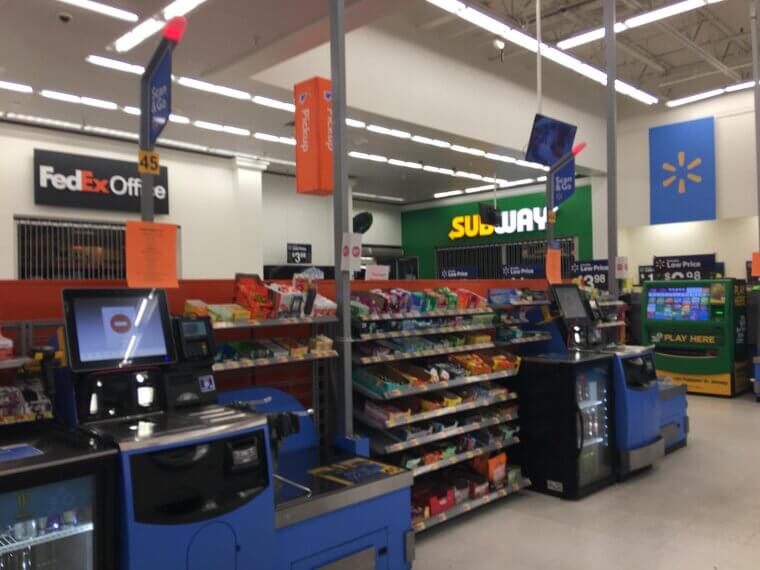
The checkout line is a danger zone. Candy, drinks, batteries, tiny gadgets - they’re all placed right where boredom and impatience live. You didn’t plan to buy them, but standing there makes them feel reasonable. “It’s only a few dollars,” you think. Stores rely on that thought. These items usually carry high profit margins and low resistance. You’re tired. You’re done shopping. Your guard is down. And suddenly your cart costs more than expected. It’s almost as if you need to wear blinkers when you go shopping these days.
Holiday Price Surprises
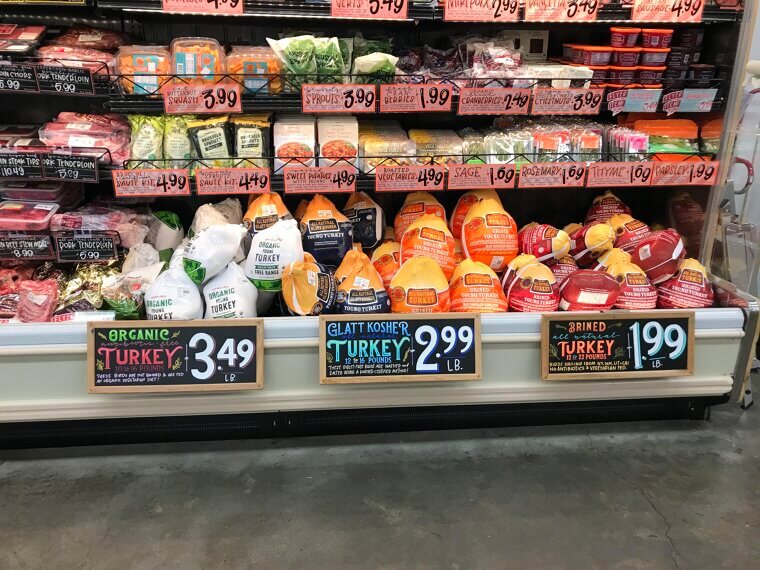
Holidays make prices climb quietly. Turkey near Thanksgiving. Chocolate before Valentine’s Day. Champagne before New Year’s. Demand spikes, and so do prices. Stores know you’ll buy it anyway because tradition feels non-negotiable. You might not even notice the increase because it feels seasonal and expected. But those little jumps add up fast. Planning ahead or buying early can help, but most people shop last-minute, and clever stores count on that to make a sale and fool their customers. Who knew grocery shopping was such a scam, right?
Multi-Pack Mind Games
Multi-packs look like a smart move. You see three or five items bundled together, and your brain instantly thinks, “Deal!” Stores know this and lean into it hard. The packaging looks official and intentional, which makes it feel cheaper without actually being cheaper. Sometimes the multi-pack costs the same as buying the items separately. Other times, it quietly costs more. But most people don’t stop to check the unit price because the bundle already feels like the right choice. Stores rely on that assumption. They also know shoppers like simplicity. Grabbing one bundle feels faster than grabbing singles.
“Local” Labels That Lie
The word “local” feels pretty trustworthy when you’re shopping for food items. It makes you picture a nearby farm, a small producer, or someone who lives just down the road. Grocery stores know this, which is why they use the word very loosely. In many cases, “local” simply means made somewhere in the same state or region, not actually nearby. That product might still travel hundreds of miles before landing on the shelf. The label creates a feel-good moment that makes higher prices easier to accept. Most shoppers don’t question it because the word sounds honest and warm.