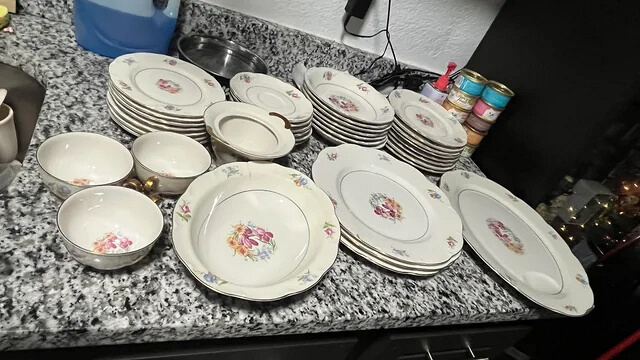
Fine Bone China and Formal Dinnerware Sets
For many Boomers, owning a complete set of fine bone china was a rite of passage, often acquired through wedding registries or inherited from parents. These sets were rarely used for everyday meals, instead being reserved for Thanksgiving, Christmas, or high-stakes dinner parties. Despite the fact that younger generations often view these sets as burdensome and hand-wash-only inconveniences, Boomers see them as an essential component of a proper home. The idea of "getting rid of the good china" feels like an abandonment of formal hospitality and family tradition. Even if the gold-rimmed plates haven't left the hutch in a decade, the pride of ownership remains high, as these items represent a time when dining was an event rather than a rushed necessity.
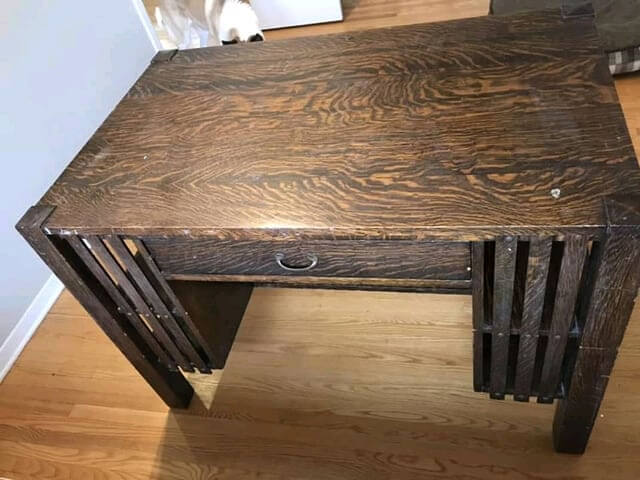
Heavy Oak and Solid Wood Furniture
Modern furniture is often made of particle board and flat-packed for easy shipping, but Boomers grew up with solid wood. Massive oak dining tables, heavy armoires, and oversized dressers are staples in many Boomer households. While these pieces are incredibly difficult to move and may not fit the aesthetic of a modern condo, their owners refuse to part with them because of their inherent quality. To a Boomer, a dresser that requires four people to lift is a sign of value and durability. They remember how much these pieces cost and the effort it took to acquire them. Suggesting they replace a solid cherry wood table with a lightweight alternative is often met with resistance, as they cannot justify discarding something that is still functionally perfect.
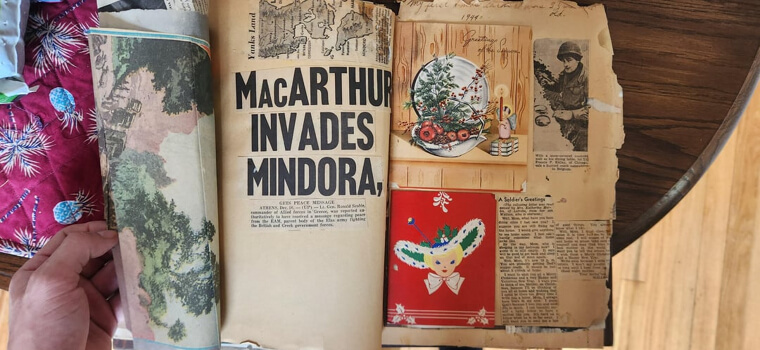
Physical Photo Albums and Scrapsbooks
While younger generations store thousands of images in the cloud, Boomers possess physical archives of their lives. These albums, filled with plastic-sleeved snapshots and handwritten captions, occupy significant shelf space. For a Boomer, the tactile experience of flipping through a book is far superior to scrolling on a smartphone. These photos represent a pre-digital world where every shot mattered because film was expensive and developing it took time. The thought of digitizing these photos and discarding the originals is often terrifying, as it feels like the physical connection to their ancestors and their own youth might be lost in the ether. These books are the ultimate "keep at all costs" item because they are truly irreplaceable.
Cast Iron Skillets and Vintage Kitchenware
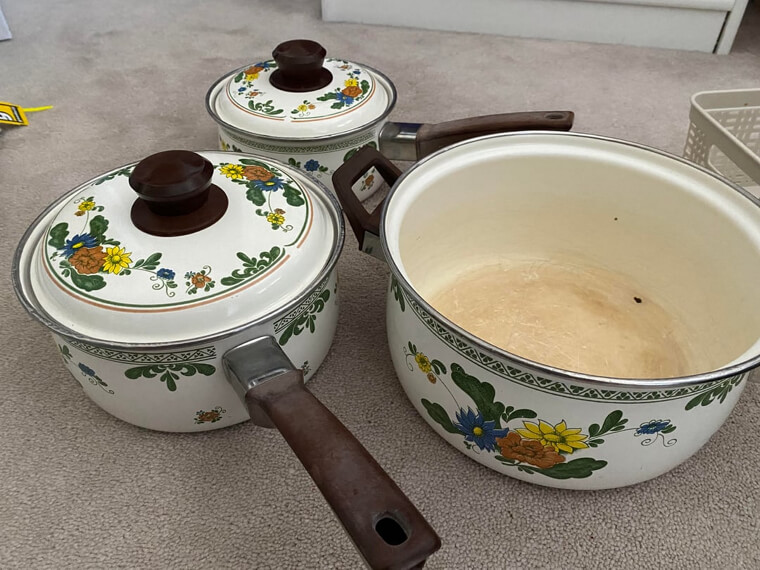
In the kitchen, Boomers are often found clinging to heavy cast iron skillets that have been seasoned over decades. These pans often have a "non-stick" surface that no modern Teflon pan can match. Beyond the pans, vintage gadgets like hand-cranked flour sifters, heavy-duty Stand Mixers from the 1970s, and Pyrex nesting bowls in vibrant patterns are staples. These items are often kept because they still work perfectly. Boomers are famously skeptical of modern appliances that contain complicated electronics destined to fail within five years. They trust the mechanical simplicity of their older tools. For many, these kitchen items are also tied to the memory of cooking for a growing family, making them as much a sentimental tool as a functional one.
Paper Records and Financial Documents
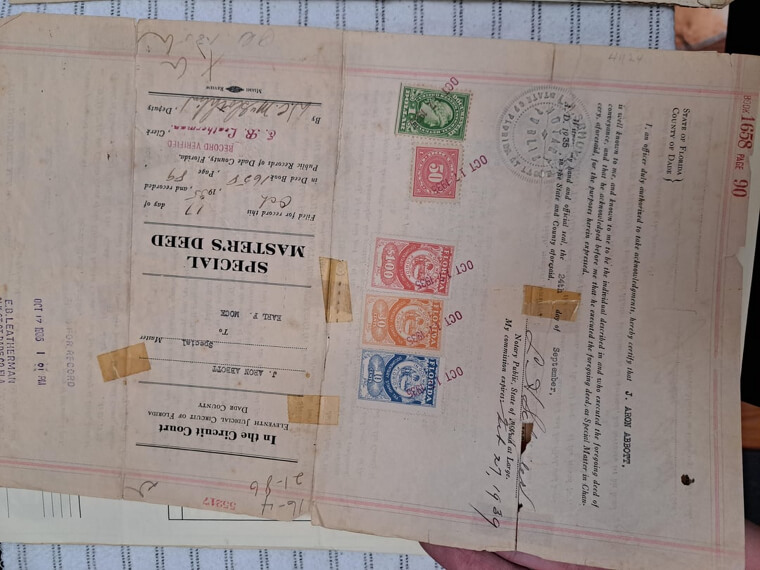
Digital banking may be the norm, but many Boomers still feel a deep need to keep physical copies of every tax return, utility bill, and bank statement from the last thirty years. This behavior stems from a time when a physical receipt was the only proof of purchase or payment. The security of having a "hard copy" in a filing cabinet provides a peace of mind that a digital PDF simply cannot replicate. Even when children offer to scan these documents, the refusal is often firm. The filing cabinet represents an organized life and a defense against potential errors or identity issues. To discard these papers feels like losing control over one's personal history and financial security, regardless of how outdated the information may be.
Holiday Decorations and Ornaments
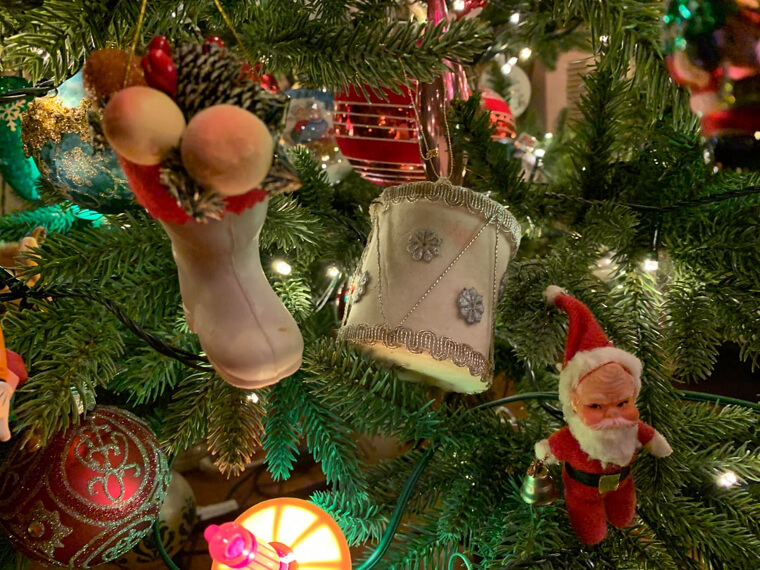
The attic or basement of a Boomer home is almost guaranteed to contain several large bins dedicated to holiday decor. These aren't just generic baubles; they are collections of ornaments gifted by children, handmade crafts from decades ago, and vintage lights that have been carefully re-strung year after year. While a minimalist might prefer a coordinated, modern tree, Boomers prefer the "memory tree" approach. Every item pulled out of the box triggers a specific memory of a year gone by. The refusal to downsize these collections is rooted in the desire to maintain the "magic" of the holidays for their grandchildren, ensuring that the family home remains the central hub for tradition and nostalgic celebration.
Reference Books and Encyclopedias
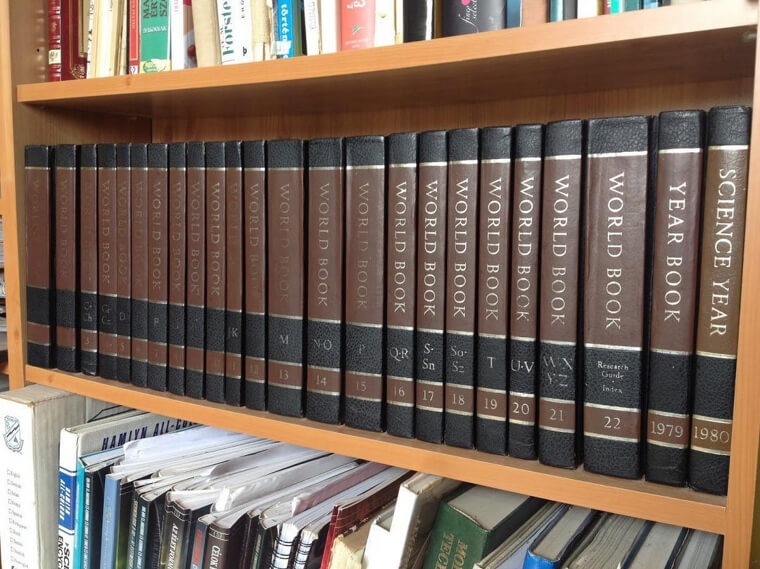
Before Google, the family encyclopedia set was the gateway to the world's knowledge. Many Boomers still have these heavy, leather-bound volumes prominently displayed on their bookshelves. Even though the information inside is decades out of date, the books themselves represent an investment in education and intellectual curiosity. Beyond encyclopedias, large collections of hardback novels and thick cookbooks are common. For this generation, a room without books feels empty and lacking in character. They value the physical presence of knowledge and the ability to pull a book off a shelf to find a recipe or a fact. The aesthetic and intellectual weight of a home library is something they are rarely willing to sacrifice for an e-reader.
Specialty Linens and Lace Doilies
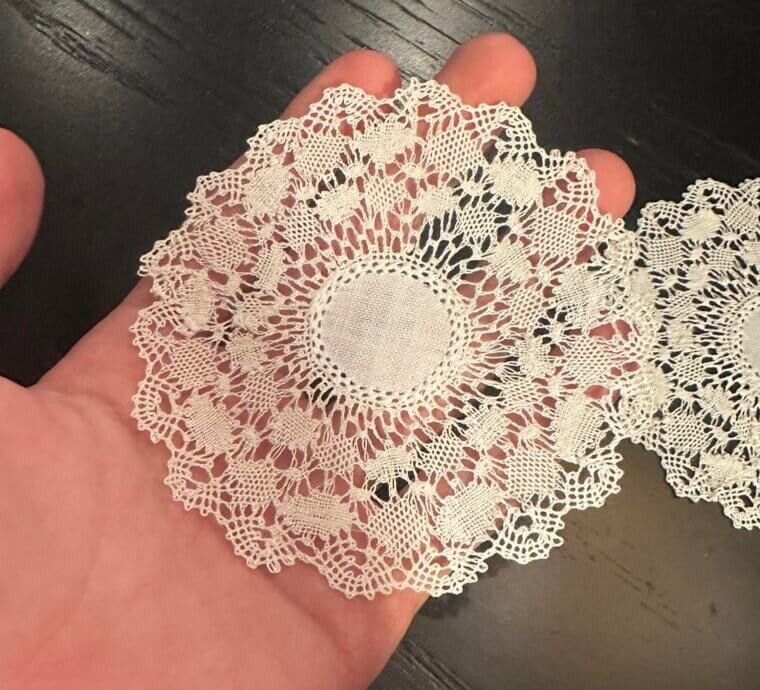
Walk into a Boomer's living room or bedroom and you are likely to find an abundance of textiles. This includes hand-embroidered pillowcases, lace doilies protecting the tops of wooden furniture, and heavy wool blankets. Many of these items were handmade by mothers or grandmothers, representing hours of laborious needlework. While modern interior design favors clean lines and bare surfaces, Boomers find comfort in the "softness" of these layers. They refuse to part with them because they see the artistry involved in their creation. To a Boomer, a doily is not an outdated dust-catcher; it is a piece of art and a tribute to the domestic skills of the women who came before them.
Legacy Silverware and Pewter
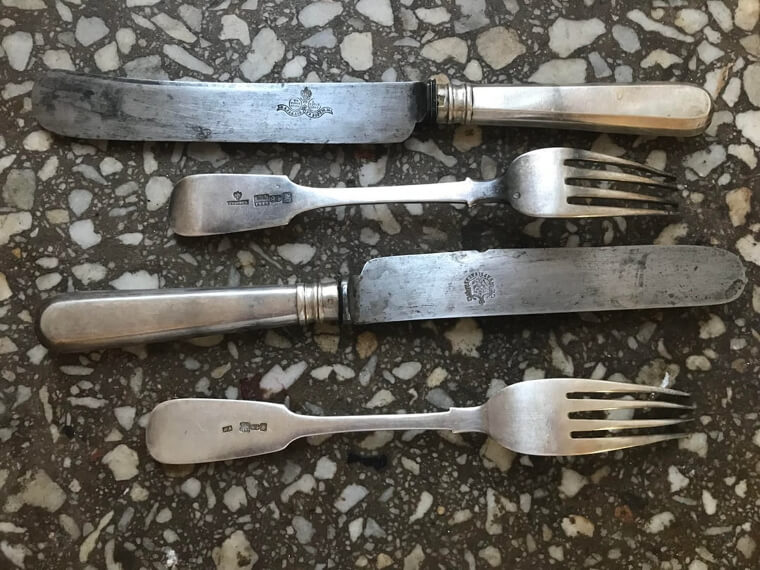
Actual silver cutlery, tea sets, and pewter mugs were once standard wedding gifts that signaled a couple's entry into adulthood. These items require constant polishing to prevent tarnish, a chore that many younger people find baffling. However, Boomers often refuse to part with their silver because it represents "real" value. In their eyes, silver is a precious metal that holds worth even if it is never used. There is also a deep-seated hope that one of their children or grandchildren will eventually want the set for their own home. Even if the silver sits in a velvet-lined chest for twenty years, the thought of selling it for scrap or giving it away feels like a betrayal of the family's legacy and status.
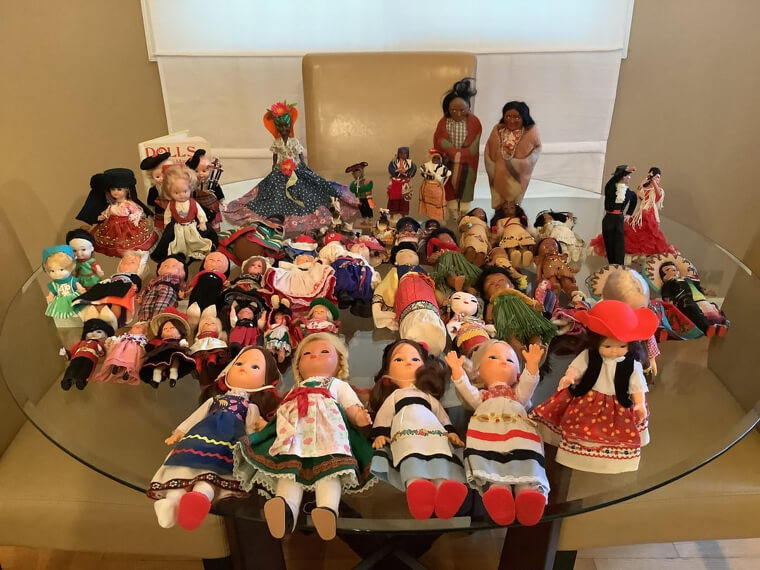
Sentimental Knick-Knacks and Souvenirs
Whether it is a ceramic figurine from a trip to Europe or a seashell collected on a beach in 1984, Boomer homes are often filled with small mementos. These knick-knacks serve as "memory anchors." For a generation that didn't have social media to document every moment, these physical objects are the primary way they recall their travels and experiences. Each item on a mantle or in a curio cabinet has a story attached to it. While it may look like "clutter" to an outsider, to the Boomer, it is a curated museum of their life's journey. Parting with these items feels like erasing the memories themselves, which is why they remain prominently displayed, despite the effort required to keep them dusted and clean.