A Final Farewell to the Analog Age
The rapid pace of technological innovation and shifting social norms have consigned many staples of our childhood to the history books. While nostalgia often brings back fashion trends or retro gaming, some parts of the past are structurally incompatible with the modern world. We live in an era defined by instant gratification, digital connectivity, and extreme efficiency. These advancements have solved many of the inconveniences of the twentieth century, but they have also rendered certain physical objects and shared cultural rituals completely obsolete. The items and habits we once considered permanent parts of daily life have been replaced by sleek glass screens and invisible cloud storage. As we look back at the world we grew up in, it becomes clear that some things are not just resting; they have reached a definitive end. These are the artifacts of a slower, more tactile time that will never find a place in the high-speed landscape of the future.

Physical Phone Books and Yellow Pages
The massive, heavy directories that once sat under every kitchen telephone have vanished from the modern landscape. In the past, looking up a local business or a neighbor's contact information required flipping through hundreds of thin, yellow or white pages. This was a physical ritual of adulthood and youth alike. Today, the internet has made the printed phone book entirely redundant. Search engines provide instant results with maps, reviews, and direct calling links that a paper book could never offer. Environmental concerns also played a huge role in their disappearance, as the massive amount of paper required for citywide distribution became seen as a wasteful practice. While some small towns still produce them, the era of the doorstep delivery of the Yellow Pages is officially over, and it is a product that has no place in a digital-first world.

Dial-Up Internet and the Connection Sound
The specific sequence of screeching and static sounds that defined the early internet era is a memory that modern children will never experience. Getting online used to be a deliberate and noisy process that occupied the entire household phone line. You had to choose between talking to a friend or browsing a very slow version of the web. Modern fiber optic and 5G connections stay active at all times in the background, making the concept of "dialing in" feel like ancient history. The technical limitations that required such a slow and audible connection process have been solved by high-speed infrastructure. Because efficiency is the primary goal of tech companies, there is no reason to ever go back to a system that requires a manual handshake between a modem and a wall jack. The silence of modern high-speed internet is here to stay.

Mail-Order Catalogues and Paper Order Forms
Before the dominance of e-commerce giants like Amazon, shopping from home was a slow, paper-based process. Thick seasonal catalogues from retailers like Sears or J.C. Penney would arrive in the mail, serving as a primary source of entertainment and "wish-listing" for children and adults alike. To buy something, you had to fill out a physical order form by hand, calculate your own shipping and sales tax, and mail it back with a personal check or money order. Then, you waited weeks for the package to arrive. Today, the internet has turned this entire process into a series of instantaneous clicks. Digital storefronts offer real-time inventory updates, automated tax calculations, and overnight shipping that make the paper catalogue feel like an ancient relic. The high cost of printing and mailing thousands of pages of paper is a logistical burden that modern retailers are no longer willing to bear. The era of circling items in a book and waiting by the mailbox for a month is a shopping experience that has been permanently replaced by the digital cart.

Payphones on Every Street Corner
The sight of a silver kiosk with a heavy handset and a coin slot was once a staple of every sidewalk, mall, and gas station. If you were away from home and needed to make a call, you had to hope you had a few quarters or a calling card. The explosion of the mobile phone market rendered payphones obsolete in a remarkably short amount of time. Maintaining these physical stations became a financial burden for telecom companies as revenue dried up. Today, finding a working payphone is nearly impossible in most cities, and many have been converted into Wi-Fi hotspots or digital advertising screens. The convenience of having a private phone in your pocket at all times means that the public payphone will never be a viable business model again. It was a vital utility for the youth of the past that has been completely swallowed by the smartphone revolution.

Manual Film Development and Darkrooms
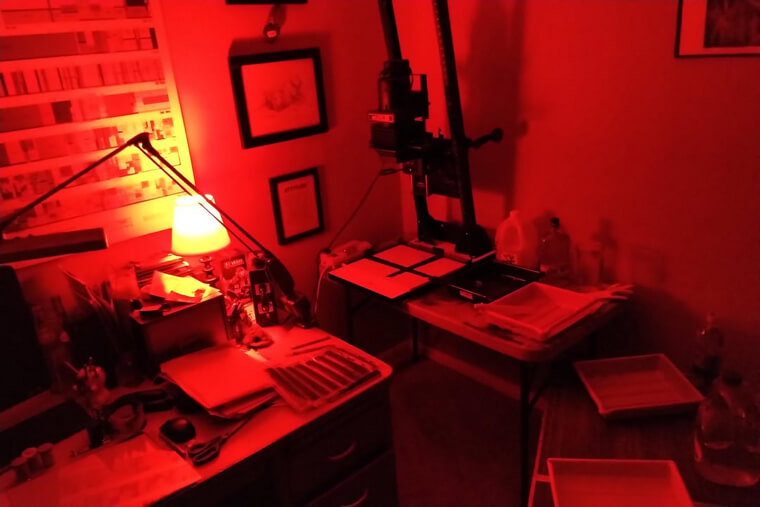
Waiting a week to see if your vacation photos turned out was a common experience for anyone who grew up before the digital camera era. You had to drop off a roll of film at a drugstore or a "One Hour Photo" lab and hope that you didn't accidentally overexpose the shots. Digital photography changed everything by providing instant feedback and unlimited storage. The chemical process of developing film is now a niche hobby for artists and enthusiasts rather than a mainstream necessity. The high cost of chemicals and the environmental impact of disposing of them make large-scale film processing an unlikely candidate for a comeback. While there is a small "vintage" trend for film cameras, it will never return to the level of a household standard. The ease of taking a thousand photos on a phone and sharing them instantly has permanently replaced the roll of 35mm film.
Recording Songs From the Radio Onto Cassettes
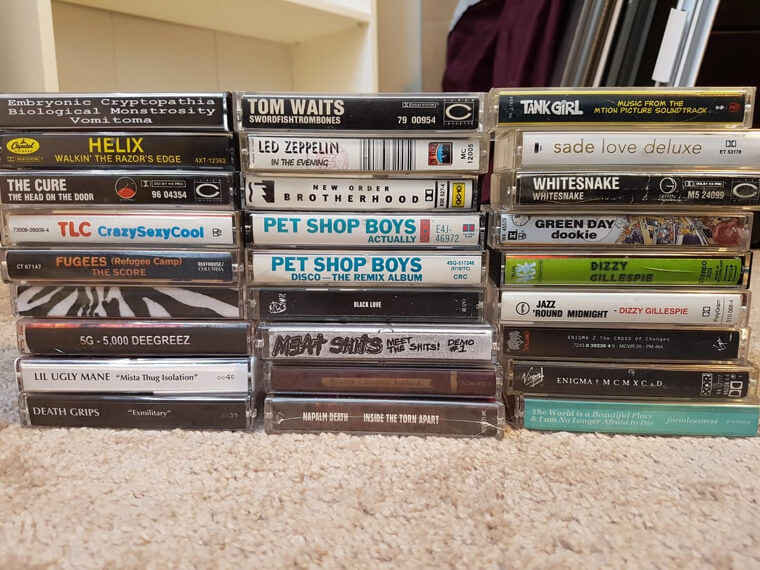
In the era of the cassette tape, building a personal playlist was a labor of love. You had to sit by the radio for hours with your finger hovering over the "record" button, hoping the DJ wouldn't talk over the beginning or end of your favorite song. This was how many people discovered and shared music before the advent of digital downloads and streaming services. Today, every song ever recorded is available for a small monthly fee or for free with ads. The idea of manually timing a recording from a live broadcast is completely foreign to the modern listener. Streaming platforms provide curated playlists and high-fidelity sound that make the low-quality, hiss-filled recording of a cassette feel like a primitive relic. The technical barriers to accessing music have been removed, making the homemade radio mixtape a charming but permanently retired part of our musical history.
Physical Encyclopedia Sets
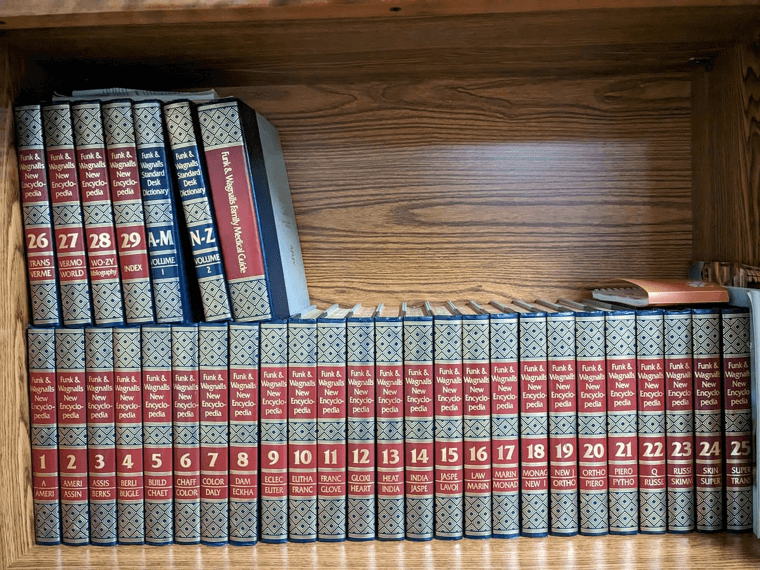
Owning a full set of encyclopedias was once a sign of a household that valued education and knowledge. These leather-bound volumes took up several shelves and were the primary source for school reports and general inquiries. Every few years, a salesperson might come by to sell you the updated edition so your information wouldn't be out of date. Wikipedia and other online databases have made the physical encyclopedia completely irrelevant. A digital search provides more information in a second than a thirty-volume set ever could, and it is updated in real-time as events happen. The cost of printing, shipping, and storing these massive books makes them a logistical nightmare in the modern age. The transition of human knowledge from paper to the cloud is one of the most complete shifts in history, ensuring that the heavy encyclopedia set will never return to our living rooms.
VCRs and Rewinding Movies
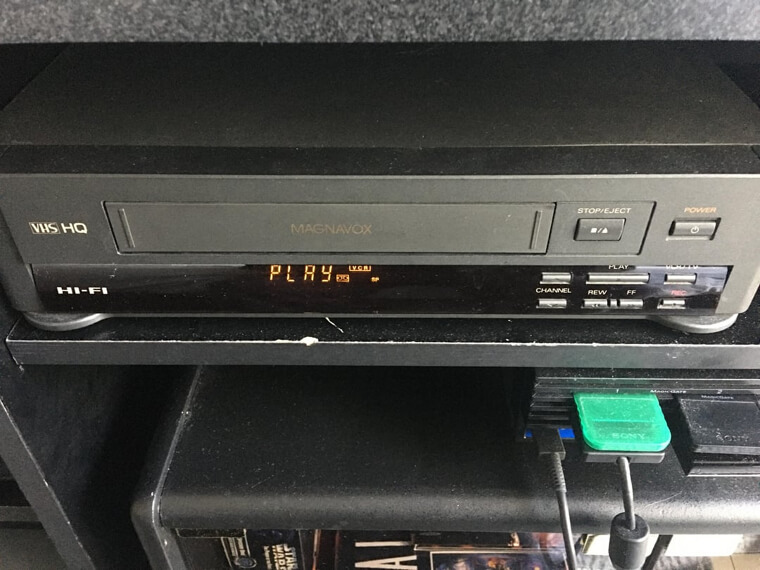
The "Be Kind, Rewind" era of movie rentals was defined by the clunky mechanical process of the VHS tape. Watching a movie meant physical gears turning and the risk of the machine "eating" your favorite film. If you wanted to watch a movie again, you had to wait several minutes for the tape to wind back to the beginning. The transition to DVD and then to streaming removed all physical contact with the media itself. Modern viewers expect a movie to start instantly at the press of a button. The maintenance and repair of the delicate mechanical parts inside a VCR are no longer supported by modern electronics manufacturers. With the superior resolution of 4K video and the convenience of digital libraries, there is no technical or practical reason to return to the world of magnetic tape. The VCR has become a nostalgic museum piece that belongs firmly in the twentieth century.
Printed TV Guides and Newspaper TV Listings
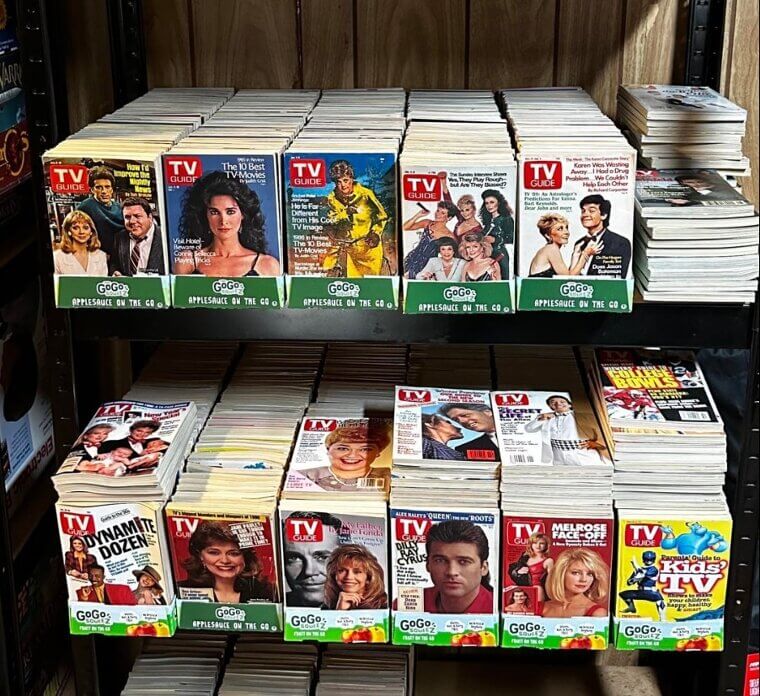
In the era before digital on-screen menus, knowing what was on television required a physical reference. Families across the country relied on a weekly subscription to TV Guide magazine or the thin pull-out section of the Sunday newspaper to plan their viewing. You had to scan small grids of text to find out when your favorite show started or to see if a movie was worth watching. If you lost the guide, you were essentially flying blind, flipping through channels one by one to see what was playing. Today, every smart TV and cable box features an integrated, real-time electronic program guide that provides descriptions, ratings, and even the ability to set recordings with one click. The idea of paying for a printed book to tell you the television schedule is entirely redundant in a world where the information is baked into the screen itself. As the "appointment viewing" model of television continues to fade in favor of streaming, the necessity of a printed schedule has vanished forever, leaving the paper TV Guide as a relic of a more structured media age.