Sit Too Close to the TV
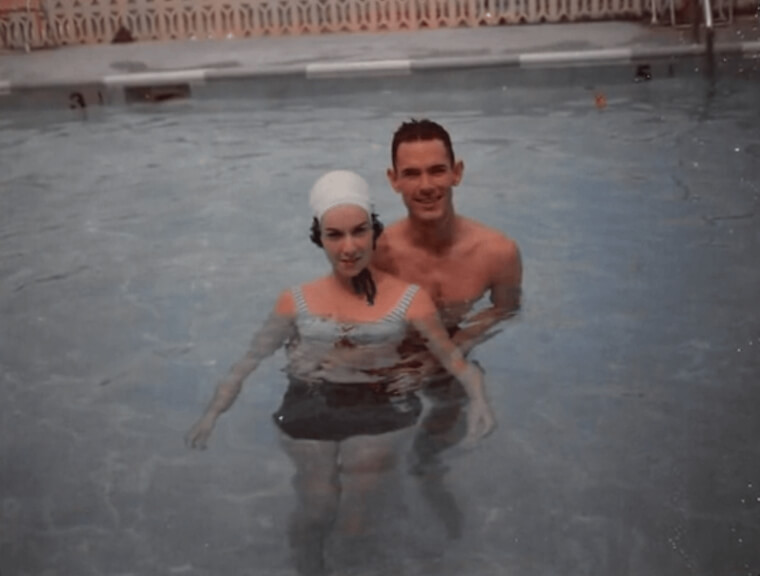
We all heard our parents say that sitting too close to the TV would give us square eyes, but that statement was even more myth than we thought. It can cause temporary eye strain if done too often, but it doesn't cause permanent eye damage.
This fear came from the idea that televisions in the 1960s emitted radiation, which was disproven long before today. Children who regularly sit too close to the TV screen may be nearsighted and need glasses, but it's very unlikely that they will experience any serious harm in the process.
This fear came from the idea that televisions in the 1960s emitted radiation, which was disproven long before today. Children who regularly sit too close to the TV screen may be nearsighted and need glasses, but it's very unlikely that they will experience any serious harm in the process.
Walk Barefoot Outdoors
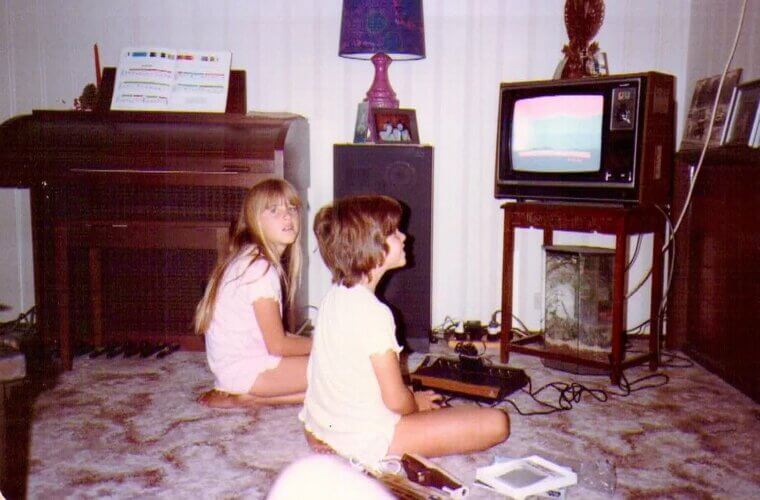
Most people find walking barefoot outside gross, but it's not as bad as most parents made out. In most areas, children are unlikely to step on anything harmful, like nails or glass, so they'll just get a bit dirty. On soft surfaces like grass, going barefoot also allows children to really let loose and enjoy themselves in nature.
Skipping shoes outside can also have some surprising benefits. It can strengthen foot muscles, toughen skin, and improve balance. But it's best done outside of city locations where the ground is more likely to be littered with potentially hazardous objects.
Skipping shoes outside can also have some surprising benefits. It can strengthen foot muscles, toughen skin, and improve balance. But it's best done outside of city locations where the ground is more likely to be littered with potentially hazardous objects.

Read in the Dark
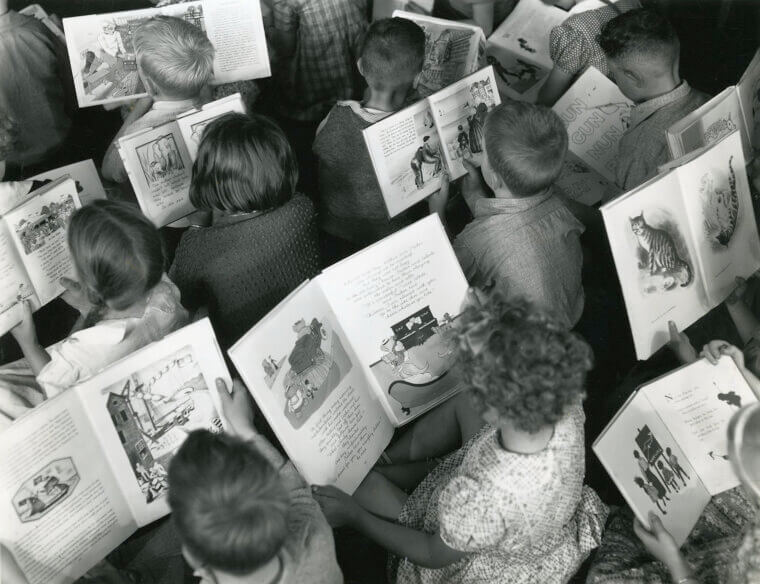
This is another misconception that stems from the idea that straining your eyes will cause permanent damage, but it's completely overblown. Reading in the dark isn't recommended because it may strain eye muscles, but squinting to follow the words isn't a major cause for concern.
It's better to have at least dim lighting to reduce the risk of headaches and fatigue, but children won't do any lasting damage to themselves by reading in the dark once or twice. Hopefully the experience encourages them to read more, preferably during the day!
It's better to have at least dim lighting to reduce the risk of headaches and fatigue, but children won't do any lasting damage to themselves by reading in the dark once or twice. Hopefully the experience encourages them to read more, preferably during the day!
Sip Coffee
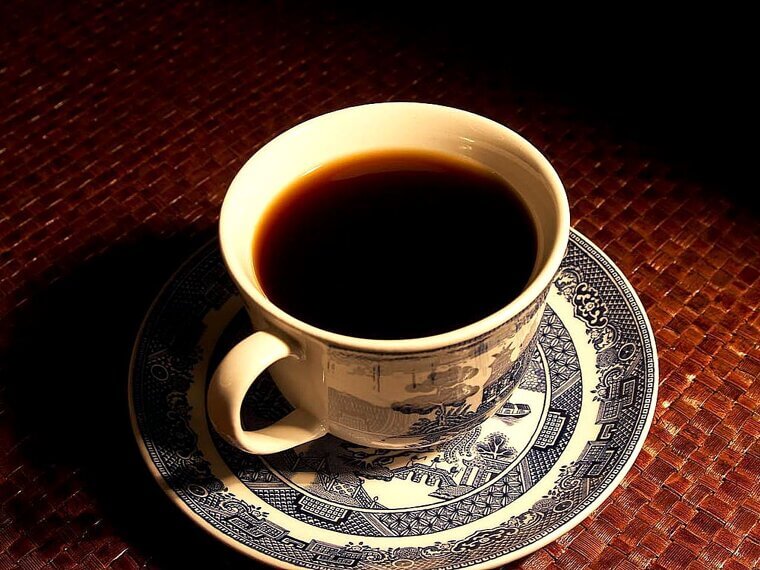
Kids shouldn't drink whole mugs of coffee because the caffeine isn't ideal for their growing bodies, but a little sip won't kill them. Many parents refuse to introduce coffee until their children are adults due to fears about them ingesting even the smallest amount of caffeine.
It shouldn't be done regularly, but giving a child a sip of milky coffee is unlikely to have any adverse effects on them. Some kids may try it and hate it, while others may become more open to trying new things. It'll probably also make them feel more grown-up.
It shouldn't be done regularly, but giving a child a sip of milky coffee is unlikely to have any adverse effects on them. Some kids may try it and hate it, while others may become more open to trying new things. It'll probably also make them feel more grown-up.
Go Out Without a Jacket
Going out without a jacket when your parents told you to wear one is almost a rite of passage for children. But while it may feel uncomfortable in cold temperatures, there’s no cause for alarm. After all, the cold doesn't cause illnesses; viruses and germs do.
If you're already sick, you should wrap up to insulate your immune system, but our parents were overreacting when they insisted we needed jackets for even the slightest chill. Going without one now and again may help to build up some defence against the cold.
If you're already sick, you should wrap up to insulate your immune system, but our parents were overreacting when they insisted we needed jackets for even the slightest chill. Going without one now and again may help to build up some defence against the cold.
Sleep in Some Days
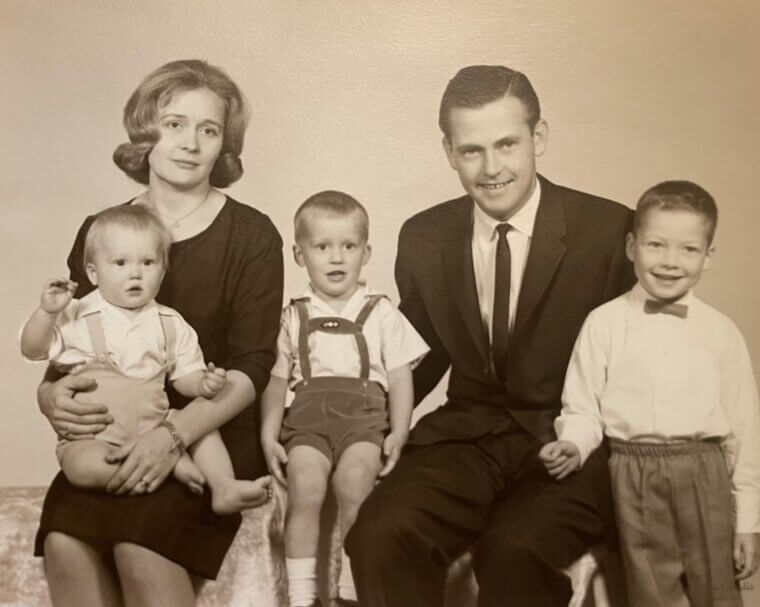
Routines are good, and early mornings are often unavoidable, but most people like to sleep in some days. Our parents loved to wake us up early because they were worried we'd become lazy, but the occasional lie-in can actually have refreshing benefits and compensate for fatigue after school and other activities.
Sleeping in on some days doesn't ruin long-term sleep schedules either. Many parents worry about their kids becoming couch potatoes who only want to stay in bed, but fail to see when they need some extra rest to properly take on the day.
Sleeping in on some days doesn't ruin long-term sleep schedules either. Many parents worry about their kids becoming couch potatoes who only want to stay in bed, but fail to see when they need some extra rest to properly take on the day.
Eat Dessert Before Dinner
This is one thing we were never allowed to do, but not because it was harmful! Eating dessert after dinner was more about curbing sugar cravings, maintaining strict eating routines, and making sure children actually finished their meal first. Dessert was often used as a reward for finishing your food.
As adults, we don't keep those same strict routines from childhood, so eating dessert before dinner feels like a treat. Most people eat three meals a day, making the occasional early dessert a welcome treat that turns us all into children again.
As adults, we don't keep those same strict routines from childhood, so eating dessert before dinner feels like a treat. Most people eat three meals a day, making the occasional early dessert a welcome treat that turns us all into children again.
Sit on the Floor
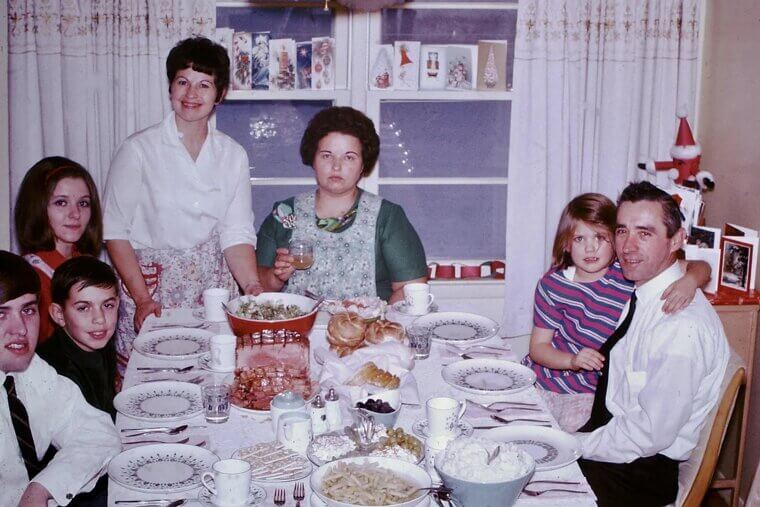
It would kill our knees and backs now, but sitting on the floor as children never bothered us. So why were parents so insistent that we sit on chairs? It was partly due to concerns about getting dirty, partly due to fears of bad posture, and partly due to promoting good etiquette.
But sitting on the floor was a classic part of childhood. Whether it was in reading circles at school, while playing games with friends, or sprawling out at home, most kids are happy to sit on the floor, even if it flouts traditional manners.
But sitting on the floor was a classic part of childhood. Whether it was in reading circles at school, while playing games with friends, or sprawling out at home, most kids are happy to sit on the floor, even if it flouts traditional manners.
Skip Showers Occasionally
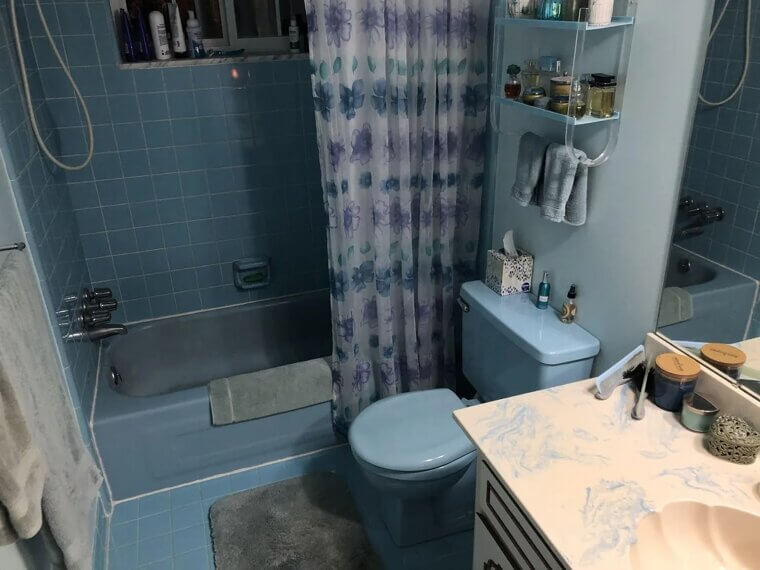
Showering is something we should all do once a day, but most kids would rather be doing something else. Parents have always been strict about regular showers, but skipping one or two won't do any harm to health or hygiene in the long run. In fact, younger children may only need to bathe a few times a week.
After puberty, daily showers are the best course of action, but skipping one isn't a big deal, especially if you're not going out. Our parents definitely taught us good hygiene habits, but they were stricter than we grew up to be.
After puberty, daily showers are the best course of action, but skipping one isn't a big deal, especially if you're not going out. Our parents definitely taught us good hygiene habits, but they were stricter than we grew up to be.
Play in the Rain
As children, the only thing worse than going out in the cold was going out in the rain. At least, according to our parents! But playing in the rain has some surprising benefits that they weren't aware of. The air is cleaner, the sound of falling rain is calming, and it encourages a greater connection with nature.
Letting kids play out in the rain is a special experience that they should be allowed to enjoy. Getting wet also doesn't make you sick, so there's no harm in staying out in the rain once in a while.
Letting kids play out in the rain is a special experience that they should be allowed to enjoy. Getting wet also doesn't make you sick, so there's no harm in staying out in the rain once in a while.
Stand Close to the Microwave
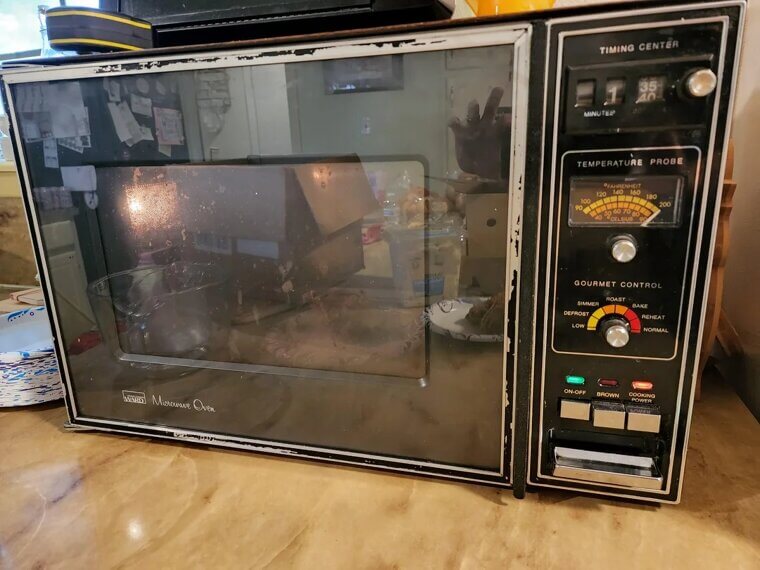
We were all taught in school that microwaves are full of radiation, but it's a common misconception that standing too close to one causes harm. That's why our parents never let us do it, even though we were all fascinated by pressing our faces against the microwave door and watching the plate spin around inside.
While it's best not to do it often, modern microwave ovens are designed with safety features, so the radiation won't do any lasting damage. In fact, many also use non-ionizing radiation, so the risk of harm is even lower. We definitely didn't obtain any long-term damage from it!
While it's best not to do it often, modern microwave ovens are designed with safety features, so the radiation won't do any lasting damage. In fact, many also use non-ionizing radiation, so the risk of harm is even lower. We definitely didn't obtain any long-term damage from it!
Swallow Gum
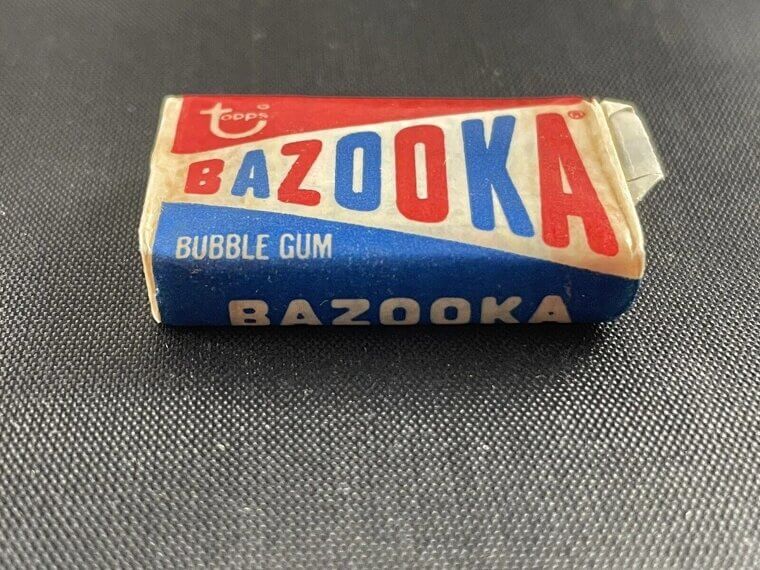
We wouldn't recommend making it a regular snack, but it’s time to put those gum-swallowing rumors to bed. The body can't digest it, but it usually passes through fine and then gets excreted a few days later. Swallowing large amounts of gum in a small amount of time may cause an intestinal blockage, but it's not a big deal otherwise.
Our parents regularly made out that swallowing gum was a huge health concern, but those fears were overblown by pop culture and widespread misconceptions. So if you ever swallowed a piece by mistake, you've got no reason to worry.
Our parents regularly made out that swallowing gum was a huge health concern, but those fears were overblown by pop culture and widespread misconceptions. So if you ever swallowed a piece by mistake, you've got no reason to worry.
Skip Wearing Socks
Parents are obsessed with children wearing socks from the day they're born, but are they really necessary? Apparently not! Socks keep feet clean and warm when walking around without shoes inside, but children aren’t going to freeze or get sick if they skip wearing them.
Going barefoot indoors also encourages good balance and posture as kids grow. If they live in a warm, clean home, there’s no reason to cover their feet if they don’t want to. It’s a contentious debate, but socks aren’t a consistent necessity.
Going barefoot indoors also encourages good balance and posture as kids grow. If they live in a warm, clean home, there’s no reason to cover their feet if they don’t want to. It’s a contentious debate, but socks aren’t a consistent necessity.
Touch Bugs
We all remember being fascinated by bugs when we were young, until our parents freaked out any time we touched one. But children aren’t as fragile as people think, and getting up close with bugs could be the thing that teaches them important lessons in empathy. A little bit of dirt is nothing that can’t be washed off.
Parental supervision is recommended when young children are exploring outdoors, but that’s just to keep them away from wasps and other potentially harmful bugs. Otherwise, kids should be encouraged to engage with nature.
Parental supervision is recommended when young children are exploring outdoors, but that’s just to keep them away from wasps and other potentially harmful bugs. Otherwise, kids should be encouraged to engage with nature.
Eat Before Swimming
Our parents always prevented us from swimming after eating because of the age-old myth that you must wait 30-60 minutes for health and safety reasons. However, there is no evidence that eating before swimming causes fatigue or any other inhibitor which may increase the risk of drowning.
Eating a big meal may increase the risk of a stomach cramp, or cause very young children to get sick, but snacking before swimming is perfectly fine. A small amount of food may even give kids more energy in the pool, so it’s not something to worry about.
Eating a big meal may increase the risk of a stomach cramp, or cause very young children to get sick, but snacking before swimming is perfectly fine. A small amount of food may even give kids more energy in the pool, so it’s not something to worry about.