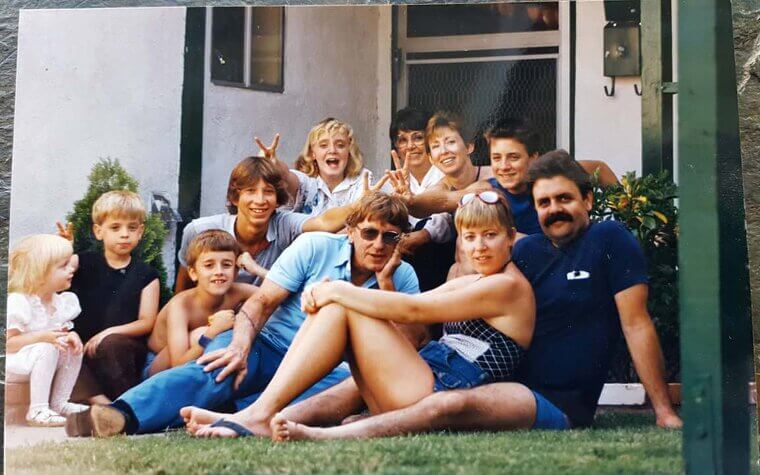
Schools Focused on Basics and Clear Expectations
School was often stricter, but it was simpler in its goals. Reading, writing, math, and handwriting drills were treated as foundational, not optional. Classrooms had chalkboards, overhead projectors, and rows of desks that squeaked when you shifted. Teachers demanded attention because there were fewer built-in distractions, and parents generally supported them.
Homework existed, but it didn’t always swallow the evening. Expectations were clear, and that clarity helped kids understand what was required and where they stood without the drama of endless testing. Daily academic life pretty much revolved around chalkboards, brown-bag lunches, and those wooden gym benches.
Homework existed, but it didn’t always swallow the evening. Expectations were clear, and that clarity helped kids understand what was required and where they stood without the drama of endless testing. Daily academic life pretty much revolved around chalkboards, brown-bag lunches, and those wooden gym benches.
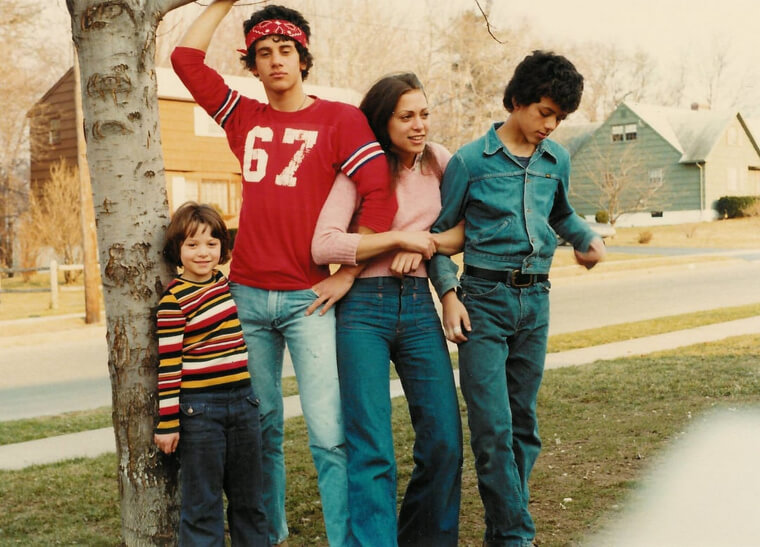
Neighborhoods Where Everyone Knew Each Other
In the 1970s, a neighborhood felt like a small town even inside a big city. People sat on front steps, washed cars in driveways, and waved at anyone passing by. Kids bounced between houses without a text or a schedule because everyone knew whose parents worked late and whose mom kept snacks on hand.
If someone’s porch light burned out, a neighbor noticed. If a grocery bag ripped, somebody helped. Familiar faces created safety, and the steady, casual contact made it harder for anyone to disappear unnoticed. The presence of porch swings, chain-link fences, and numerous bicycles contributed to a rather conventional scene.
If someone’s porch light burned out, a neighbor noticed. If a grocery bag ripped, somebody helped. Familiar faces created safety, and the steady, casual contact made it harder for anyone to disappear unnoticed. The presence of porch swings, chain-link fences, and numerous bicycles contributed to a rather conventional scene.
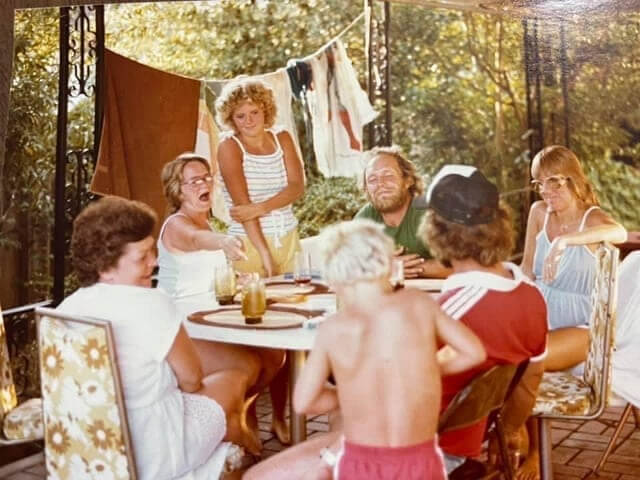
Kids Playing Outside Until the Streetlights Came On
The streetlight was the universal curfew, and every kid understood it without needing to be told twice. Bikes piled onto lawns, jump ropes snapped against pavement, and rubber balls rolled into storm drains with dramatic grief. Children settled arguments face-to-face, learned what scraped knees felt like, and figured out how to make fun out of nothing.
Parents trusted the block, the older kids, and the fact that someone’s aunt was usually watching from a window. That freedom built resilience, because kids practiced problem-solving daily without constant adult intervention. Chalk hopscotch squares and driveway basketball hoops filled the summer air.
Parents trusted the block, the older kids, and the fact that someone’s aunt was usually watching from a window. That freedom built resilience, because kids practiced problem-solving daily without constant adult intervention. Chalk hopscotch squares and driveway basketball hoops filled the summer air.
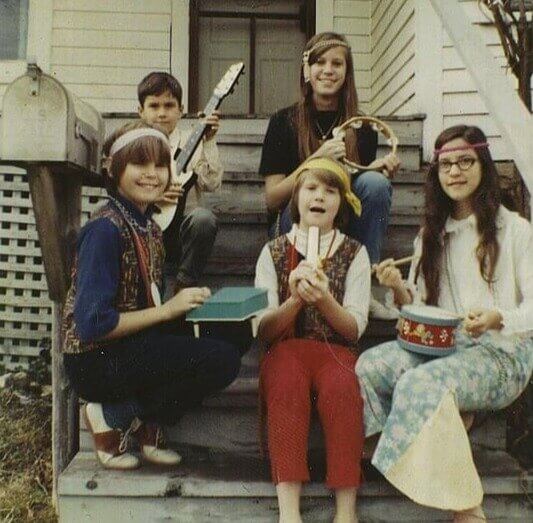
Saturday Morning Cartoons and Cereal Rituals
Saturday mornings had a rhythm: pajamas, a loud TV, and a bowl of cereal big enough to count as a meal. Cartoons were appointment viewing, which made them feel like an event instead of background noise. Kids argued over channels, traded spots on the carpet, and listened for theme songs like they were national anthems.
Commercials turned into catchphrases by Monday. It was cheap entertainment that felt huge, and it created shared memories because everybody watched the same lineup at the same time. Plastic cereal toys and TV trays felt like small Saturday treasures.
Commercials turned into catchphrases by Monday. It was cheap entertainment that felt huge, and it created shared memories because everybody watched the same lineup at the same time. Plastic cereal toys and TV trays felt like small Saturday treasures.
Radio in the Kitchen and Music in the Living Room
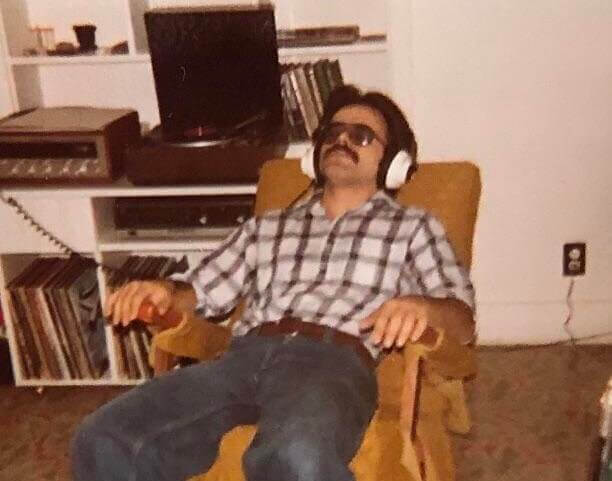
Music wasn’t a private bubble; it was part of the house. A radio played in the kitchen while dinner cooked, and a record player sat in the living room like a piece of furniture. People flipped albums, cleaned the needle, and listened from start to finish. Songs didn’t arrive as endless skips and shuffles. They came with cover art, liner notes, and the thrill of finding a track nobody talked about.
Music felt shared, and that shared sound made a home feel alive. Posters, lava lamps, and record sleeves turned rooms into personal worlds.
Music felt shared, and that shared sound made a home feel alive. Posters, lava lamps, and record sleeves turned rooms into personal worlds.
Film Cameras, Printed Photos, and Real Photo Albums
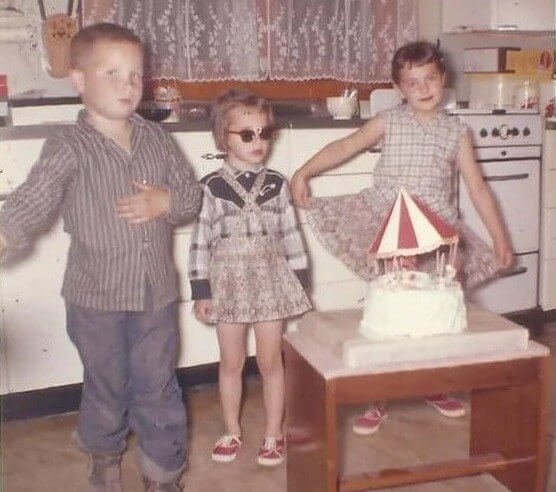
Photos were physical, limited, and more meaningful because of that. A roll of film meant you chose moments carefully, then waited days to see if anyone blinked. Families kept shoeboxes of prints and thick albums with sticky pages and plastic overlays. Kids pulled them out on holidays and pointed at haircuts like they were museum pieces.
You didn’t take twenty versions of the same shot. You took one, wrote a date on the back, and stayed present without worrying about filters, captions, or likes. Flashbulbs, Polaroids, and handwritten captions made memories feel physical and real.
You didn’t take twenty versions of the same shot. You took one, wrote a date on the back, and stayed present without worrying about filters, captions, or likes. Flashbulbs, Polaroids, and handwritten captions made memories feel physical and real.
Dinners at the Table and Simple Weeknight Meals
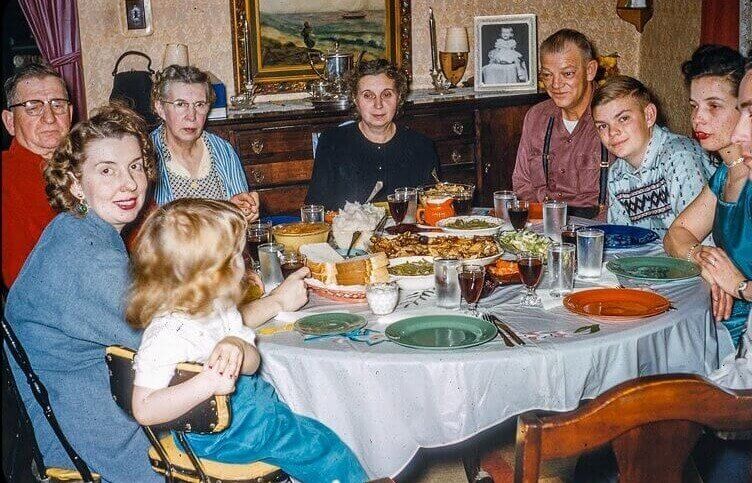
Weeknight dinners were predictable, and that predictability created comfort. Meatloaf, spaghetti, chicken and rice, or whatever was cheap and filling, showed up around the same time each evening. People ate together because there weren’t a hundred distractions pulling everyone into separate rooms. The table not only hosted stories, teasing, and the occasional lecture, but it also created routine.
Even though the cuisine was simple, the time that was spent together provided a sense of stability. A simple meal served as a daily reset, keeping families steady and connected. Salt shakers and casserole dishes were everywhere on every kitchen counter, always!
Even though the cuisine was simple, the time that was spent together provided a sense of stability. A simple meal served as a daily reset, keeping families steady and connected. Salt shakers and casserole dishes were everywhere on every kitchen counter, always!
Shopping Malls as Weekend Hangouts
Back in the 1970’s malls were more of a social stage rather than just retail. Teenagers walked in packs, parents pushed strollers, and older couples did laps for exercise. The atrium featured benches, plants, and sometimes a fountain that sounded like a small waterfall. You could window shop, people-watch, and run into classmates without planning it.
Record stores, bookstores, and arcades pulled people in even if they didn’t buy anything. The mall transformed an ordinary Saturday into a pleasant outing and gave local communities a shared indoor place to gather. Orange-tinted skylights, tiled floors, and arcade cabinets clearly defined the mall look.
Record stores, bookstores, and arcades pulled people in even if they didn’t buy anything. The mall transformed an ordinary Saturday into a pleasant outing and gave local communities a shared indoor place to gather. Orange-tinted skylights, tiled floors, and arcade cabinets clearly defined the mall look.
Corner Stores and Small Businesses With Familiar Faces
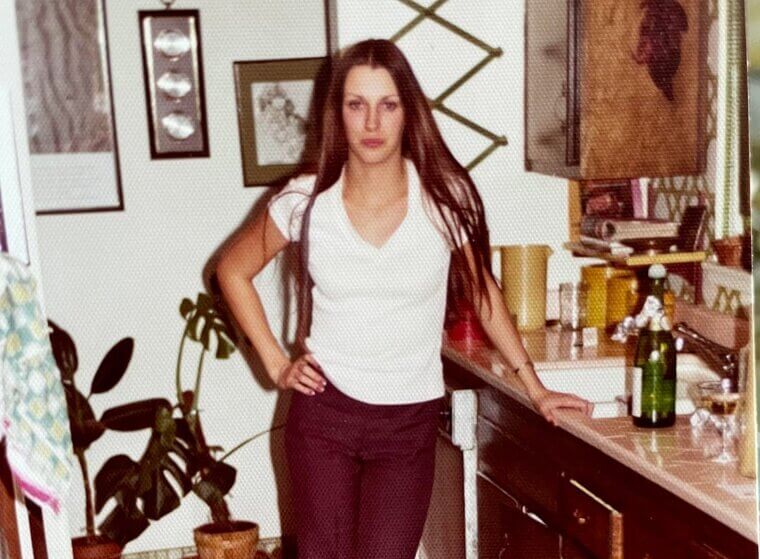
Before big-box convenience took over, local shops were highly significant. Corner stores, diners, hardware stores, and small pharmacies often had owners who knew regulars by name. Establishments such as corner stores, diners, hardware stores, and independent pharmacies frequently had proprietors who recognized regular customers by name. A cashier might set aside your favorite candy, and a mechanic might explain a strange engine sound without rushing.
Those relationships made errands feel less transactional. Even when prices weren’t the lowest, people trusted the person behind the counter. That trust reduced stress and made communities feel tighter, because the same faces showed up week after week. You knew the local shop by the notes they wrote out for your purchase and the glass bottles the sodas came in.
Those relationships made errands feel less transactional. Even when prices weren’t the lowest, people trusted the person behind the counter. That trust reduced stress and made communities feel tighter, because the same faces showed up week after week. You knew the local shop by the notes they wrote out for your purchase and the glass bottles the sodas came in.
Cars With Bench Seats and No Screens
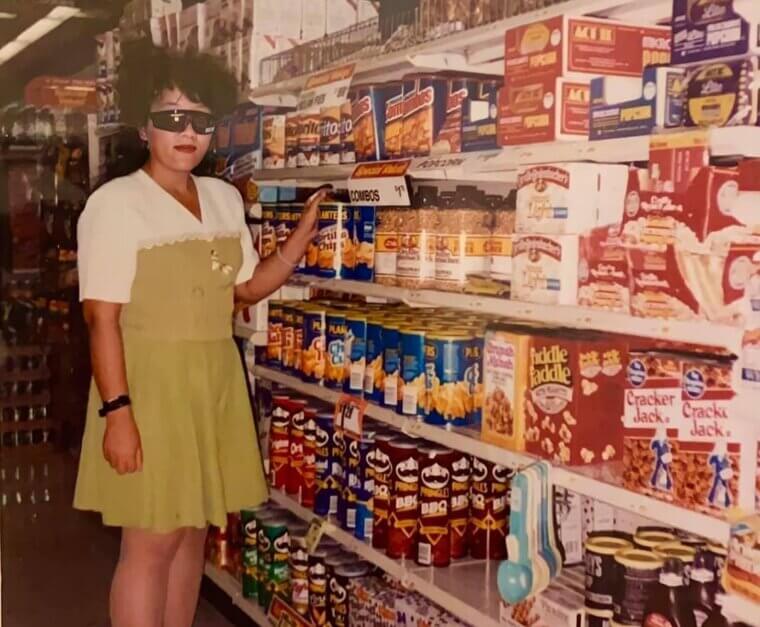
Cars looked and felt different inside. Bench seats let families slide across like it was a living room couch, and a big steering wheel sat in front of a simple dashboard. There were no touchscreens demanding attention, no app updates, and no constant beeping.
Most of the entertainment came from a radio, an 8-track player, and the continuous sound of driving. Road trips meant talking, singing, and staring out windows. The car was transportation, not another digital room that needed to be managed, updated, and monitored. Every ride had that unmistakable old-school vibe: vinyl seats, crank windows, and an AM radio.
Most of the entertainment came from a radio, an 8-track player, and the continuous sound of driving. Road trips meant talking, singing, and staring out windows. The car was transportation, not another digital room that needed to be managed, updated, and monitored. Every ride had that unmistakable old-school vibe: vinyl seats, crank windows, and an AM radio.
Home Repairs Done With Toolboxes and Patience
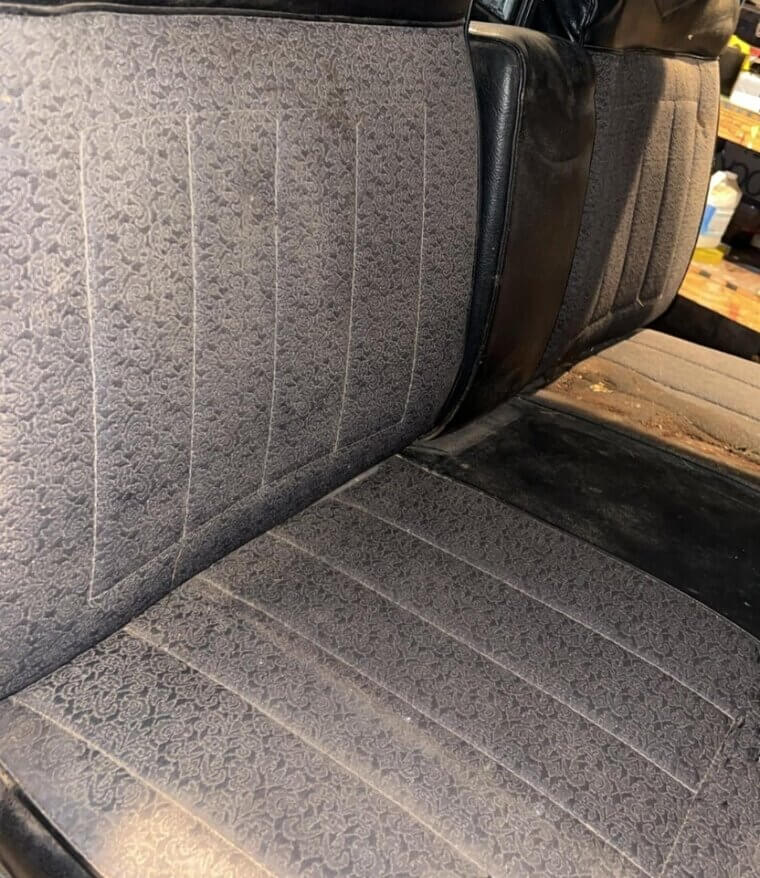
When something broke, the default response was often, “Let’s try to fix it.” Toolboxes were often stored in closets or garages, and weekend projects were normal. People replaced faucet washers, patched screens, and tightened loose cabinet doors without watching a tutorial first. The work wasn’t always pretty, but the attitude mattered.
Repairing things created the sense that problems were solvable. It also kept homes from filling up with constant replacements and packaging. You learned patience, basic skills, and the pride that comes from making something work again with your own hands.
Repairing things created the sense that problems were solvable. It also kept homes from filling up with constant replacements and packaging. You learned patience, basic skills, and the pride that comes from making something work again with your own hands.
Paper Maps, Road Atlases, and Asking for Directions
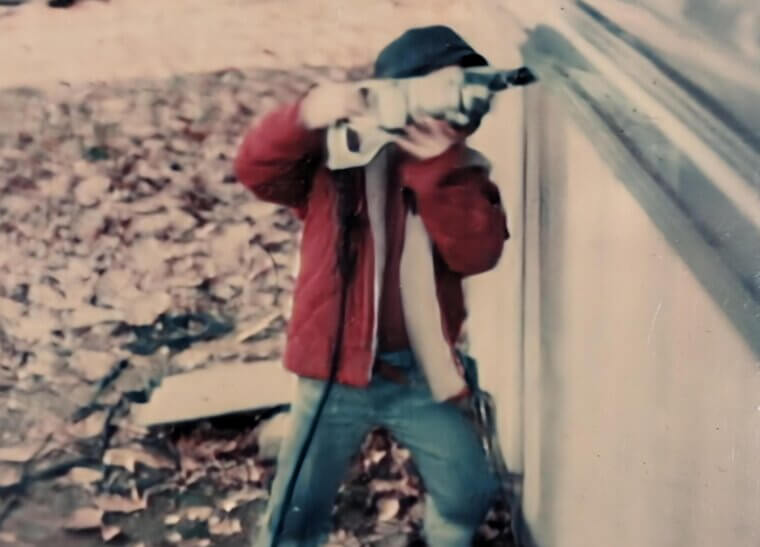
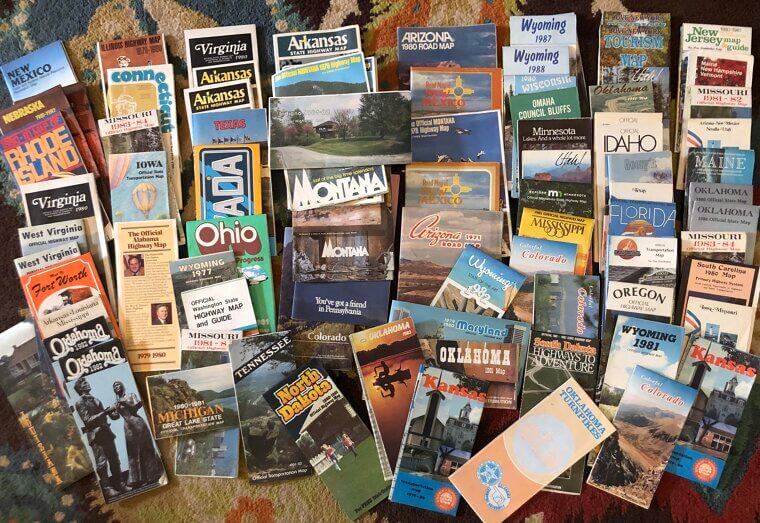
Getting somewhere required planning, not passive GPS trust. Road trips were a whole group thing back then. People navigated with those big, folded maps, grabbed food at random diners, and totally relied on directions from the gas station attendants. Even when they messed up, it was just part of the fun and became a story they all shared.
Confusion happened out loud, and people were usually cool about jumping in to help sort things out without making you feel dumb. Folded maps, roadside diners, and gas-station directions shaped long drives together.
Confusion happened out loud, and people were usually cool about jumping in to help sort things out without making you feel dumb. Folded maps, roadside diners, and gas-station directions shaped long drives together.
News at Set Times Instead of Constant Alerts
Information had a schedule. Many households watched the evening news at a specific hour and read a newspaper that arrived once a day. That rhythm meant you could stay informed without being constantly agitated. Stories had time to settle before the next wave came. Without nonstop notifications, it was easier to hold a conversation without someone interrupting to check a headline. People still cared about what happened, but they weren’t forced to carry the world’s emergencies in their pockets from breakfast to bedtime. Newspapers on doorsteps and living-room news anchors set the daily mood.
Weekend Fun Built Around Parks and Backyards
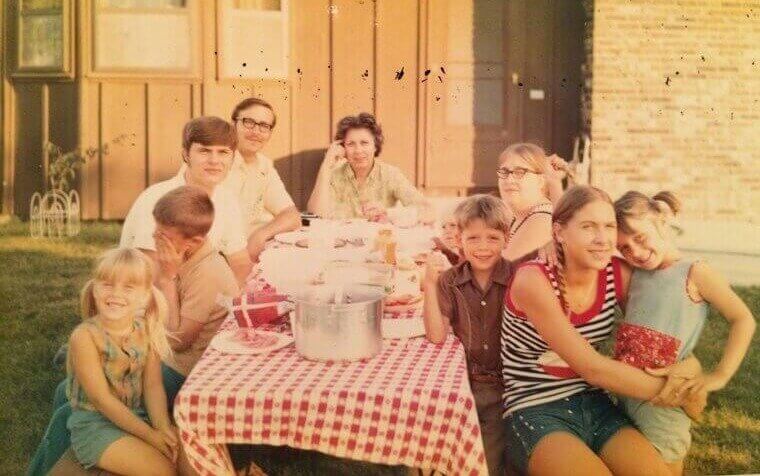
Weekend fun didn’t require tickets, reservations, or subscriptions. Families went to local parks, grilled in backyards, or showed up at block parties where folding chairs lined the street. Kids played tag while adults talked over coolers and picnic tables. Someone brought a boombox, and someone else brought a camera; the whole thing felt spontaneous, even if it happened every summer.
Being outside was normal, not a wellness trend. The stories told at those casual get-togethers weren't meant to be broadcast; they were just personal memories shared with family and friends. The streets essentially became friendly community spots, simply set up with picnic tables, coolers, and some folding chairs.
Being outside was normal, not a wellness trend. The stories told at those casual get-togethers weren't meant to be broadcast; they were just personal memories shared with family and friends. The streets essentially became friendly community spots, simply set up with picnic tables, coolers, and some folding chairs.
Evenings Spent on Front Porches and Backyards
In the 1970s, evenings didn’t disappear into screens. After dinner, people sat on front porches, lawn chairs, or picnic tables in the backyard. Neighbors wandered over. Kids played tag in the fading light. Adults discussed work, the weather, and nothing in particular while holding iced tea or beer cans. Nobody was rushing anywhere.
These slow evenings created natural pauses in the day. There was no pressure to be productive or entertained. Sitting still was enough. That kind of downtime allowed conversations to linger and relationships to deepen.
These slow evenings created natural pauses in the day. There was no pressure to be productive or entertained. Sitting still was enough. That kind of downtime allowed conversations to linger and relationships to deepen.