Feeling Guilty About Resting
Rest was something you earned, not something you needed. No one ever said it was okay to sit down without being exhausted first. Productivity was tied to worth.
So even now, relaxing can feel uncomfortable. There’s always something that could be done instead. Sitting still feels lazy, even when everything is handled. That voice never really went away because no one ever told them rest wasn’t something you had to justify. Many older adults still feel a pull to stay busy, even when their bodies ask for a break. Downtime can trigger guilt instead of relief, as if resting needs an explanation. Leisure becomes something to rush through rather than enjoy. The habit sticks because it was taught quietly and reinforced for years.
So even now, relaxing can feel uncomfortable. There’s always something that could be done instead. Sitting still feels lazy, even when everything is handled. That voice never really went away because no one ever told them rest wasn’t something you had to justify. Many older adults still feel a pull to stay busy, even when their bodies ask for a break. Downtime can trigger guilt instead of relief, as if resting needs an explanation. Leisure becomes something to rush through rather than enjoy. The habit sticks because it was taught quietly and reinforced for years.

Saving Every Single Plastic Container
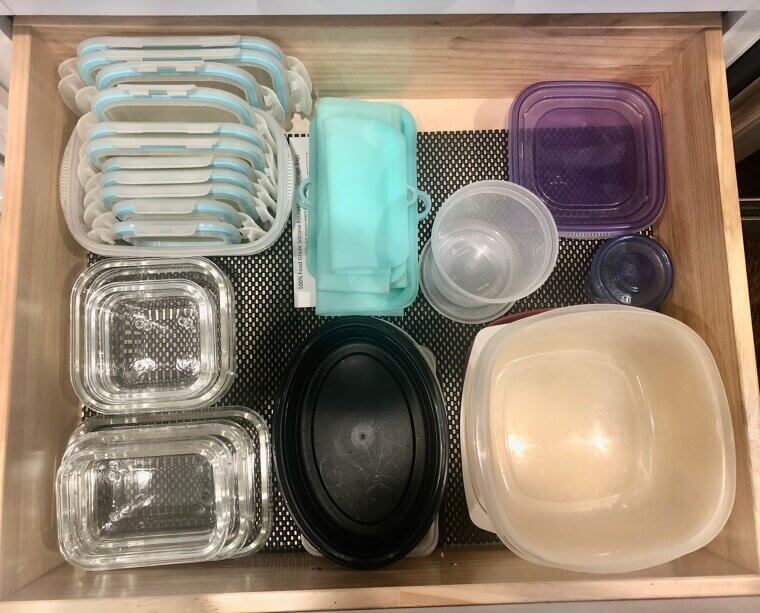
They learned as children not to throw away things that could possibly be reused in the future. So, they washed and kept containers used for yogurt, margarine, and take-out food. Nobody told them about the degradation of plastic containers, which occurs over time, nor did they know about the staining and warping of plastic containers.
Today, they have racks and racks of lids that do not match anything, and the food tastes like last week's leftovers. They're not being intentionally wasteful. They were just taught that throwing away a perfectly good container was irresponsible.
Today, they have racks and racks of lids that do not match anything, and the food tastes like last week's leftovers. They're not being intentionally wasteful. They were just taught that throwing away a perfectly good container was irresponsible.
Overcooking Meat “Just to Be Safe”
Food safety rules were stricter and vaguer back then. As a result, most meats were cooked until there was no question they were properly cooked, making dry chicken and overcooked pork quite common. Nobody explained internal temperatures or modern refrigeration.
They are not trying to ruin dinner; they just want to ensure everyone at the table is safe. If you have been taught that undercooked meat might cause you to get sick, it is hard to eat meat that is pink and juicy. Even when guidelines change, that way of thinking continues to exist.
They are not trying to ruin dinner; they just want to ensure everyone at the table is safe. If you have been taught that undercooked meat might cause you to get sick, it is hard to eat meat that is pink and juicy. Even when guidelines change, that way of thinking continues to exist.

Writing Down Everything on Paper
Passwords, appointments, phone numbers, directions, and several other things were all put on paper. No one ever told them that digital storage offers a safer, more searchable, and backed-up version. To them, paper has always been trustworthy, and it's not subject to crashing due to a technical glitch.
For them, it feels familiar and comforting, and makes them think that whatever was written down can't change. The habit of taking notes still remains, even if half of the notes get lost. Writing things down once meant you were organized, and that lesson never really expired for them.
For them, it feels familiar and comforting, and makes them think that whatever was written down can't change. The habit of taking notes still remains, even if half of the notes get lost. Writing things down once meant you were organized, and that lesson never really expired for them.

Keeping Clothes “Just in Case”
That jacket they've had since 1989 still fits theoretically. Those pants? Those will be back in style someday. Nobody told older adults that bodies change, and trends do not always come back the way we think they will.
They were taught to care for clothing and make it last. So, throwing things out felt wasteful, even if they were never worn again. Their closets slowly fill with items saved for a future that may never come. It’s not hoarding, but rather optimism mixed with old lessons about scarcity.
They were taught to care for clothing and make it last. So, throwing things out felt wasteful, even if they were never worn again. Their closets slowly fill with items saved for a future that may never come. It’s not hoarding, but rather optimism mixed with old lessons about scarcity.

Answering the Phone No Matter What
Older people are used to picking up the phone every time it rings. It was the rule. Nobody warned them about robocalls, scams, or spoofed numbers. If your phone was ringing, it meant someone needed your help and you had to answer it.
Ignoring a ringing phone seems disrespectful or risky. Many fear that the situation may be urgent and the person calling may need help. Even when experience proves otherwise, the habit stays. They weren’t told not to answer their phone when it rings; they were taught it was their responsibility.
Ignoring a ringing phone seems disrespectful or risky. Many fear that the situation may be urgent and the person calling may need help. Even when experience proves otherwise, the habit stays. They weren’t told not to answer their phone when it rings; they were taught it was their responsibility.

Finishing Everyone’s Leftovers
They grew up hearing that food waste was a moral failure. So if something is on the plate, it gets eaten. Doesn’t matter if they’re full or not hungry anymore. They weren't told that it’s okay to stop when your body says stop.
They eventually got used to doing this. Leftovers become an obligation, not an option. It’s not about hunger anymore. It’s about responsibility. Even now, throwing food away feels wrong, even if it’s clearly past its prime or no one actually wants it.
They eventually got used to doing this. Leftovers become an obligation, not an option. It’s not about hunger anymore. It’s about responsibility. Even now, throwing food away feels wrong, even if it’s clearly past its prime or no one actually wants it.
Keeping Every Instruction Manual
Many older people have a collection of manuals in the kitchen drawer for a reason. Growing up, they were told they might need those manuals at some point. It’s now possible to search for manuals online in a matter of seconds, but many older people don’t know this or don’t want to.
To many, throwing a manual away seems so irresponsible. If something breaks or you forget how to operate the appliance, having the manual handy makes things easier. Even if the appliance is long gone, the manual stays. This mindset has remained unchanged.
To many, throwing a manual away seems so irresponsible. If something breaks or you forget how to operate the appliance, having the manual handy makes things easier. Even if the appliance is long gone, the manual stays. This mindset has remained unchanged.

Keeping the Thermostat Way Too Low or Too High
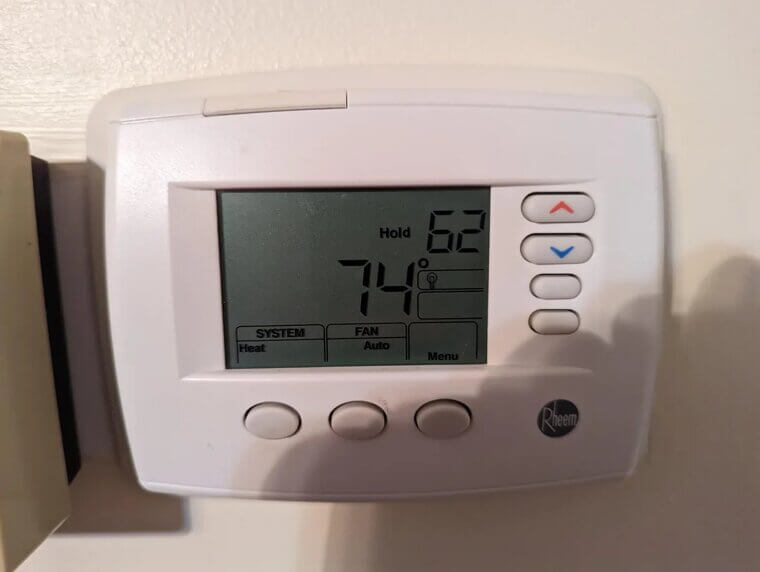
They were taught that adjusting the thermostat costs serious money instantly. So once it’s set, it stays there. Too cold in winter or too hot in summer? Grab a sweater or a fan. No one explained how modern HVAC systems are more efficient.
Touching the thermostat still feels dangerous, like you’re doing something reckless. Comfort was secondary to saving money. Even when energy costs are different now, the habit remains. Suffering quietly just feels normal.
Touching the thermostat still feels dangerous, like you’re doing something reckless. Comfort was secondary to saving money. Even when energy costs are different now, the habit remains. Suffering quietly just feels normal.
Not Questioning Authority Figures
Older adults believe that authority figures should not be questioned. If doctors, bosses, or officials said it, you listened with no questions asked. Asking follow-up questions or respectfully disagreeing with an authority figure was not encouraged and seen as disrespectful or risky.
So even now, they don't feel completely comfortable disagreeing with someone when their advice makes little sense or doesn't fit into their values. They have personal opinions, but they learned early that compliance kept things smooth. Speaking up wasn’t modeled or rewarded, so the habit of staying quiet stuck.
So even now, they don't feel completely comfortable disagreeing with someone when their advice makes little sense or doesn't fit into their values. They have personal opinions, but they learned early that compliance kept things smooth. Speaking up wasn’t modeled or rewarded, so the habit of staying quiet stuck.

Fixing Things That Should Probably Be Replaced
If something broke, you repaired it with anything you could find. Whether it was tape, glue, or spare parts, you made it work. Nobody ever talked about planned obsolescence or that some modern items were not designed to be repaired safely.
They sometimes spend countless hours trying to patch something that could easily be replaced at an affordable price. They weren't even trying to be stubborn; they just had their pride to keep. Repairing something meant you're competent, while discarding it felt like failure. Even though it would be easier to make a safe and simple replacement, fixing it still seems like the right thing to do.
They sometimes spend countless hours trying to patch something that could easily be replaced at an affordable price. They weren't even trying to be stubborn; they just had their pride to keep. Repairing something meant you're competent, while discarding it felt like failure. Even though it would be easier to make a safe and simple replacement, fixing it still seems like the right thing to do.
Printing Things That Don’t Need to Be Printed
If it’s important, it gets printed. This includes tickets, directions, and confirmation emails. Paper feels safer because once upon a time, it was. No one ever explained that digital copies don’t just disappear anymore.
Older people see phones as fragile, but they see printed paper as durable. As a result, they accumulate numerous printed pages that they only used once. They learned that having a physical copy meant you were prepared. Even when technology improves, that sense of security is hard to let go of.
Older people see phones as fragile, but they see printed paper as durable. As a result, they accumulate numerous printed pages that they only used once. They learned that having a physical copy meant you were prepared. Even when technology improves, that sense of security is hard to let go of.

Avoiding Online Banking and Payments
Money used to be something you could physically hold and track. Writing checks and balancing accounts by hand was normal. They don't know about encryption, fraud protection, or how online banking can actually be safer.
Digital payments feel risky and vague. They wonder where the money went and who can see it. Writing a check feels controlled and familiar. Even when systems improve, the habit sticks. If you weren’t taught how it works, avoiding it feels smarter than trusting something invisible.
Digital payments feel risky and vague. They wonder where the money went and who can see it. Writing a check feels controlled and familiar. Even when systems improve, the habit sticks. If you weren’t taught how it works, avoiding it feels smarter than trusting something invisible.

Sitting Through Discomfort Instead of Speaking Up
Rather than complaining when an environment is uncomfortable, they often try their best to just put up with the discomfort. For instance, would quietly endure bad seats, loud restaurants, or even wrong orders. No one encouraged politely asking for changes, so they feel it's rude or embarrassing to make a fuss.
Instead of speaking up and asking for changes, they adapt. Even when fixing the issue would be easy, silence feels safer. It’s not that they don’t notice. They just learned early that comfort wasn’t something you asked for. You dealt with it and moved on.
Instead of speaking up and asking for changes, they adapt. Even when fixing the issue would be easy, silence feels safer. It’s not that they don’t notice. They just learned early that comfort wasn’t something you asked for. You dealt with it and moved on.

Assuming New Things Are Complicated Until Proven Otherwise
New technology, apps, products, and systems are assumed to be complicated. Many older people have never been walked through the learning curve or been encouraged to experiment and make mistakes while learning.
So, their default is hesitation. They wait for directions or avoid new things completely. It's not that they lack the capability to use them, but they lack reassurance. When you’ve not been taught that learning can be uncomfortable at the beginning, confusion feels like failure. Unfortunately, this belief sticks longer than it should.
So, their default is hesitation. They wait for directions or avoid new things completely. It's not that they lack the capability to use them, but they lack reassurance. When you’ve not been taught that learning can be uncomfortable at the beginning, confusion feels like failure. Unfortunately, this belief sticks longer than it should.