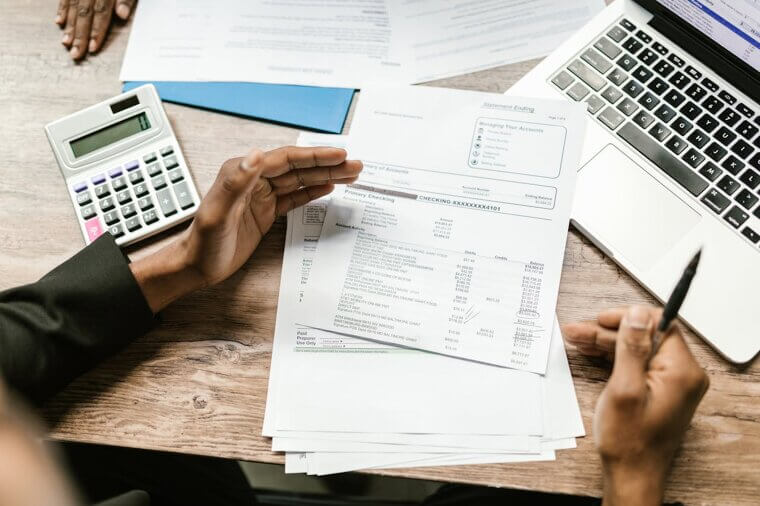
Saving Glass Jars Forever
A good glass jar with a solid lid is too useful to throw away. You can store leftovers, dry goods, screws, buttons, or anything else that needs a container. They don't stain, they don't hold smells, and they last forever if you don't drop them. Buying plastic storage containers when you've got perfectly good jars sitting around makes no sense. Jars from spaghetti sauce or pickles work just as well as anything from the store. They stack neatly, you can see what's inside, and they cost nothing. Reusing what you already have instead of buying more is just smart.
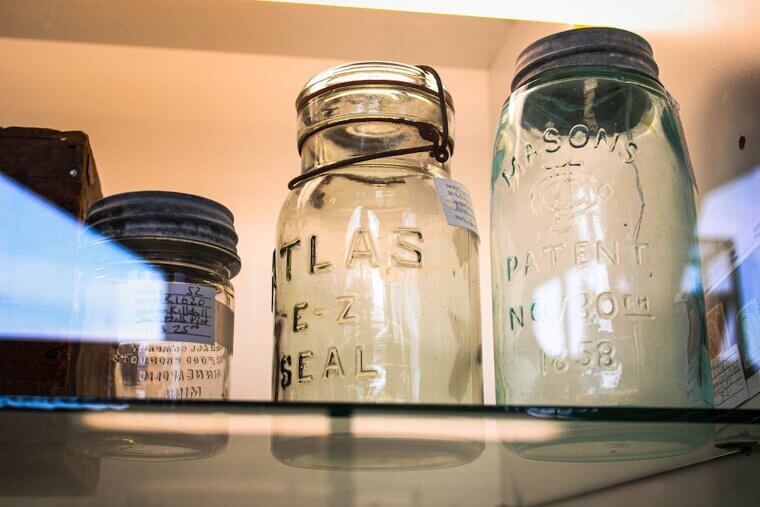
Keeping Paper Maps Handy
A folded paper map in the glove compartment might seem outdated, but it's saved plenty of people when their phone died or lost signal. GPS is convenient until you're driving through mountains or rural areas where coverage drops out completely. Paper maps don't need batteries, updates, or a data connection. They give you the whole picture at once instead of just the next turn. You can mark routes, circle landmarks, and see alternate roads without zooming in and out on a tiny screen. When your phone's navigation freezes or sends you down a dead-end road, that old map becomes the smartest thing in the car.
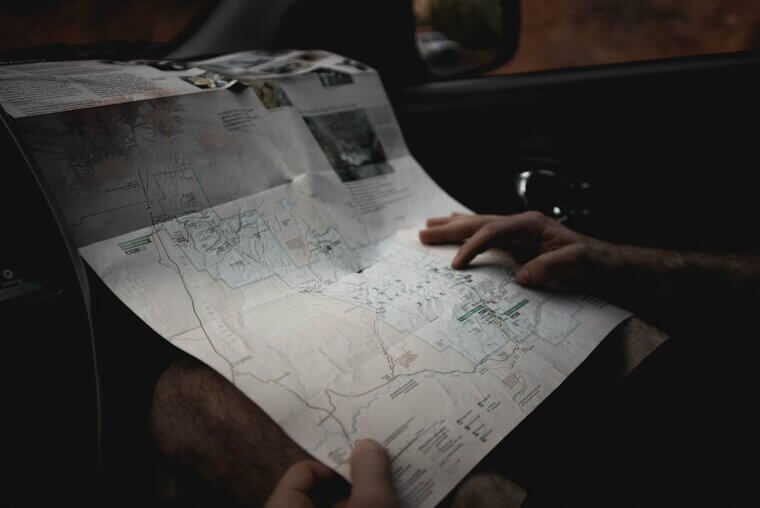
Writing Thank You Notes
Taking the time to write a thank you note by hand shows respect that a quick text just can't match. It means you sat down, thought about what to say, and made the effort to mail it. People remember receiving handwritten notes because they're rare now. A card on someone's counter or tucked in a drawer carries more weight than a message that disappears into a phone screen. It's not about being old-fashioned. It's about making someone feel genuinely appreciated. The habit comes from a time when people valued thoughtfulness over speed, and that value hasn't changed even if the world has.
Mending Clothes Instead Tossing
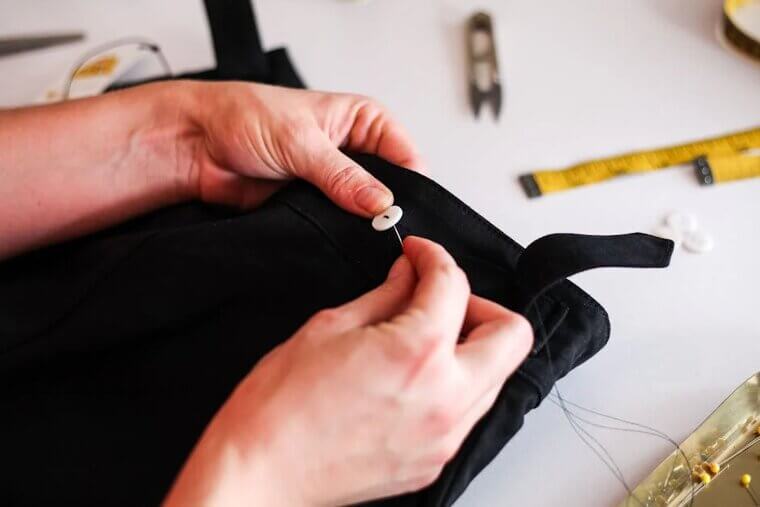
Sewing a button back on or patching a small tear takes a few minutes and saves a perfectly good piece of clothing. Tossing something just because of a minor fix makes no sense when you've got thread and a needle. Older adults grew up fixing things instead of replacing them, and that mindset kept wardrobes lasting for years. A pair of jeans with a patched knee still keeps you warm. A shirt with a replaced button still looks fine. Learning basic mending meant you didn't waste money or throw away quality items over something simple. That kind of practicality never stops being useful.
Using Cash for Purchases
Paying with cash keeps spending real and visible in a way that swiping a card doesn't. When you hand over bills, you feel the money leaving your wallet. You see exactly how much you have left. It's harder to overspend when you're counting out dollars instead of tapping plastic. Cash also works everywhere, no matter if the card reader is broken or the system is down. You don't have to worry about fraud, skimmers, or someone hacking your account. For everyday purchases like coffee or groceries, cash keeps things simple and keeps you honest about what you're actually spending.

Using Actual Alarm Clocks
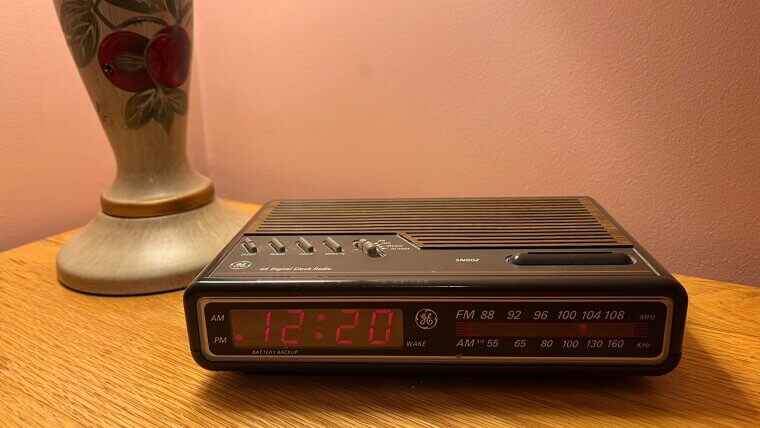
A plug-in alarm clock does one job and does it without fail. It doesn't run out of battery overnight. It doesn't get silenced by accident when you're half asleep. It doesn't distract you with notifications, emails, or the temptation to scroll before bed. Using your phone as an alarm means keeping it on the nightstand, which makes it harder to resist checking it first thing in the morning or last thing at night. A real alarm clock sits across the room, gets you out of bed, and keeps your sleep routine simple. That's worth the five dollars it costs.
Checking Oil Before Trips
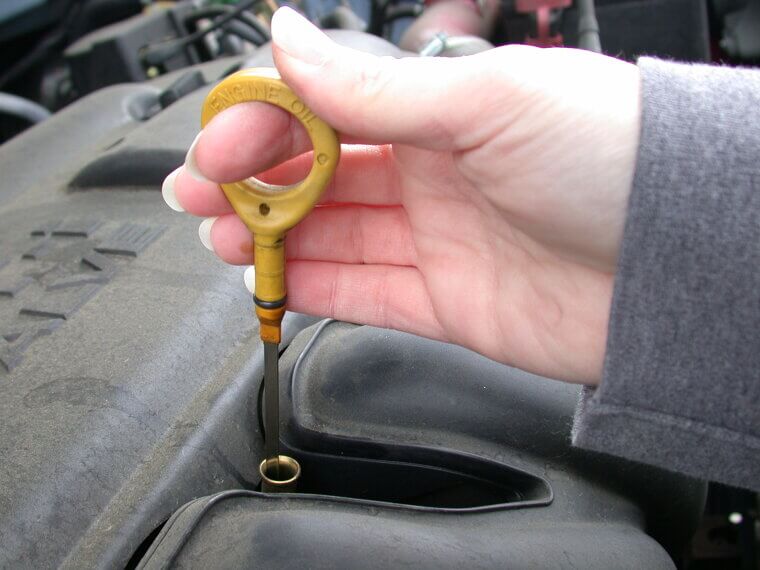
Checking your oil before a long drive takes two minutes and can save you from a breakdown on the highway. Engines need oil to run smoothly, and running low can wreck the motor fast. Older adults learned to pop the hood and check the dipstick because cars didn't always warn you when levels dropped. Even with modern dashboard lights, it's still smart to look for yourself. Oil leaks happen. Levels drop between changes. Catching it early means you add a quart instead of calling a tow truck. Regular maintenance like oil changes, tire rotations, and brake checks keeps your car running longer and prevents expensive repairs. A car that's maintained on schedule can last 200,000 miles or more. It's a habit that comes from knowing how much a repair costs when you ignore the basics.
Reading Instruction Manuals First
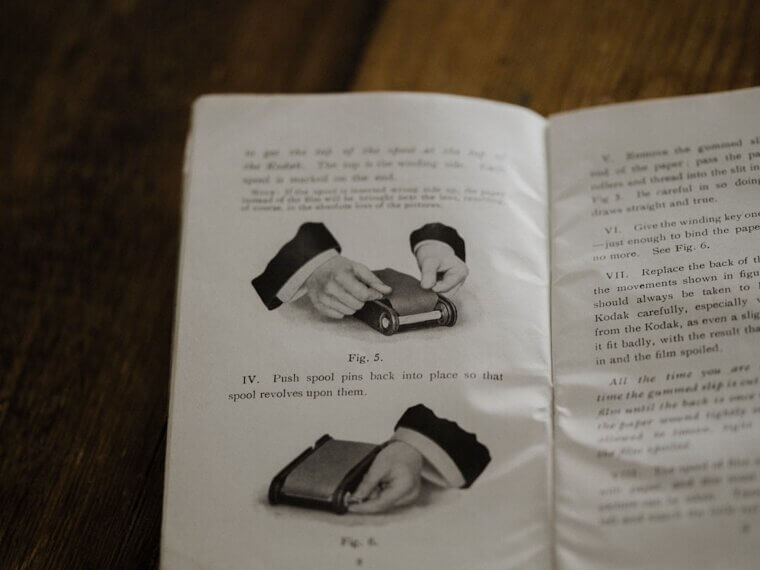
Reading the manual before using something new prevents mistakes and helps you understand what the thing actually does. Manuals explain settings, safety warnings, and features you might not figure out on your own. Skipping straight to trial and error wastes time and sometimes breaks the product. Whether it's a new appliance, a power tool, or even a medication, the instructions are there for a reason. Companies wrote them so you'd use the product correctly and get the results you paid for. Taking ten minutes to read through it means you won't be guessing or looking up fixes online later.
Keeping Emergency Contact Lists
A list of important phone numbers written on paper and kept somewhere easy to find is a lifeline when technology fails. If your battery dies, your phone breaks, or the power goes out, you still need to reach family, your doctor, or emergency contacts. Relying entirely on a device that can fail leaves you stuck. A written list in a drawer, your wallet, or posted on the fridge gives you a backup that works every time. It also helps if someone else needs to make calls on your behalf during an emergency. Some folks keep a landline for the same reason—it works when cell towers are overloaded and doesn't need charging. Keeping that information in more than one place just makes sense.
Making Grocery Shopping Lists
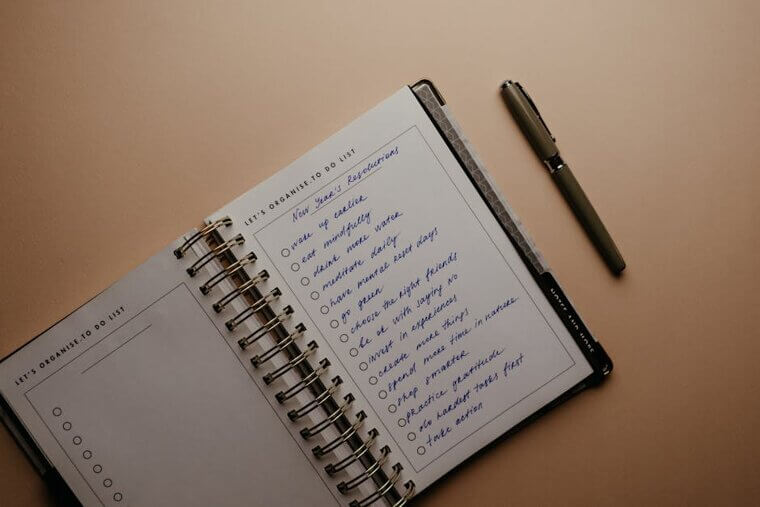
Walking into a grocery store with a written list keeps you focused and saves money. It's easy to forget items or grab things you don't need when you're wandering the aisles trying to remember what you came for. A list keeps you on track and cuts down on impulse buys. You also spend less time in the store, which means fewer chances to pick up extras. Writing it down before you leave means you've thought through your meals and what you actually need. It's a small step that makes shopping faster, cheaper, and way less stressful.

Carrying Spare House Keys
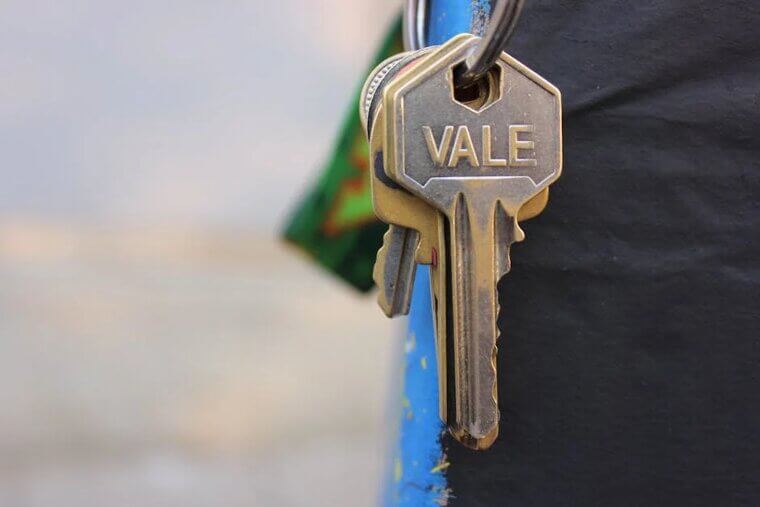
Locking yourself out happens to everyone eventually, and having a spare key hidden or with a trusted neighbor saves you from calling a locksmith. A spare key costs nothing to make and solves a problem that can ruin your whole day. Whether it's buried in the yard, tucked in your wallet, or left with someone nearby, it's insurance against a frustrating mistake. Relying on smart locks or apps is fine until the battery dies or the system glitches. A physical key always works. Keeping one somewhere safe is just planning ahead for the inevitable.
Keeping First Aid Kits
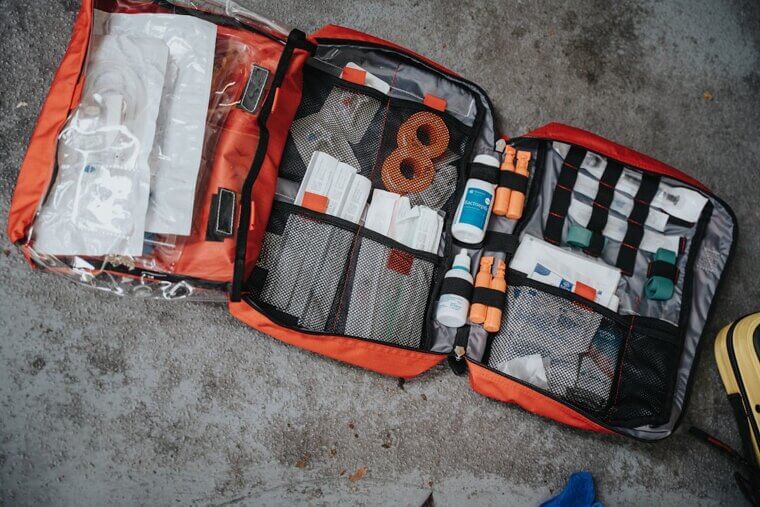
A well-stocked first aid kit handles cuts, burns, sprains, and a dozen other minor injuries without a trip to the store or the emergency room. Bandages, antiseptic, pain relievers, tweezers, and gauze cover most of what you'll need at home. Keeping it in one spot means you're not hunting through drawers when someone's bleeding or in pain. First aid kits also come in handy during power outages, storms, or any situation where getting to a pharmacy isn't easy. It's one of those things you don't think about until you need it, and then you're really glad it's there.
Storing Important Documents Safely
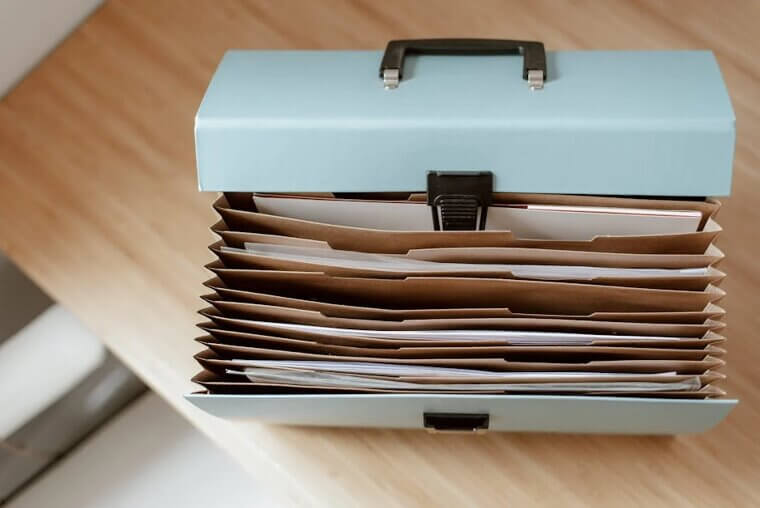
Birth certificates, social security cards, insurance policies, and property deeds belong in a fireproof safe or a locked filing cabinet, not scattered in random drawers. Losing these documents creates headaches that take weeks or months to fix. If your house floods, burns, or gets broken into, you want those papers protected. Keeping them organized also means you can find what you need when you need it, whether it's tax time or an insurance claim. Digital copies are helpful, but the originals still matter for legal purposes. Treating important documents with care is just protecting yourself.
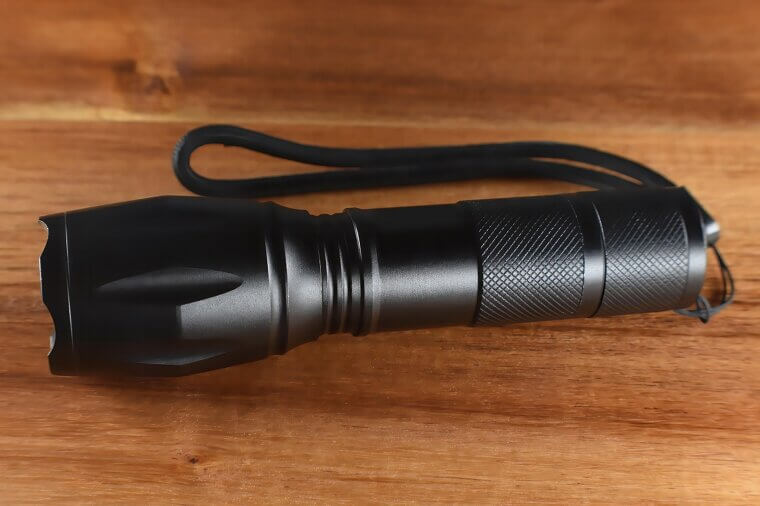
Keeping Flashlights Ready Always
When the power goes out, a flashlight with fresh batteries is the difference between navigating your house safely and stumbling around in the dark. Candles are a fire hazard, and phone flashlights drain your battery fast when you might need it for calls. Keeping flashlights in key spots like the bedroom, kitchen, and garage means you're ready no matter where you are when the lights go out. Testing them every few months and replacing batteries keeps them reliable. It's a simple habit that prevents injuries and makes storms, outages, and emergencies a lot less stressful.
Balancing Checkbooks Each Month
Balancing your checkbook each month shows you exactly where your money went and catches errors before they snowball. Banks make mistakes. Subscriptions you forgot about keep charging. Fraudulent charges slip through. Going line by line through your statement keeps you aware and in control. It also helps you spot spending patterns and adjust before you're short on cash. Trusting that everything's fine without checking is how people end up surprised by overdrafts or missing money. Taking an hour each month to reconcile your accounts is just being responsible with what you've earned.