Old Documents and Papers
That filing cabinet stuffed with yellowed papers might look like garbage, but it almost certainly contains documents you'll need later. Birth certificates, marriage licenses, Social Security cards, military discharge papers, property deeds, and old tax returns all serve purposes long after the person who filed them is gone. Some are required for settling estates. Others prove ownership or eligibility for benefits. Old insurance policies sometimes have value decades later. Before recycling any paper, go through it carefully. The important documents are often mixed in with junk mail and old receipts. One afternoon of sorting can save months of trying to replace paperwork that got thrown in a dumpster.
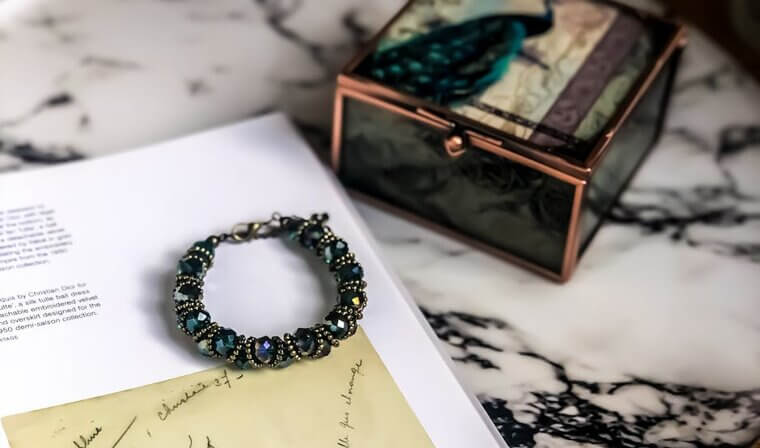
Vintage Jewelry, Even Costume Pieces
Not everything in the jewelry box is valuable, but you can't always tell by looking. Costume jewelry from certain eras has become collectible, with some pieces selling for hundreds of dollars. More importantly, real gold and silver pieces sometimes end up mixed in with the costume stuff because nobody bothered to sort them. That plain ring in the bottom of the drawer might be solid gold. Those pearls that look fake might be real. Take the whole collection to a reputable jeweler or appraiser before deciding what to keep and what to donate. The sorting costs nothing, and the surprises are often worth the trip.
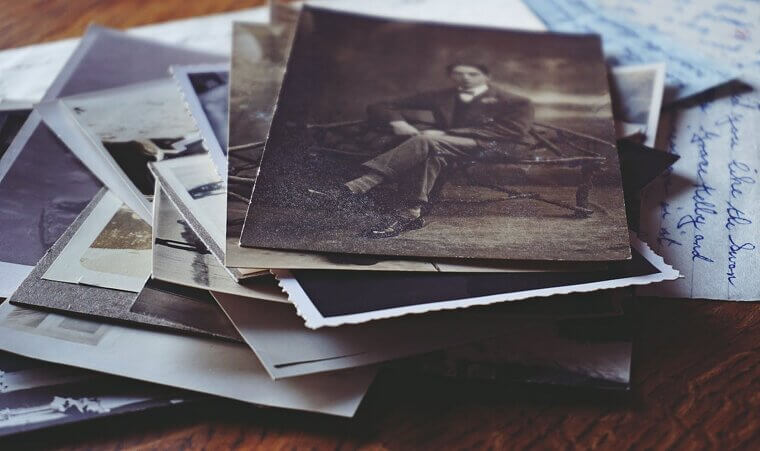
Old Photographs and Negatives
Photographs are irreplaceable in a way that almost nothing else is. The people in them are gone, the moments captured will never happen again, and no amount of money can recreate what a single snapshot preserves. Even damaged photos can often be restored digitally. Negatives that look ruined might still produce clear scans with modern technology. Before throwing away any box of photos, consider that you might be holding the only remaining image of a great-grandparent, a childhood home, or a family gathering that nobody else remembers. Sort through them carefully and digitize what matters. Future generations will thank you.
Handwritten Letters and Cards
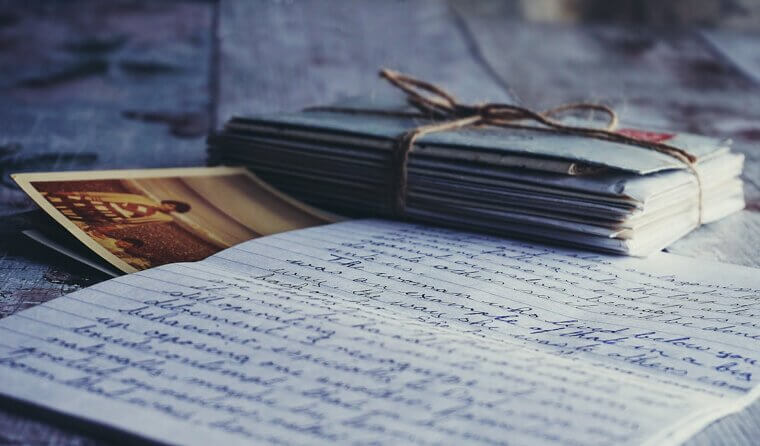
Email and text messages leave no physical trace, but older generations wrote letters that still exist in shoeboxes and dresser drawers. These handwritten pages capture voices, personalities, and stories that survive nowhere else. Love letters between parents reveal who they were before children came along. Correspondence with relatives overseas documents immigration stories. Even simple birthday cards show handwriting that family members will never see again. Reading through old letters takes time, but the glimpse into lives and relationships often reveals things nobody knew. These papers weigh almost nothing and take up little space. Keep them.
Military Items and Uniforms
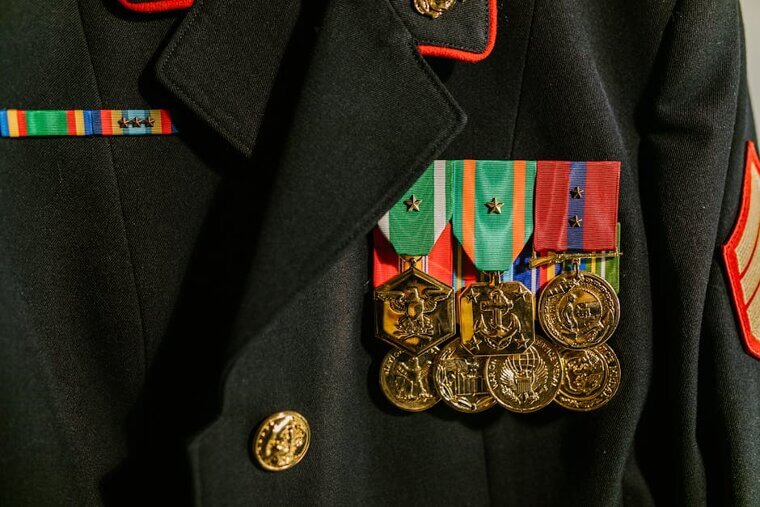
Military service often defined a generation, and the items that came home from that service carry tremendous meaning. Medals, ribbons, patches, dog tags, discharge papers, and photographs document sacrifices that family members may never have discussed openly. Uniforms sometimes sat in closets for decades because throwing them away felt wrong. These items matter to family history, but they also have value to collectors and military museums if no family member wants them. Before discarding anything military-related, research what you have. Some items are worth money, and others belong in archives that preserve veteran stories.
Older Tools, Especially Hand Tools
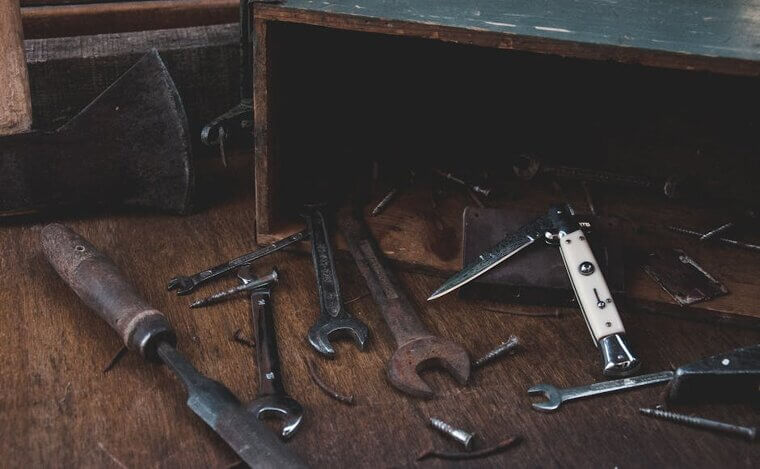
The tools hanging in your father's garage or tucked in your grandfather's workshop might be worth more than the power tools at the hardware store. Vintage hand planes, chisels, handsaws, and braces were built to last forever and still work beautifully today. Brand names like Stanley, Millers Falls, and Disston have devoted collectors who pay good money for quality examples. Even rusty tools can be cleaned and restored. Beyond their monetary value, these tools connect you to the hands that used them for decades. Many woodworkers prefer vintage hand tools to anything made today. Don't assume old means worthless.
Cast Iron Cookware
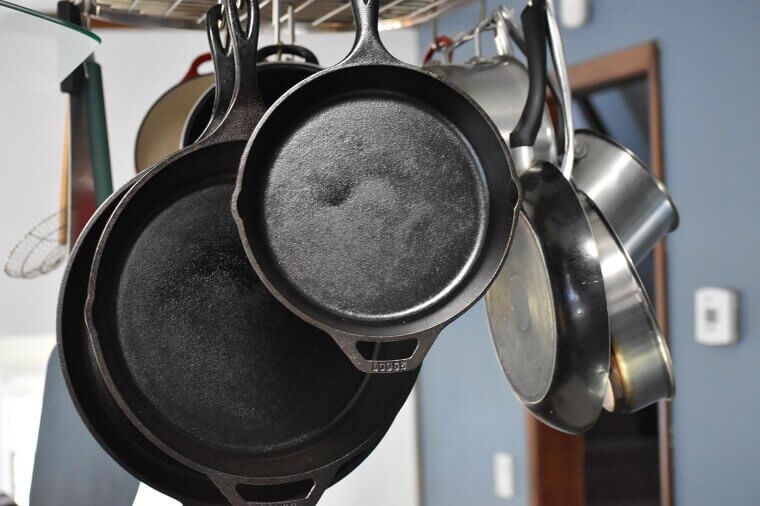
That heavy black skillet that's been in the family forever is almost certainly worth keeping. Vintage cast iron from makers like Griswold, Wagner, and early Lodge is highly collectible and sells for far more than new pans. Even unmarked old cast iron is often better quality than what's manufactured today, with smoother cooking surfaces and lighter weight. Cast iron lasts essentially forever with minimal care. The seasoning built up over decades of cooking is itself valuable. Before donating kitchen items, flip over any cast iron and check for maker's marks. What looks like a crusty old pan might be a collector's prize.
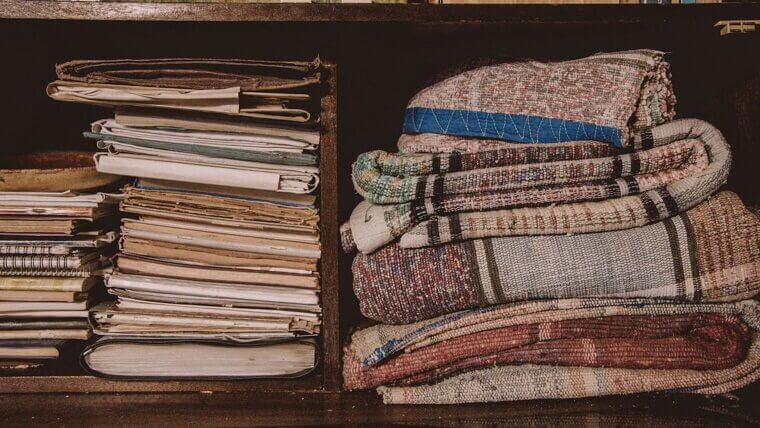
Quilts and Handmade Textiles
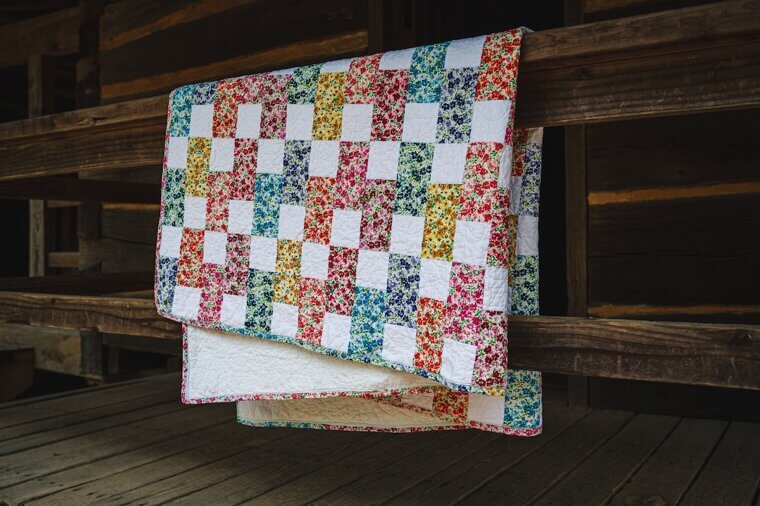
Handmade quilts represent hundreds of hours of work by someone who probably never expected payment or recognition. The fabrics often came from worn-out clothing, making each quilt a patchwork of family history. Even damaged quilts have value to collectors, crafters, and people who appreciate the artistry of handwork. The same goes for crocheted afghans, embroidered linens, hand-knit blankets, and tatted doilies. These items can't be replicated by machines. They carry the touch of hands that are gone now. If you can't use them yourself, someone else will treasure what your family member created.
Old Books, Especially First Editions
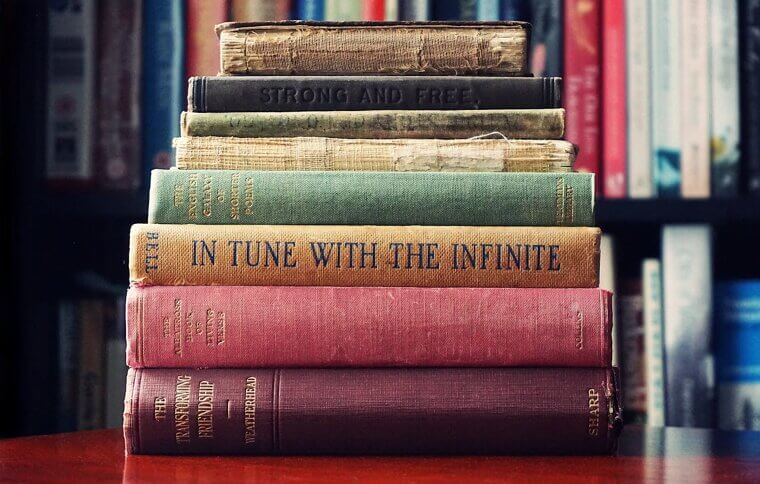
Most old books aren't worth more than a few dollars, but some are worth thousands. First editions of popular titles, books signed by authors, and volumes from small print runs can command serious money from collectors. Check the copyright page for edition information and look for signatures on the title page. Children's books from the early twentieth century, vintage cookbooks, and local histories often have value that generic novels don't. Condition matters enormously, so handle carefully. Before donating boxes of books to the library sale, spend an hour checking titles online. One valuable book can make the search worthwhile.
Vintage Christmas Ornaments
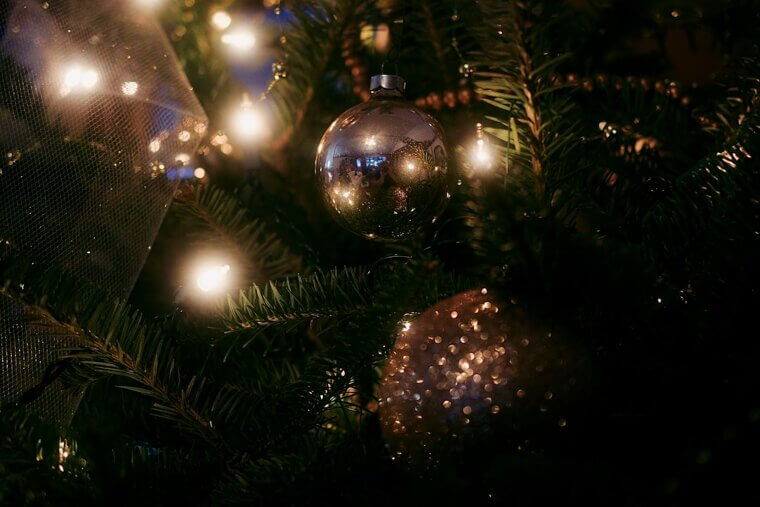
The ornaments that come out every December might include collectibles worth real money. Shiny Brite ornaments from the 1940s and 1950s, figural glass ornaments from Germany and Japan, and vintage aluminum trees all have dedicated collectors. Even ornaments that seem ordinary might be sought after if they're old enough and in good condition. The boxes they came in add value too. Beyond the money, these decorations carry decades of family memories. The angel that always went on top, the ornament a child made in school, the decorations from the first Christmas in a new house. Some things can't be replaced at any price.
Old Coins and Foreign Currency
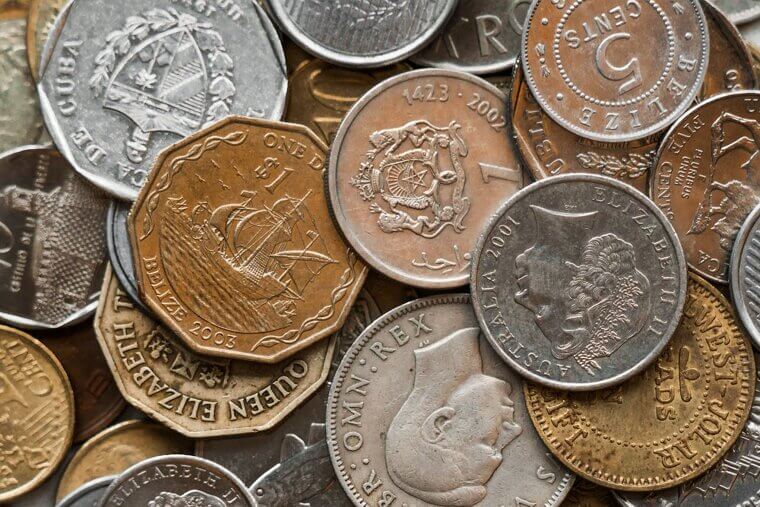
Coins accumulate in junk drawers, mason jars, and coffee cans for decades. Mixed in with the ordinary pocket change are often pieces worth far more than face value. Dimes, quarters, and half dollars minted before 1965 contain actual silver. Wheat pennies, buffalo nickels, and certain date combinations are collectible regardless of metal content. Foreign coins brought back from travels or military service sometimes include pieces that have appreciated over the years. Before rolling coins for the bank or spending them at a coin-counting machine, sort through carefully. A few minutes of checking dates can uncover coins worth many times their face value.
China, Crystal, and Silverware
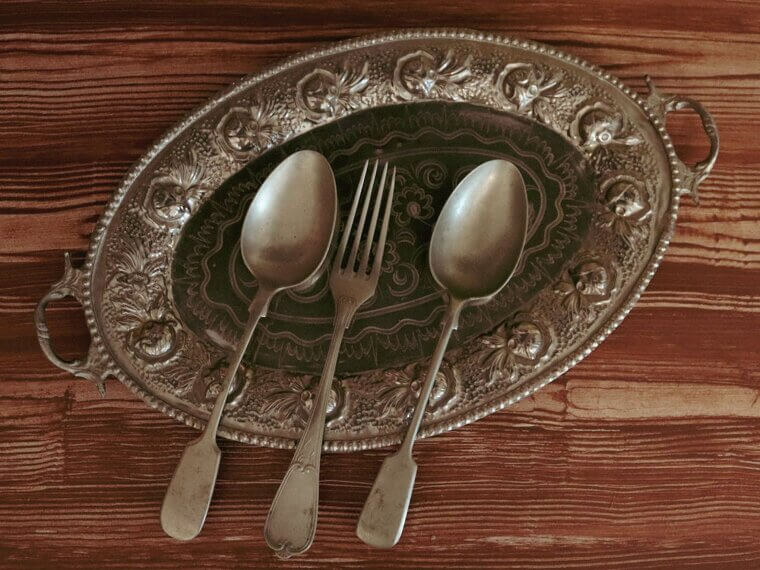
Formal dining sets feel outdated to many younger people, which is why so much ends up donated or discarded. That doesn't mean these items lack value. Complete sets of quality china from makers like Lenox, Royal Doulton, or Wedgwood still sell well. Crystal stemware and serving pieces remain desirable. Sterling silver flatware is worth its weight in silver at minimum, and complete sets from respected manufacturers sell for much more. Even incomplete sets or single pieces have buyers. Check the bottoms of dishes for maker's marks and test metal items with a magnet. Sterling isn't magnetic, but stainless steel is.
Vintage Toys and Games
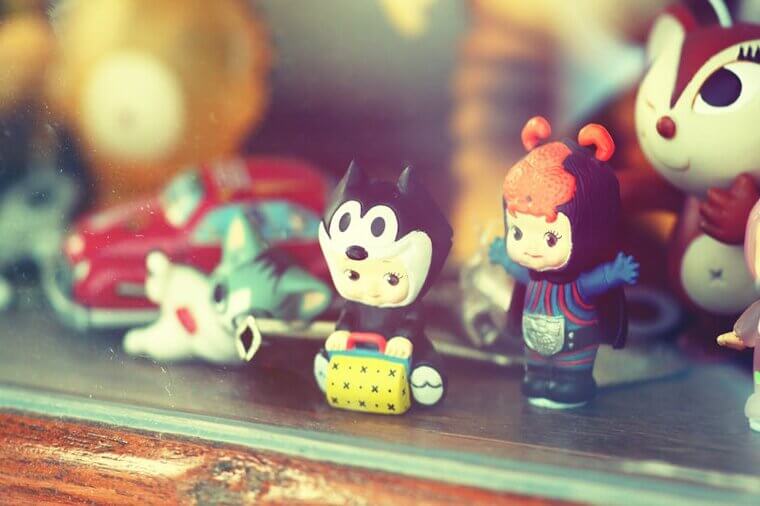
The toys your parents saved from your childhood or their own might be worth surprising money. Vintage board games with all pieces intact, old tin toys, Barbie dolls from the 1960s, original Star Wars figures, Matchbox cars, and vintage Lego sets all have active collector markets. Condition and completeness matter enormously. A game missing one piece might be worth a tenth of a complete set. Original boxes add significant value. Before donating toys to charity, research what you have. The G.I. Joe that sat in a closet for fifty years might fund a nice dinner out. The complete Monopoly set from the 1950s might pay for a weekend getaway.
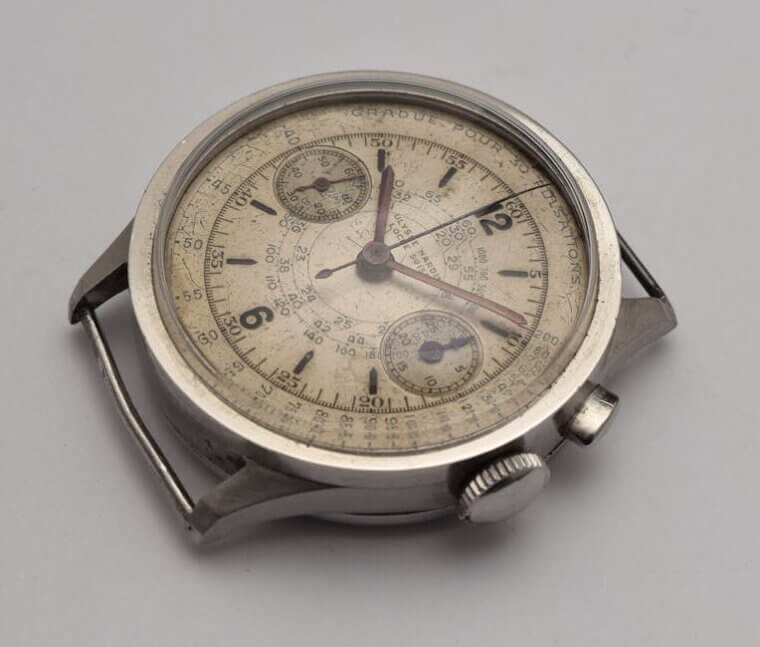
Watches, Even If Broken
A watch that stopped running years ago might still be valuable. Mechanical watches can often be serviced and restored to working condition by a competent watchmaker. Brand names like Omega, Rolex, Seiko, Hamilton, and Bulova hold value even when they need repair. Vintage watches from the mid-twentieth century are particularly collectible right now. Even watches that can't be fixed sometimes have value for parts. Don't assume that a watch in a drawer is worthless because nobody's worn it in decades. Take it to a jeweler or watch specialist for evaluation before making any decisions about its future.