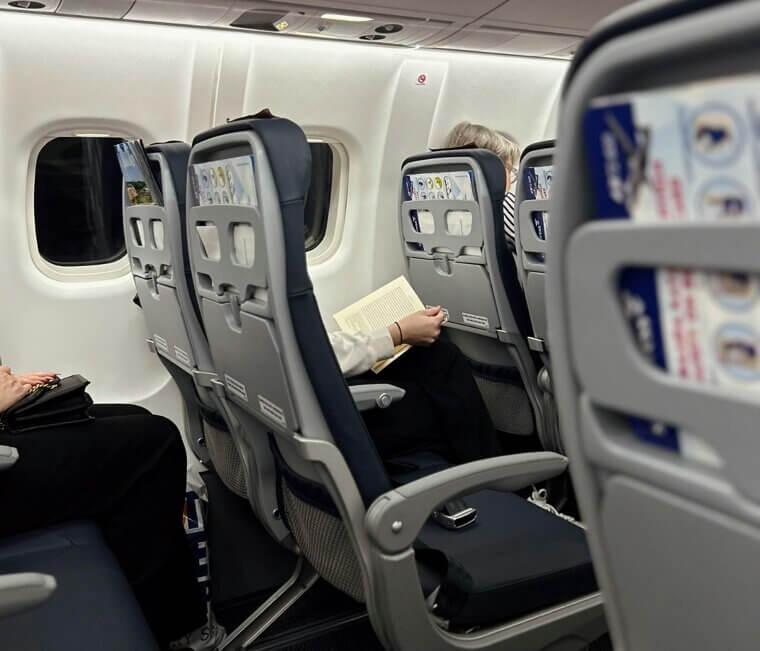
The Wallet or Phone Stored in Your Back Pocket
This is perhaps the most insidious cause of back pain on an airplane, rooted in a simple habit we rarely think about. Sitting for hours with a thick wallet, phone, or passport case jammed into your back pocket creates an uneven pressure point directly beneath your gluteal muscles and hip. This unevenness causes a slight, continuous tilt in your pelvis, forcing your spine out of its neutral alignment. When the spine is held in this subtle twist for five, eight, or twelve hours, the surrounding muscles tense up, and nerve roots can become irritated. The effect is compounded by the soft, sinking cushion of the airplane seat, which allows the pocket object to dig in deeper. The simple solution is often the most overlooked: always remove all objects from your back pockets immediately after sitting down, keeping the pressure evenly distributed across both sides of your seat. Failing to do this guarantees you will land with stiffness, aches, and severe regret.
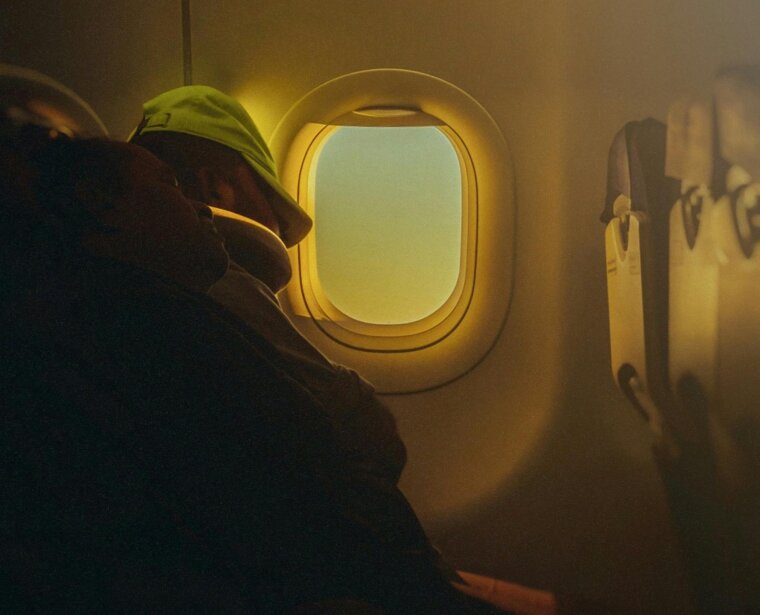
Sleeping With the Neck Pillow Slump
The standard U-shaped neck pillow is marketed as a pain reliever, but if used incorrectly, it can be a major source of upper back and neck pain on long flights. The mistake comes when travelers rely on the pillow to support their heads while slumping to the side, allowing their neck to bend severely out of alignment as they sleep. This lateral slump stresses the delicate muscles and ligaments that connect the cervical spine (neck) to the thoracic spine (upper back). When you wake up, the accumulated tension in your neck often radiates straight down into your shoulders and mid-back. Furthermore, many neck pillows are too thick, pushing the head forward into a position called "forward head posture," which strains the upper back muscles just as much as looking down at a phone. The key is to keep the spine neutral. Instead of relying solely on the pillow, try leaning your head directly against the rigid seat wings or using a rolled-up sweater behind your lower back to maintain a proper lumbar curve, ensuring your neck remains inline with your shoulders.
Relying on the Seat Back Pocket for Heavy Items
When you cram heavy items like books, tablets, or water bottles into the seat back pocket in front of you, you are doing more than just annoying the person ahead. That extra weight tugs the seat back toward you, reducing the recline angle and pulling the bottom cushion forward. This subtle change dramatically decreases the available legroom and, more importantly, pushes your knees higher relative to your hips. The higher knee position forces your lower back into a rounded, C-shape posture, undoing any ergonomic support the seat might offer. Sitting with a rounded lower back for extended periods puts immense, unnecessary stress on the lumbar discs. The lower back relies on a slight inward curve (the lumbar lordosis) for proper load distribution. By forcing that section into a slouch, you are essentially asking your discs to bear the weight of your upper body improperly. Always store heavy items in the overhead bin or beneath the seat in front of you, reserving the seat back pocket for light papers only, protecting your spine from unnecessary postural stress.
The "Stillness Is Best" Mistake
Many travelers mistakenly believe that once they find a comfortable position, they should stay absolutely still for the entire flight to avoid aggravating their back. This stillness is actually a primary cause of chronic pain flare-ups during air travel. The human spine and its discs rely on movement to circulate fluids and nutrients, a process known as disc diffusion. When you remain motionless for hours, the discs dehydrate, leading to stiffness and pain. Movement, even minor adjustments, acts like a sponge, helping to keep the discs plump and healthy. Ignoring the need to move means you will land stiff, achy, and regretting the hours spent rigidly glued to your seat. The simple cure is routine interruption of stillness: stand up every hour, march in place by the seat for two minutes, or gently perform seated pelvic tilts and shoulder rolls. The goal is not a workout, but frequent micro-movements to pump fluid through the spine, ensuring you arrive at your destination refreshed, not seized up.
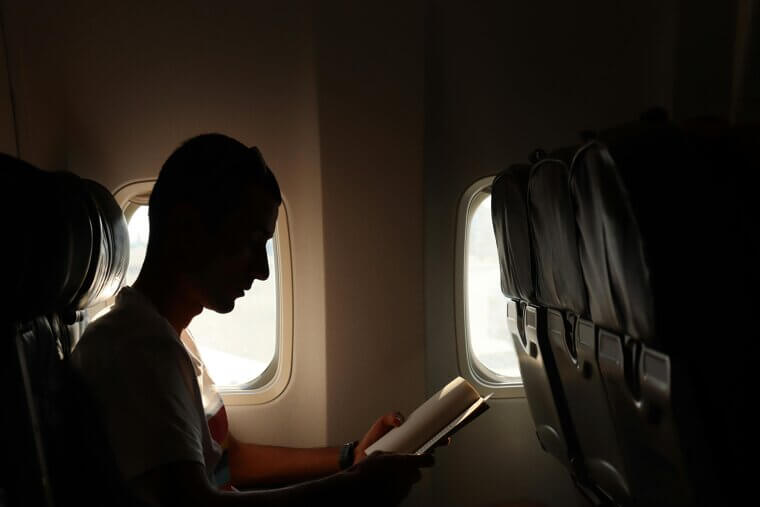
Why the Window Seat Is Secretly a Back Pain Trap
The seemingly appealing window seat, prized for its views and wall to lean on, often turns into a spinal disaster on a long flight. While having a wall is great for side-sleeping, the narrow aisle and limited space effectively trap you against the fuselage. This confinement discourages the essential movement required to keep your discs healthy (as discussed in item 4). When you are reluctant to disturb your seatmates, you end up sitting rigidly for four to five hours at a time without getting up to walk or stretch. Furthermore, the curvature of the airplane wall is not designed for ergonomic back support. Leaning against it forces your shoulder and neck into an awkward, asymmetrical posture that strains one side of your spine more than the other. If you suffer from chronic back pain, choose an aisle seat. This simple change allows for quick, guilt-free access to stand, stretch, and move every hour, which is the single most important defense against in-flight stiffness.