The Tailgate Workout
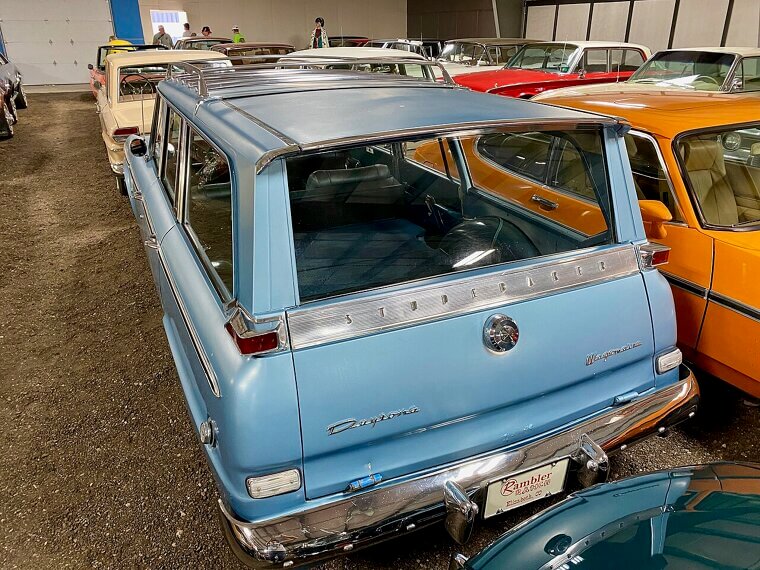
A station wagon’s tailgate meant business. It was heavy, awkward, and sometimes made strange noises when you opened it. You also needed both hands and sometimes a helper. The groceries slid around in the back, camping gear got stuck, and fingers nearly got pinched more than once. Loading and unloading? Well, that was a group activity with someone holding it while someone else climbed in. The tailgate wasn’t elegant, sure, but it worked. And it’s clear that it was built for stuff and not for style. Those memories of packing for summer road trips are inseparable from the rhythmic thud of that heavy rear door closing. It was the physical gateway to every family adventure, standing as a rugged symbol of a more hands-on era of travel.

The Backwards Ride
The rear-facing “way back” seat in a ‘70s station wagon was every child’s dream. You sat facing the cars behind you, waving at strangers like you were in a parade. Some waved back, but others pretended not to notice. But, at the end of the day, you were just having some fun. Yes, it felt naughty, but it was harmless. In the rear-facing seat, you could see where you’d been instead of where you were going. There were no screens and no distractions, just faces, traffic, and the occasional truck roaring past. Kids fought for that seat every time.
Fake Wood, Real Pride
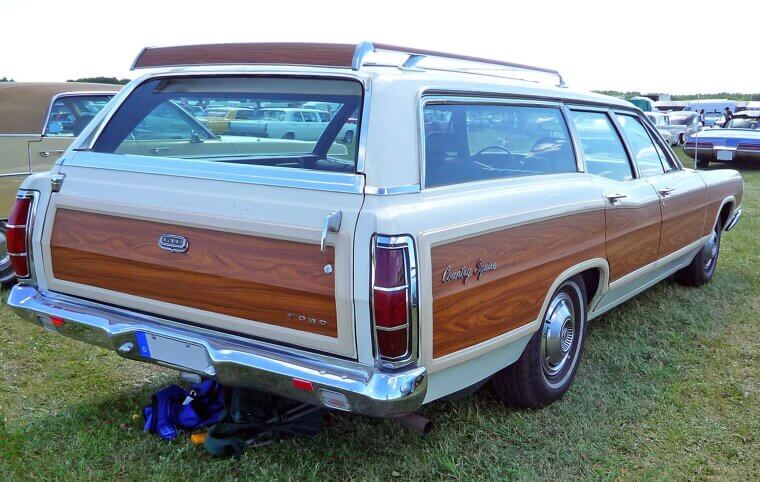
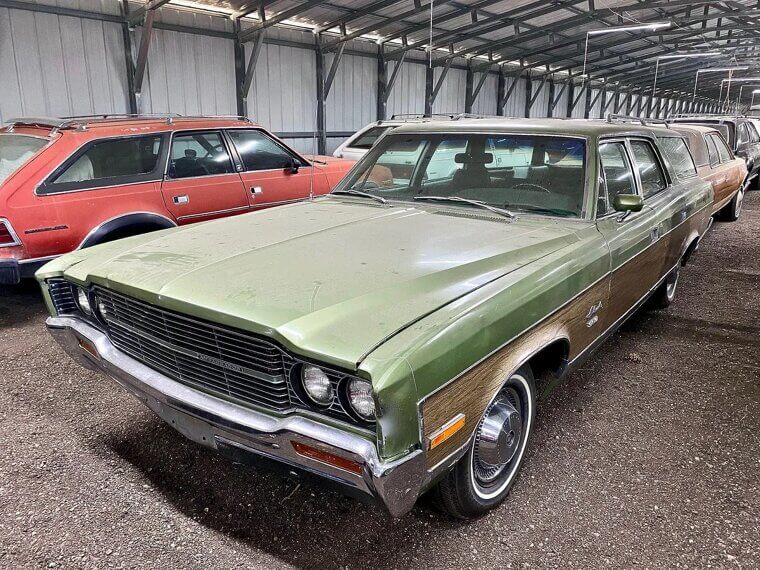
The wood paneling on ‘70s station wagons wasn’t trying to fool anyone into thinking it was something it wasn’t. And that was the charm. It was plastic pretending to be wood, and everyone knew it. But, somehow, it meant your family had made it. Dad’s station wagon looked ready for anything - camping trips, school runs, and weekend hardware store visits. One of the best parts about it was that the faux wood trim heated up in the sun and had a very distinctive smell. And no, it didn’t care about trends or being popular. It just did the job.
Seatbelts? Optional
The back seat of any ‘70s station wagon felt more like a huge couch than a car seat. There were no seatbelts, so kids lay down, sprawled out, and sometimes jumped around in the hopes Mom and Dad wouldn’t yell at them. Parents hoped for the best. You could stretch out on long drives, nap sideways, or roll around during turns, and it felt loose and free. Rules? Ha! They were more like suggestions than laws. Looking back, it’s wild, but at the time, it was completely normal for kids to sit unrestrained.
Roof Rack Roulette
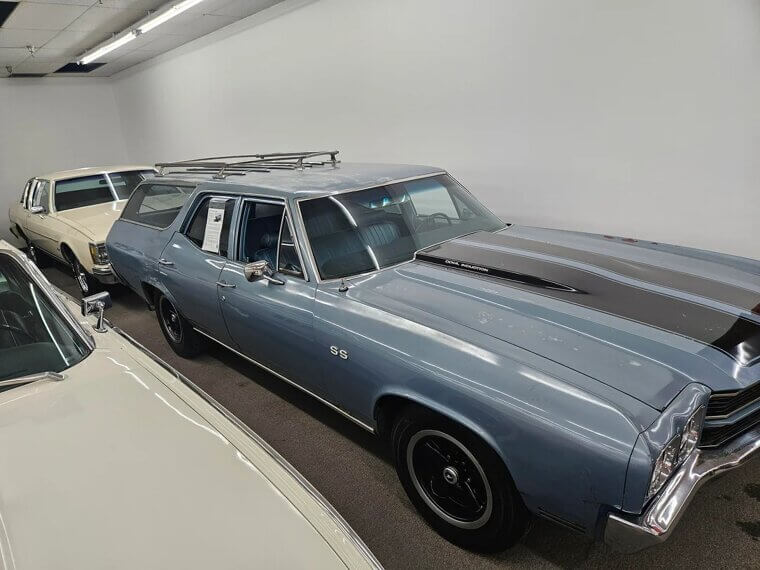
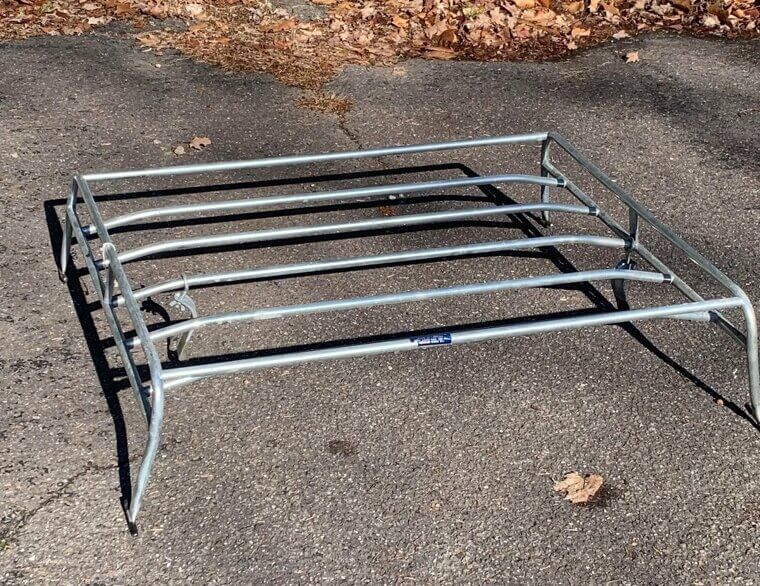
Every station wagon had a roof rack in the ‘70s. And that roof rack carried everything from suitcases, prams, bikes, tents, and even a Christmas tree tied down with hope and a lot of rope. But, do you know what it didn’t carry? Common sense! Dad would tie things up and say, “That’s not going anywhere!” Spoiler alert: some things just weren’t meant for roof racks, and they’d go flying off the car. Somehow, the roof rack turned every trip into a mini adventure or a game of chance before you even left home.
Manual Window Muscles
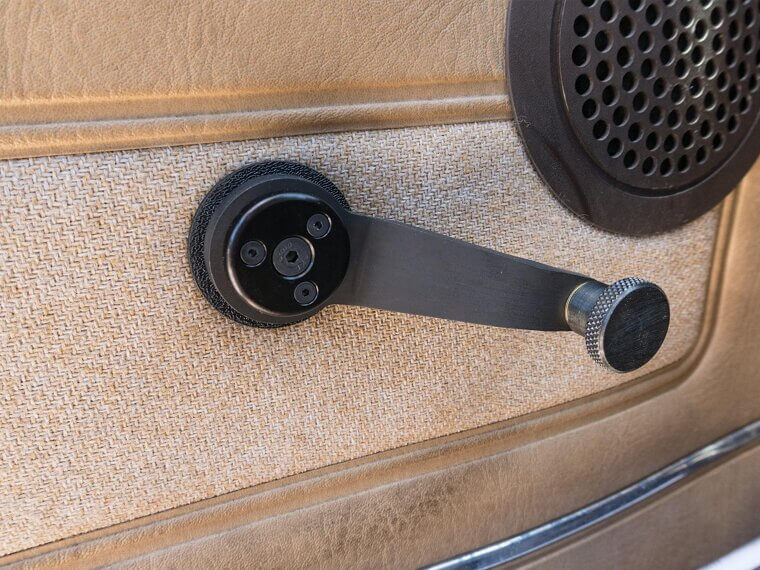
Rolling down the window took more than just a bit of effort back in the ‘70s. Those station window wagons were tricky to open. You cranked and cranked while your arm got tired. And the window? Well, that moved at the speed of a sleepy snail. But, it was something to do, and kids argued over whose turn it was to open the window while Mom yelled from the front seat not to open it all the way. In summer, those windows were more like survival tools. You earned fresh air back then.
A Sofa on Wheels
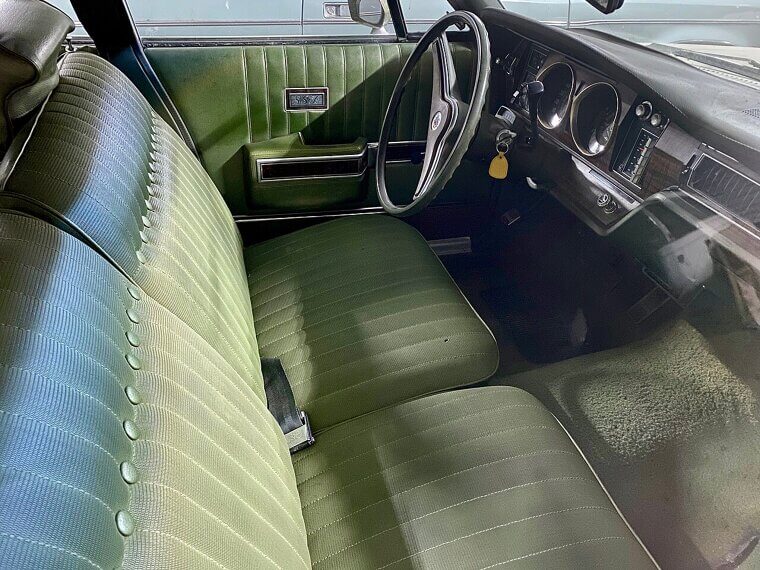
The bench seats in ‘70s station wagons went on forever. You got the first row, second row, third row, and the way back seat. But there was still room for bags. Sure, comfort was hit or miss, but space was never a problem. Kids shifted around the cabin like puzzle pieces, and someone always ended up in the middle with no personal space at all. The seats were wide, flat, and made for big families. It wasn’t luxury, but it felt good enough. Everyone fit, and that’s all that mattered.

Ashtrays for Everyone
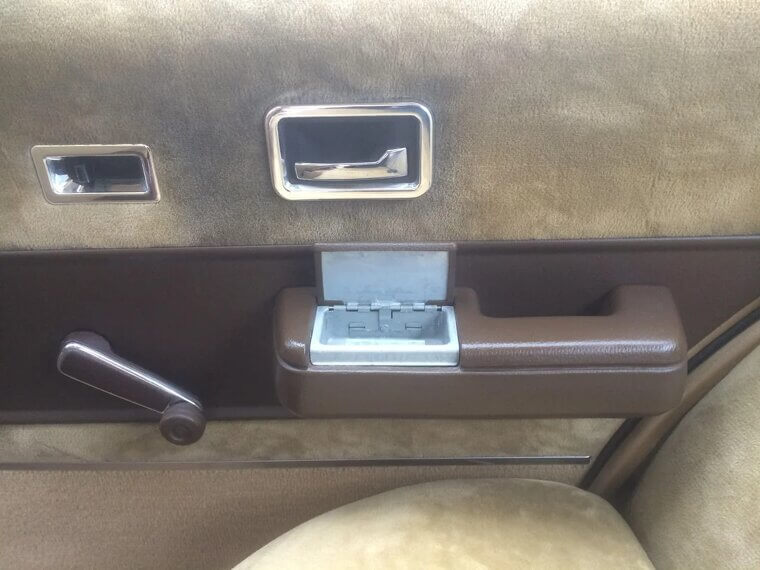
In the ‘70s, every station wagon came with more than one ashtray. They were everywhere - front doors, back doors, sometimes even in the armrests. Even families who never smoked had them because they came with the car. We guess it was just assumed someone, somewhere, would need one. Kids played with them, coins lived in them, and crumbs collected there. The cigarette lighter also doubled as a finger-burning curiosity device. It was all just part of the design, and nobody questioned it. It’s just how cars were built back then, whether you liked it or not.
The Wagon Smell
You never forget the smell of a ‘70s station wagon. Think warm vinyl baking in the sun, mixed with old carpet, and a hint of gasoline. Sure, it doesn’t sound great, but it wasn’t bad - it was familiar. It smelled like childhood, holidays, errands, and long drives. Every station wagon had its own version, but they all smelled similar. When the doors opened after sitting in it all day, that wave hit you right in the face. Today, just one whiff of hot vinyl will transport you back in time.
Road Trip Games
Want to know the best thing about a road trip? The games! Back in the ‘70s, road trip games were simple and loud. Games like “I Spy” lasted hours. Counting cows always became serious business. And license plate spotting turned competitive. Of course, someone always cheated, and someone always cried, but it was just how the games went. Parents pretended not to hear any of it, because the games made time pass by quickly. You stared out the window, looking at trees, farms, signs, and clouds go by. Boredom forced creativity.
Static and Songs
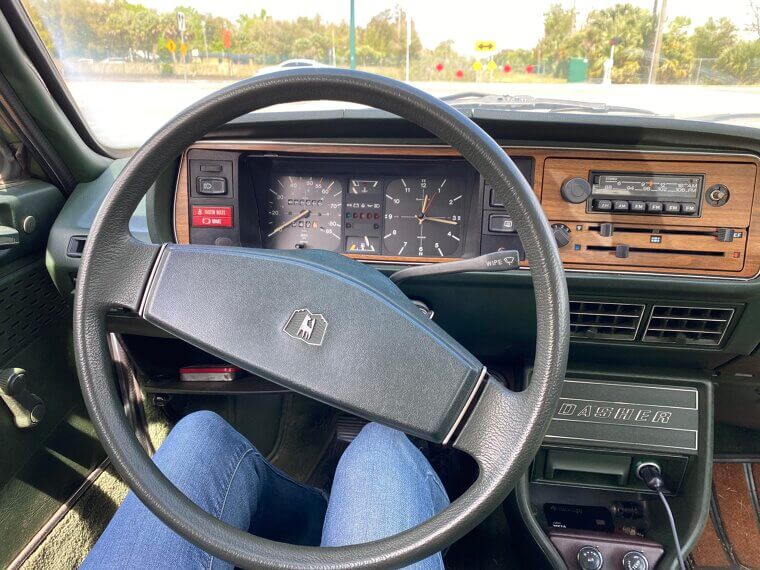
The AM radio ruled the station wagon dashboard in the ‘70s. One minute it played music, and the next you’d just hear static. There was also no way to skip songs, so you just endured whatever was on in the hopes one of your favorites would come on next. Parents hummed and kids groaned. And sometimes the signal faded completely, and you’d be stuck listening to static. But no one dared touch the dial. Listening to music on long road trips with the family might not have been perfect, but it was a shared experience, and everyone had to listen to the same thing.
Air Conditioning?
Air conditioning was either missing in your parents' ‘70s station wagon or barely trying. It hummed loudly and cooled absolutely nothing. So, you opened the windows. Every single one of them, to be precise. Your hair whipped everywhere, paper flew around, and your eyes dried out. But nothing beat that rush of fresh air coming in at the windows on a super hot day. You smelled grass, fuel, and hot road. Yes, you arrived sweaty, but you were always smiling because comfort wasn’t the goal - getting there safely and in one piece was.
Dog Days
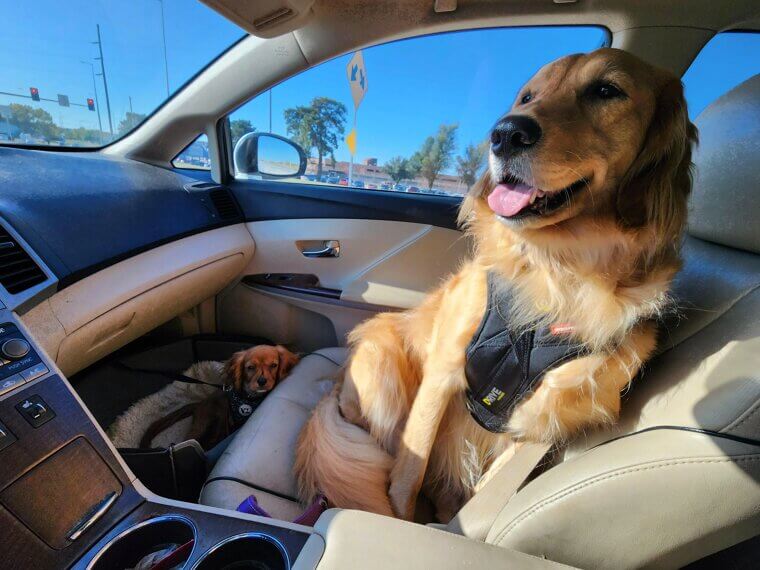
The family dog rode loose in the station wagon in the ‘70s. Why? Because it just did. It paced, sat, stood, and leaned on everyone. Its fur covered everything, and you’d find smudgy nose prints on all the windows. Drool happened, too, but nobody complained about it because the dog was just part of the trip. Sometimes it barked at absolutely nothing, which drove everyone insane, but it just made the station wagon feel like home, where everyone was included. Seatbelts were optional for kids and completely ignored for dogs.
Fuel Stops
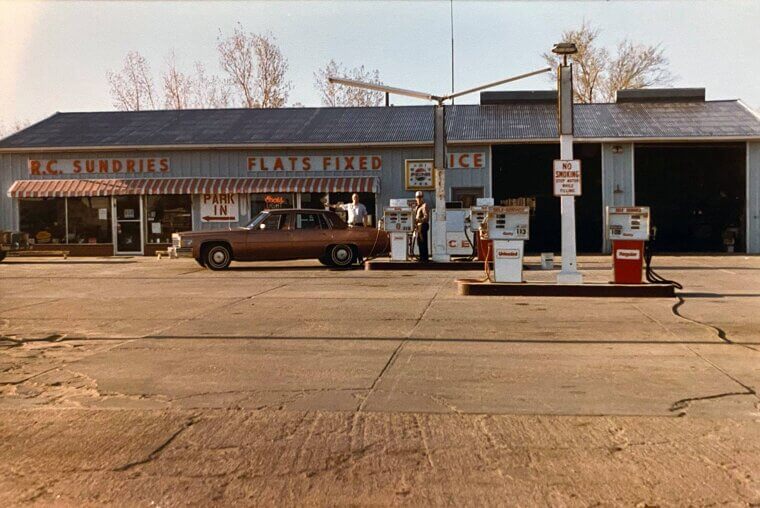
Big station wagons loved fuel, and they needed a lot of it. You didn’t just stop for fuel once; you stopped often. We’re talking every few hours or more. The fuel gauge seemed to drop fast, and everyone knew what was coming next. But those stops weren’t annoying. They were all part of the trip, and the kids jumped out to stretch their legs. Someone always needed the toilet. Someone begged for snacks or an ice cream. Parents cleaned the windscreen and chatted like there was no rush. Gas stations meant you were one step closer to your destination.
Freedom
The station wagon meant freedom in the simplest way. You loaded it up with people, bags, food, and sometimes the dog, and you just went. No tight schedules. No apps telling you where to turn. You had a paper map, a rough plan, and plenty of patience. The road felt wide and full of promise. Even boring drives felt special because you were together and going somewhere. The wagon didn’t care if the trip was long or messy. It handled it all. That feeling of rolling down the road, windows open, nowhere else to be? That’s hard to beat.