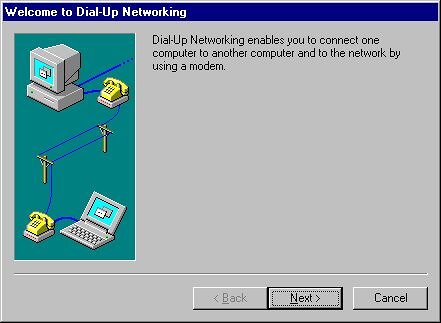
1945–1950 Saturday Morning Cartoons
Waking up before your parents on Saturday was a constitutional right, earned by surviving Monday through Friday. Kids poured a mixing bowl full of Frosted Flakes, parked themselves two feet from the TV, and entered a sacred time slot: cartoons until noon. Bugs Bunny, Tom and Jerry, the whole gang. No DVR, no pause button. You had to time your kitchen runs perfectly during the commercials or risk missing a crucial chase scene. The glow of the black-and-white screen was the only light in the living room as the neighborhood remained silent outside. It was a communal ritual for every child on the block, a shared cultural language defined by slapstick humor and orchestral scores. These fleeting hours represented a pure, unhurried freedom that defined the childhood of a generation.
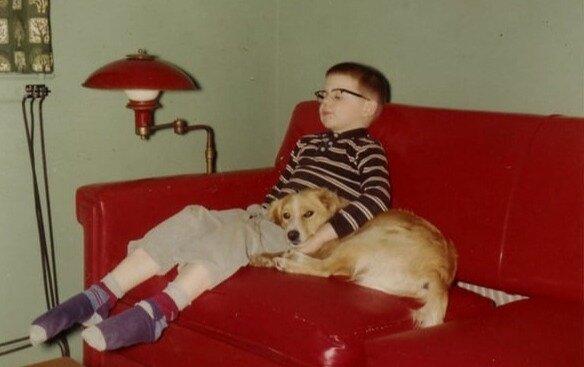
1950–1955: Cold War Duck-And-Cover Drills
Nothing says "death prevention during war” like practicing how to survive nuclear annihilation under your wooden desk. That desk wouldn't stop a dodgeball, but apparently, it was supposed to save you from atomic warfare. The alarm blared, you dropped, covered your head, and pretended it made sense.
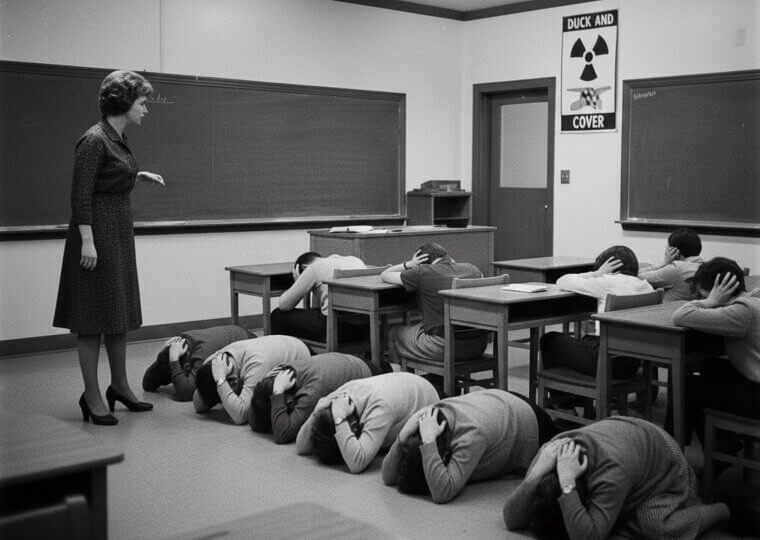
1955–1960: Hula Hoop Craze
One day, nobody owned a plastic circle, and the next day every kid on your block was rotating one around their waist as if their life depended on it. Twenty-five million sold in four months, which meant every garage across America eventually had one gathering dust next to the Christmas decorations. Some say they're still trying to bring it back.
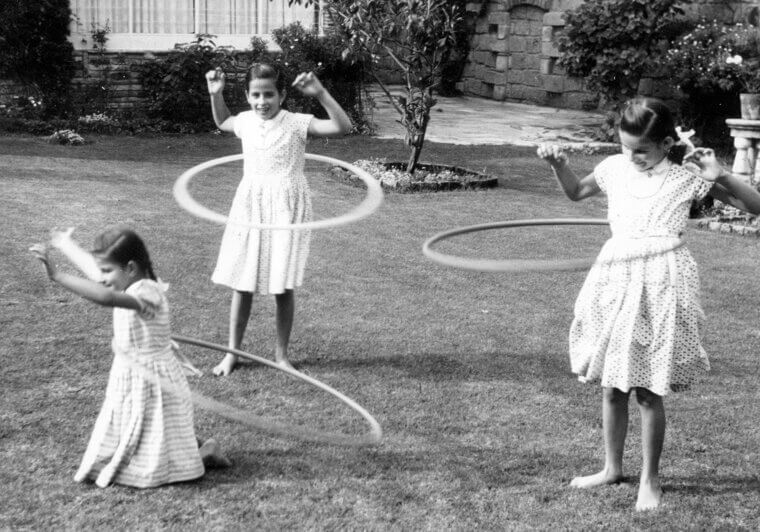
1960–1965: Vinyl Singles
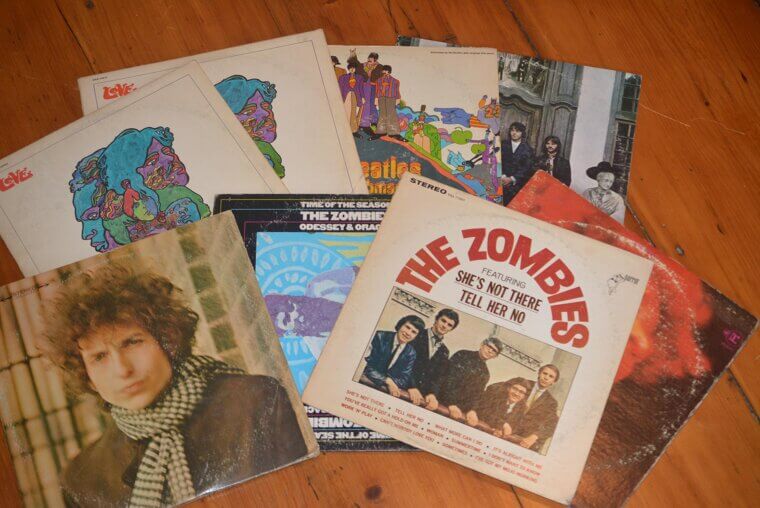
That stack of 45s was a child’s entire personality in seventh grade. They would rush to the record store when a new single dropped, clutch that paper sleeve like treasure, and race home to their portable player. Oh, and there was a little plastic adapter for the big hole in the middle. Lost immediately, every time.
1965–1970: Lava Lamps
Someone looked at melted wax floating in liquid and said, "Let's charge money for this," and someone’s older brother immediately bought three. They took forty-five minutes to heat up, during which you stared at them like a caveman discovering fire. Red blobs, green blobs, blobs that refused to move. It didn't matter because it was groovy, baby.

1970–1975: Polaroid Party Pics
Instant photos were straight-up witchcraft. Press a button, listen to a mechanical whirr, and wait for the gray square that would slowly reveal embarrassing haircuts and questionable fashion. Of course, there were no filters, no retakes, no deleting. What you shot was what you got.

1975–1980: Walkman Freedom
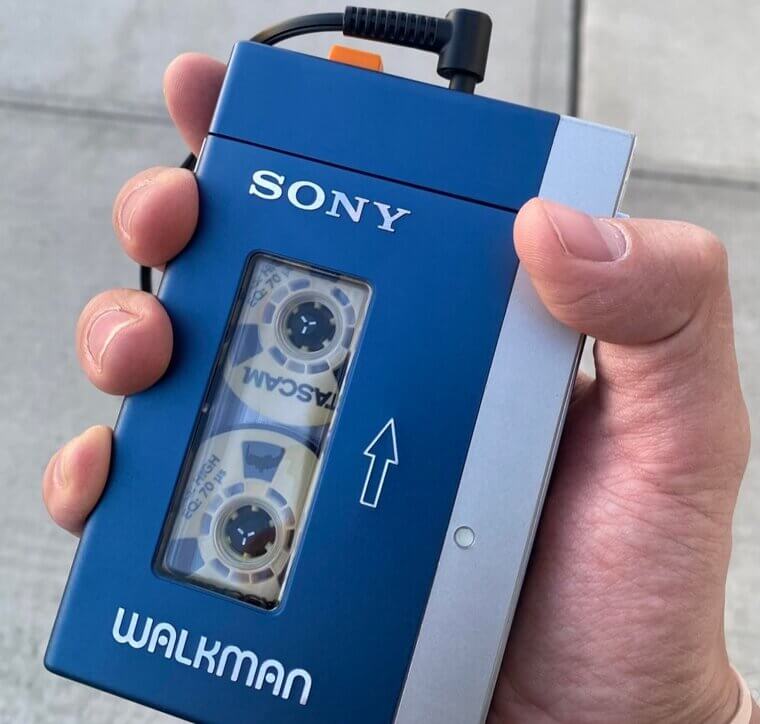
The first time you walked down the street with music in your ears was a religious experience. That foam-padded personal soundtrack meant your parents' lectures turned into background noise while Fleetwood Mac took over. Of course, the headphone cord got caught on every doorknob in existence, but you were mobile. Untethered. The future had arrived, and it fit in your pocket.
1980–1985: Talking Toys
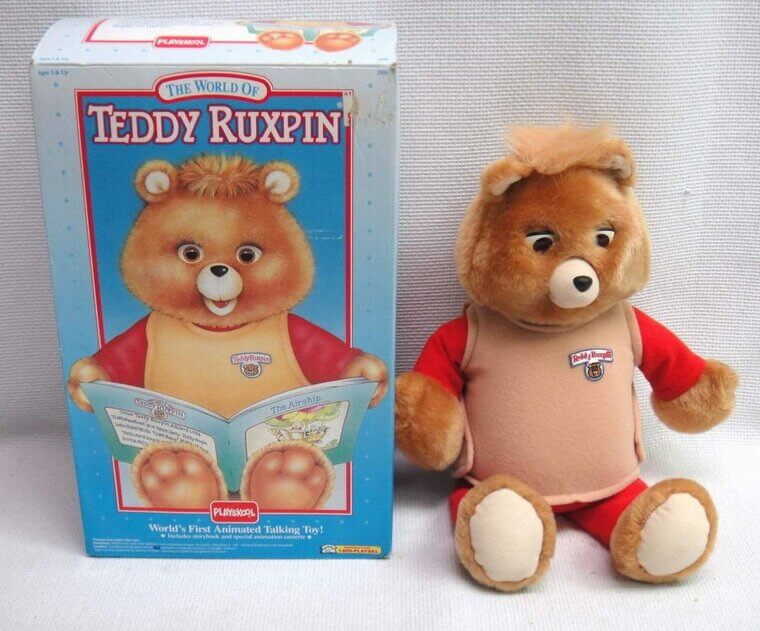
There were talking pull-string toys before, but these new battery-powered ones just wouldn't shut up. Teddy Ruxpin moved his mouth and told stories while you watched. Speak & Spell taught words in that robot voice that haunted every kid’s dreams, and Christmas mornings sounded like a robot uprising.
1985–1990: VHS Rental Nights
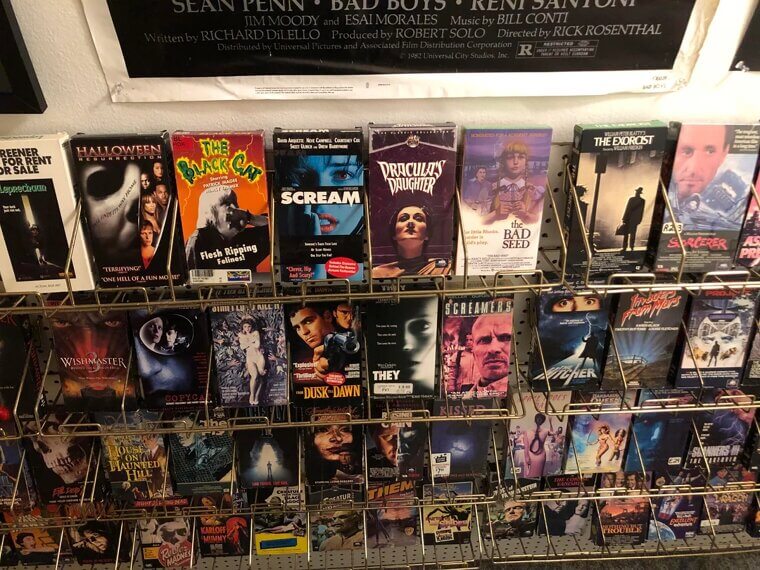
Friday night meant debating for twenty minutes at Blockbuster about which movie to rent, knowing full well you'd end up with something everyone had already seen. The fear of the late fee was real, and that tape haunted your conscience until you returned it.
1990–1995: McDonald's Happy Meal Toys
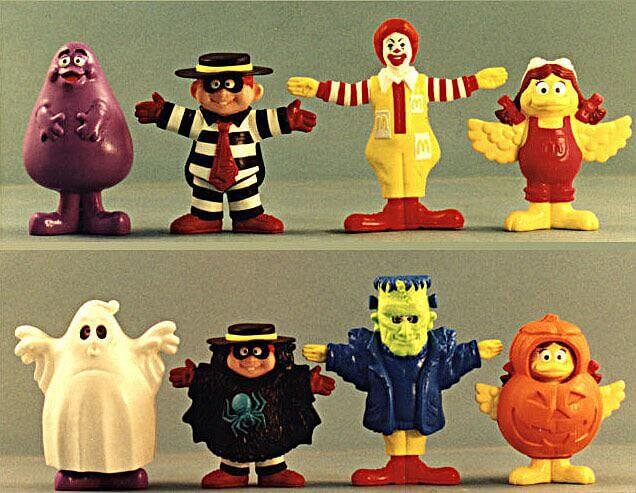
Pokémon, Hot Wheels, Disney tie-ins. Collecting was serious business. You didn't go to McDonald's for the food; you went for whatever plastic treasure was hiding in that cardboard box. Kids traded Happy Meal toys at lunch like Wall Street brokers. Missing number seven in the set? You'd beg Mom to go back three more times.
1995–2000: The Early Internet Soundtrack
That dial-up screech was the sound of the future. Kids would get online, immediately get kicked off because Mom needed the phone, reconnect, and then wait five minutes for a single image to load. AIM away messages were poetry, and "You've Got Mail" triggered Pavlovian excitement.