Why We Miss the Bold and Quirky Kitchens of the 1970s
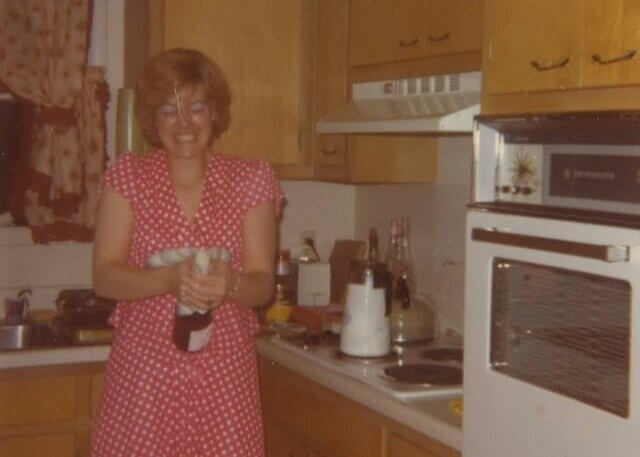
The 1970s kitchen was a masterclass in specific color palettes and unique textures. It was a decade where functionality met a very particular kind of experimental aesthetic. While modern kitchens favor sleek minimalism and stainless steel, the heart of the home fifty years ago was filled with earthy tones and bulky appliances. These items were not just tools for cooking but were symbols of a specific era of interior design. Exploring these relics offers a nostalgic look at how much our daily domestic lives have shifted over the decades. Many of these items were built to last, yet they have been phased out in favor of digital convenience and neutral color schemes. Looking back, these features represent a time when the kitchen was the most vibrant and personality-filled room in the house.
Avocado Green Appliances
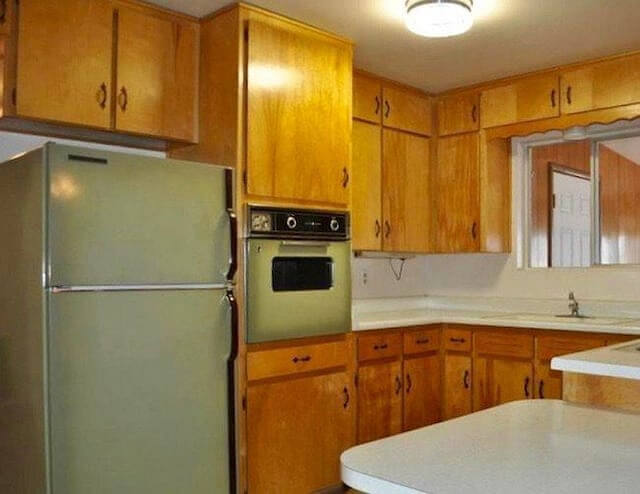
The 1970s was defined by a very specific color palette, and avocado green was the undisputed king of the kitchen. From refrigerators to heavy cast iron stoves, this muted olive shade was everywhere. It was often paired with wood paneling or dark cabinetry to create a warm, earthy feel. Today, homeowners almost exclusively choose stainless steel, black, or white for their major appliances. The bold commitment to such a specific color seems risky by modern standards, where neutral tones are preferred for resale value. However, in the seventies, having a matching suite of green appliances was the ultimate sign of a modern and stylish home. These machines were often heavy and durable, lasting for decades before being replaced during more modern renovations. They serve as the most recognizable visual shorthand for the era.
Harvest Gold Countertops
If a kitchen did not feature avocado green, it almost certainly featured harvest gold. This deep, mustard yellow hue was applied to everything from laminate countertops to linoleum flooring. Laminate was the material of choice because it was affordable and easy to clean, unlike the heavy stone or quartz used today. These gold surfaces were often accented with floral patterns or speckled textures to hide wear and tear. While we now see this color as dated or dingy, it was originally intended to bring a sunny and optimistic energy into the home. Harvest gold worked well with the dim, warm lighting popular in the decade. Modern kitchens have moved toward brighter, cooler whites that make spaces feel larger, but they lack the distinct cozy warmth that these golden surfaces provided to a busy family household.
Wood Paneled Dishwashers
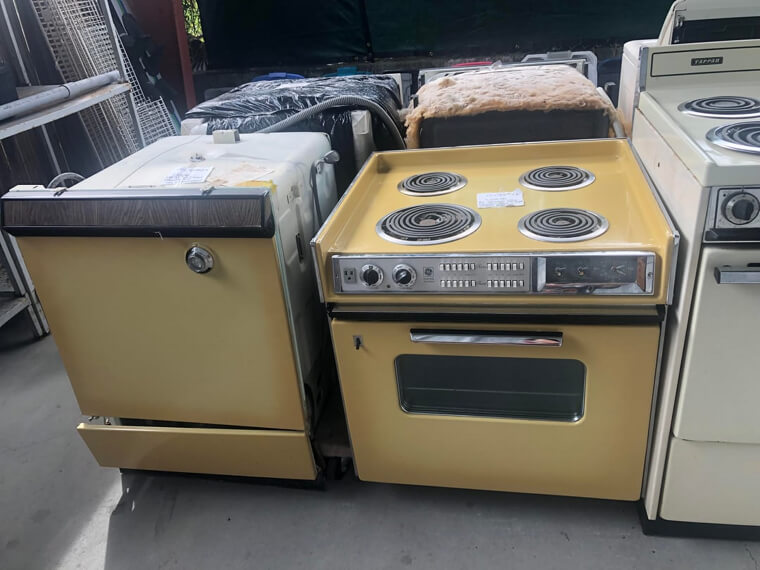
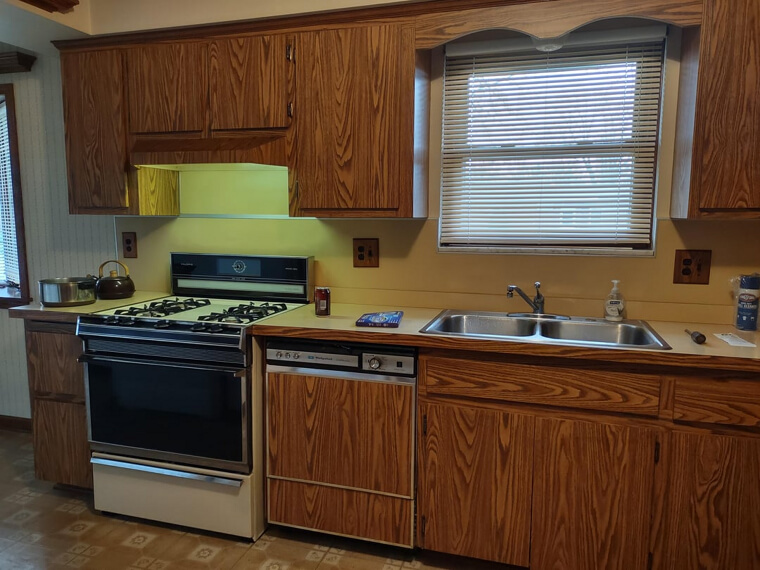
In an effort to make kitchens feel more integrated and less industrial, many 1970s dishwashers featured front panels made of faux wood grain or actual wood veneer. The goal was to blend the appliance seamlessly with the dark oak or walnut cabinets that were standard at the time. This gave the kitchen a heavy, library-like feel that is rarely seen in contemporary design. Today, we either highlight our appliances with metallic finishes or hide them behind custom cabinetry that matches the doors exactly. The seventies version was a bit more rugged and obvious. These wood-look panels often suffered from water damage or peeling over time, which is one reason the trend eventually died out. Still, they represented a time when people wanted their technology to feel like a piece of sturdy furniture rather than a high-tech gadget.
Wall-Mounted Electric Can Openers
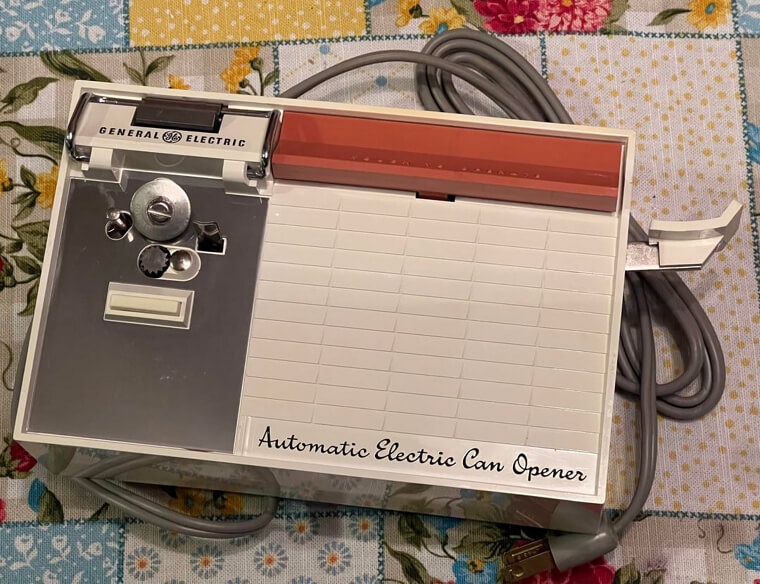
The electric can opener was a revolutionary convenience in the mid-twentieth century, and by the 1970s, many were permanently mounted to the wall or the underside of a cabinet. This saved precious counter space and ensured the tool was always within reach. These units were usually bulky and matched the kitchen's primary color scheme. In the modern era, most people have switched back to small handheld manual openers or sleek cordless versions that can be tucked away in a drawer. Our diets have also changed, with fewer people relying heavily on canned goods for every meal. The sight of a large plastic machine bolted to the wall is now considered a form of visual clutter. In the seventies, however, it was a proud display of mechanical progress and a staple of the daily cooking routine.
Patterned Linoleum Flooring
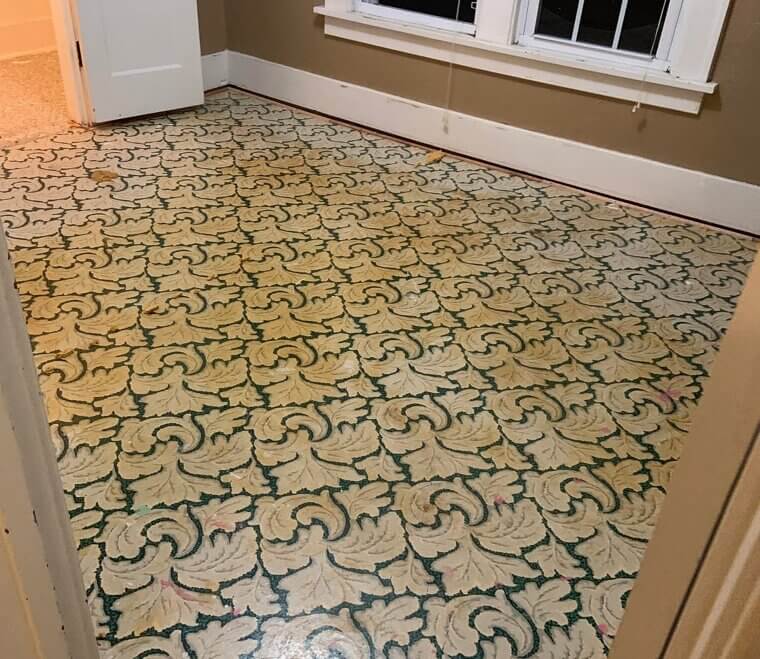
Before luxury vinyl planks and hardwood took over, linoleum was the undisputed champion of kitchen flooring. In the 1970s, this meant busy geometric patterns or intricate floral designs in shades of brown, orange, and tan. These floors were designed to be incredibly resilient and to mask any dirt or spills. The patterns were often so loud that they became the focal point of the entire room. While modern flooring aims for a natural look that mimics stone or timber, 1970s linoleum embraced its synthetic nature. It was soft underfoot and stayed relatively warm, making it a practical choice for large families. Cleaning these floors often required specific waxes to keep the shine, a chore that modern low-maintenance flooring has largely eliminated. You rarely see these bold, repetitive patterns in homes today unless it is a deliberate retro restoration.
The Rotary Wall Phone With Extra Long Cord
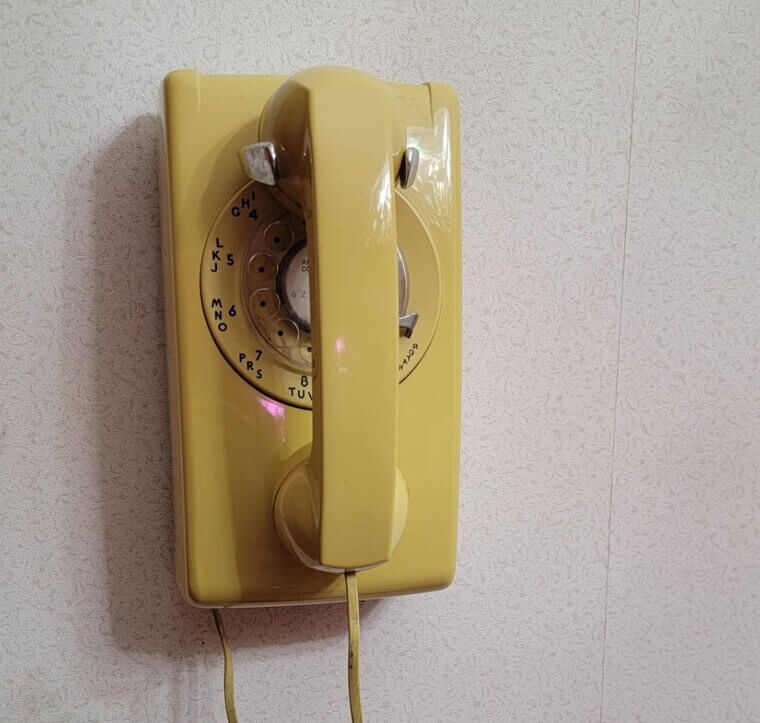
Long before smartphones, the kitchen was the communication hub of the house, usually featuring a rotary phone mounted to the wall. These phones often came with incredibly long, coiled cords that could stretch into the pantry or around the corner into the next room. This allowed the caller some semblance of privacy while they talked. The kitchen phone was a communal object, and the sound of the mechanical bell ringing is a core memory for anyone who lived through the era. Today, phones are personal and portable, making the wall-mounted unit an obsolete relic. The physical act of dialing a number on a heavy plastic wheel is a slow process that contrasts sharply with modern touchscreens. These phones were built to be indestructible and often stayed in the same spot for twenty years or more.
Decorative Copper Jello Molds
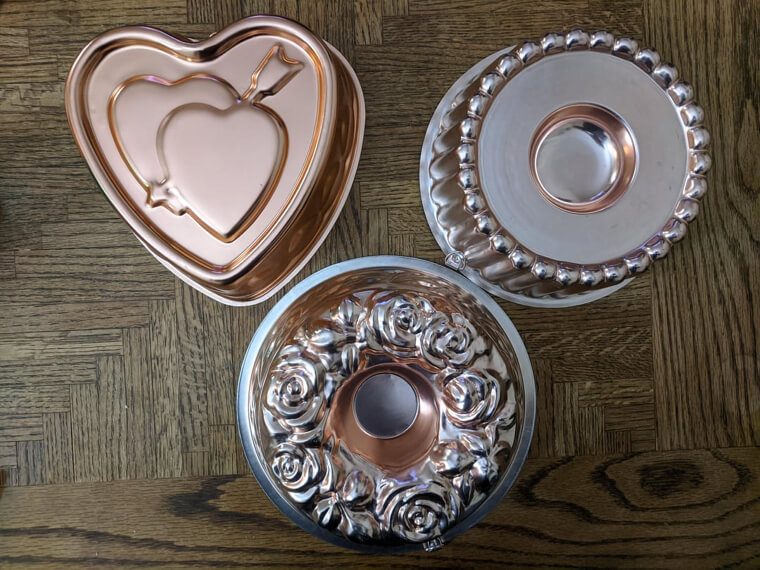
A staple of 1970s wall decor was the hanging copper mold. These came in various shapes, such as pineapples, fish, or stars, and were often displayed in a neat row on the wall. While they were technically functional for making gelatin-based salads or desserts, their primary purpose was aesthetic. They added a metallic shine to the room and complemented the earthy tones of the cabinetry. Gelatin-based dishes were a major culinary trend in that decade, often serving as the centerpiece of a dinner party. As tastes shifted toward fresh ingredients and different dessert styles, the molds became less practical. Today, you might find them in antique shops or being used as planters, but they are no longer a standard feature of a working kitchen. They represent a specific era of hosting and food presentation that has passed.
Tupperware Carousel Organizers
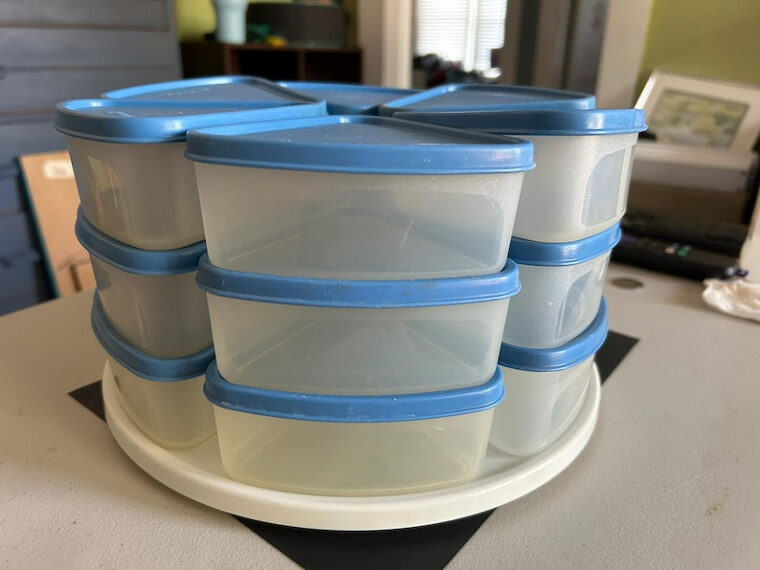
The 1970s was the golden age of Tupperware, and the kitchen was usually stocked with an endless supply of plastic containers in shades like sheer white, orange, and brown. To manage the chaos, many kitchens featured a rotating carousel or a dedicated rack specifically for lids and bowls. This was a time when the Tupperware party was a major social event, and having a complete, organized set was a point of pride for many homeowners. These containers were famous for their "burping" seal and their extreme durability. While plastic storage is still used today, the specific aesthetic and the organized display racks of the seventies have vanished. Modern storage tends to be glass or clear plastic, designed to be hidden away in deep drawers rather than displayed on the counter or in an organized spinning rack.
Built-In Breakfast Nooks With Vinyl Benches
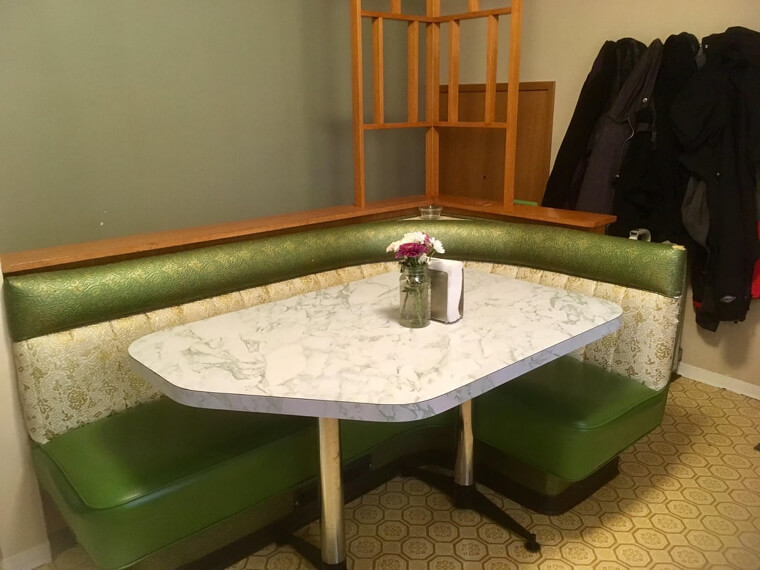
Many 1970s floor plans included a built-in breakfast nook, often tucked into a corner near a window. These featured fixed tables and benches upholstered in thick, padded vinyl. The vinyl was usually a dark color or featured a bold plaid pattern. This was the spot for informal family meals, homework, or a morning cup of coffee. Vinyl was chosen for its ability to be wiped clean instantly, making it perfect for homes with children. Modern kitchens often favor large islands with bar stools or open-plan dining areas that flow into the living room. The enclosed, cozy feeling of a built-in nook has become rare in newer constructions. While some modern designs are bringing the "banquette" back, they lack the specific heavy-duty vinyl and dark wood construction that made the seventies version so distinctive and rugged.
Shag Rugs in the Kitchen
Perhaps the most questionable trend of the 1970s was the presence of carpeting or shag rugs in the kitchen. In an era obsessed with comfort and texture, some homeowners extended the carpeting from the living area right into the cooking space. Smaller shag rugs were often placed in front of the sink or stove to provide a soft surface for the person cooking. From a hygiene perspective, this was a nightmare, as rugs easily trapped grease, food particles, and moisture. Modern kitchen design focuses heavily on sanitation, favoring hard surfaces like tile or polished concrete that can be easily sanitized. The idea of a fuzzy rug in a high-spill zone is now seen as a major design flaw. However, in the seventies, it was just another way to make the house feel as plush and warm as possible, regardless of the practical consequences.