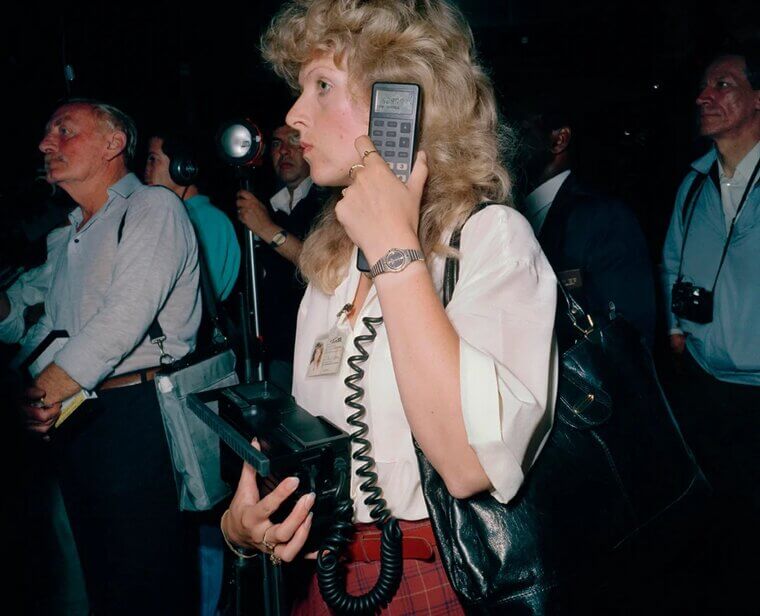
Loading Computer Programs With Floppy Disks
Using a computer meant feeding it floppy disks one after another and praying each one worked. If disk three failed, the whole program stopped, and you started over. It took patience and a little luck. Today, we drag files around in seconds and never deal with the drama of a stack of disks.
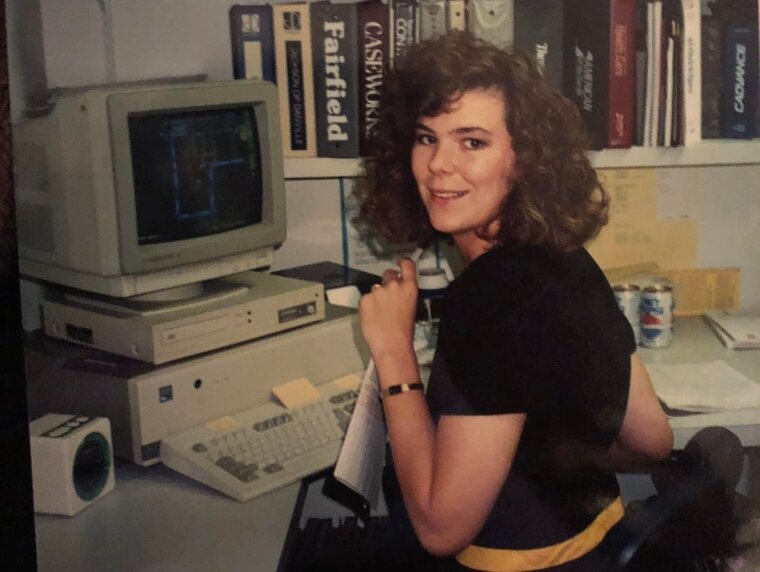
Rewinding VHS Tapes Without Breaking Them
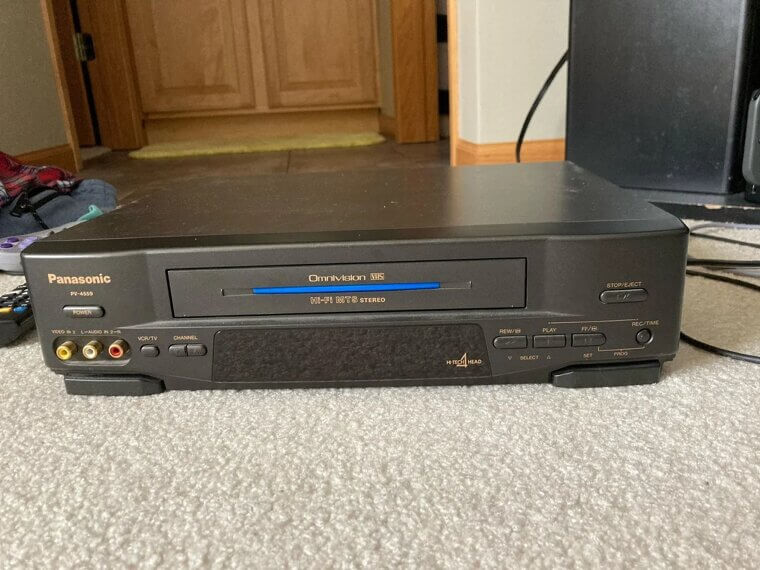
If you grew up in the '80s, you most likely learned how to carefully rewind a VHS tape correctly. If you rewound it too fast, the tape would become tangled, and if you rewound it too slowly, you had to wait for an eternity. Nowadays, you can stream everything with one click. All that careful rewinding practice is officially a retired skill.
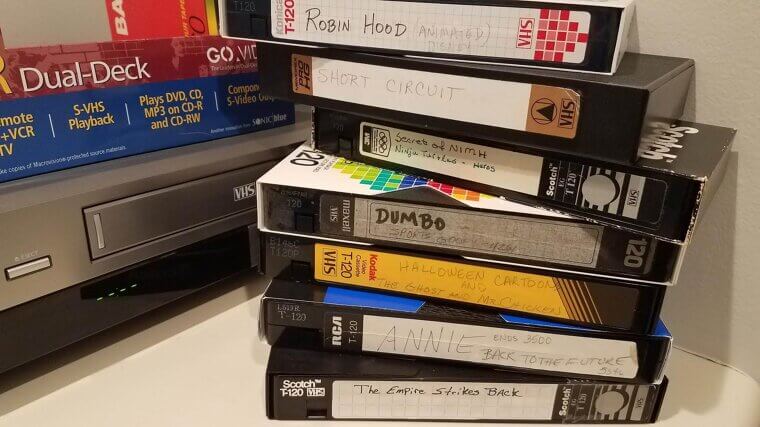
Fixing a Cassette Tape With a Pencil
You felt like a hero of sorts when you saved your favorite song by inserting a pencil into the cassette reel and twisting it back into place. This was a life skill in the '80s, but now we see cassettes as antiquated. And that pencil trick? That's just a fun story we tell.
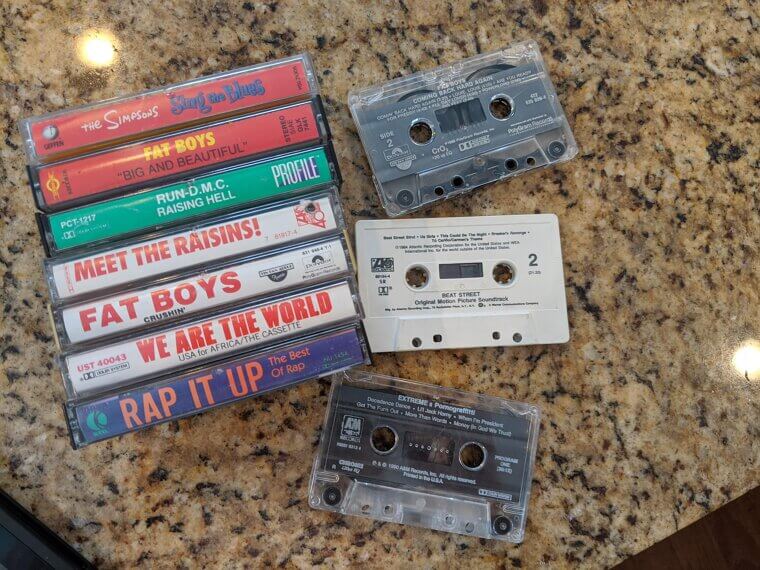
Memorizing Every Friend’s Phone Number
In the '80s, people had to memorize their friends' and family's phone numbers to reach them. Your brain basically worked as its own contact list. Now our phones do the remembering. Ask someone today to recite more than one number, and you will see the confusion kick in.
Tuning a TV With Rabbit Ears
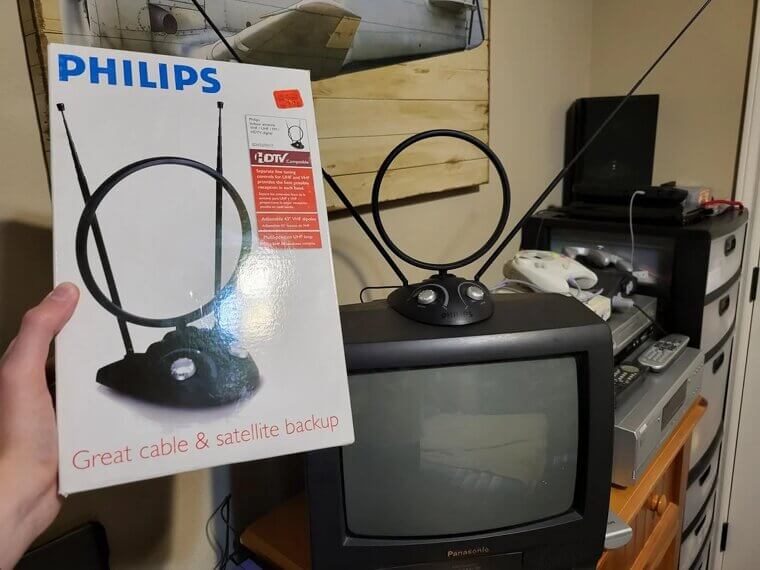
In the '80s, getting a clear picture meant bending and adjusting metal antenna ears like you were trying to unlock a safe. Sometimes you had to hold the antenna while standing in an awkward pose. Watching television today doesn't require the gymnastics that were once necessary; televisions can now automatically tune themselves to deliver the best possible picture.
Programming a VCR to Record Your Shows
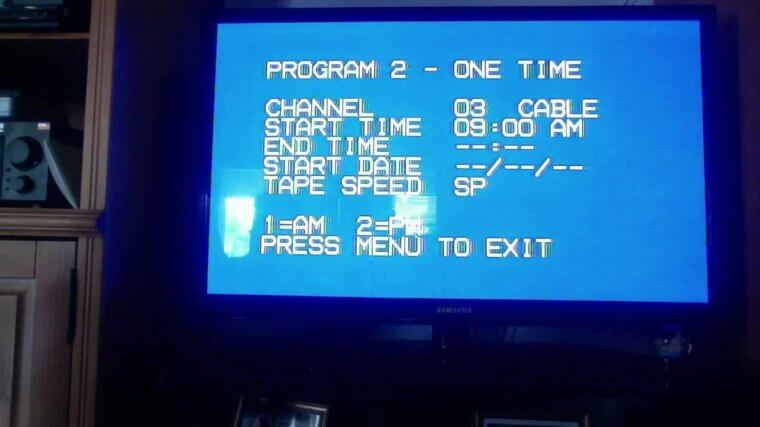
Setting up a VCR to record your shows seemed like an impossible task. You had to know the exact time of day, channel, and amount of time you wanted the recording to last for the VCR to work correctly. Most of the time, the VCR displayed 12:00, so it was almost impossible to time your show. Streaming and on-demand shows have made that entire skill vanish.
Blowing Dust Out of Game Cartridges
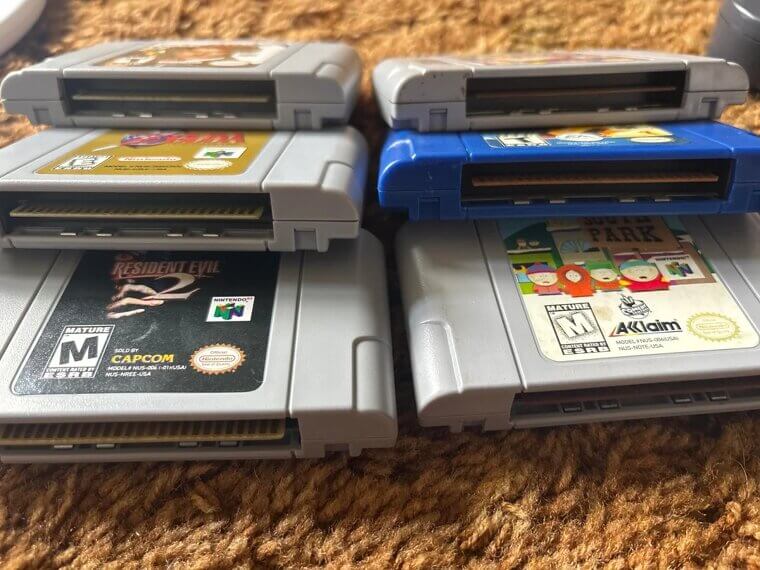
Every single child had convinced themselves that one big puff of air could fix any glitchy video game. It felt like magic. You would blow, reinsert, and hope the game finally loaded. Today's gaming consoles don't need this kind of ritual. The cartridge blow is now just a nostalgic memory.
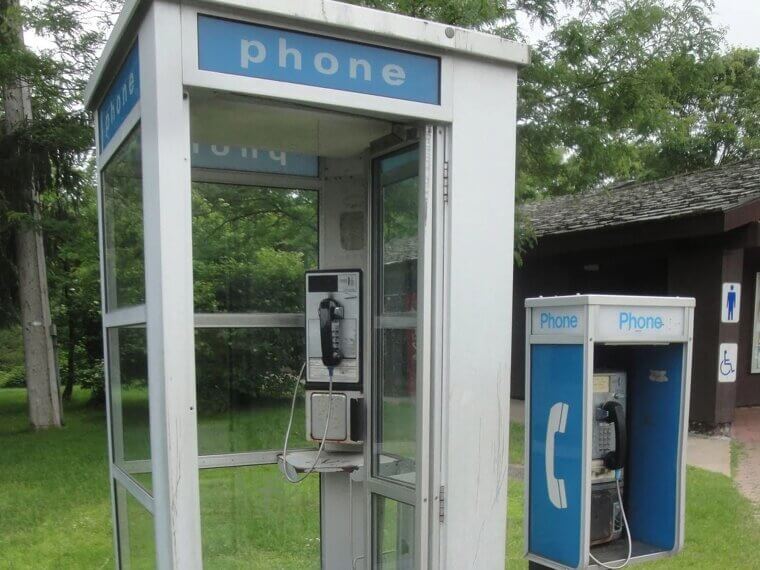
Using a Payphone Without Touching Anything Gross
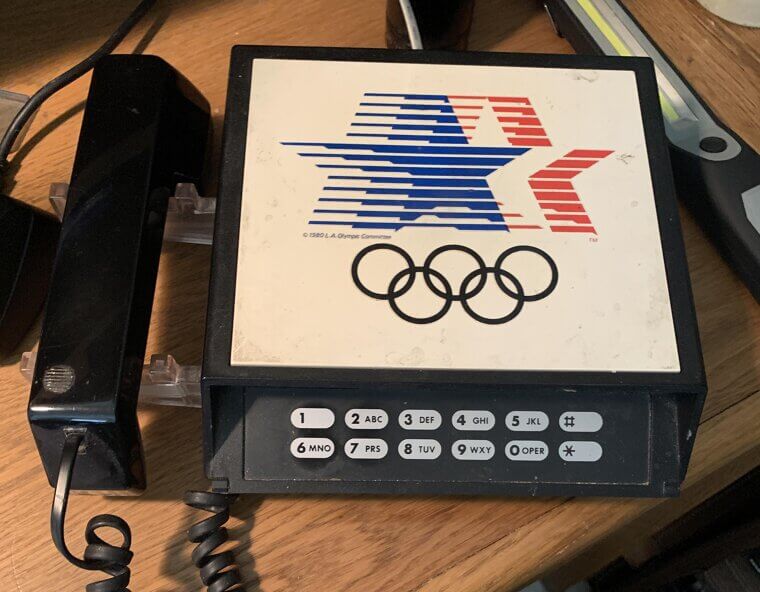
When learning to use a pay phone, speed, precision, and a strong stomach were essential. You needed to keep change ready while avoiding all the disgusting parts of the phone. Children today will never need to search for a phone booth or remember to carry coins around.
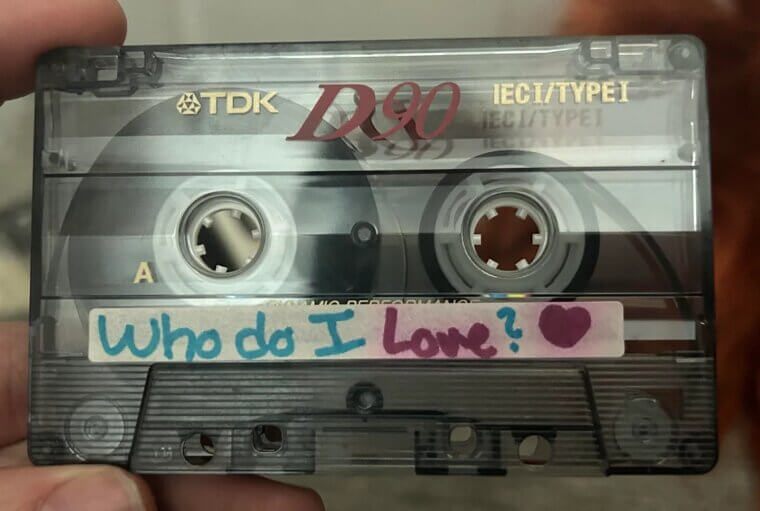
Making a Perfect Mix Tape
Creating a mix tape took patience. You had to sit by the radio, wait for the right song, and hit record without catching commercials. Then you arranged everything so it flowed just right. Now, you can create playlists in a few seconds. The effort, timing, and precision behind '80s mix tapes are long gone.
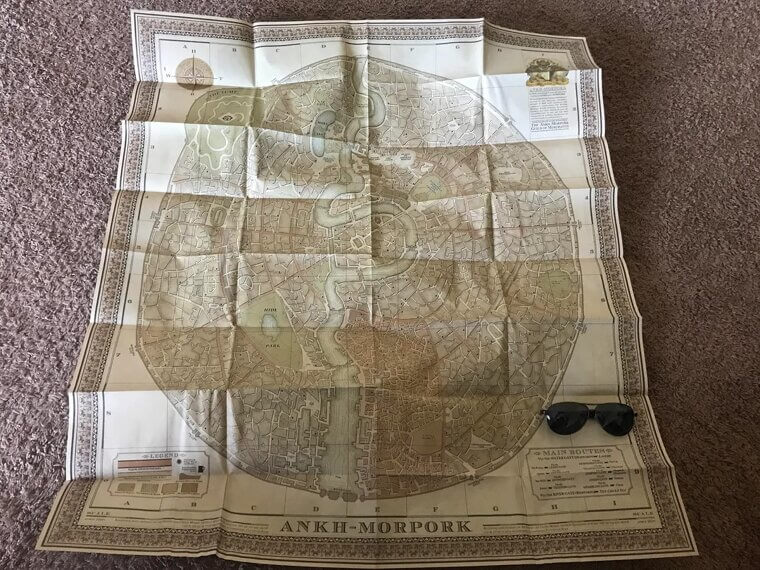
Folding a Paper Map in the Correct Order
Folding a large paper map back to its original form was like solving a puzzle. There was a very specific way to fold it, and if you folded it incorrectly, you ended up with a crumpled map. With the introduction of GPS and electronic maps, we don't have to worry about that anymore.
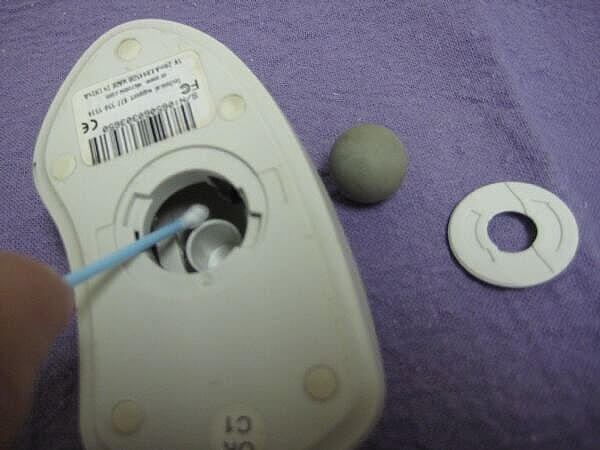
Cleaning a Mouse With a Rolling Ball Inside
Remember when computer mice had tiny rubber balls inside? They would get dusty, stop tracking, and you had to open them up, scrape out the gunk, and put everything back. It felt oddly satisfying. Today's optical mice do not need that kind of maintenance. The skill disappeared along with the ball.
Adjusting the Tracking on a VCR
If your movie looked wobbly or had those snowy lines, you had to fiddle with the tracking button until the picture behaved. It felt like you were performing surgery on your VCR. Now everything plays perfectly on its own, and no one under thirty even knows what tracking is.
Developing Film at a Pharmacy
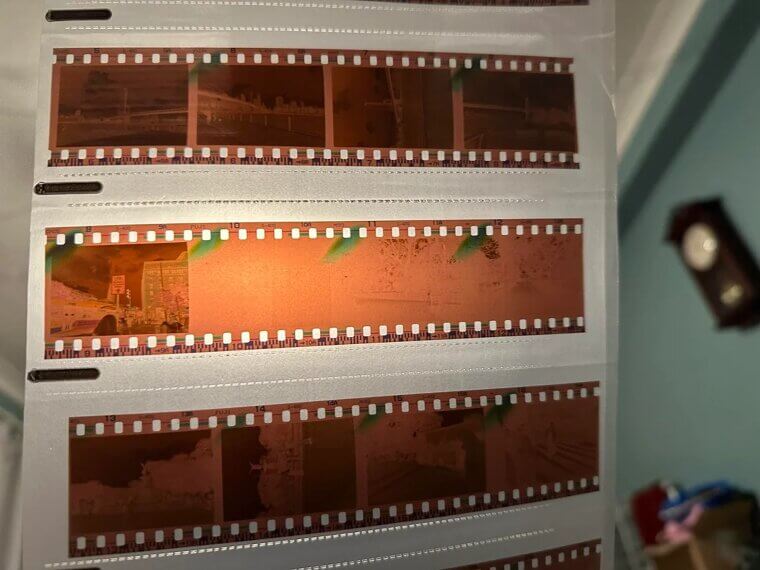
You once had to choose film speed, avoid wasting shots, and wait days to see how your photos turned out. There was real skill in taking pictures without instantly checking them. Today, you can delete ten selfies in a row. The patience and technique behind old school film are long gone.
Using a Rolodex Without Losing Cards
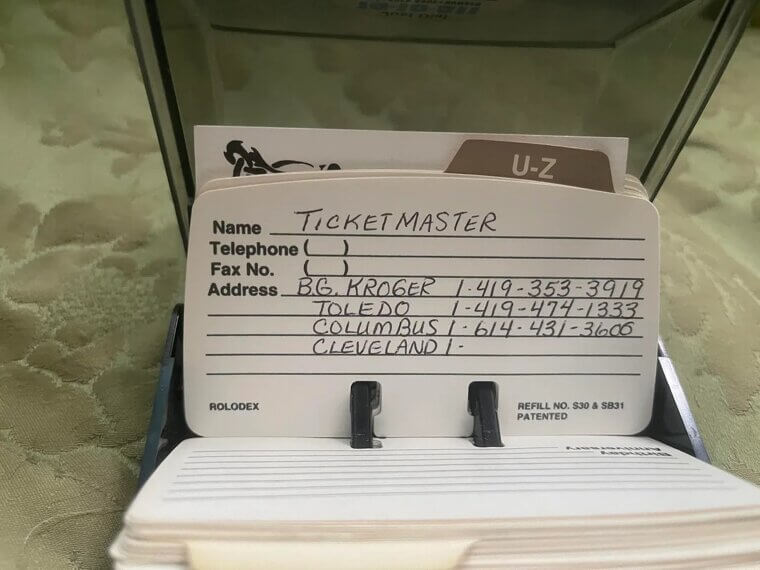
People took pride in having a perfectly organized Rolodex. Each card held precious contact info, and if one fell out, it was a whole crisis. Keeping it neat took effort. Now everything is stored in a phone, and no one has to flip through spinning cards again.
Setting Up a Boom Box for the Best Sound
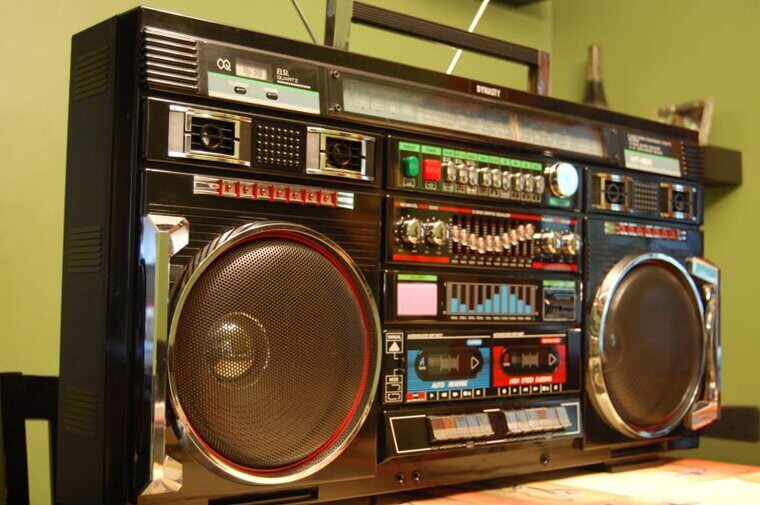
Finding the perfect placement for a boom box took skill. You tried different corners, tweaked the equalizer, and hoped the bass hit just right. Now, speakers practically tune themselves. That hands-on tinkering was a whole vibe in the '80s, but it has definitely disappeared.
Calling Radio Stations to Request Songs
Calling radio stations was an art. You had to dial fast, hope the line was not busy, and politely ask the DJ to play your song. And when it finally aired, it felt like winning a mini lottery. People now stream everything instantly. The art of sweet-talking a radio station is officially outdated.
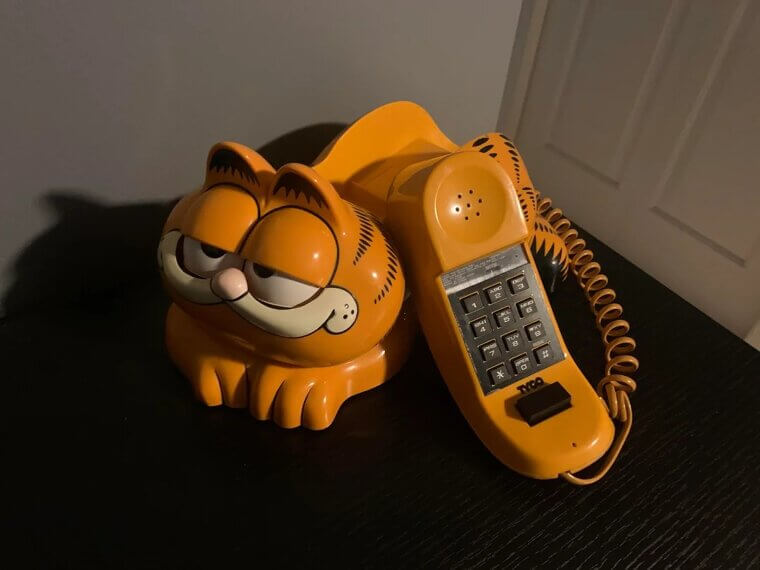
Typing on a Typewriter Without Making Mistakes
Typewriters were unforgiving. One mistake and you had to break out correction tape or start over. Learning to type smoothly and accurately took real practice. Modern keyboards and autocorrect have erased that pressure. And today, many people have no idea how tense typing used to be.
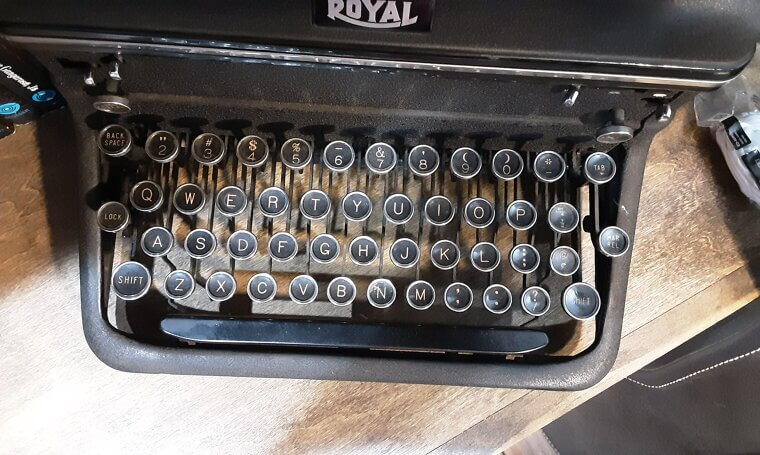
Repairing a Broken Record Needle
When your record player acted up, you needed to diagnose whether the needle was worn, dusty, or bent. Fixing it required a light touch and a little know-how. Streaming music has made record needle maintenance a lost art, except for die-hard vinyl fans.
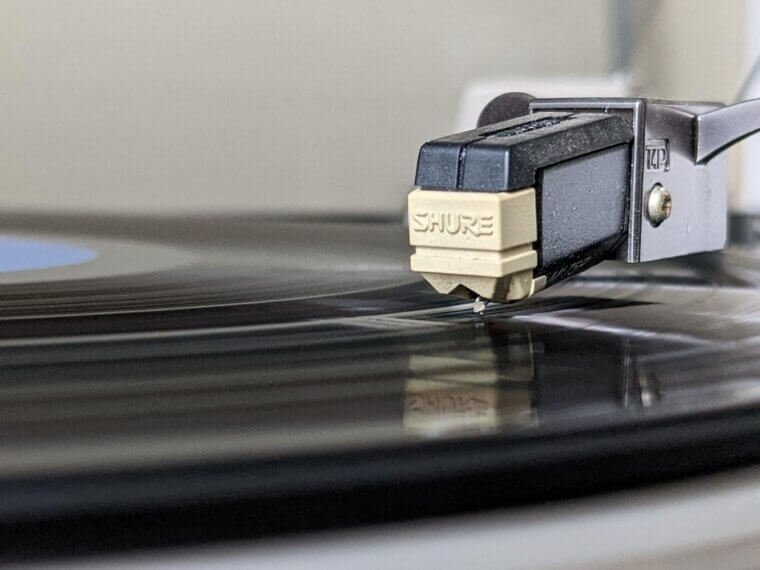
Adjusting the Brightness on Early Computer Screens
Old computer monitors were picky. You had to tweak brightness and contrast knobs until you found that perfect middle ground. Too dark, and you could not see anything. Too bright, and your eyes screamed. Modern screens adjust automatically, making this little skill completely unnecessary.
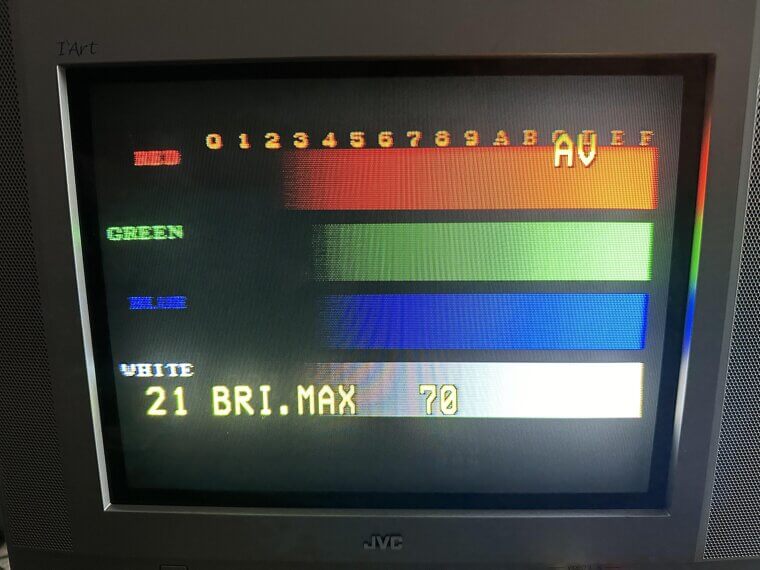
Keeping Track of Long Distance Call Rates
Calling someone far away used to feel like planning a small financial operation. Rates changed depending on the hour, so families learned to call late at night or early in the morning. One wrong decision meant a painful phone bill. Unlimited calling erased that stress completely, making the whole skill outdated.