The Cheerful Compliment Trap
To establish rapport and build trust, the salesperson will typically give you a compliment regarding your taste. They tell you how great you look in that outfit or how "smart" you are for asking such good questions. These compliments are intended to be flattering and make you lower your guard. Once you feel seen and appreciated, you are far more likely to agree with their suggestions.
The Friendly Expert Routine
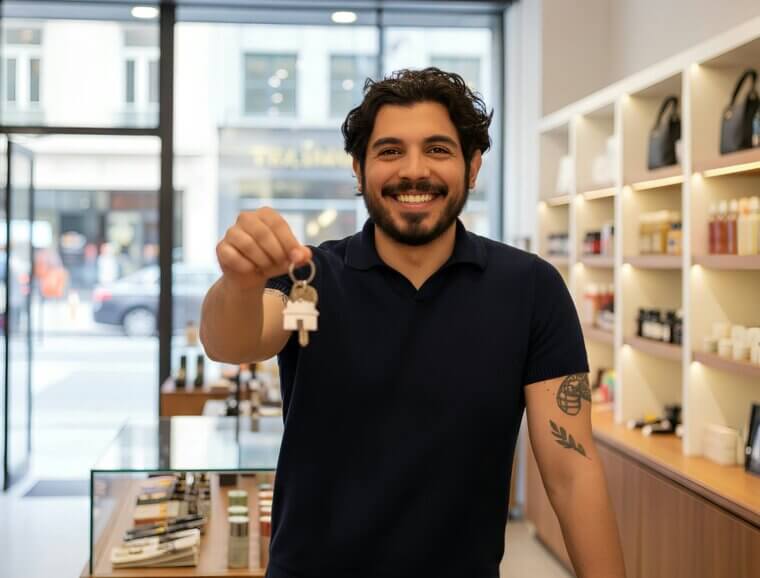
They position themselves as your personal guide. They speak casually, drop little insights, and reassure you that you are asking all the right questions. You feel like you're chatting with a friend who knows the industry, but the goal is to build credibility. Once the salesperson has established themselves as an "expert," you begin to trust their recommendations over your instinct.
The “Just Looking? ” Warm-Up
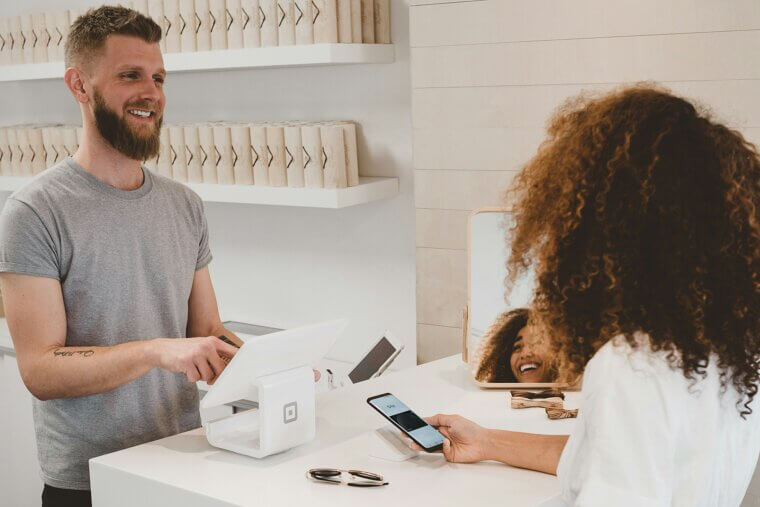
The first thing many salespeople do is to initiate a casual conversation with you. This initial conversation is their subtle way of trying to gauge your mood for buying something at that time. They will then mirror the positive energy from your response, gradually steering you toward a product. It may seem harmless, yet it gets you talking, and talking makes it easier for them to steer the conversation exactly where they want it.
The “Limited Stock” Whisper
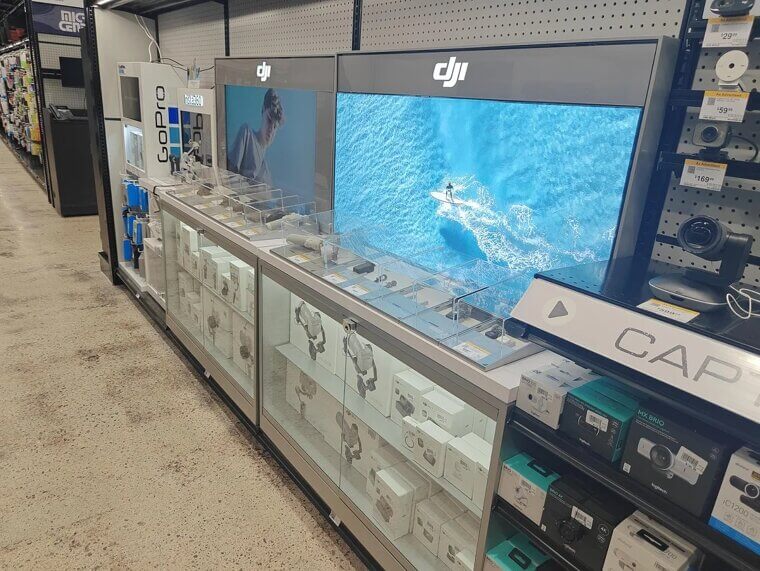
Salespeople create urgency by implying that only a few items remain in stock and that another customer was interested in the same item earlier. Most shoppers suddenly feel a sense of urgency. The pressure is subtle, and because it sounds like insider info, many shoppers fall for it without questioning it.

The “Try It and See” Tease
By getting you to hold, test or imagine the product within your home, you create an emotional connection to it. That emotional connection is just the nudge you need to purchase the product. You feel like you made the choice on your own, but the setup was intentional the whole time.

The Quiet Pause Trick
A salesperson makes a suggestion, then stays silent. That pause feels awkward, so you fill it by agreeing, asking a helpful question or giving them more information. Silence is powerful in sales because most people rush to break it. Before you know it, you are nudged closer to saying yes without them ever pushing directly.

The “People Love This One” Boost
They casually tell you that the product is super popular or that “most customers go for this option.” It taps into that natural urge to follow the crowd. If everyone else likes it, it must be good, right? It feels like harmless small talk, but it is really a way to make you comfortable choosing what they want you to buy.

The “Let Me Check in the Back” Act
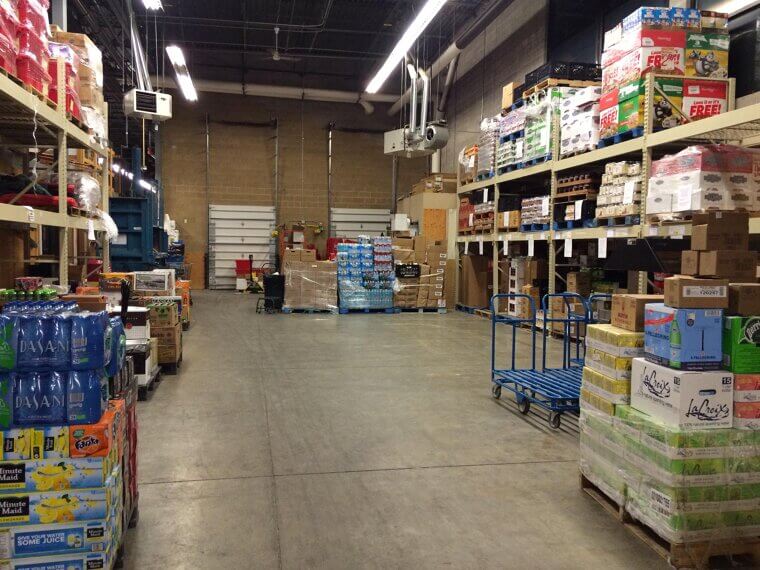
They leave to "find out if they have better prices and specials." You kind of get excited, hoping that they return with the perfect item for you, and this makes you ready to say yes to anything. Even if they return with the same item, the suspense makes it seem more valuable.
The “Budget-Friendly” Reframe
A salesperson breaks down the price into small, digestible installments, and instead of saying the product costs a lot upfront, they present it to you in terms of what would be your daily or monthly payment. Suddenly it sounds easy and reasonable. It is not that the item became cheaper. It is just framed in a way that feels less painful for your wallet.
The Gentle Nudge Toward the Upsell
A salesperson compliments the selection you made, then casually suggests a slightly better version. They say it in such a way that you don't feel like you are being pressured into spending more money. It is friendly, smooth, and usually so subtle that you don't realize you have spent more than you planned to until later on.

The Confidence Mirror
They project total confidence when talking about a product. People naturally mirror emotional energy, and the assurance in their voice starts to rub off on you. They make their opinions sound like facts, which makes your brain stop searching for reasons to turn down the product.

The Warm Personal Story
Some salespeople share a quick story about how they've tried the product themselves and it sounds genuine. They may even tell you how the product solved a problem they had or how it made their lives easier. These types of stories rapidly build trust, as they put you more at ease because it feels like friendly advice from someone you know well. You start seeing the product through their experience instead of your doubts.
The “Let’s Compare Together” Approach
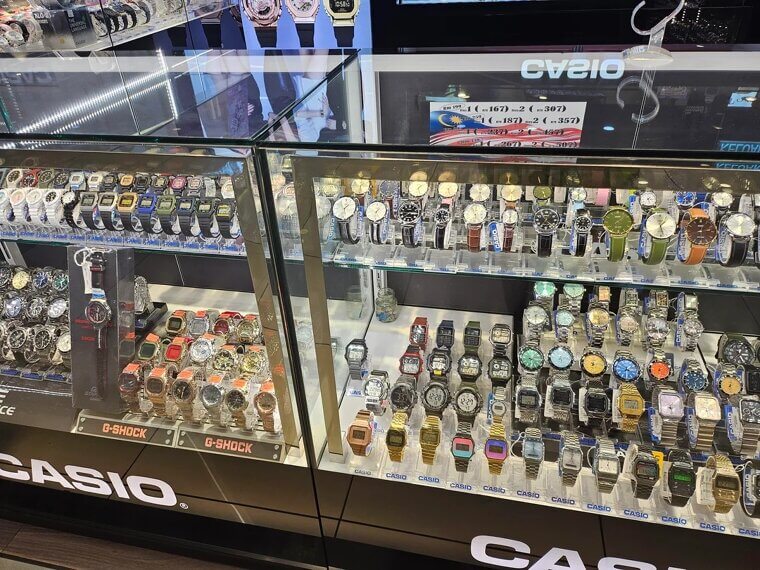
They guide you through two or three options side by side. It feels like you are getting clear, thoughtful help, but the comparison is usually structured so their preferred item looks like the best deal. When someone walks you through choices step by step, you feel supported. Meanwhile, they are steering your decision more than you realize.

The Gentle Confidence Boost
A salesperson tells you something like, “You have a great eye” or “That suits you perfectly.” It feels nice, and it makes the buying moment feel personal. When you feel seen or complimented, you trust the process more. Suddenly the product seems like the right fit because someone validated your judgment right when you were deciding.

The “I Totally Get It” Relatable Moment
They agree immediately with your concern, then guide you toward their solution. If you say something is too pricey, they nod and explain why it is worth it. If you worry about size, they reassure you. That instant validation makes you feel understood, which makes it easier to go along with their recommendation afterward.

The “Just Imagine” Visualization Trick
They get you picturing your life with the product. They tell you to imagine how easy mornings will be with the product or to picture it in your living room. Once your brain starts filling in the blanks, the product feels more necessary. It is a gentle emotional push, not a logical one, and it nudges you closer to saying yes without realizing it.
The “Let Me Walk You Through It” Move
A salesperson guides you through the purchase process step-by-step as though you have already committed to buying the item. This is a subtle but effective tactic. They know many shoppers feel awkward backtracking once they start mentally walking down the path. Before you know it, you are signing papers or clicking the final button simply because the momentum carried you there.

The “Special Favour” Line
They tell you they are doing something extra just for you. Maybe it is a tiny discount or a “manager’s exception.” It feels personal, even though it is something they offer to everyone. When people feel like they are getting privileged treatment, they tend to accept the offer faster and feel grateful rather than cautious.

The Gentle Deadline Reminder
They casually mention that the price might change soon or a promotion is ending today. They say it like a helpful heads-up, not a pushy sales line. But it plants urgency in your mind. You start worrying about missing out, and that fear moves you toward deciding faster than you normally would.

The Friendly Check-In
They reach out a day later with a warm, low-pressure message. Something like, “Just wanted to see if you had any questions.” It sounds caring, but it keeps the conversation going and keeps you thinking about the product. That light touch keeps you engaged long enough to eventually say yes, even if you were leaning toward no.