
Ceylon Cinnamon: The "True" Spice for Steady Blood Sugar
While most grocery store shelves carry Cassia cinnamon, 2026’s metabolic experts urge a switch to Ceylon cinnamon. Often called "true cinnamon," this variety is lower in coumarin, making it safer for daily consumption in the higher amounts needed to support insulin sensitivity. Historically prized in Sri Lanka, it has a delicate, citrusy aroma that pairs beautifully with morning oatmeal or yogurt. Its active compounds reportedly help mimic the action of insulin.
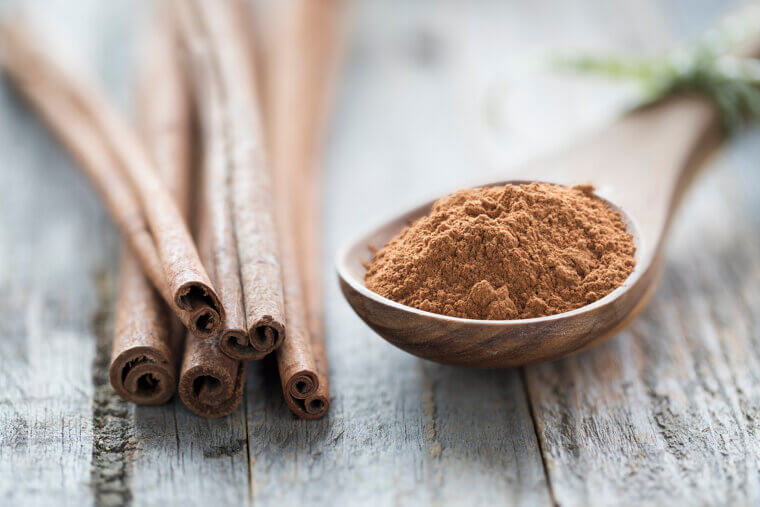
That allows your cells to utilize glucose more effectively throughout the day. This simple swap is a gentle way to keep your energy levels from dipping after meals.
Fermented Black Garlic: A Sweet Way to Help Your Heart
If you find raw garlic a bit too pungent or tough on your digestion, black garlic is your new best friend. Created through a slow-aging process under controlled heat, the cloves turn jet black and develop a balsamic-like sweetness. This process doubles the antioxidant count compared to raw garlic. Rich in S-Allyl Cysteine, black garlic is celebrated for its ability to support healthy cholesterol levels and overall arterial health.
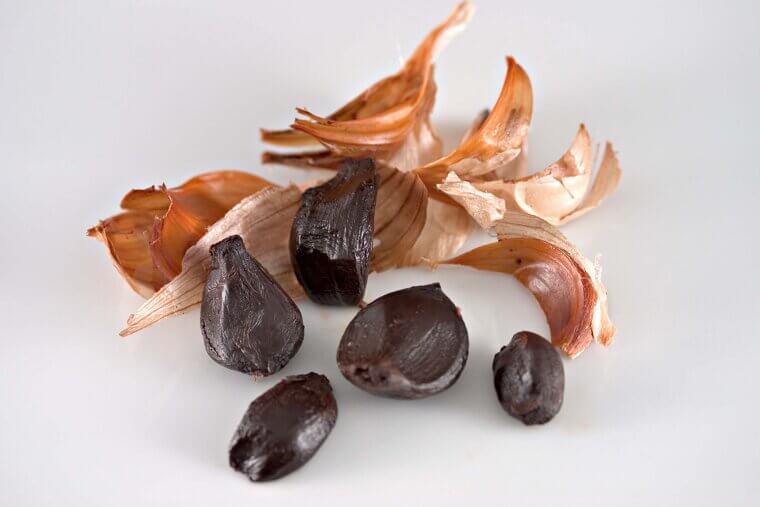
It’s incredibly versatile; try mashing it into a spread for whole-grain crackers or whisking it into a savory vinaigrette to give your salads a sophisticated, heart-healthy boost.
Golden Turmeric: The Ancient Root for Flexible Joints
Turmeric has moved from the back of the spice cabinet to the forefront of modern wellness. Known for its vibrant orange hue, this root contains curcumin, a compound that has been studied extensively for its role in managing systemic inflammation. In the world of metabolic intelligence, keeping inflammation low is key to maintaining a healthy weight and mobile joints. To get the most out of your turmeric, always pair it with a pinch of black pepper.

Black pepper contains piperine—a substance that reportedly increases curcumin absorption by up to 2,000%. It’s perfect in soups, stews, or a warm "Golden Milk" latte.
Zesty Sumac: The Middle Eastern Secret to Antioxidant Power
Often found in Mediterranean kitchens, sumac is a tart, ruby-red powder that offers a refreshing alternative to salt. In 2026, it is gaining fame for its incredibly high ORAC score, which measures antioxidant capacity. These antioxidants help neutralize free radicals that contribute to the aging process. Using sumac is a brilliant way to add "bright" flavor to fish or roasted vegetables without raising your sodium intake.

Research suggests that the polyphenols in sumac may support healthy blood sugar regulation, making it a flavorful ally for anyone looking to maintain a steady metabolic rate as they enjoy their golden years.
Ashwagandha: The Adaptogen That Calms Your Cortisol
While technically a root, ground ashwagandha has become a staple "spice" in the modern kitchen. As an adaptogen, it reportedly helps the body manage stress by balancing cortisol levels. High cortisol is often a hidden culprit behind stubborn abdominal weight and poor sleep, both of which can stall your metabolism. Ashwagandha has an earthy, slightly bitter taste, so it’s best blended into smoothies or stirred into warm almond milk with a bit of honey.

By supporting your nervous system, this ancient Ayurvedic herb helps create the calm internal environment necessary for your metabolic processes to thrive.
Fresh Ginger: The Spicy Digestive Fire Starter
A staple in traditional medicine for centuries, fresh ginger is essential for maintaining "digestive fire," a key component of metabolic intelligence. As we age, our digestive enzymes can sometimes slow down, leading to bloating or sluggishness. The gingerols in this spicy root stimulate saliva and bile production, helping you break down nutrients more efficiently. It also has a thermogenic effect, meaning it can slightly raise your body temperature and rev up your calorie-burning potential.

Grate fresh ginger into hot water for a morning tea or add it to stir-fries for a punchy, metabolism-boosting flavor profile.
Miso Paste: The Savory Probiotic for Gut-Led Metabolism
A healthy metabolism starts in the gut, and miso paste is one of the most delicious ways to support your microbiome. This fermented soybean paste is rich in probiotics—the "good" bacteria that help regulate everything from your mood to how your body stores fat. In 2026, the link between gut health and metabolic health is clearer than ever. Miso provides a deep, savory "umami" flavor that can replace high-sodium stocks in soups and sauces.

Just remember to stir it in at the very end of cooking to keep the live, beneficial cultures active and healthy.
Hemp Hearts: The Nutty Protein Boost for Muscle Maintenance
Maintaining muscle mass is vital for a strong metabolism after 65, and hemp hearts (shelled hemp seeds) are a fantastic, low-effort protein source. They contain all nine essential amino acids and are rich in Gamma-Linolenic Acid, an omega-6 fatty acid that reportedly supports hormonal balance. With a mild, nutty flavor similar to pine nuts, they can be sprinkled over almost anything—from salads to avocado toast.
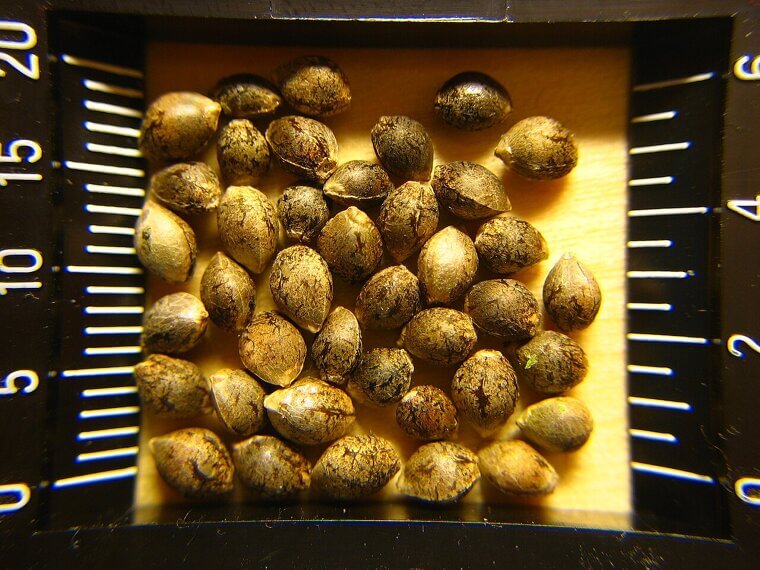
Because they are so nutrient-dense, just a couple of tablespoons provide a significant boost of fiber and healthy fats, keeping you full and satisfied while fueling your metabolic engine.
Saffron: The "Sunshine Spice" for Mood and Appetite Control
Known as the world’s most expensive spice, saffron is worth its weight in gold when it comes to metabolic intelligence. Beyond its beautiful yellow hue, saffron has been linked to improved mood and a reduction in emotional eating. In 2026, researchers are highlighting its potential to help regulate neurotransmitters like serotonin, which can curb the desire for sugary snacks. You can add a few threads to a seafood paella or a simple rice dish.
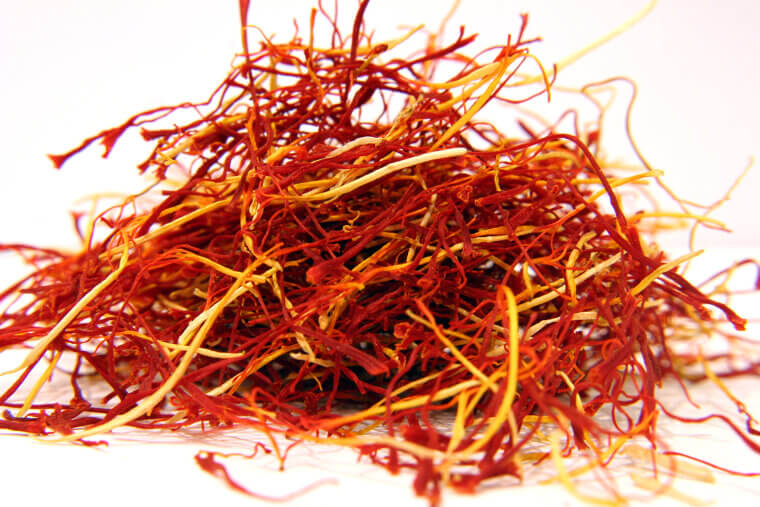
No matter what you add it to, saffron provides a luxurious aroma and a metabolic edge by helping you feel more satisfied and upbeat throughout the day.
Fenugreek Seeds: The Maple-Scented Blood Sugar Regulator
Fenugreek seeds have a unique scent reminiscent of maple syrup and are a powerhouse for anyone focusing on glucose management. These small, angular seeds are incredibly high in soluble fiber, which slows down the digestion of carbohydrates and sugar. This results in a much steadier release of energy into the bloodstream, preventing the spikes and crashes that can fatigue the body over time. You can soak the seeds overnight to soften them for salads.
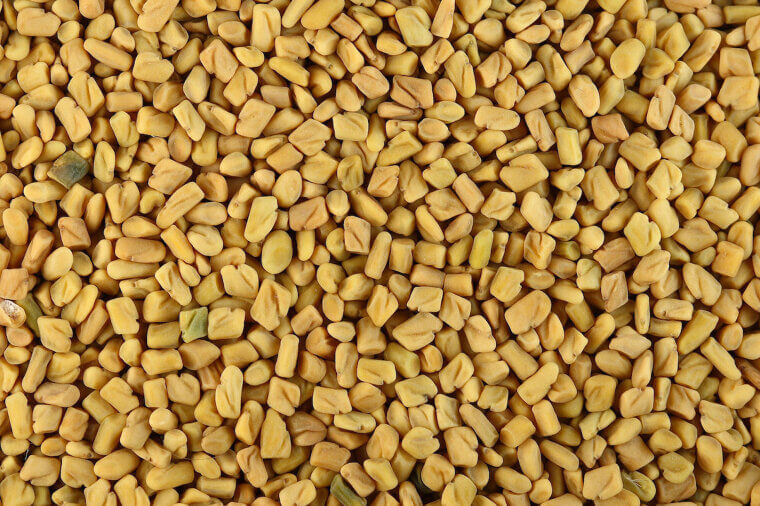
Or you can use the ground spice in curries. It’s a centuries-old remedy that fits perfectly into a modern, metabolically-focused kitchen routine.
Cardamom: The Fragrant Pod for Bloat-Free Digestion
Commonly found in chai tea and Scandinavian pastries, cardamom is more than just a sweet-smelling spice; it’s a potent digestive aid. Its volatile oils reportedly help relax the smooth muscle of the digestive tract, reducing gas and bloating after a heavy meal. In the context of metabolic intelligence, a comfortable gut is an efficient one. Cardamom also has diuretic properties, helping the body gently flush out excess fluids and toxins.
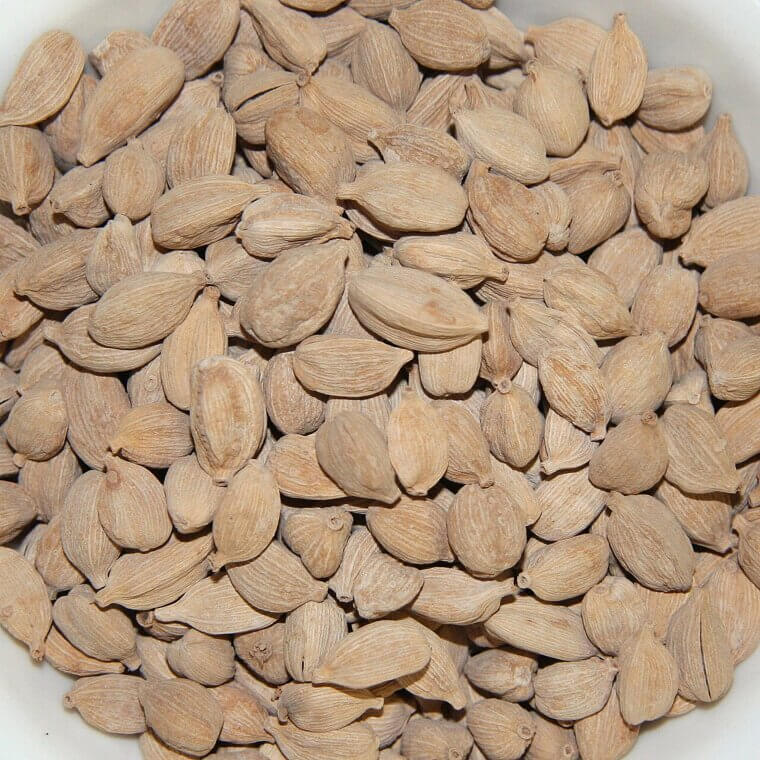
Try crushing a few pods into your coffee grounds before brewing for a Middle Eastern twist that supports your liver and your waistline simultaneously.
Black Cumin (Nigella Sativa): The "Seed of Blessing"
Often called black seed, these tiny charcoal-colored grains have been used for millennia to treat "everything but death." Modern science in 2026 focuses on their ability to improve the lipid profile, specifically lowering "bad" LDL cholesterol while supporting "good" HDL. For those over 65, maintaining healthy cholesterol is a cornerstone of metabolic health. Black cumin has a complex flavor—a mix of onion, black pepper, and oregano.
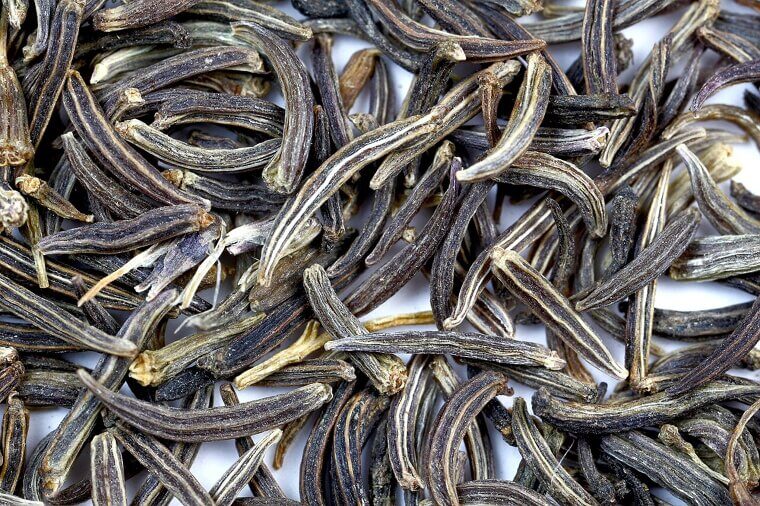
Sprinkle them onto homemade bread or roasted root vegetables to add a layer of protection to your cardiovascular system and a unique pop of flavor to your plate.
Nutritional Yeast: The Cheesy B-Vitamin Powerhouse
If you’re looking to boost your energy without caffeine, nutritional yeast is a must-have. These golden flakes are a complete protein and are typically fortified with B-vitamins, including B12, which is essential for nerve health and energy metabolism as we age. Its savory, "cheesy" flavor makes it a perfect vegan substitute for Parmesan cheese on popcorn, pasta, or roasted broccoli. Nutritional yeast provides the building blocks for cellular energy production.

And that helps ensure your metabolism isn't stalling due to a simple vitamin deficiency, keeping you feeling vibrant and active all day long.
Star Anise: The Licorice-Flavored Immunity Guard
This beautiful, star-shaped spice is the primary source of shikimic acid, a compound used in many antiviral medications. After 65, a strong immune system is a critical part of metabolic health, as frequent illness can drain your energy reserves and lead to muscle loss. Star anise adds a deep, licorice-like flavor to broths, stews, and even poached fruits. Its antioxidant properties reportedly help protect cells from oxidative stress.
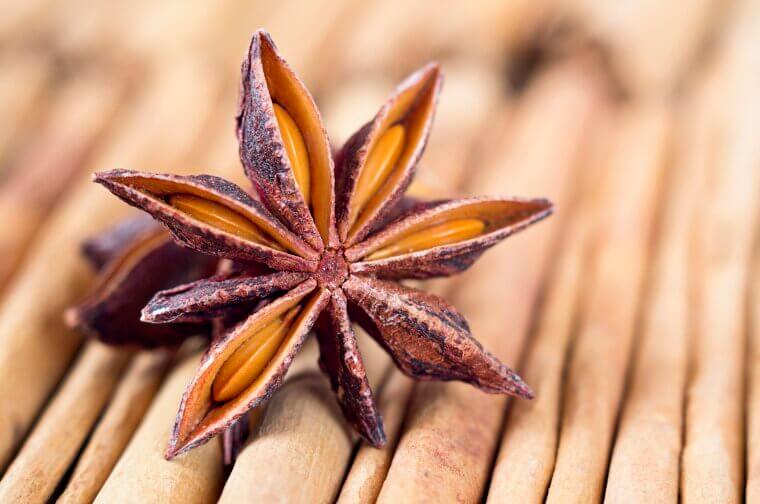
And that ensures your metabolic processes run smoothly without the interference of cellular damage. Plus, its unique shape makes any dish look like a gourmet masterpiece.
Cumin: The Smoky Seed for Iron and Enzyme Support
Cumin is a staple in many cultures for a good reason—it’s a workhorse for the metabolism. It is exceptionally high in iron, a mineral that many seniors may find themselves lacking, which can lead to fatigue and a slowed metabolic rate. Furthermore, cumin reportedly increases the activity of digestive proteins in the small intestine, allowing for better nutrient absorption. Its warm, smoky flavor is essential for chili, tacos, and roasted chickpeas.
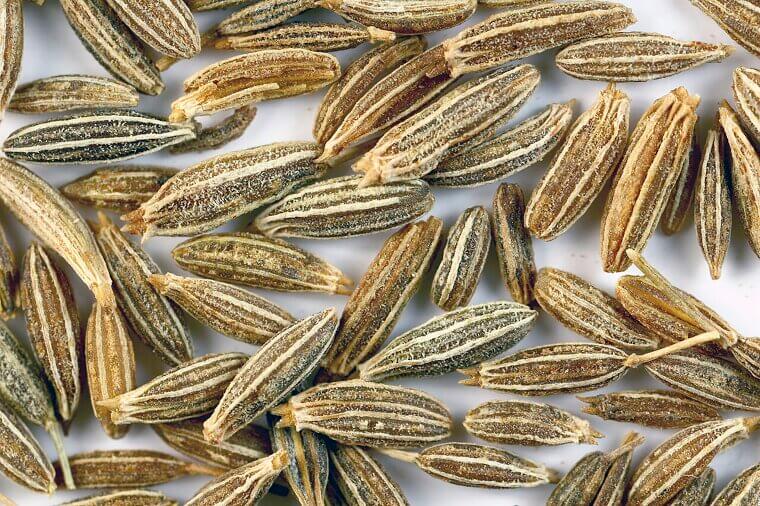
By helping your body extract more value from the food you eat, cumin acts as a catalyst for overall metabolic efficiency and sustained energy.
Rosemary: The Piney Herb for Brain and Memory Support
In 2026, we understand that "metabolic intelligence" includes the brain—the most energy-hungry organ in the body. Rosemary contains carnosic acid, which reportedly helps protect the brain from free radical damage and may support cognitive longevity. When your brain is functioning optimally, your body’s hormonal signals for hunger and satiety are much more accurate. Rosemary’s woody, pine-like aroma is perfect for roasting chicken or potatoes.
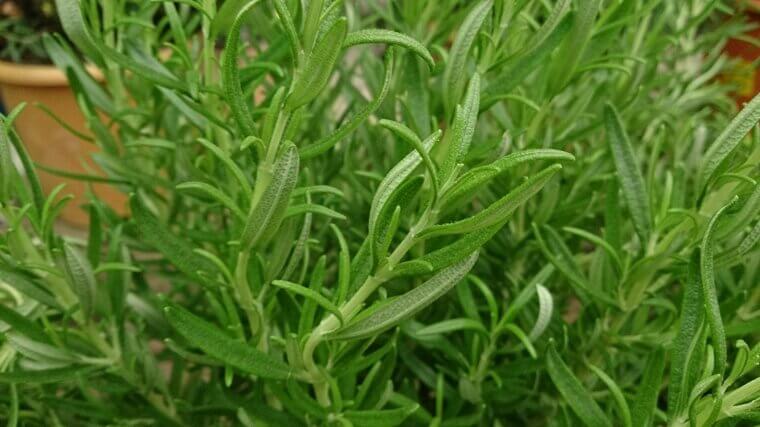
Research also suggests that simply smelling rosemary can improve alertness, making it a wonderful herb to keep on your kitchen windowsill for a quick mental and metabolic "refresh."
Apple Cider Vinegar (with the Mother): The Acidity for Starch Control
While not a spice, apple cider vinegar (ACV) is a liquid gold staple in a metabolically intelligent kitchen. Taking a tablespoon of ACV diluted in water before a starchy meal can reportedly reduce the post-meal blood sugar spike by up to 30%. The acetic acid in the vinegar interferes with the enzymes that break down starch, allowing for a slower, more manageable absorption of glucose. Make sure to buy the kind "with the mother" to get the beneficial enzymes and proteins.
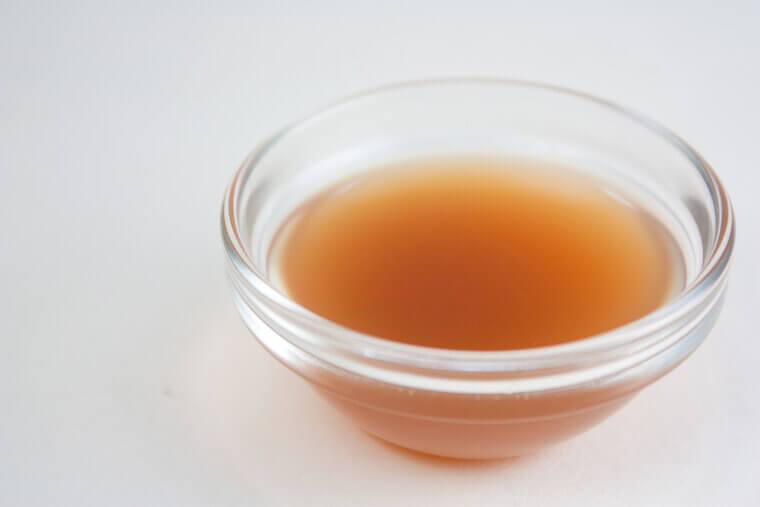
It’s a simple, tart addition to dressings that helps your body handle carbohydrates with much more grace.
Cayenne Pepper: The Fiery Kick for Thermogenic Fat Burning
If you can handle a little heat, cayenne pepper is a phenomenal tool for boosting your metabolic rate. It contains capsaicin, a compound that reportedly triggers "thermogenesis," the process by which your body generates heat and burns more calories. This effect can last for several hours after your meal. Cayenne also acts as a natural appetite suppressant, helping you feel satisfied with smaller portions. Even just a tiny pinch in your morning eggs or even stirred into a hot chocolate can make a big difference.

It can provide a subtle "metabolic spark" that keeps your internal engine humming along more efficiently and keeps you more energized.
Holy Basil (Tulsi): The Sacred Leaf for Blood Pressure
In 2026, Holy Basil, or Tulsi, is being celebrated for its dual role in managing both mental stress and physical metabolic markers. This herb reportedly helps lower blood pressure and cholesterol, both of which are key indicators of metabolic health in those over 65. It has a peppery, clove-like flavor that is much stronger than the sweet basil used in pesto. While it’s often consumed as a tea, you can also chop fresh leaves into salads or Thai-inspired dishes.

By supporting your cardiovascular system, Holy Basil helps ensure that oxygen and nutrients are efficiently delivered to your cells.
Cloves: The Tiny Buds With the Highest Antioxidant Load
Did you know that cloves have one of the highest concentrations of antioxidants of any spice on the planet? Just a small amount provides a massive dose of manganese and vitamin K. Cloves contain eugenol, which reportedly has potent anti-inflammatory and antimicrobial properties. In the kitchen, they add a warm, intense flavor to both sweet and savory dishes, from holiday hams to pumpkin bread. By reducing oxidative stress at the cellular level, the cloves do a lot for your health.
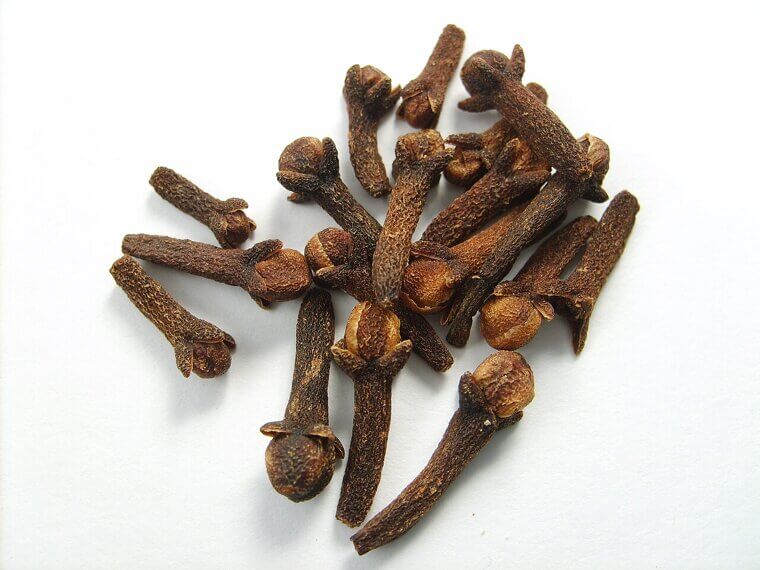
The cloves help maintain the integrity of your metabolic pathways, ensuring they don't become "rusty" as the years go by.
Spirulina: The Blue-Green Algae for Iron and Energy
In the 2026 trend of "super-ingredients," spirulina stands out for its incredible nutrient density. This blue-green algae is nearly 60% protein by weight and is a rich source of bioavailable iron and B-vitamins. For seniors, it provides a gentle energy boost without the jitters associated with caffeine. Its vibrant color comes from phycocyanin, a pigment that reportedly supports healthy kidney and liver function—the organs responsible for filtering toxins and managing metabolism.
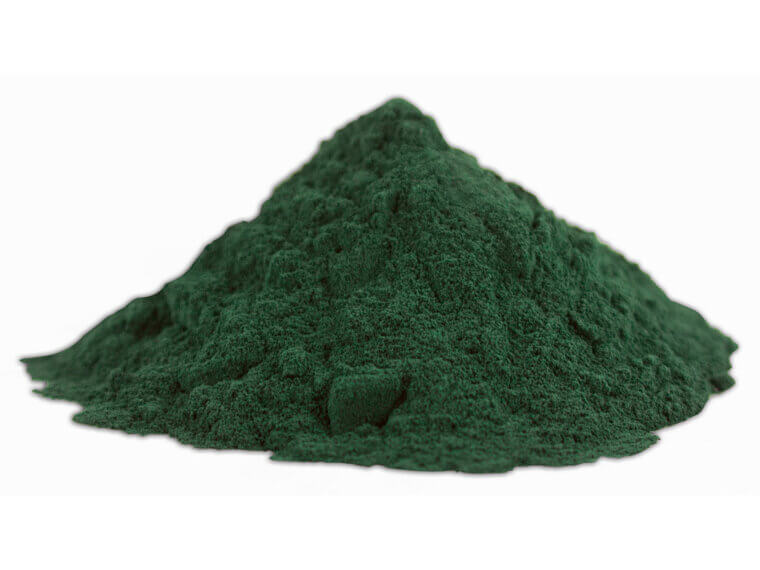
While the taste is "oceanic," it blends perfectly into fruit-heavy smoothies or can be taken as a simple powder mixed into juice.
Ghee (Clarified Butter): The Healthy Fat for Vitamin Absorption
Ghee, or clarified butter, has been a staple of Ayurvedic cooking for thousands of years and is perfect for a modern metabolic diet. Because the milk solids have been removed, it has a high smoke point and is often easier for seniors to digest than standard dairy. Ghee is rich in Butyrate, a short-chain fatty acid that reportedly supports gut lining health and reduces inflammation in the digestive tract. It also helps your body absorb fat-soluble vitamins like A, D, and K.

Using a small amount to sauté your vegetables ensures you’re getting the maximum metabolic benefit from your meal.
Chia Seeds: The Hydrating Fiber for Satiety and Heart Health
These tiny seeds were a staple for Aztec warriors, and in 2026, they are a staple for anyone over 65 looking to maintain a healthy weight. Chia seeds can absorb up to 10 times their weight in water, forming a gel that helps you feel full longer and keeps you hydrated from the inside out. They are packed with omega-3 fatty acids and fiber, which are essential for heart health and regular digestion.
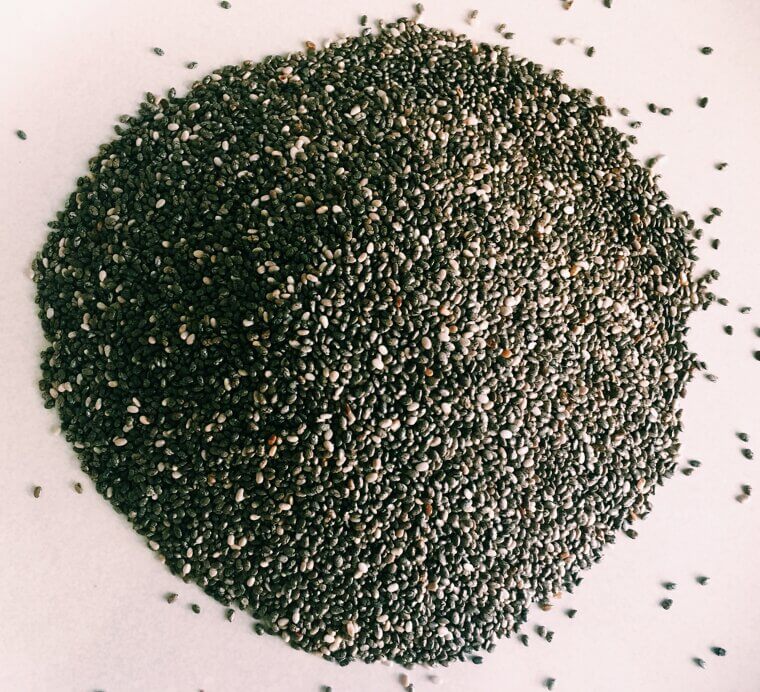
Stir them into your morning oats or make a "chia pudding" with almond milk and berries for a delicious, metabolically-supportive breakfast that keeps you going until lunch.
Sage: The Velvet Leaf for Sharp Thinking and Digestion
Historically, sage was used to ward off the "evils" of old age, and modern science is beginning to see why. Sage reportedly contains compounds that can improve memory and cognitive function, which is a vital part of maintaining your metabolic independence. It also contains rosmarinic acid, which has potent anti-inflammatory effects. Sage has a strong, savory flavor that pairs perfectly with poultry, squash, or browned butter. Sage supports both your brain and your digestive system.

And in doing so, sage helps ensure that your body remains a well-coordinated machine, processing energy and information with equal ease and efficiency.
Mustard Seeds: The Small Grains for Selenium and Myrosinase
Don't overlook the humble mustard seed in your pantry. These tiny grains are a rich source of selenium and magnesium, minerals that support thyroid health—the master regulator of your metabolism. They also contain an enzyme called myrosinase, which reportedly helps your body absorb the cancer-fighting compounds in cruciferous vegetables like broccoli and kale. Toasting the seeds in a little oil until they pop brings out a nutty, spicy flavor that elevates any vegetable dish.
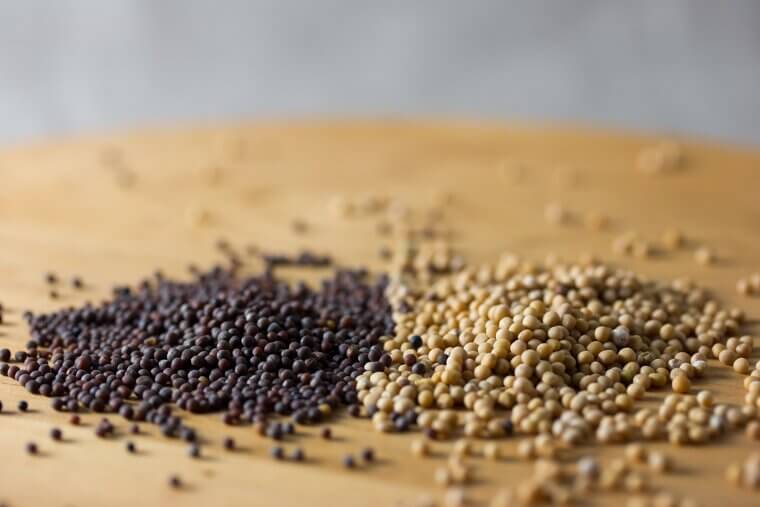
It’s a simple way to "bio-hack" your nutrition and ensure your thyroid is getting the support it needs to keep you energized.
Allspice: The Multi-Tasking Berry for Pain Relief
Despite its name, allspice isn't a blend of spices but a single berry that tastes like a combination of cinnamon, nutmeg, and cloves. It contains quercetin, a flavonoid that reportedly helps manage inflammation and may provide natural pain relief for stiff joints. For those over 65, staying active is the best way to keep the metabolism high, and allspice can help make movement more comfortable. It’s a wonderful addition to stews, marinades, and even desserts.
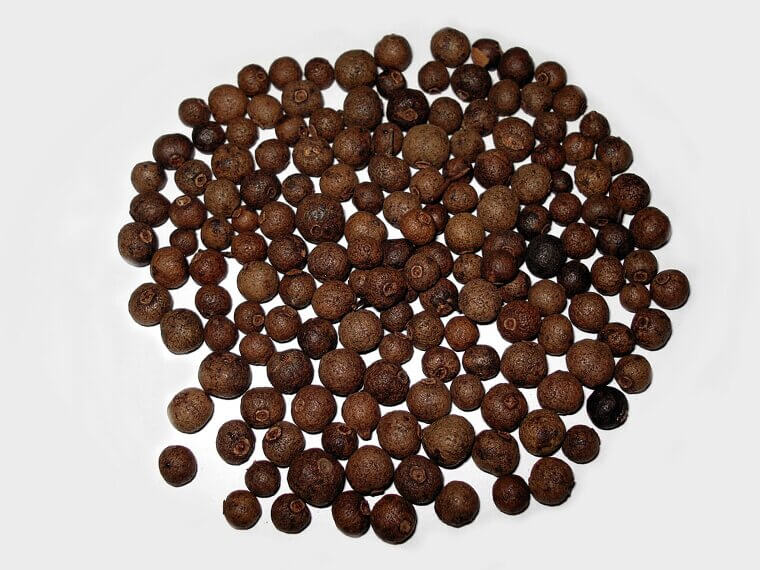
Its warm, comforting aroma also has a calming effect, helping to lower stress-related cortisol and keep your metabolic health on track.
Black Pepper: The Universal Catalyst for Nutrient Absorption
We often take black pepper for granted, but it is one of the most important spices in a metabolic kitchen. Its active compound, piperine, reportedly stimulates the production of hydrochloric acid in the stomach, which is necessary for breaking down proteins and absorbing minerals. More importantly, piperine acts as a "bio-enhancer," significantly increasing the absorption of other nutrients like curcumin and selenium. Freshly ground pepper makes a huge difference.
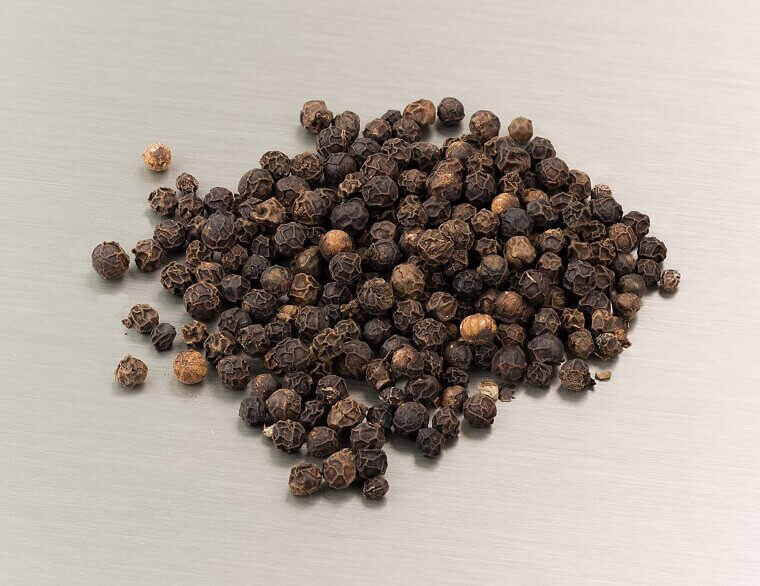
By freshly grinding your pepper onto every meal, you’re essentially "turning up the volume" on the health benefits of everything else on your plate, making your entire diet more metabolically efficient.
Nutritional Dulse: The Seaweed for Thyroid-Boosting Iodine
Dulse is a reddish-purple seaweed that, when dried, tastes surprisingly like bacon when pan-fried. In 2026, it is favored for its high iodine content, which is crucial for manufacturing thyroid hormones. As we age, thyroid function can sometimes dip, leading to weight gain and cold intolerance. Dulse also provides a wealth of trace minerals that are often missing from modern soil-grown vegetables. You can find it in flake form and sprinkle it over salads or soups for a salty, savory kick.

It’s a sea-grown "multivitamin" that gives your metabolism the iodine it needs to stay in high gear.
Oregano: The Mediterranean Herb for Immune Resilience
Rich in carvacrol and thymol, oregano is a powerhouse for supporting the immune system and gut health. These compounds reportedly have natural antibacterial properties, helping to keep your gut microbiome balanced and free of "bad" bacteria that can cause inflammation and slow down your metabolism. Oregano is a classic in Italian and Greek cooking, but it can also be taken as a concentrated oil if you’re feeling under the weather.

By keeping your internal defenses strong, oregano ensures that your body can focus its energy on metabolic processes rather than fighting off minor infections and sluggishness.
Coriander Seeds: The Cooling Spice for Cholesterol Control
Coriander, the seed of the cilantro plant, has a bright, citrusy flavor that is far removed from the soapy taste some associate with the leaves. In 2026, coriander is recognized for its ability to support healthy lipid levels, reportedly helping to lower LDL while maintaining HDL. This is essential for preventing the arterial buildup that can impair circulation and metabolic efficiency in seniors. Coriander also has a cooling effect on the body and can help soothe digestive upsets.
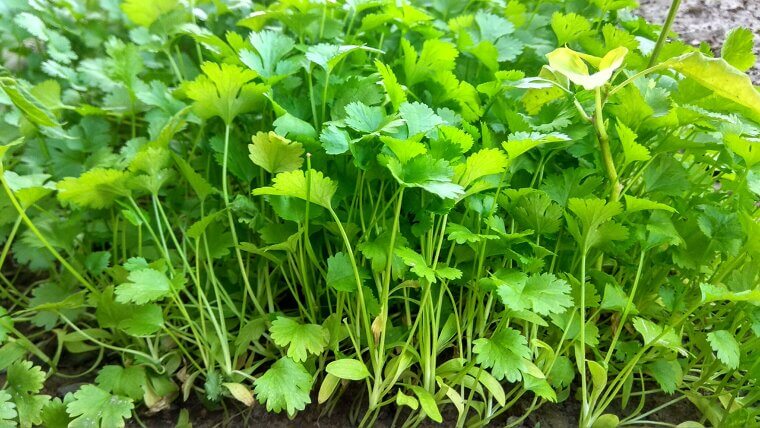
Use it ground in spice rubs for meat or whole in pickles and ferments for a heart-healthy, refreshing flavor profile.
Nutmeg: The Warming Spice for Restful Sleep and Brain Health
While we often think of nutmeg during the holidays, it deserves a year-round spot in your kitchen. Nutmeg contains myristicin, which reportedly helps protect brain tissue and may support a healthy sleep cycle. Since quality sleep is when your body repairs itself and resets its metabolic hormones, a pinch of nutmeg in a warm evening beverage can be a secret weapon for weight management. It also aids in digestion by stimulating the secretion of gastric juices.
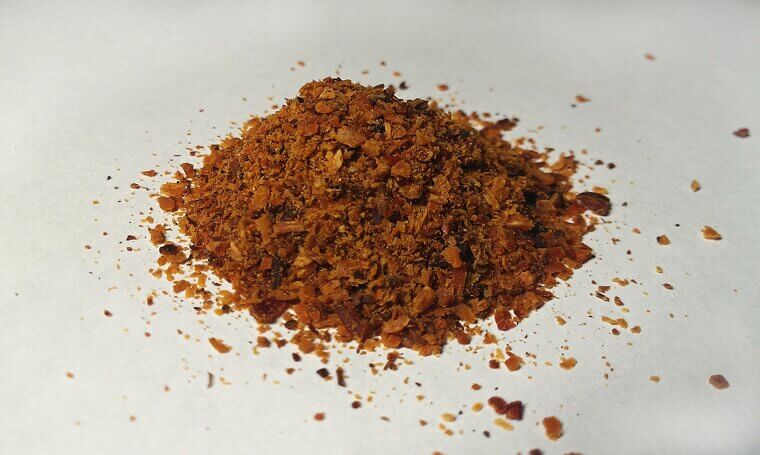
Just a tiny grating goes a long way in adding a complex, sweet-savory depth to your meals and your wellness routine.
Dill: The Feathered Herb for Insulin Sensitivity
Dill is much more than just a garnish for pickles; it’s a potent herb for those looking to manage their blood sugar. Research in 2026 suggests that certain compounds in dill may help activate the enzymes that regulate glucose, making it a natural ally for metabolic intelligence. It is also high in flavonoids and B-vitamins, which support overall cellular energy. Its fresh, grassy flavor is perfect for fish, potatoes, and yogurt-based dips.

By incorporating more dill into your diet, you’re providing your body with the tools it needs to handle sugar more efficiently, keeping your energy stable and your mood bright.
Galangal: The "Thai Ginger" for Anti-Aging and Circulation
Similar in appearance to ginger but with a sharper, more citrusy bite, galangal is a staple of Southeast Asian cuisine that is gaining global popularity. It is exceptionally high in antioxidants that reportedly help protect against cellular aging and improve circulation. Good blood flow is essential for a high-functioning metabolism, as it ensures that oxygen and nutrients reach every cell in your body. Galangal is a key ingredient in many Thai soups.

But you can also use it in marinades for a unique, zingy flavor. It’s a wonderful way to add variety and a potent anti-aging boost to your kitchen.
Parsley: The Green Garnish for Natural Detoxification
Don't leave that parsley on the side of your plate! This common herb is a powerhouse of vitamin K and antioxidants like apigenin. In the world of metabolic intelligence, apigenin is celebrated for its ability to support healthy cellular function and reduce inflammation. Parsley also acts as a natural diuretic, helping the body flush out excess sodium and reduce puffiness. Its fresh, clean taste can brighten up any dish, from grain salads to grilled meats.
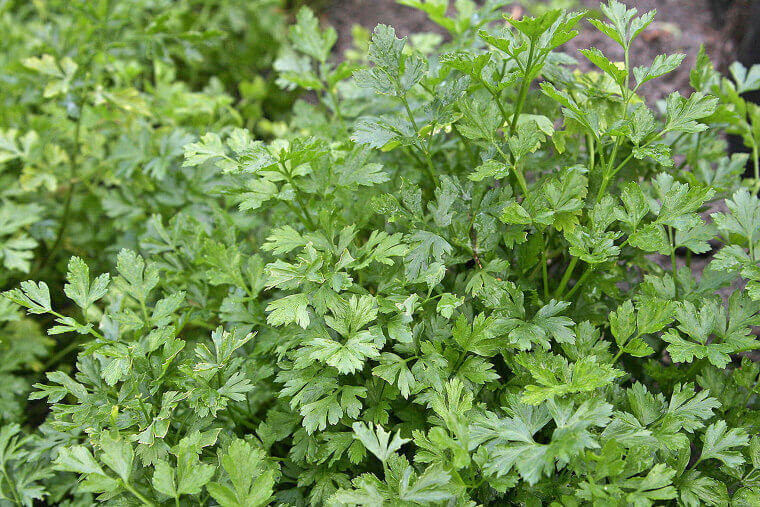
By making parsley a central ingredient rather than an afterthought, you’re supporting your body’s natural detox pathways and keeping your metabolism clean and efficient.
Marjoram: The Gentle Herb for Hormonal Balance
Often overshadowed by its cousin oregano, marjoram has a much sweeter, more delicate flavor profile. In 2026, it is gaining attention for its ability to help balance hormones, particularly in women over 65. Hormonal shifts can often lead to metabolic slowdowns, and marjoram reportedly helps provide a gentle stabilizing effect. It is also known for its ability to improve digestion and reduce the symptoms of stress. Use it in place of oregano for a more subtle flavor in Mediterranean dishes or stir-fries.
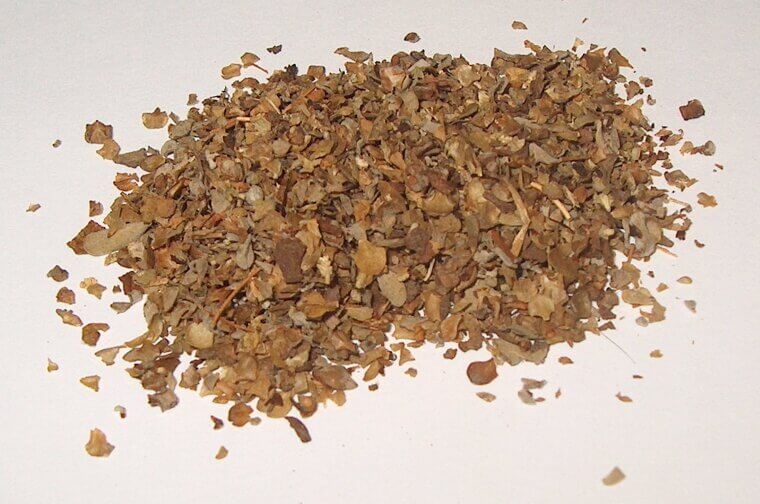
It’s a "quiet" herb that provides powerful, behind-the-scenes support for your overall metabolic and hormonal health.