When Your Neighborhood Becomes a Barrier to Aging in Place
Most older adults want to stay in their homes as they age. However, a safe retirement requires more than just a well designed house. Your surroundings play a huge role in your daily health and independence. A neighborhood that worked well when you were raising children may not fit your needs later in life. Long driveways, lack of transit, and a lack of local shops can lead to isolation and physical decline. It is important to look at your community with fresh eyes to see if it still supports your lifestyle. Recognizing these changes is a smart way to plan for a future that is safe and active. The following points help you judge if your current zip code is still the right place for you to live comfortably.
Loss of Local Gathering Places
A major sign of a neighborhood that no longer fits seniors is the loss of local spots where people meet. This includes small diners, public libraries, or coffee shops. These "third places" are vital because they help people stay social without much effort. For many seniors, these spots are the best way to fight loneliness. When a local shop closes or a community center stops offering senior events, it becomes harder to stay connected. If you notice that you no longer see friends or familiar faces while out on your daily walk, your neighborhood may be losing its social value. A lack of community hubs can lead to a more isolated life, which can hurt both your mental and physical health over time.
Poor Sidewalks and Walking Paths
A good neighborhood for seniors must have safe places to walk. As we get older, small problems with the ground can become big tripping hazards. You should look for red flags like cracked pavement, roots sticking out of the ground, or curbs that are too high to step over easily. It is also important to have benches where you can sit and rest every few blocks. If your city does not fix broken sidewalks or clear away snow and ice quickly, the area is no longer safe for you. Losing the ability to walk outside safely often means you will get less exercise. This can lead to weaker muscles and a higher risk of falling. A neighborhood that is hard to walk in is a neighborhood that limits your freedom.
Faster and Heavier Traffic
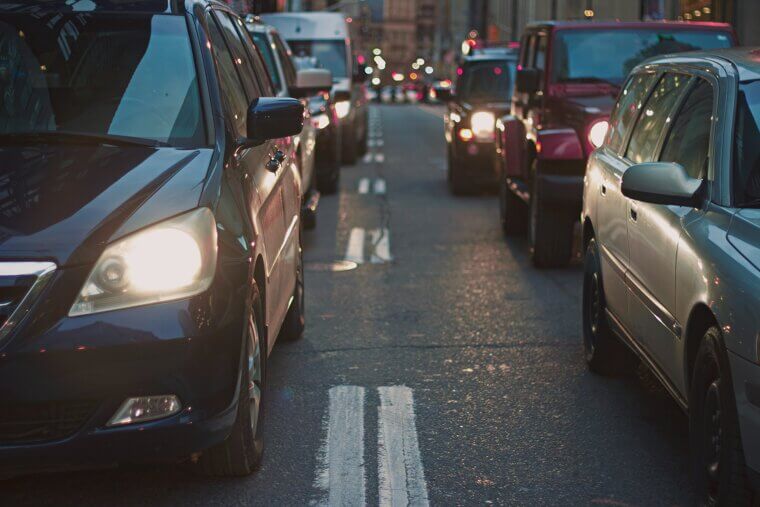
Quiet streets often become busy shortcuts for drivers trying to avoid traffic on main roads. High speeds and more cars make it much harder for seniors to get around safely. Older people often walk a bit slower than younger adults, which means they need more time to cross the street. If you feel like crosswalk signals do not give you enough time to get to the other side, the area is not designed for you. Also, loud traffic noise can make your yard or porch less pleasant to use. When a neighborhood puts fast cars ahead of people on foot, it creates a high stress environment. This can make simple tasks like checking the mail or visiting a nearby friend feel dangerous and overwhelming.
Far Away Medical Care
Being close to a doctor is a top priority as you get older. A sign that your neighborhood is failing you is the lack of nearby clinics and pharmacies. If you have to drive a long way for a simple checkup or a blood test, you are living in a "medical desert." This becomes a huge problem if you ever have to stop driving. Relying on family members or expensive ride services for every medical visit is difficult and stressful. Age friendly areas make sure that healthcare is easy to reach within a few miles. If your current home makes it hard to get to your doctor, you may start skipping important visits. This can lead to health problems that could have been prevented with easier access to care.
Fewer Useful Local Businesses
The strength of a neighborhood shows in its local stores. If you see many empty buildings or stores that only cater to young people, it is a bad sign. Seniors need local grocery stores with fresh food, a post office, and a pharmacy nearby. When these basic stores close, the area becomes less livable. It forces you to travel further for simple needs like bread or medicine. A neighborhood with no healthy food options is often called a "food desert." This makes it hard to maintain a good diet, which is essential for your immune system and energy levels. If your area no longer has the shops you need for daily life, it is no longer providing the support you need to live independently.

Too Much Yard and House Work
Large yards and big houses require a lot of energy to keep up. As strength and stamina decrease, the work needed for a big property can become a burden. If you are struggling to find people to help with mowing the lawn, shoveling snow, or cleaning gutters, the house may be too much for you. Many neighborhoods were built for young families who have the time for constant home repairs. If you look around and see that you are the only one struggling with basic upkeep, the environment has outgrown your physical abilities. Keeping up with a demanding house can lead to injuries or financial stress. Moving to a place with less maintenance allows you to spend your time and energy on things you actually enjoy.
Unreliable Public Transportation
Public transit is a vital safety net for seniors. Even if you drive now, you need a backup plan for the future. A neighborhood is only right for seniors if it has good buses or trains nearby. If the closest stop is too far to walk to, or if the buses rarely run, you could end up stuck at home. Many areas lack special transport for people with mobility issues, which makes it hard to stay active without a car. If the only way to leave your house is by driving yourself, the neighborhood is not built for the long term. Checking the local transit options is a key part of knowing if you can stay in your home. A truly senior friendly area ensures you can get around even without your own vehicle.
Concerns About Safety and Crime
Feeling safe is the most important part of living at home. Seniors are often targets for theft or scams, so a safe environment is a must. If your neighborhood is seeing more crime, such as stolen packages or vandalism, your stress levels will go up. This can keep you from going outside for walks or sitting on your porch. Not feeling safe in your own yard is a major sign that the quality of life in your area is dropping. Research shows that living in a high crime area leads to less physical activity and worse health for older adults. A neighborhood should be a place where you feel relaxed and secure. If you are always worried about your safety, it is time to consider a location that offers more peace of mind.

Lack of Connection Between Generations
While some like living only near people their own age, most benefit from seeing all age groups. A neighborhood becomes less ideal if it loses its mix of people. If an area is full of young workers who move every year, you may never get to know your neighbors. On the other hand, an area with only older adults can sometimes feel cut off from the rest of the world. Seeing children play in a park or having younger neighbors can give you a sense of purpose and belonging. Age friendly cities try to bring different generations together. If your area has no places for people of different ages to meet, it can feel lonely. A good community should have a healthy mix of ages to keep the neighborhood feeling lively and supportive.

Changes in Local Building Plans
Pay attention to how your city is growing. If the local government is only approving huge apartments for young professionals, they may be ignoring the needs of seniors. This often means there are no small houses or one story homes available if you want to downsize. When new buildings take up all the green space and create more noise and crowds, the area becomes less senior friendly. A neighborhood that cares about aging will plan for easy to reach parks and quiet zones. If your local leaders are not talking about "universal design" or accessible housing, they are not planning for your future. If the town's goals do not include the needs of older residents, the neighborhood is moving in a direction that may soon leave you behind.