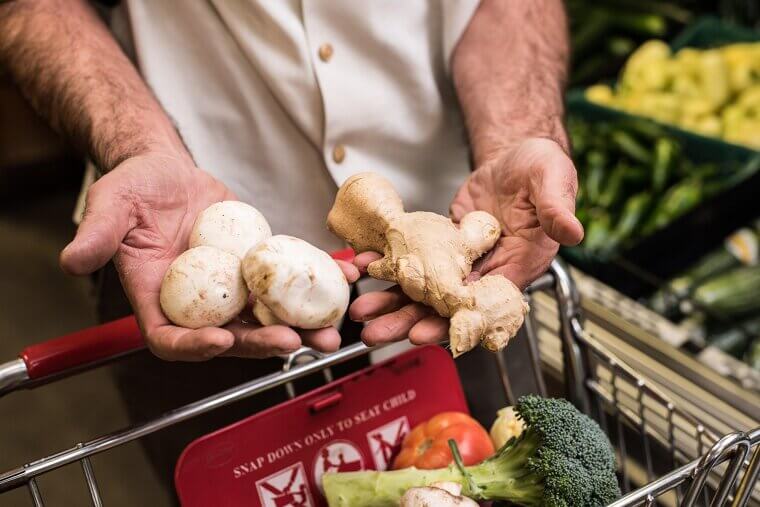
Checking Produce by Touch and Smell
Younger shoppers might give strange looks, but older adults still squeeze tomatoes, sniff cantaloupes, and inspect every piece of fruit individually before adding it to their cart. These aren't random quirks - they're essential skills developed when produce wasn't sealed in plastic containers and you had to judge quality entirely by your senses. In the 1960s and 70s, produce sections featured open bins where you selected each item yourself, learning to identify ripeness by feel, smell, and visual inspection. A gentle squeeze revealed whether a tomato was firm enough for salads or soft enough for sauce. The smell of a cantaloupe's stem told you if it was ready to eat. Modern produce often arrives in plastic clamshells that prevent touching, but older shoppers still seek out loose items they can evaluate properly. Their seemingly fussy selection process reflects decades of experience choosing quality produce that younger generations never developed.
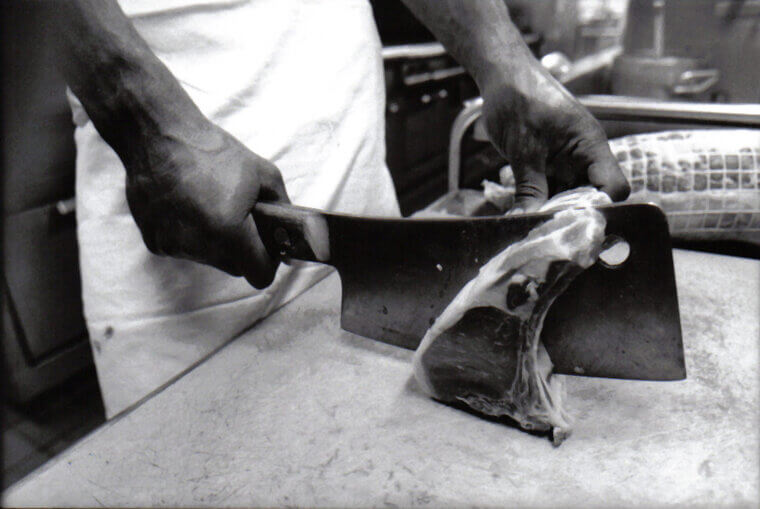
Asking the Butcher to Cut Meat Fresh
Walk into any grocery store today and you'll see older shoppers bypassing the refrigerated cases full of pre-packaged meat, heading for the butcher counter instead. They still ask for specific cuts, custom thicknesses, and exact portions - a habit ingrained from an era when all meat was cut to order and wrapped in white butcher paper right in front of you. Back then, the meat counter was the centerpiece of every grocery store, with skilled butchers who knew their customers by name and remembered how they liked their steaks cut. Today's shoppers grab whatever's in the case without realizing they can still request custom cuts. Some people remember when buying meat meant having a conversation, not just picking up a plastic-wrapped package. The butcher would offer cooking advice, suggest alternative cuts, and trim fat to your preference. That personal service created shopping habits that persist decades later, even as most meat now arrives pre-cut from processing plants.
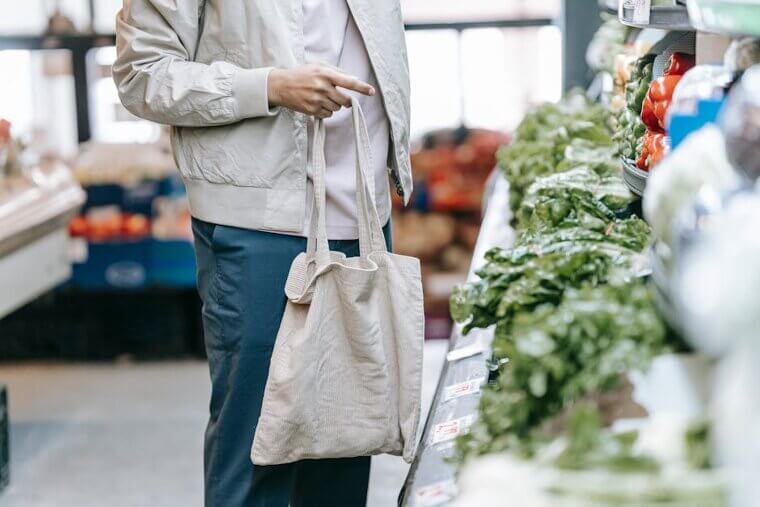
Bringing Reusable Shopping Bags Before It Was Trendy
Long before environmental awareness made reusable bags fashionable, many older adults never stopped bringing their own bags or saving paper bags for multiple trips. This wasn't an ecological statement in the 1960s and 70s - it was practical frugality born from Depression-era parents who taught that wasting anything was shameful. Cloth bags hung by the door, and sturdy paper bags were carefully folded and reused until they fell apart. When plastic bags arrived in the 1980s, some shoppers embraced the convenience while others continued their habits of bringing bags from home. Today's reusable bag movement feels revolutionary to younger shoppers, but older adults just see a return to common sense they never abandoned. The difference is that their habit came from thrift rather than environmental consciousness, though the result is the same. Those canvas bags they carry today often aren't new purchases but the same bags they've used for decades.
Paying With Cash Instead of Cards
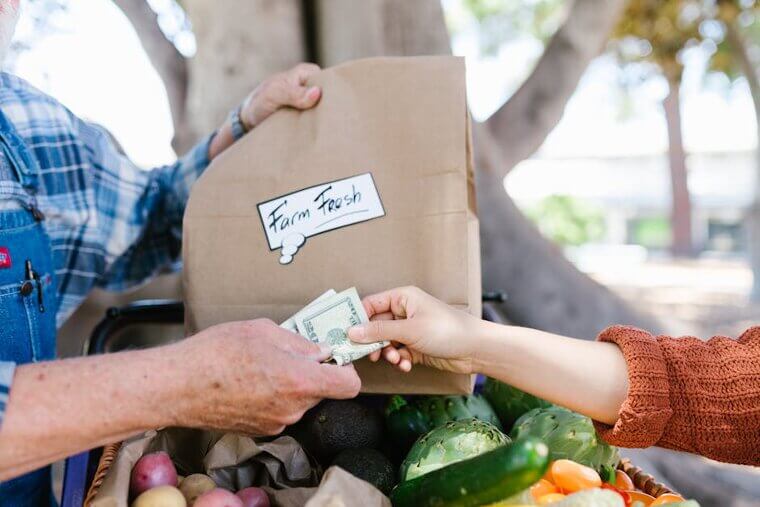
While younger shoppers tap cards and phones without thinking, older adults still pull out wallets full of bills and count exact change at the register. This isn't about lacking modern payment options - it's about maintaining the tangible relationship with money they developed in the 1960s and 70s. Back then, credit cards barely existed in grocery stores, and paying meant handing over physical currency you could see leaving your possession. Cash made budgets real and immediate. When you saw your wallet emptying, you knew to slow down spending. Older shoppers still withdraw weekly grocery money in cash, a practice that creates natural spending limits their parents taught them. They count bills carefully, know exactly what's in their wallet, and feel the weight of spending in a way that card taps never provide. Younger generations view cash as inconvenient, not understanding that this physical relationship with money created financial discipline.
Comparing Unit Prices in Their Head
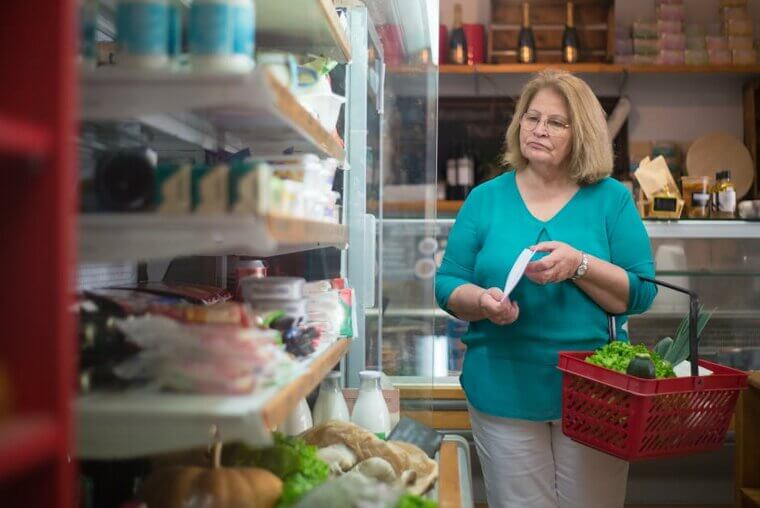
Watch older shoppers in the grocery aisle and you'll notice them pausing, looking at different package sizes, and doing mental calculations before making selections. They're comparing unit prices in their heads - a necessary skill from an era before little price-per-ounce tags appeared on shelves. In the 1960s and 70s, package sizes varied wildly and you had to calculate whether the 14-ounce can at 89 cents was cheaper than the 20-ounce can at $1.19. Stores didn't make these comparisons easy because confusing pricing sold more products. Shoppers who couldn't do quick math paid more. This created a generation of lightning-fast mental calculators who could determine the best value on the go. Even now, with unit prices clearly labeled, older adults still run the numbers themselves, not quite trusting the store's math. Their children and grandchildren just grab whatever package looks reasonable, never considering that size doesn't always equal value.
Asking for Items From the Back Room
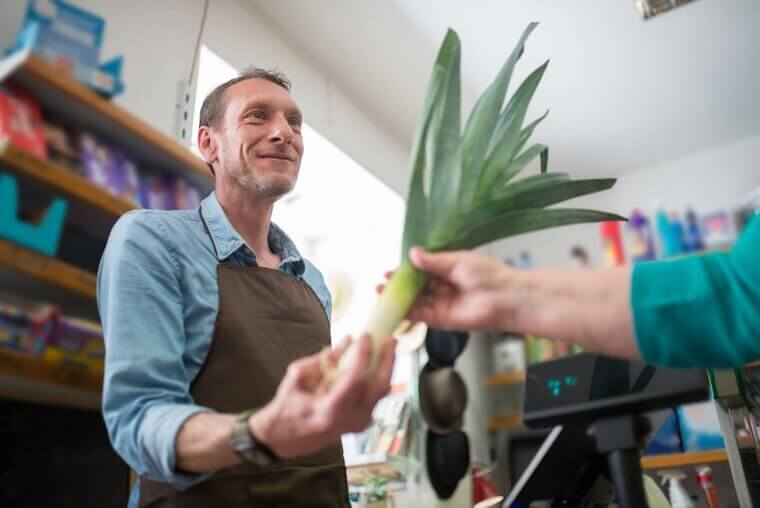
When older adults don't see what they want on the shelf, they still ask employees to check the back room - a habit from when stores kept significant inventory in storage and brought items out as needed. In the 1960s and 70s, grocery stores operated differently than today's just-in-time inventory systems. Storage rooms were full of products waiting to be stocked, and asking for something from the back was completely normal. Employees knew the storage area intimately and could quickly retrieve specific items. Today's shoppers assume that what's on the shelf is all that exists, accepting out-of-stock situations without question. They don't realize that back rooms still exist, though they're much smaller now. Older adults know that asking costs nothing and often produces results, revealing fresher stock or discovering that the item isn't actually sold out. This persistence reflects an era when customer service meant helping people find what they needed.
Shopping With a Handwritten List on Paper
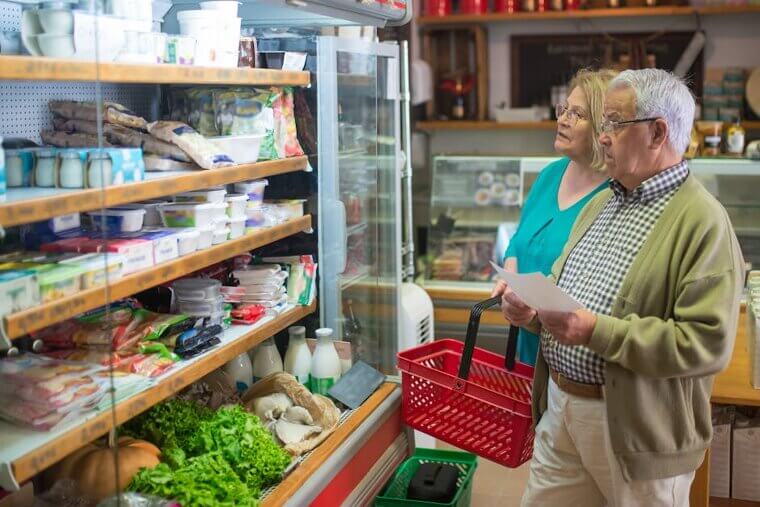
While younger shoppers scroll through phone apps or try to remember what they need, older adults arrive at the store with detailed handwritten lists on notepaper or the backs of envelopes. This habit formed long before smartphones existed, when planning meals and grocery trips required actual organization and forethought. In the 1960s and 70s, you couldn't just run to the store whenever you forgot something - grocery shopping was a planned expedition, often weekly, requiring careful inventory of what you had and what you needed. Women kept running lists on the refrigerator, adding items throughout the week as they ran low. The physical act of writing helped cement what you needed in memory. Today's older shoppers still find comfort in paper lists they can cross off with a pen, providing tangible proof of accomplishment. The idea of relying on a phone that might die feels unreliable compared to paper.
Refusing Self-Checkout Lanes
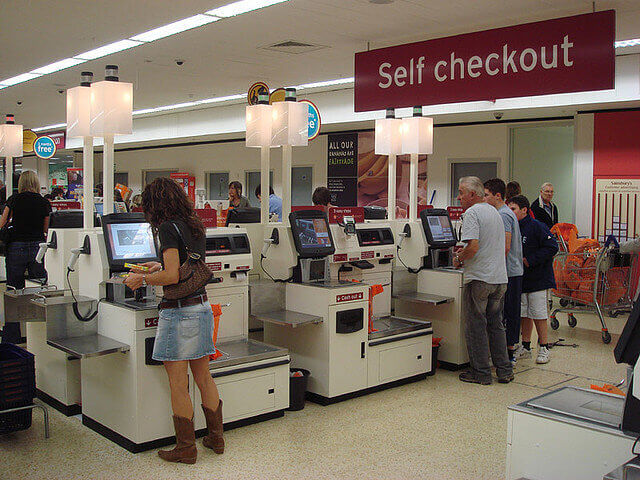
No matter how long the regular checkout lines get, many older adults will wait rather than use self-checkout. This reflects values from an era when human service was the entire point of retail. In the 1960s and 70s, checkout clerks were skilled professionals who knew regular customers, chatted while scanning, and provided a social element to grocery shopping. The idea that you'd do the store's work for them by scanning your own groceries would have seemed absurd. Older shoppers remember when baggers not only packed your groceries but carried them to your car. Self-checkout represents everything wrong with modern retail to them - corporations cutting labor costs while making customers do unpaid work. They also struggle with the interfaces, weight sensors that falsely trigger, and the lack of help when something goes wrong. Waiting for a human cashier means preserving the personal service they grew up with.
Inspecting Bread by Squeezing the Loaf
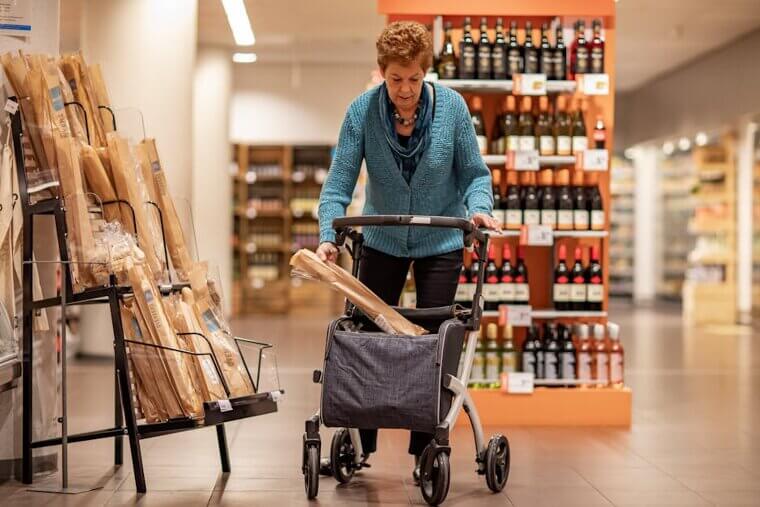
Walk past the bread aisle and you'll see older shoppers gently squeezing loaves through the wrapper, checking for freshness with a practiced touch. This developed in an era when bread often came unwrapped and you judged quality entirely by touch and smell. In the 1960s and 70s, many grocery stores had in-store bakeries where bread was baked daily and sold without packaging. You squeezed loaves to ensure they were fresh, not stale, and soft throughout. The crust should give slightly but spring back - too firm meant it was old, too soft meant it was cheap quality. Even after commercial bread started arriving pre-wrapped, older shoppers maintained their testing habits because they'd learned that packaging hides problems. Modern bread often contains softeners and preservatives that keep it artificially fresh-feeling long past its prime. Some shoppers trust their hands more than expiration dates, knowing that physical assessment reveals truths that labels conceal.
Knowing Seasonal Produce Schedules by Heart
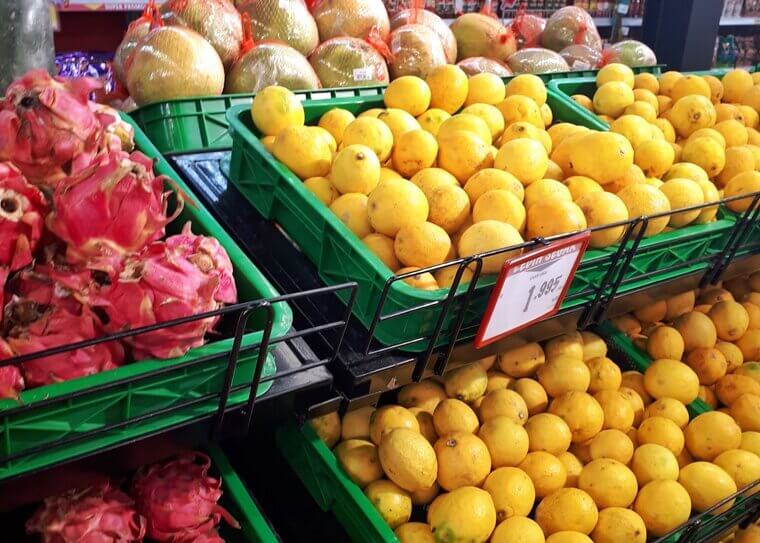
Ask an older adult when peaches are at their best and they'll know - late July through August. They know tomato season, corn season, and exactly when local strawberries arrive because they grew up when grocery stores only stocked what was currently growing. In the 1960s and 70s, you couldn't buy fresh strawberries in January or tomatoes in March because they simply didn't exist in stores. Produce appeared when local farms harvested it, creating natural rhythms to cooking and eating. Families eagerly anticipated first-of-season items, and certain recipes only happened during specific months. This created knowledge of what grew when, passed down through generations of home cooks. Today's younger shoppers find everything available year-round, shipped from other hemispheres. They've lost the concept of seasonality entirely, seeing no difference between January tomatoes and August ones. Older adults still shop by season because they remember the superior flavor of properly seasonal produce.
Buying Smaller Quantities More Frequently
While younger people do weekly shopping trips filling entire carts, older adults still shop several times per week, buying smaller quantities of fresh items each time. This pattern formed when refrigerators were much smaller and food wasn't formulated for extended shelf life. In the 1960s and 70s, a typical refrigerator was half the size of modern models, and freezers were tiny compartments barely large enough for ice cube trays. You couldn't stockpile perishables because there wasn't room to store them. Bread went stale quickly without preservatives, milk spoiled within days, and produce wilted faster. Multiple trips to the grocery store were necessary, not optional. This created a different relationship with food shopping - it was part of the daily routine rather than a dreaded weekly chore. Older adults maintained this pattern because they prefer fresh ingredients over stored ones. The frequent trips also provide social interaction and structure to their weeks.
Chatting With Checkout Clerks by Name
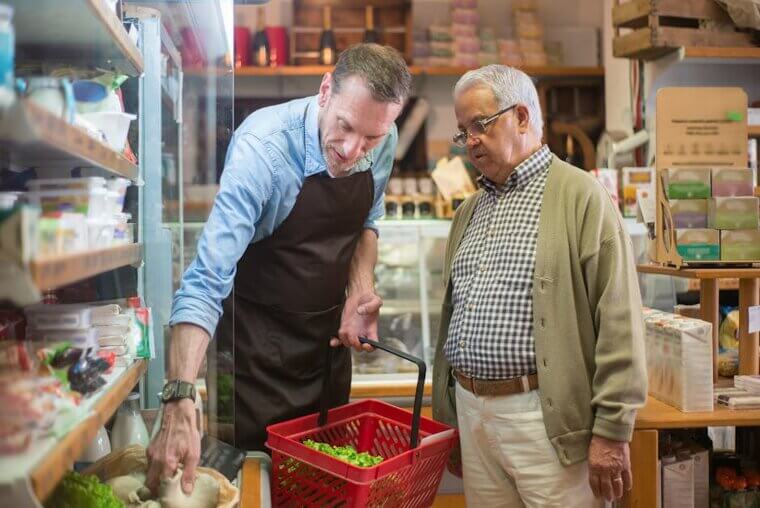
You'll often older adults greeting the cashier by name, asking about family, and exchanging pleasantries as groceries are scanned. This social element seems to slow down the transaction, but for older shoppers, it's part of why they came to the store. In the 1960s and 70s, grocery stores employed the same people for decades, creating genuine relationships between staff and regular customers. Clerks remembered your preferences, suggested new products they thought you'd like, and provided a social connection in an era before people worked from home or communicated through screens. Going to the grocery store meant seeing familiar faces and catching up on neighborhood news. Today's high turnover and self-checkout eliminate these relationships, but older adults still seek out the human connection when possible. They remember cashiers' names, ask about their lives, and treat checkout as a social opportunity rather than a transaction to rush through.