A Taste of Nostalgia: What School Lunches Looked Like in the 1950s
The 1950s represented a transformative era for the American National School Lunch Program. Following the 1946 National School Lunch Act, the mid-century cafeteria became a place of nutritional experiment and social ritual. Moving away from the lean years of the war, the 1950s ushered in an era of "Type A" lunches, designed to provide children with a specific balance of protein, vegetables, fruit, and whole milk. These meals were often prepared from scratch by dedicated "lunch ladies," utilizing surplus commodities provided by the government. Today, we take a look back at the iconic dishes and the unique atmosphere that defined the mid-century school dining experience.
The Rise of the "Type A" Lunch
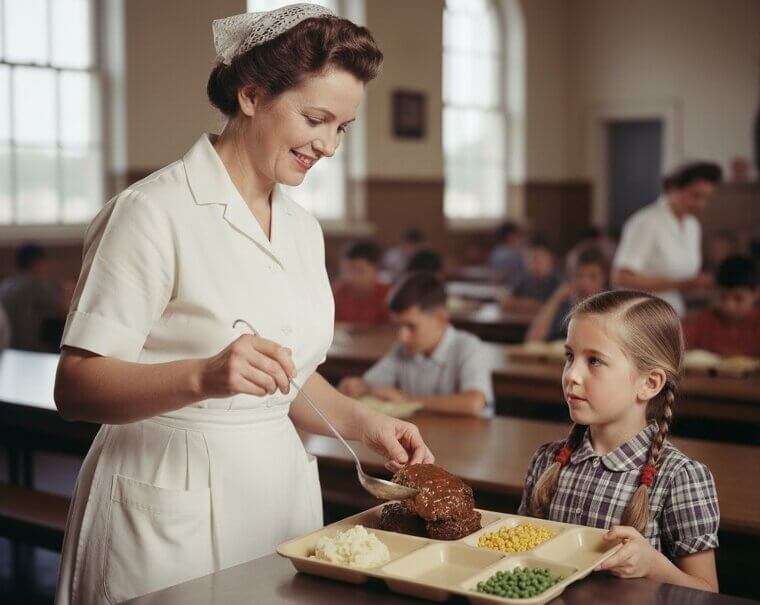
In the 1950s, the USDA strictly enforced the "Type A" lunch requirement to ensure students received one-third to one-half of their daily nutritional needs. This mandate required a serving of protein, two servings of fruits or vegetables, a portion of bread, and a half-pint of whole milk. The goal was to combat malnutrition seen during the previous decade. Cafeterias became standardized hubs of nutrition, where every tray was meticulously balanced according to federal guidelines. It was the first time many children were exposed to a variety of food groups in a single sitting, setting a new standard for public health in education.
Yeast Rolls Baked From Scratch
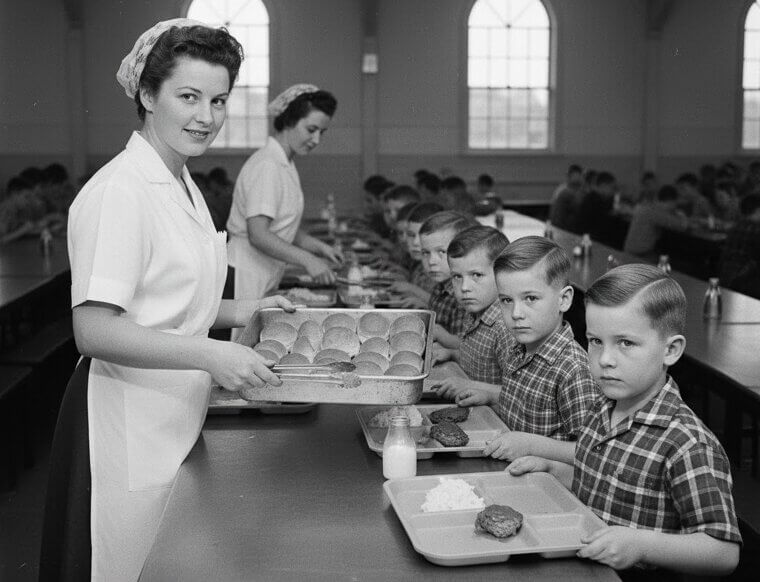
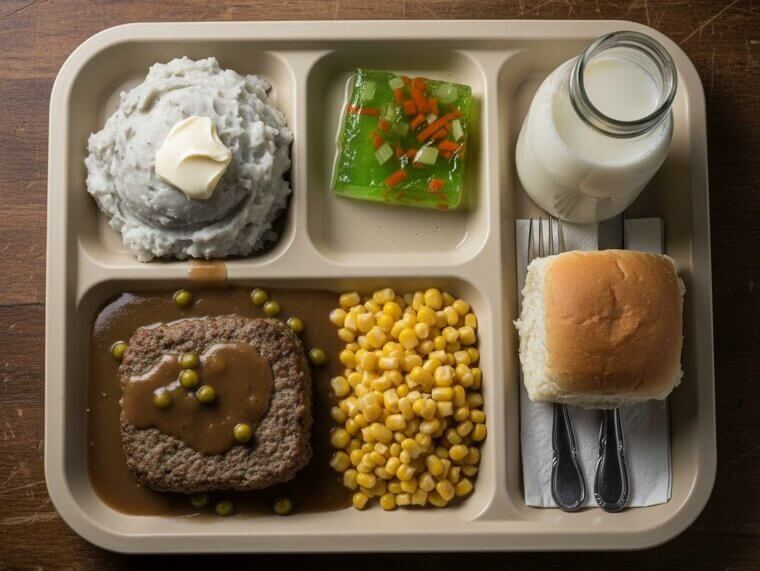
One of the most fondly remembered aspects of the 1950s lunch was the smell of fresh yeast rolls wafting through the hallways. Unlike the pre-packaged, plastic-wrapped buns of today, most 1950s school rolls were handmade by the kitchen staff every morning. These rolls were typically soft, airy, and served warm with a square of real butter. They were used to sop up gravy or eaten as a standalone snack. The quality of these rolls often defined a school's culinary reputation, with "lunch lady rolls" becoming a nostalgic touchstone for an entire generation of former students.
Canned Vegetable Classics
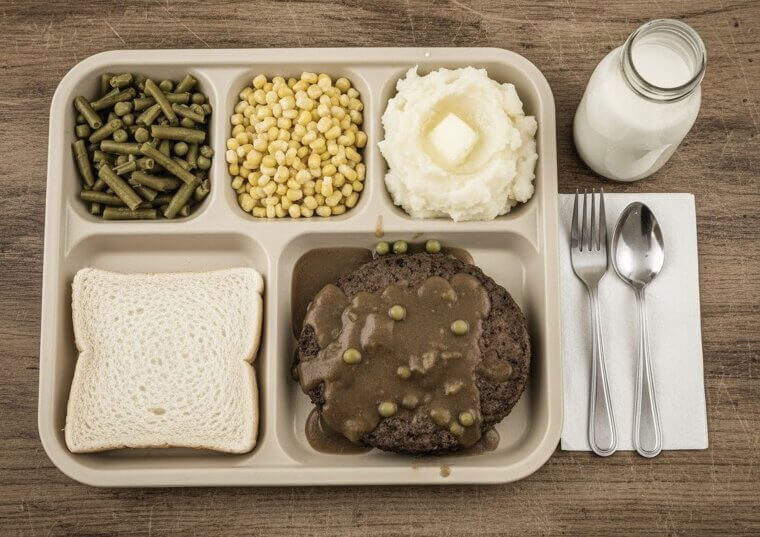
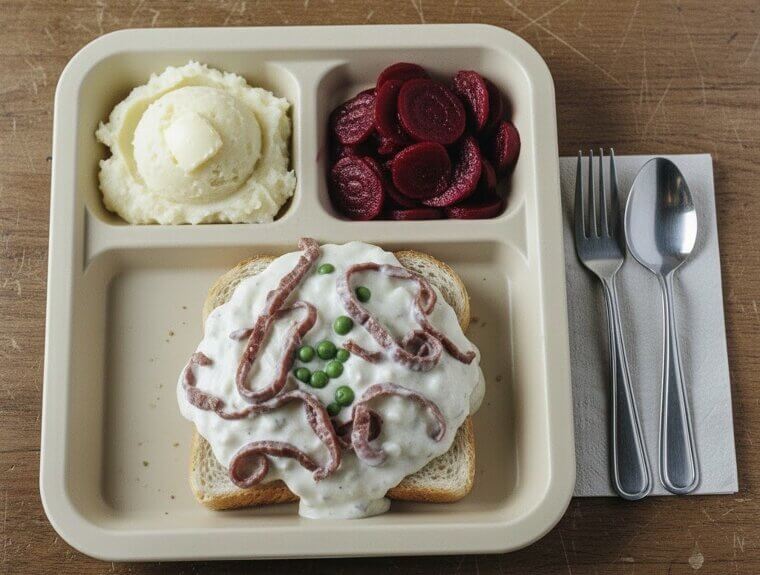
Vegetables in the 1950s were rarely fresh; instead, they were sourced from large industrial-sized cans provided through government surplus programs. Green beans, peas, and corn were the most common staples. These were usually boiled until soft and seasoned simply with salt and a pat of butter. While they lacked the crunch of modern farm-to-table offerings, they were a reliable source of vitamins. The bright green color of canned peas against a yellow background of corn became a visual hallmark of the era's school tray, representing the government's effort to integrate more produce into the American diet.

The Culture of the Lunchroom
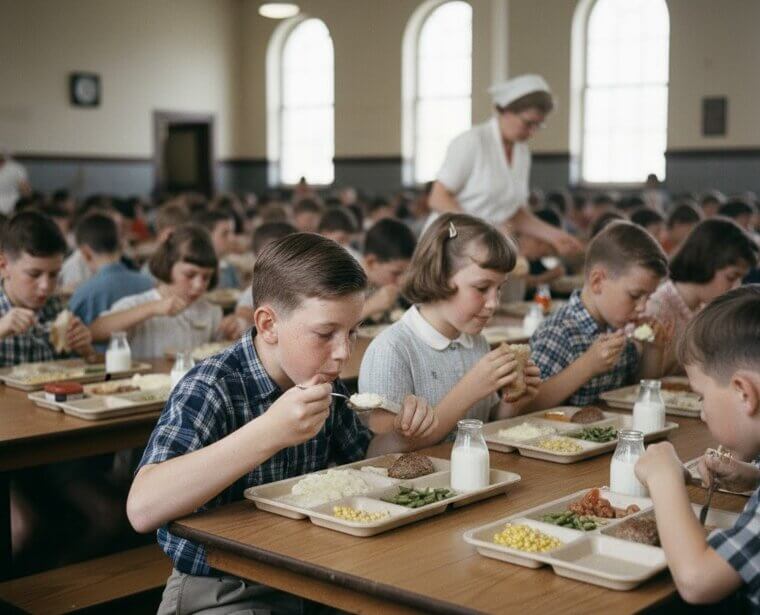
Eating lunch in the 1950s was a formal affair compared to today's standards. Students often sat at long wooden tables, and in many schools, teachers dined with their classes to model proper table manners. There was a significant emphasis on "cleaning your plate," as wasting food was strictly discouraged in the post-war era. The kitchen staff, often local mothers and grandmothers, took immense pride in their work, often interacting directly with the children. This sense of community and the tactile experience of real plates and silverware created a dining environment that felt more like a family meal.
Meatloaf and Mashed Potatoes
Meatloaf was the undisputed king of the 1950s cafeteria. It was an economical way for schools to use ground beef while stretching the protein with breadcrumbs or oats. Usually served as a thick, dense slice smothered in a savory brown gravy or a sweet tomato glaze, it was almost always paired with a scoop of real mashed potatoes. Unlike the dehydrated flakes common in later decades, these potatoes were typically peeled and mashed on-site. This hearty combination provided the "stick-to-your-ribs" sustenance that parents and educators believed was essential for a productive afternoon of learning.
Fish Sticks on Friday
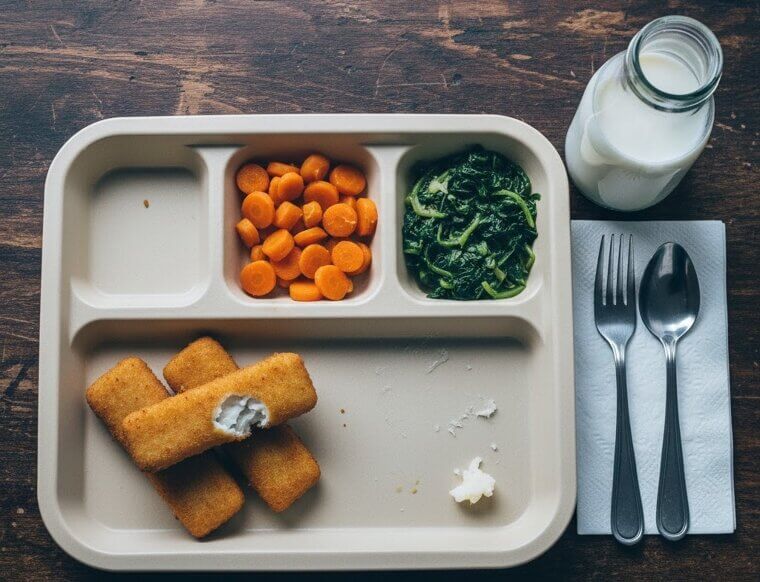
Due to cultural and religious traditions of the time, many schools observed "Meatless Fridays," which led to the massive popularity of the frozen fish stick. Introduced to the commercial market in the early 1950s, fish sticks quickly became a cafeteria staple because they were easy to mass-produce and simple for children to eat. These breaded, rectangular strips of whitefish were typically baked until golden and served with a side of tartar sauce or a lemon wedge. For many 1950s students, the smell of frying breaded fish was the definitive signal that the school week was drawing to a close.
The Mystery of the Gelatin Salad
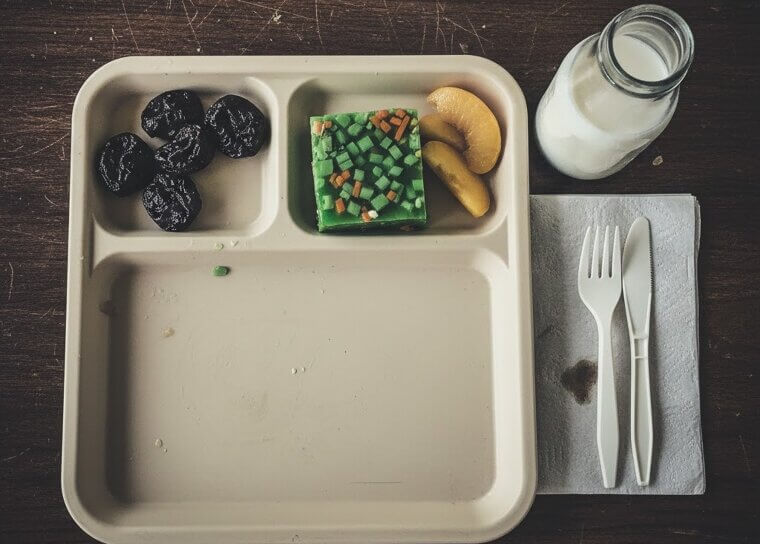
The 1950s was the golden age of Jell-O, and the school cafeteria was no exception. Gelatin "salads" were frequently served as a side dish, often incorporating shredded carrots, celery, or canned fruit suspended in a translucent mold. To modern palates, the combination of lime gelatin and vegetables might seem unusual, but at the time, it was considered a sophisticated and hygienic way to serve produce. These shimmering squares added a pop of color to the tray and were a favorite among children who viewed the sweet, wobbly texture as more of a treat than a traditional salad or vegetable serving.
Creamed Chipped Beef on Toast
Often referred to by its military nickname "S.O.S.," creamed chipped beef on toast was a common sight in 1950s schools. This dish consisted of thin strips of dried, salted beef stirred into a thick white Bechamel sauce and poured over a slice of toasted white bread. It was a high-protein, low-cost meal that utilized surplus pantry staples. While it was a polarizing dish among students: some loved the salty creaminess while others found the texture unappealing, it remained a recurring item on the monthly menu calendar due to its efficiency and ability to feed a large crowd quickly.
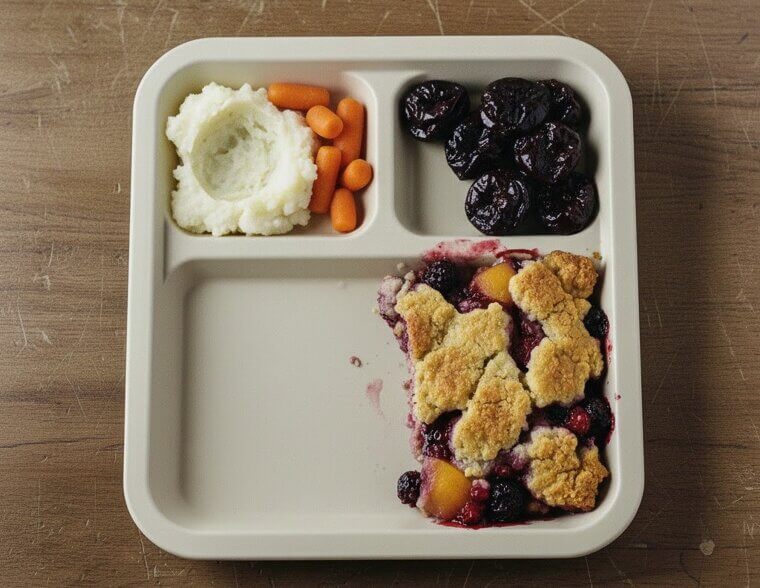
Fruit Cobblers and Stewed Prunes
Dessert was a regular feature of the 1950s school lunch, though it was often fruit-based to meet nutritional requirements. Peach or apple cobbler, made with canned fruit and a cake-like topping, was a highly anticipated treat. On other days, students might find a small bowl of stewed prunes or a heavy syrup-soaked fruit cocktail. These desserts were designed to be energy-dense to keep children fueled for the walk home. While less sugary than modern processed snacks, these warm, baked desserts provided a comforting end to the meal and utilized the abundance of canned goods in the school pantry.