No Helmets for Bikes, Ever
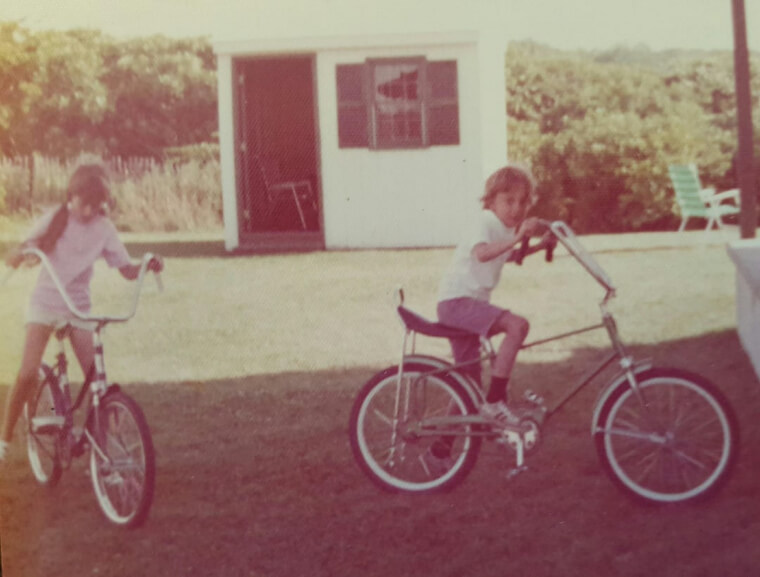
Helmets existed in theory - like Bigfoot or “sensible decisions” - but no one actually wore them. You flew down hills at terrifying speeds with nothing but confidence and questionable brakes standing between your skull and the pavement. Crashes were common, dramatic, and treated as character-building exercises. You’d shake it off, check for bone alignment, and get back on. Today, kids look like astronauts on scooters (and for good reason). Back then, you were wind-powered prototypes.
Be Home Before the Streetlights Come On
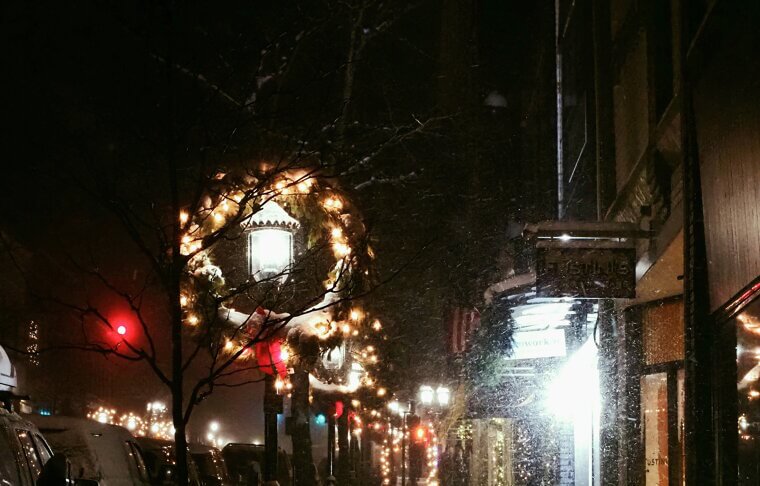
The streetlights weren’t just illumination; they were a legally binding curfew agreement negotiated by every parent in the neighborhood. No clocks were needed. The second that orange glow flickered on, children materialized from bushes, bikes screeched to a halt, and games were abandoned mid-argument. Stay out past the lights and you weren’t just late - you were “in trouble.” No texts, no tracking apps, just an entire generation trained to obey municipal lighting schedules with military precision.
Drinks From the Hose Are Perfectly Fine
The garden hose was the original hydration station, and no one questioned its mysterious metallic flavor profile. You’d let the water run until it went from lava-hot to glacier-cold, then drink deeply like a feral little survivalist. Cups were for indoors. Concern about bacteria, chemicals, or where that hose had been stored all winter simply didn’t exist. It was trusted infrastructure. Today we filter water three times; back then, we trusted rubber.

You Don’t Come Inside for Minor Injuries
Scraped knees, stubbed toes, mysterious bruises… none of these qualified for indoor attention. Blood had to reach a certain emotional commitment level before an adult was even notified. A quick wipe on your shirt, a deep breath, and you were back in the game before the sting had fully registered. Coming inside meant water, sympathy, and possibly the end of outdoor privileges. So you learned early: pain is temporary, but getting sent inside is forever.

If You’re Bored, Go Outside and Figure It Out
Boredom was not a family emergency. There was no entertainment concierge waiting to solve it. Instead, you were ceremonially ejected into the outdoors with instructions to “find something to do.” What followed was equal parts imagination and mild danger: stick swords, bike races with no finish lines, games invented on the spot with rules that constantly changed. Somehow, without screens or schedules, entire afternoons vanished. It turns out boredom was just the front door to chaos!
Kids Sit in the Front Seat All the Time
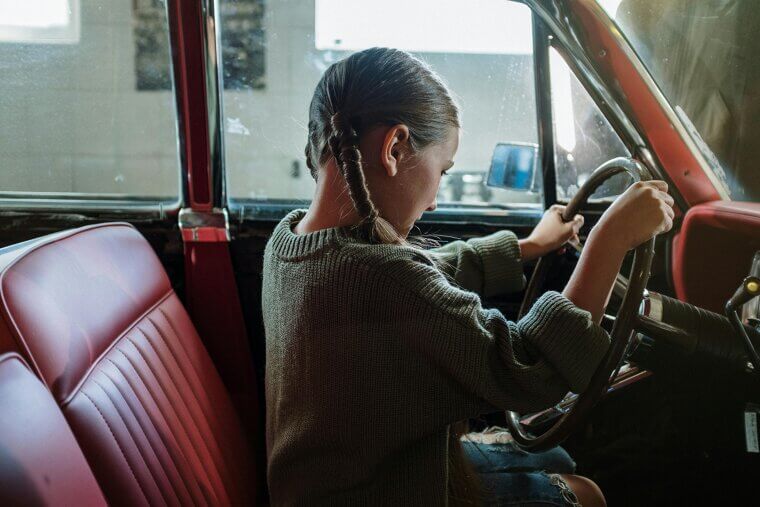
The front passenger seat wasn’t a privilege - it was a rotating honor system negotiated at full volume. Seatbelts were optional, dashboards were climbing structures, and airbags were apparently a personality trait rather than a safety feature. Small children rode up front with the confidence of tiny co-pilots, adjusting nonexistent controls and waving at pedestrians. Modern car safety ads would pass out on the spot if they saw it. Yet somehow, everyone just… drove.
You Can Roam the Neighborhood All Day Without a Phone
Once you left the house, you effectively vanished from the modern world. No GPS, no check-ins, no “where are you?” texts. Parents relied on vibes, luck, and the assumption that someone’s mom somewhere would intervene if things went truly sideways. You drifted from yard to yard, street to street, carried only by bikes and rumors. If you were needed, a sibling was dispatched to search the neighborhood like a low-budget detective.

Locks Are Optional in a “Good” Area
Doors were often locked for weather, not for security. Cars sat in driveways like open invitations, and bikes were left on lawns overnight without a second thought. The phrase “nothing ever happens around here” was spoken with total confidence and minimal data, safe in the knowledge that someone, somewhere was watching for thieves. Privacy was casual, not strategic. Today we lock everything twice and still worry; back then, a closed door was enough armor for an entire household.
You Don’t Interrupt Adults - Ever
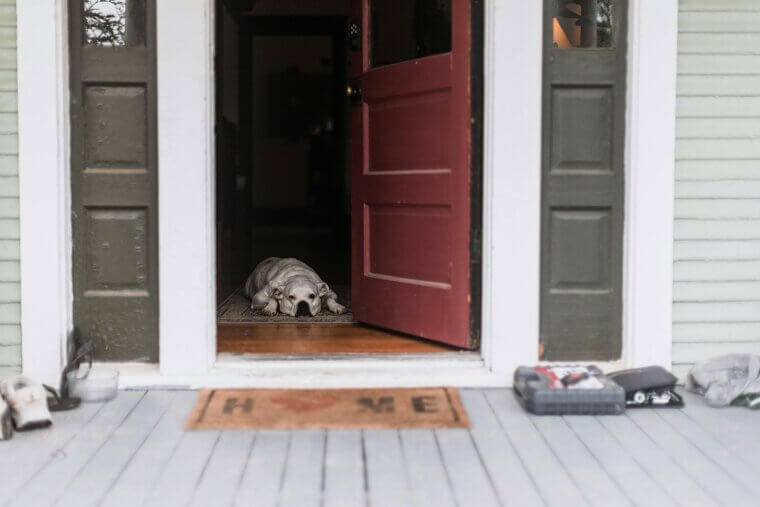
Adults were in a permanent verbal contract that children were not allowed to breach. If grown-ups were talking, you waited. Politely. Quietly. Possibly for years. Emergencies were ranked very carefully before daring interruption. Missing limbs might qualify; mild hunger absolutely would not. You stood at the edge of the conversation shifting your weight and making intense eye contact until finally acknowledged. It was a masterclass in patience (or passive-aggressive telepathy).
Teachers Can Yell at You and That’s Normal
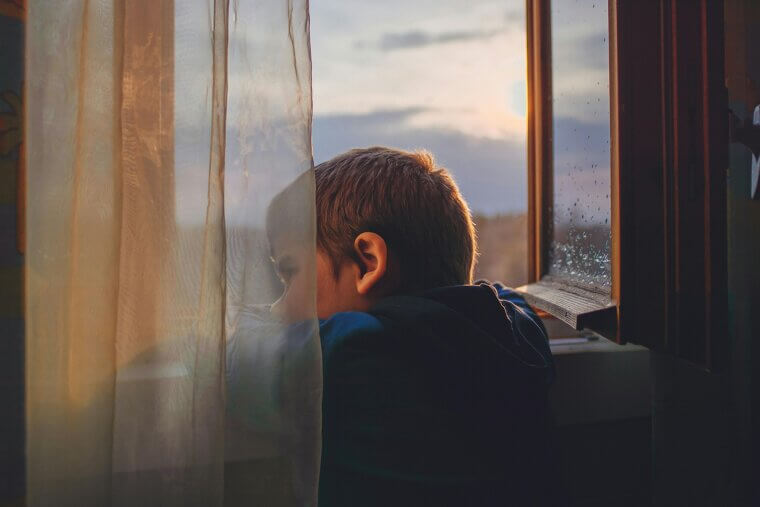
Teachers weren’t just educators; they were fully authorized regulators of your development. Raised voices were accepted classroom tools, right alongside chalk and overhead projectors. If you got yelled at, the assumption at home was that you’d earned it. There were no emails demanding explanations or meetings about tone. Authority was built into the walls. Fear kept the pencils sharp and somehow, despite everything, learning still occurred through the echo of reprimand.

You Eat What You’re Given or You Go Hungry
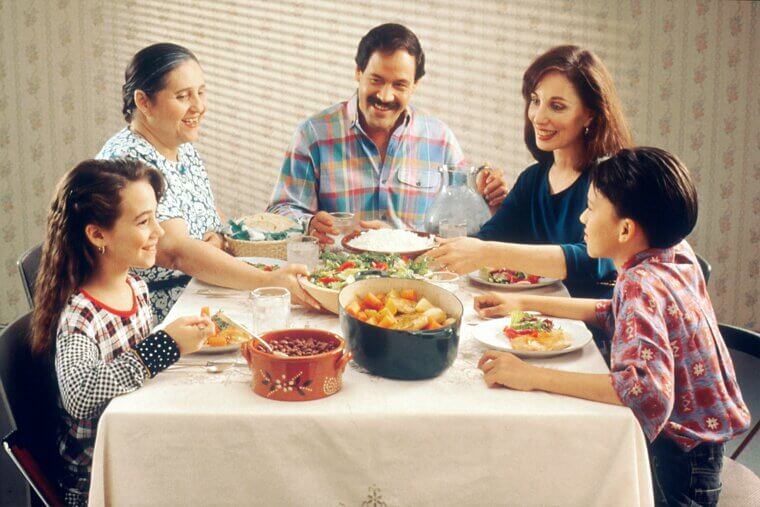
Dinner was not a negotiation. It was a decree. Whatever appeared on your plate had to be eaten, regardless of temperature, texture, or suspicious casserole origins. You could sit there all night in a silent staring contest with a pile of peas, but the peas always won. There were no backup meals, no custom orders, and certainly no asking for snacks later. Hunger, it turns out, was considered the ultimate seasoning.
Everyone Shares the Same Landline
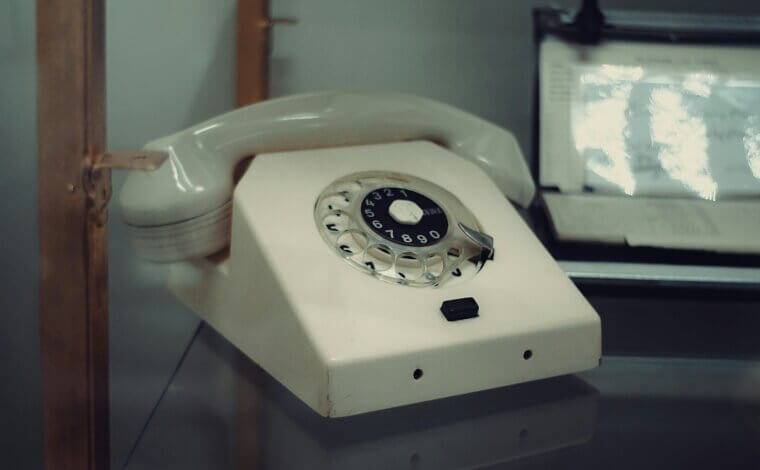
The family phone rang in the middle of the house like a town bell summoning everyone at once. You never knew who it was for, only that it belonged to all of you and none of you at the same time. Private conversations were conducted in whispers with a ten-foot cord stretched around corners. If someone else was on the phone, you waited. Patiently. Emotionally. Romantically. Call waiting was luxury technology.
It’s Fine to Leave Kids in the Car for “Just a Minute”
“Just a minute” was a mysterious unit of time that could stretch to half an hour without warning. Kids stayed in the car with cracked windows, vague instructions, and nothing to do but touch every forbidden button on the dashboard with restraint worthy of sainthood. No one worried about overheating, danger, or existential dread. You were simply trusted to sit still in a parked vehicle and not join the circus of chaos outside.
Sunburn Is Just Part of Summer
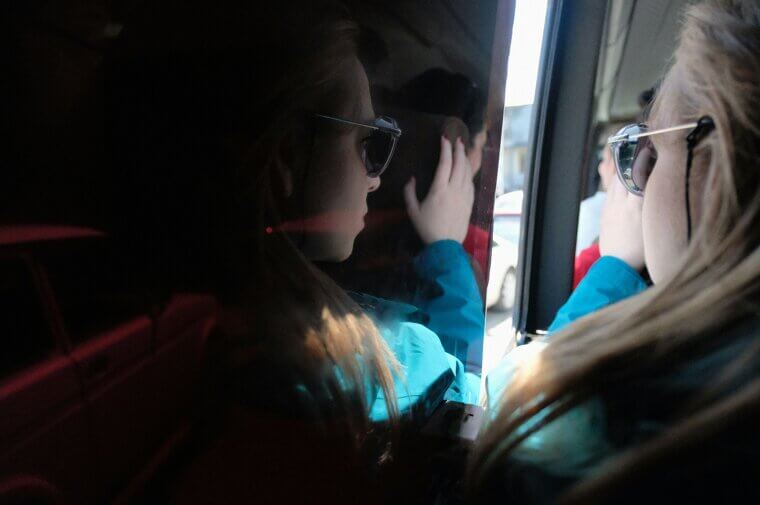
Sunscreen was either forgotten, expired, or applied once with wholehearted optimism and no reapplication plan. By July, everyone was glowing some alarming shade of red. Peeling skin became a shared hobby. Aloe was the official perfume of the season. Adults called it “getting a base tan,” which we now understand was just repeated mild injury with better marketing. You returned to school in the fall two colors darker and slightly crisped.

You Only Call Someone’s House - Not Them Specifically
When you dialed a friend, you rolled the social dice with their entire family. You might get a parent, a sibling, or a deeply suspicious relative who demanded to know your intentions. You introduced yourself politely and hoped you’d guessed the time correctly. There was no texting ahead, no checking availability’ you just called the house and trusted fate. Social courage was measured in how confidently you asked, “Is Jamie there?”

Older Kids Are Automatically in Charge
Age alone conferred authority, regardless of judgment, patience, or basic common sense. If someone was taller or had entered puberty first, they were suddenly management. Parents left experiment-level responsibility in the hands of kids who still thought dares were a personality trait. The oldest became the rule-maker, the referee, and the scapegoat all in one. It was Lord of the Flies with snack breaks, and somehow everyone accepted the hierarchy without a single formal vote.
If You Break It, You’re Paying for It Forever
Breaking something wasn’t just an accident, it was a life sentence. You didn’t merely damage a lamp - you became the one who broke the lamp. The story followed you through family gatherings and holidays for decades. There were no insurance claims, no “these things happen.” There was only memory, judgment, and a reminder every time you walked past the replacement. Accountability was permanent, and forgiveness came with frequent verbal footnotes.

Strangers Only Live Outside Your Neighborhood
Danger had clear borders, and they always started a few streets over. Everyone on your block was “basically family,” even if you didn’t know their last names. You accepted rides, directions, and spare snacks with confidence born of geographic loyalty. The real threats, you believed, lived somewhere vague and far away. It was a simpler map of the world, drawn in chalk and trust, and erased only when the news came on at night.

Homework Ends When the TV Theme Song Starts
Your academic motivation had a soundtrack. The moment a favorite show’s theme blared from the living room, pencils were down and notebooks closed, regardless of how many math problems remained unfinished. Learning had to compete with commercial breaks and sitcom laughter, and it frequently lost. Teachers assigned homework; television enforced the real deadlines. It turns out the most powerful classroom bell in history lived inside a TV set (until your parents found out you still had homework to do).
Privacy Is a Luxury, Not a Right
Closed doors were a suggestion, not a boundary. Parents entered rooms mid-thought, mid-change, and mid-secret with complete confidence in their authority. Phone calls were overheard, diaries were “accidentally” discovered, and personal space was considered an advanced privilege unlocked in adulthood. You grew up assuming thoughts were public property by default. Only later did you realize you were raised in a small, loving surveillance state.