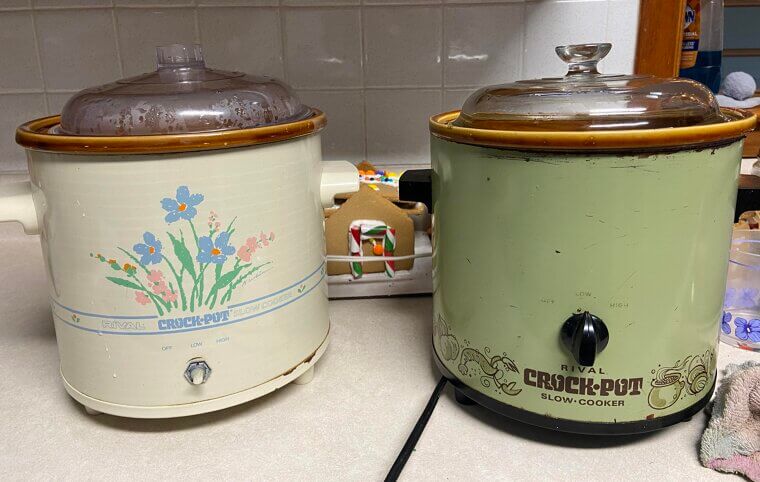
1970s Crock Pots
Do you remember the original Crock-Pot? It was simple, but it was epic. All it had was a ceramic insert and a basic coil. No screens. No electronics. And, best of all, nothing delicate that would fail. These old slow cookers are still going strong in many homes today. Compare that to modern slow cookers with touchpads, digital timers, and multiple cooking modes. They’re handy, sure, but they also give you more things that can stop working. That old Crock-Pot still feels like a trusty friend that never quits.
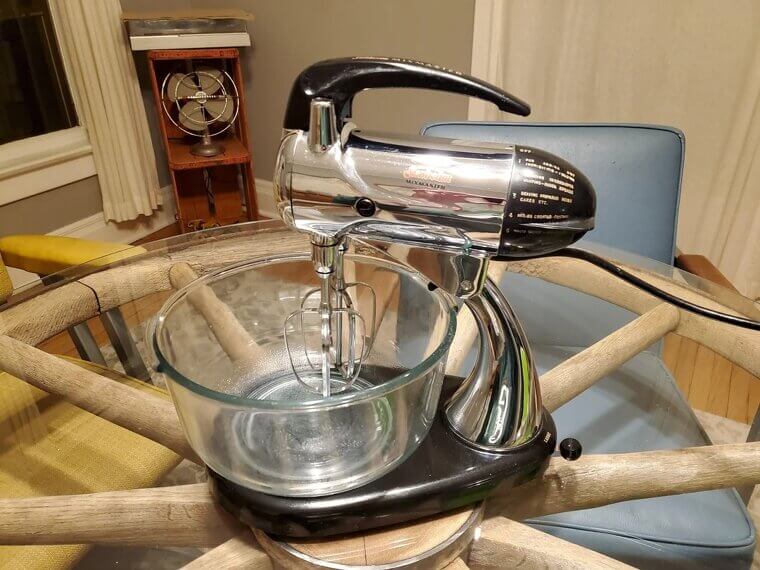
Sunbeam Mixmaster
The old Mixmaster from the 1930s to the 1970s is one of those appliances that just keeps going. In fact, we wouldn’t be surprised if Grandma still uses her old one today. It used all-metal gears, strong motors, and solid parts you could actually repair. Today, however, many mixers have plastic gears and lighter materials, which means they just don’t have that same long-term strength. Sure, they work well out of the box, but they definitely won’t last as long as the original Mixmaster - not even close.
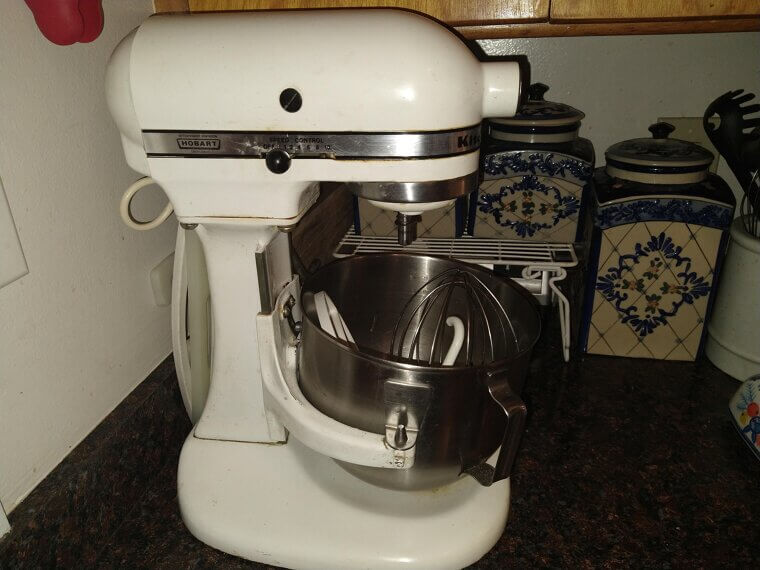
KitchenAid Stand Mixer
Those early KitchenAid mixers with the cast-zinc bodies were the absolute best! They also had repairable mixers, so they were basically kitchen tanks. If something wore out, you could easily fix it. Broken gear? Easily replaceable. People passed these old mixers down like family heirlooms. Yes, the newer models you get now work well, but they have way more plastic parts and electronics that just don’t age the same. They’re also harder to repair, and it’s sometimes cheaper to replace them than fix them. Old KitchenAids were made for decades of use.
Pyrex Mixing Bowls
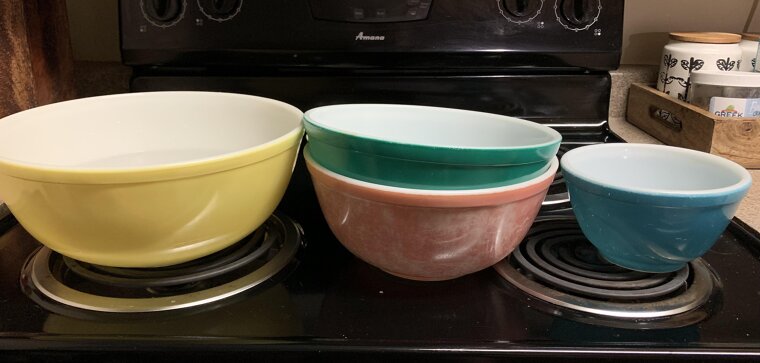
The 1940s Pyrex bowls were seemingly indestructible. You could put them in the oven, freezer, dishwasher, or on the counter. They were also thick, heatproof, and nearly impossible to break. Today’s Pyrex bowls look similar and carry the Pyrex name, but they’re made from different formulas that just aren’t as tough. Some even shatter from simple temperature changes. If you have some of Grandma’s old Pyrex dishes - or even from Mom - we suggest you hold onto them for as long as you can, because you just don’t get good bowls like this anymore.
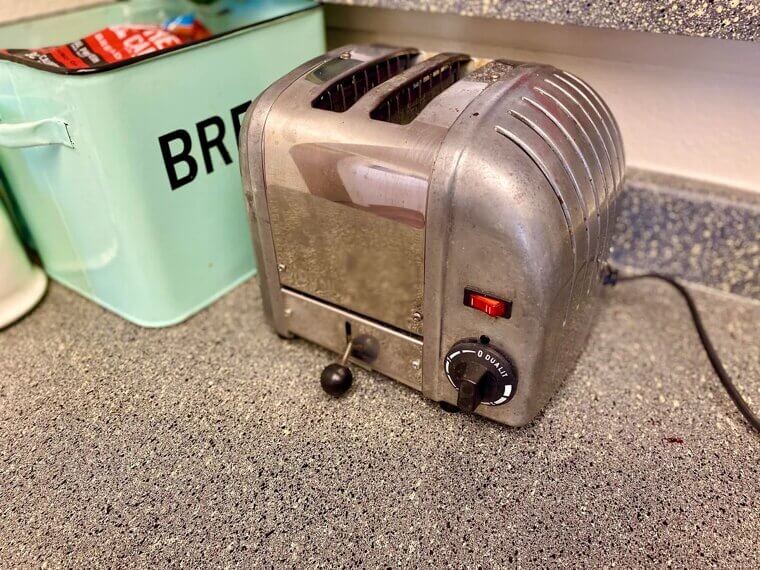
Westinghouse Toaster
Toasters from the 1950s were built with heavy chrome bodies and mechanical levers that practically begged you to try to break them. They worked forever. Why? Because they had simple parts that didn’t fail. Today’s toasters, on the other hand, are made using thin metal or plastic and have electronic sensors that wear out fast. You might get a few years' use out of them if you’re lucky. But those old Westinghouse toasters? You could pass them down through the generations. Today, they feel like classic cars - everybody wants them, so they’re rare and expensive.
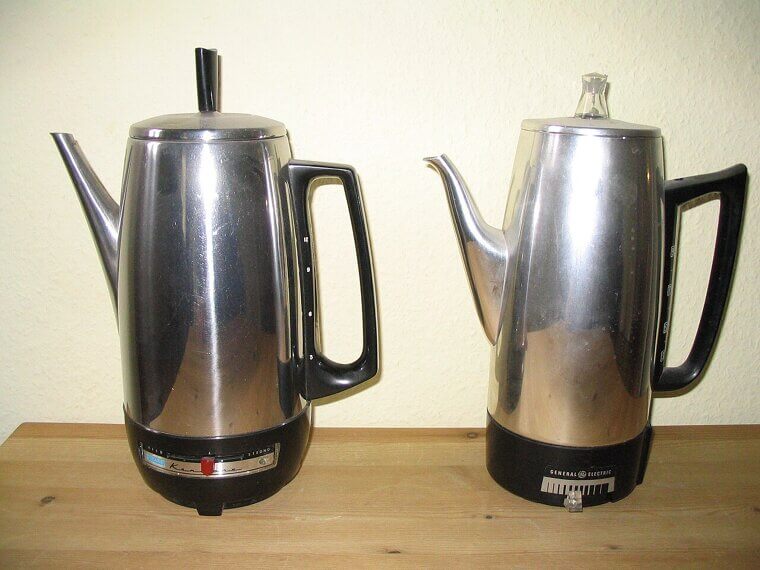
GE Percolator
Ah, coffee! The 1960s percolators were very different to the ones you get today. They were mostly stainless steel, inside and out. No plastic tubes, no flimsy parts - just metal, heat, and coffee. Many still brew that morning coffee just as well today as they did years ago. Now, modern coffee makers have pumps, sensors, buttons, and fragile valves that give up the ghost when you least expect it. They brew delicious coffee, sure, but they don’t have that same rugged simplicity as the percolators you used to get back in the day.
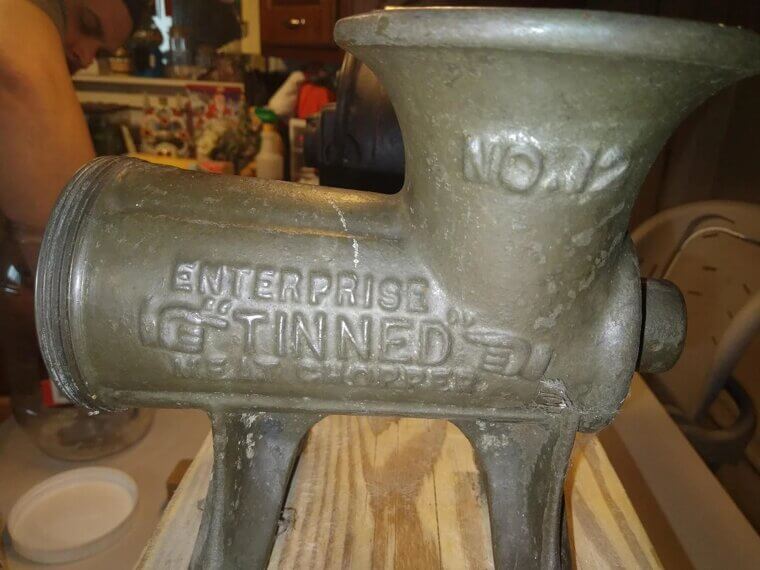
Cast Iron Meat Grinders
Manual cast-iron meat grinders are basically a big hunk of iron with a handle. That’s it. No motors to burn out. No wires to melt. As long as you keep them clean and oiled, they last forever. They still work just as well today as they did back in the day. Modern electric grinders can be great, but they’re far more fragile than their hardy counterparts. Plastic housings crack. Motors overheat. Gears strip. The old manual grinder just keeps turning, even if your arm gets tired and you can’t wait to get the job done.
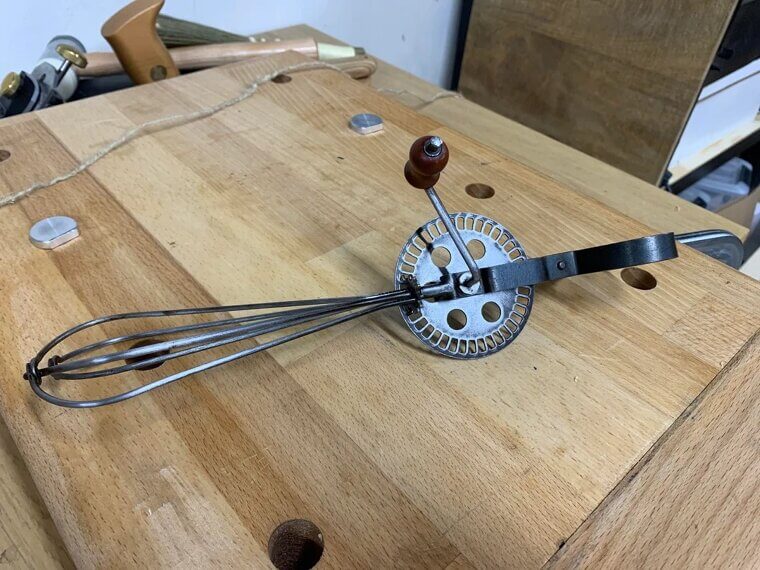
Manual Egg Beater
1950s steel egg beaters were tough little machines. You turned the handle, the gears spun, and suddenly you had perfectly whipped eggs, fluffy cream, and the smoothest batter. They were simple, smooth, and super easy to wash. Today’s hand mixers just aren’t as good. Yes, they’re fast, but they often have plastic gears that wear out and burn out faster than you can imagine. That old egg beater? You could drop it on the floor, pick it up, and it would work like nothing had happened. Try doing that with your fancy electric beater. Spoiler alert: you can’t!
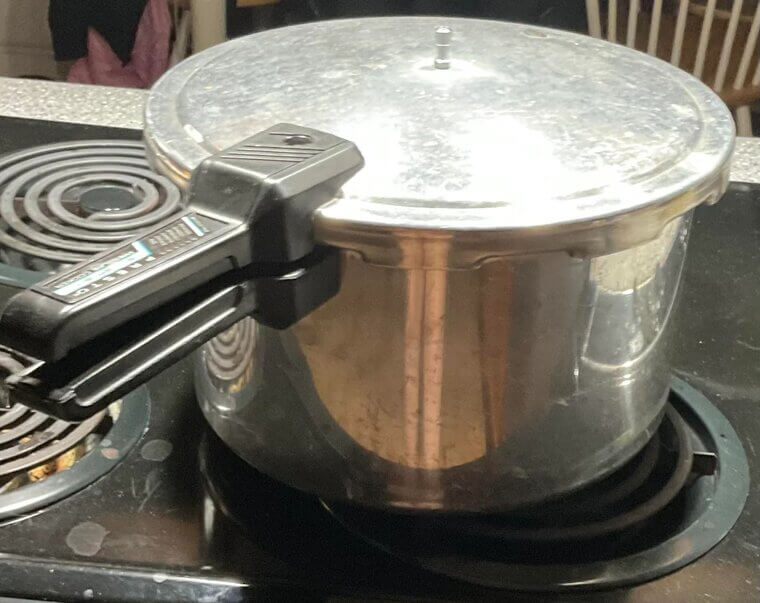
Presto Pressure Cooker
Pressure cookers are the unsung heroes of the kitchen for busy moms and soup lovers. And the old 1940s pressure cookers were the absolute best. They were basic - just a thick aluminum pot with one rubber gasket - but they got the job done right the first time, every time. Today’s pressure cookers have way too many parts - electronics, sensors, rubber rings, and a ton of safety features. They’re useful, sure, but also breakable. When something fails, you usually have to replace the whole thing - and it won’t be cheap. The old Presto cooker could survive being dropped off the counter.
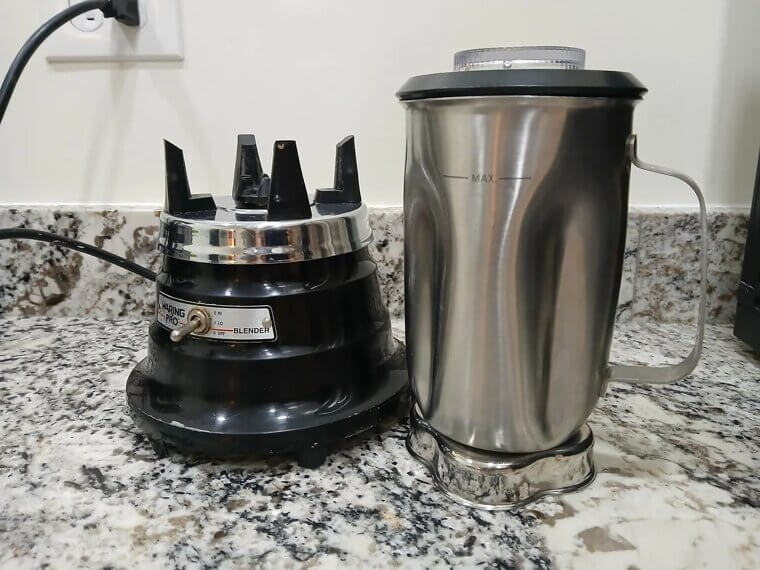
Waring Blender
Do you remember those Waring blenders from the 1940s to 1960s? They were absolute tanks, right? They were all steel blades, heavy glass jars, and motors you could actually fix. Modern blenders can be powerful, too, but too many use plastic jars and motors that are sealed shut. When something breaks, that’s usually the end of it. The old Waring blender, however, feels like it was built for a diner making shakes all day long. The new ones feel like they were built for gentle use only.
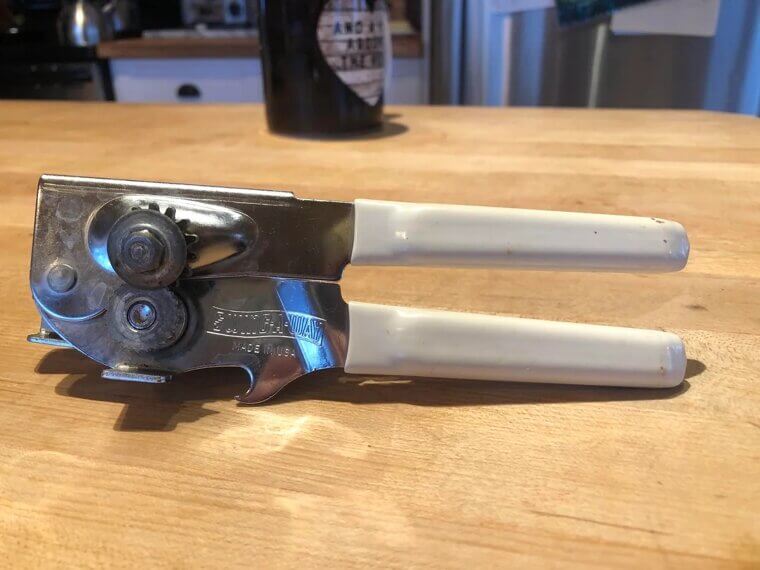
Swing-A-Way Can Openers
The old Swing-A-Way can openers from the '50s were all steel. Today, many are still slicing cans open like they’re brand new. They stay sharp, they don’t bend, and they don’t rust easily. The can openers you get today are a far cry from those steel beasts. They slip, jam, and get dull way faster than you can finish your can of soup. Old Swing-A-Ways just work every time, and are probably the most dependable tool in the kitchen drawer, while modern ones already look tired before they even touch a can.
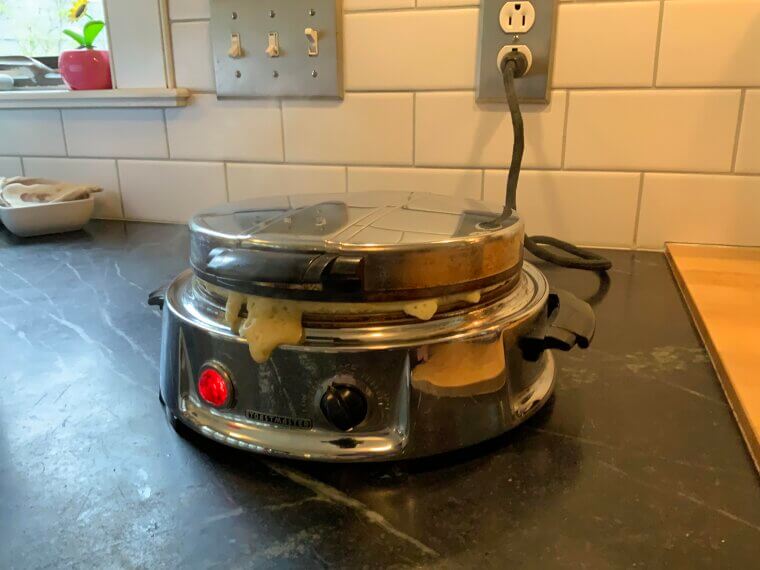
Toastmaster Waffle Iron
The 1960s Toastmaster waffle irons were built with cast-iron plates and simple wiring. Nothing fancy. They heated evenly and made perfect waffles without acting delicate. Most modern waffle makers use thin plates and nonstick coatings that wear out if you even look at them wrong. They work fine, but they don’t stick around long. The old Toastmaster feels like real equipment, while the new ones just feel like friendly visitors who won’t be staying for the weekend. Hold onto your Toastmaster waffle iron - you won’t regret it!
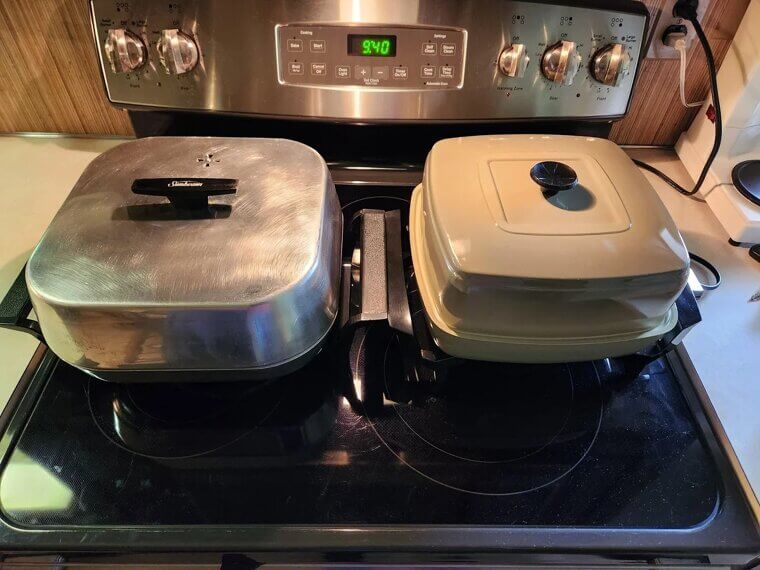
Sunbeam Electric Fry Pan
Go ahead and dig through your mom's kitchen cupboard. We’d bet good money that she still has her 1960s Sunbeam electric fry pan hidden away in there. These die-hard pans were made with thick aluminum, and heating elements that almost never died. Mom cooked everything in them - breakfast, brunch, lunch, dinner, and sometimes dessert. Today’s electric pans come with electric controls that burn out or plastic parts that fail. And once something goes, you can’t fix much. Those old Sunbeam pans are still cooking because they were built like tools.
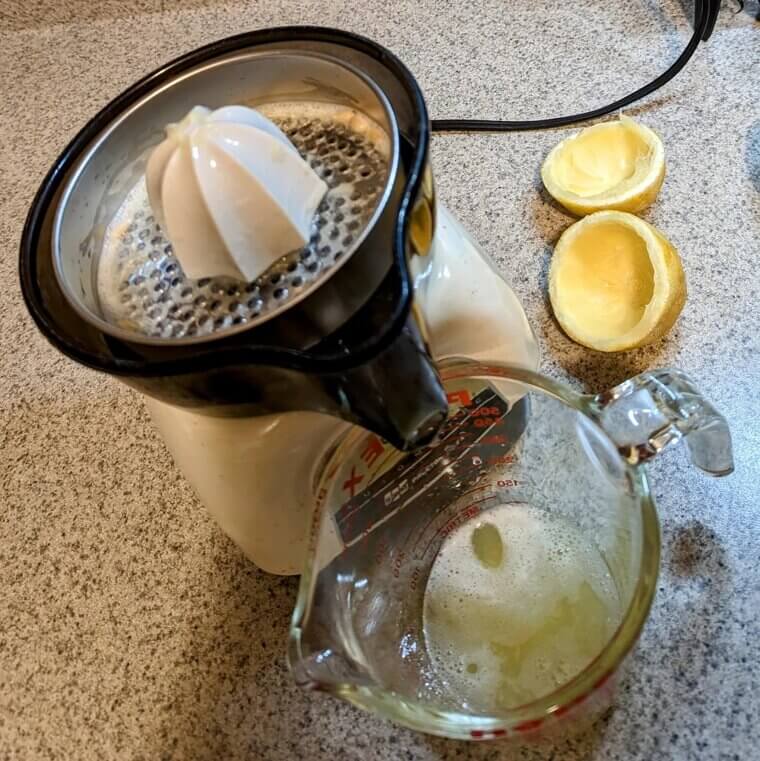
Manual Juicers
Old manual juicers made of glass or cast iron are kitchen must-haves. They have almost no moving parts, which means there’s almost nothing to break. You could squeeze lemons, oranges, limes - whatever you like, really - and they’d get the job done just as well today as they did when your grandparents used them. Yes, new electric juicers are flashy and fun, but they clog, jam, or break plastic parts all the time. The manual juicer might make your arm tired, but it’ll never quit on you. It’s the kind of tool you never have to worry about replacing.
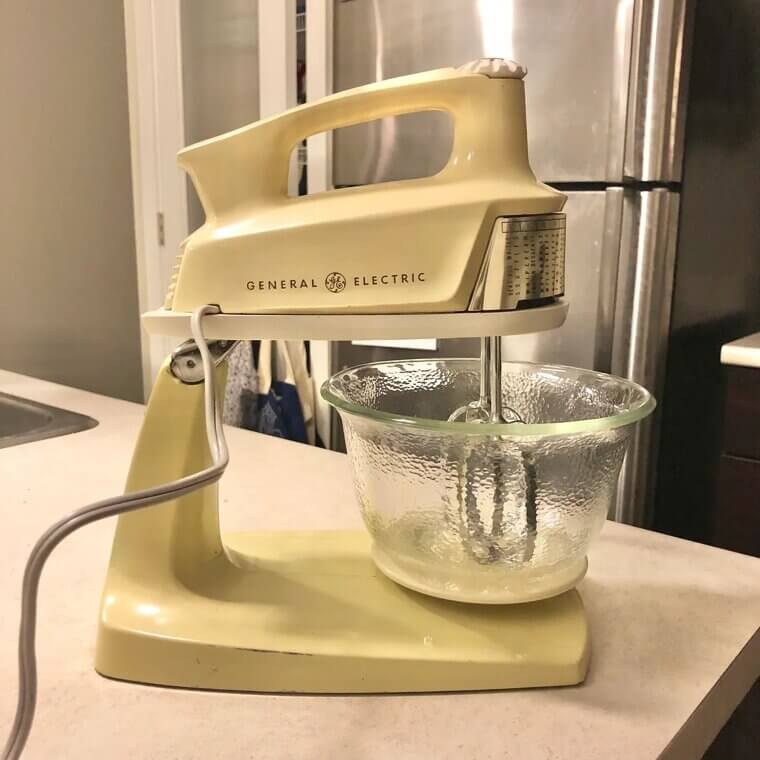
GE Stand Mixer
GE stand mixers from the '50s were the hero of the kitchen. They were heavy, strong, and built to last, with motors you could actually fix if something went wrong. They also worked as hard as the classic KitchenAids of the same era. Modern mixers look nice and weigh far less, but they’re made from plastic parts that wear out way faster. The GE mixer feels like a trusty old truck that starts no matter the weather, while new ones are more like sports cars - fun and fast, but a little high-maintenance if you push them too hard.
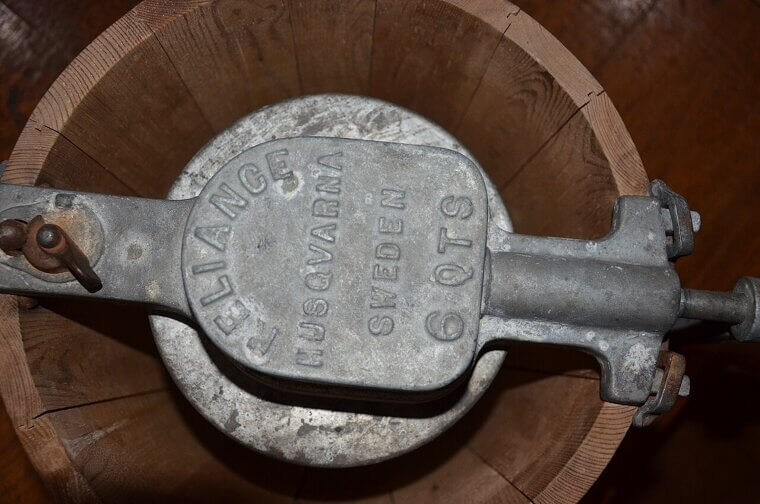
Vintage Ice Cream Maker
Old hand-crank ice cream makers were built for good old summer fun. They had wooden buckets, steel gears, and no complicated parts, so they were nearly indestructible. Almost everything could be replaced, so families passed them down for decades. Today’s electric ice cream makers are easier on your arms, sure, but they have motors that burn out, plastic parts that crack, or freezing issues that ruin dessert day. The old crank-style ice cream makers? They last practically forever. The only thing that ever tires out is the person turning the handle, which honestly makes it a fun workout with a delicious reward at the end.
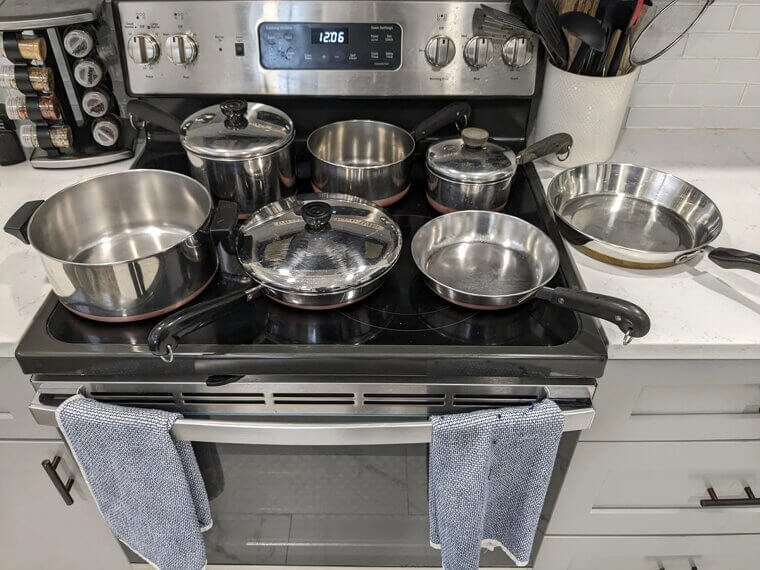
Revere Ware Pots
Revere Ware pots from the 1940s were serious cookware. Thick metal, copper bottoms, even heating, and rock-solid construction. Many are still in use today, proving they were built to last. Modern pots can be nice, but a lot of them rely on thin metal or nonstick coatings that scratch, chip, or wear down quickly. Revere Ware didn’t need coatings - it relied on real materials and craftsmanship. Pick one up, and you feel the difference immediately: weight, balance, and durability. These were kitchen warriors, made to survive decades, not just a few years of occasional use.
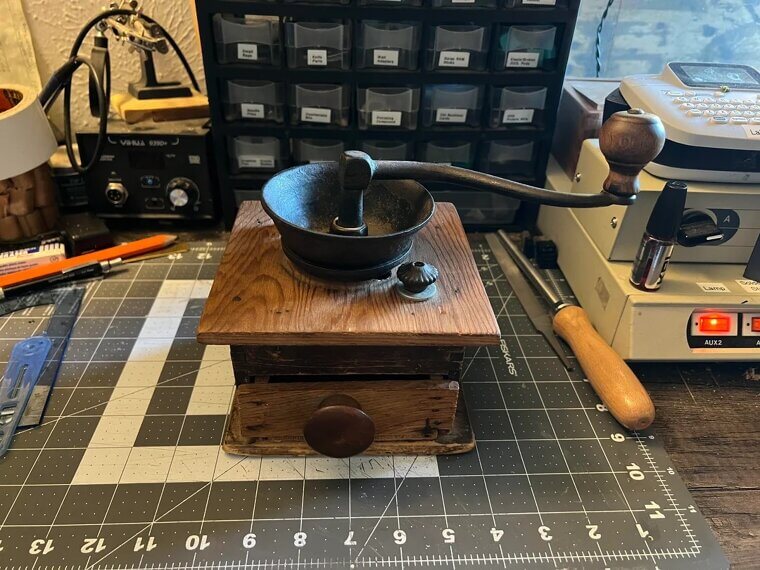
Manual Coffee Grinder
Hand-crank coffee grinders were the ultimate kitchen tool back in the day. The steel burrs stayed sharp for years, giving you consistent grounds every time. They were also quiet, reliable, and almost impossible to kill. Modern grinders, however, use plastic parts or cheaper materials that dull or break quickly. Electric grinders are fast, but jam, overheat, or burn out quicker than you can say, “coffee.” The manual grinder, on the other hand, doesn’t care. It just keeps going as long as your wrist does. If it worked for your grandparents, it’ll work for you.
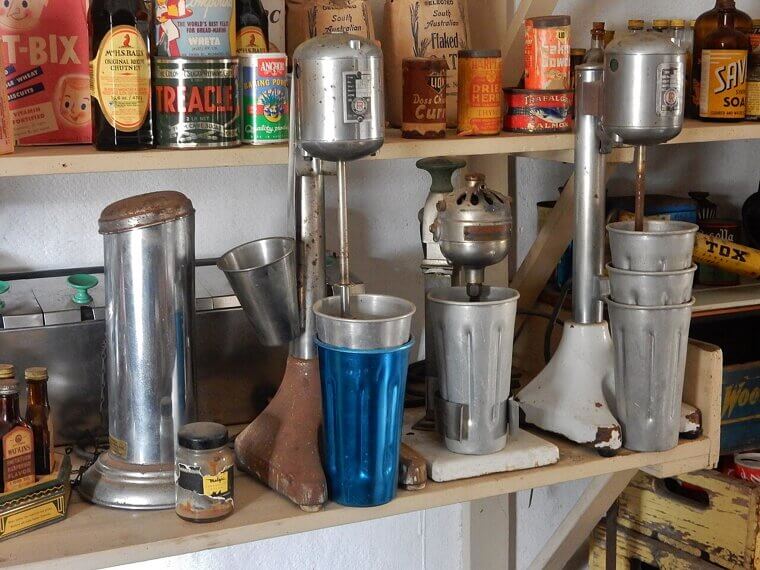
Hamilton Beach Milkshake Mixer
The 1940s Hamilton Beach milkshake mixers were tiny machines built to last with heavy chrome bodies, strong spindles, and motors that could run all day without complaining. They were made for constant work, like in a busy soda shop. Modern milkshake mixers? Lighter, cheaper, and they usually can’t handle heavy use. The old Hamilton Beach mixers? They still whip up shakes like they’re in a 1950s diner. Modern ones get the job done too, but they don’t have that “I’ll outlast everyone else in the kitchen” energy. These old mixers were built for action, not shelf decoration.
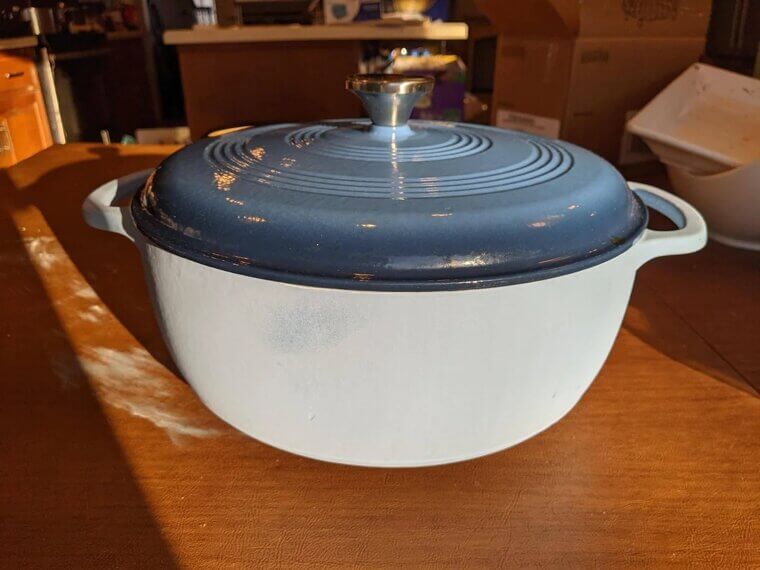
Cast Iron Dutch Oven
A pre-1970s cast-iron Dutch oven is basically indestructible. You can cook, bake, roast, or even drop it on the floor - it doesn’t care. Modern cookware often relies on coatings or thin metals to save weight, which makes it wear out faster. These old cast-iron pots are built to last generations. People still use their grandparents’ Dutch ovens like they’re brand new. They’re heavy, reliable, and perfect for almost anything in the kitchen or outdoors. Honestly, it’s the superhero of cookware—strong, versatile, and impossible to kill. Good luck finding one, though, because they’re pretty rare now.