Losing Their Social Circle From Work Without Replacing It
Work provides more than income - it provides daily human connection that most people take entirely for granted until it's gone. Colleagues to eat lunch with, familiar faces in the hallway, conversations about ordinary things that fill a day with small moments of belonging. When retirement ends that routine, the social gap can feel surprisingly large. Many retirees describe the first months as lonelier than they ever expected, particularly those whose friendships had been primarily built around shared work experiences. Rebuilding a social life outside the workplace takes deliberate effort - joining organizations, staying in contact with former colleagues, getting involved in community activities. Those who made that effort early describe far richer retirement years than those who assumed the connections would maintain themselves without attention.

Underestimating How Much Money They’d Actually Need
One of the most common regrets retirees share is realizing too late that their cost-of-living estimates were too optimistic. Many people entered retirement assuming expenses would drop significantly once the daily commute and work wardrobe were gone. The reality surprised them. Costs don't shrink as predictably as expected. Home repairs arrive without warning, adult children occasionally need financial help, and hobbies that seemed inexpensive add up faster than anticipated. Healthcare expenses alone often exceed what people planned for. Without a realistic budget that includes a cushion for surprises, retirees find the gap between what they saved and what they need growing wider each year. The ones who planned carefully stayed comfortable. The ones who assumed things would work out often found themselves making uncomfortable choices they never anticipated.

Claiming Benefits Too Early and Locking in Lower Income
Claiming Social Security benefits early is one of the most permanent financial decisions a retiree can make, and many people regret the timing years later. The monthly check available at 62 is significantly smaller than what waiting until full retirement age or beyond would have provided. For many retirees, that difference felt manageable in the early years but became more noticeable as expenses grew and savings gradually drew down. The money claimed early cannot be reclaimed at a higher rate later. Retirees who locked in smaller payments describe the long-term effect as a slow squeeze - comfortable at first, then increasingly tight as the years passed. Those who waited, even when waiting felt difficult, generally describe feeling more financially secure during the years when security matters most.

Not Preparing for Healthcare and Long-Term Care Costs
Healthcare costs catch more retirees off guard than almost any other expense. Many people assume Medicare covers most medical needs and are surprised to discover how much it leaves uncovered. Premiums, deductibles, prescription costs, dental care, vision care, and hearing aids all fall outside basic Medicare coverage and add up considerably. Long-term care represents perhaps the biggest blind spot of all - the cost of assisted living or in-home care can run tens of thousands of dollars annually, an expense few people factor into their retirement planning. Retirees who didn't plan for healthcare costs describe a gradual erosion of their savings that they hadn't anticipated. Those who researched their options early and set aside dedicated funds for medical expenses consistently report feeling more prepared for whatever aging brought their way.

Failing to Pay off Major Debts Before Retiring
Carrying significant debt into retirement changes the retirement experience in ways many people don't fully appreciate until they're living it. A mortgage payment, credit card balances, or outstanding personal loans that felt manageable on a working income become more burdensome when drawing from fixed savings. The paycheck stops, but the obligations don't. Money that retirees hoped would fund travel, hobbies, or family experiences instead flows toward interest payments and minimum balances. Retirees who entered retirement with substantial debt consistently describe a sense of financial pressure that shadowed years they had imagined as carefree. Those who aggressively paid down debt in the final working years - even when it required sacrifice - say the freedom they gained on the other side was worth every delayed purchase and weekend stayed home.

Not Planning How They’ll Spend Their Time Day-To-Day
The first few weeks of retirement often feel like a long-overdue vacation. Then the vacation feeling fades, and something unexpected takes its place. Without the structure that work provided - the morning routine, the scheduled meetings, the colleagues to talk to - days can lose their shape quickly. Many retirees describe a restlessness they didn't anticipate, a sense of drifting without direction that surprised people who had spent decades looking forward to unscheduled time. The ones who built retirement around specific plans - regular volunteering, a part-time job, a hobby that required showing up, a community group - adjusted far more smoothly. Having somewhere to be and something to do turned out to matter more than most people expected when they were still counting down the days to their last morning commute.

Conflicting Expectations With a Partner
Retirement brings two people together under one roof for more hours each day than most couples have spent together since the early years of their relationship. For couples who hadn't talked honestly about what they each wanted from retirement, that togetherness sometimes created friction where they expected harmony. One partner wanted to travel extensively while the other wanted to stay close to home and grandchildren. One wanted a quiet, routine-based life while the other wanted to fill the calendar with new experiences. Money, space, daily schedules, and social priorities can all become sources of tension when expectations haven't been discussed openly. Couples who sat down before retirement and talked through what each person genuinely wanted - even when those conversations were uncomfortable - consistently report smoother, happier transitions.

Assuming They’d Be Happier “not Working”
For people who spent decades in demanding jobs, the idea of not working sounds like pure relief. Many retirees arrived at that freedom and found it didn't feel the way they imagined. Work, even when it was stressful, provided structure, purpose, and a sense of contributing something each day. Without those elements, some retirees describe feeling unexpectedly empty - not unhappy exactly, but lacking the quiet satisfaction that comes from having accomplished something by the end of the day. The regret here isn't about missing the job itself. It's about not having planned what would replace the meaning the job provided. Retirees who filled that space with purposeful activities - things that mattered to them and to others - adjusted far better than those who simply waited for happiness to arrive on its own.

Neglecting to Plan for Purpose, Identity, and Meaning
Many people spend so many decades defined by what they do for a living that they haven't thought carefully about who they are without it. When the job title disappears at retirement, some people find the transition more disorienting than they expected. The routine that organized their days, the role that gave them identity in social situations, the team that made them feel needed - all of it changes at once. Retirees who had invested in interests, relationships, and activities beyond their careers tended to move through this transition smoothly. Those who hadn't found the adjustment harder and longer than anticipated. Volunteering, mentoring younger people, pursuing long-deferred creative interests, or deepening community involvement gave retirees a renewed sense of purpose that made the post-career years feel full rather than empty.

Not Preparing for Cognitive or Physical Decline
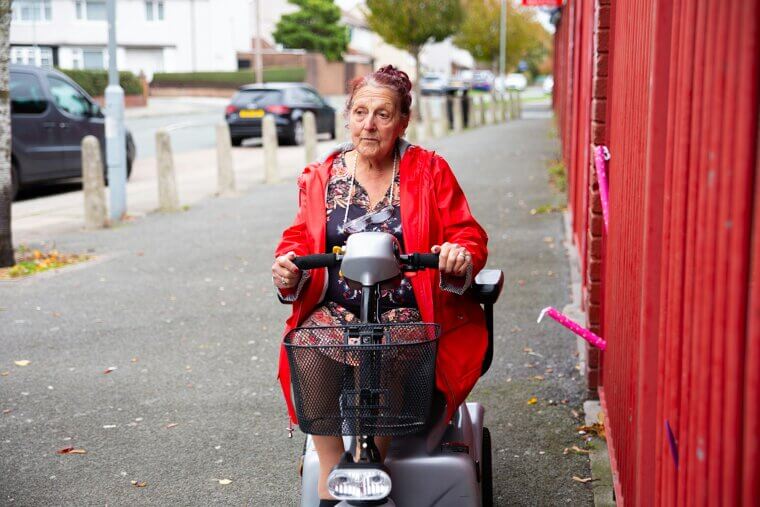
Physical and cognitive changes are a natural part of aging, but many people enter retirement without giving serious thought to how those changes might affect daily life. The assumption that the body and mind will stay largely as they are proves overly optimistic for most people over time. Mobility limitations, chronic health conditions, memory changes, or reduced energy levels can shift what retirement looks like in ways that weren't part of the original plan. Retirees who had thought ahead - whether about where they lived, how they stayed active, or what activities kept their minds engaged - tended to navigate those changes with more confidence and independence. Those who hadn't given it much thought sometimes found themselves reacting to changes rather than having prepared for them in any meaningful way.
Putting off Big Experiences Until “later”
There is a particular kind of regret that comes from waiting too long to do the things that mattered most. Travel postponed until the children were grown, then until retirement, then until health allowed - and health didn't always cooperate the way people hoped. The trip to Ireland that was always next year. The cross-country drive that stayed on the list. The experience that required energy, mobility, and enthusiasm that diminished gradually without announcing its departure. Retirees who acted on their dreams early in retirement - before energy became a real constraint - describe those experiences as among the best decisions they made. The ones who waited describe the waiting itself as the regret, more than any specific missed destination or experience.

Underestimating How Inflation Erodes Buying Power
A retirement income that felt comfortable on the day of retirement can feel noticeably tighter a decade later, even without any major changes in lifestyle. Inflation works quietly, raising the cost of groceries, utilities, insurance, and everyday expenses year after year while fixed income sources stay the same. Retirees who hadn't factored inflation into their long-term planning describe a gradual narrowing of their financial comfort that was harder to manage than a single large expense would have been. The adjustment wasn't dramatic at first - just a few more careful decisions each month, then a few more the year after. Those who had planned with inflation in mind, often with guidance from a financial advisor, generally described feeling more financially stable as the years passed.

Not Understanding Tax Implications of Withdrawals
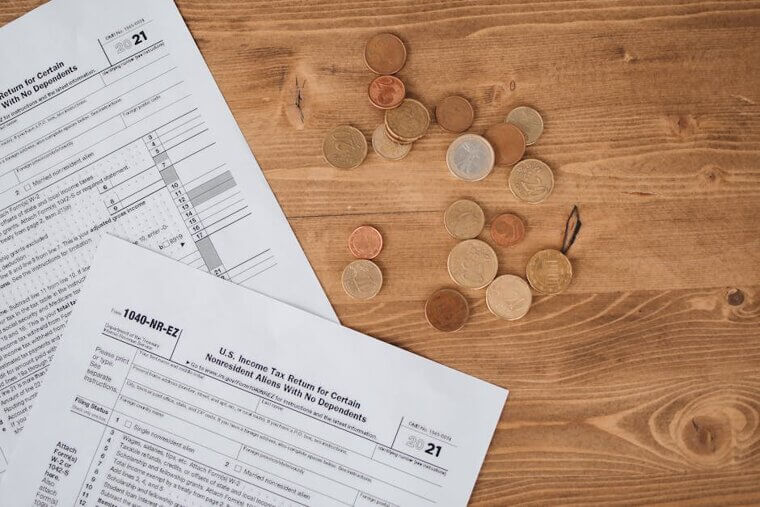
Taxes don't end at retirement, and many retirees are surprised by how significantly withdrawal decisions can affect what they actually keep. Drawing money from traditional retirement accounts triggers ordinary income taxes, and taking out large amounts in a single year can push retirees into higher tax brackets than they expected. Some retirees describe receiving their first significant withdrawal and being genuinely startled by how much went to taxes. Others discovered that certain combinations of income sources created unexpected tax situations they hadn't anticipated when they were still working. Retirees who worked with a financial advisor before and during retirement to understand the tax implications of their specific accounts and income sources generally felt more prepared for these realities than those who navigated it without professional guidance.
Failing to Diversify Income Streams in Retirement
Depending entirely on a single income source in retirement - whether Social Security, a pension, or personal savings - leaves little room to absorb unexpected expenses without stress. When that single source runs into problems or proves insufficient, the options for adjusting are limited. Retirees who had built multiple income streams before leaving work describe a sense of financial flexibility that made the unexpected feel manageable rather than threatening. A part-time consulting arrangement, rental income, investment dividends, or other supplementary sources provided both financial cushion and a sense of continued engagement with the world. Those who relied on one source alone often found that a single bad year, unexpected medical bill, or market downturn had more impact on their quality of life than they had anticipated.

Waiting Too Long to Start Planning in the First Place
The regret that runs underneath almost every other regret on this list is the same one: starting too late. Retirement planning felt distant when there were mortgages to pay, children to raise, and careers to build. Then the years compressed, as years have a habit of doing, and what once seemed far away suddenly wasn't. People who started planning early - not perfectly, but consistently - arrived at retirement with options. They had time to course correct, to pay down debt, to build savings, to think through what they actually wanted their days to look like. Those who started late arrived scrambling, trying to compensate for years they couldn't reclaim. The most common piece of advice from retirees looking back? Whatever age you are right now, this is still the earliest you can start.