Stress and Reflux
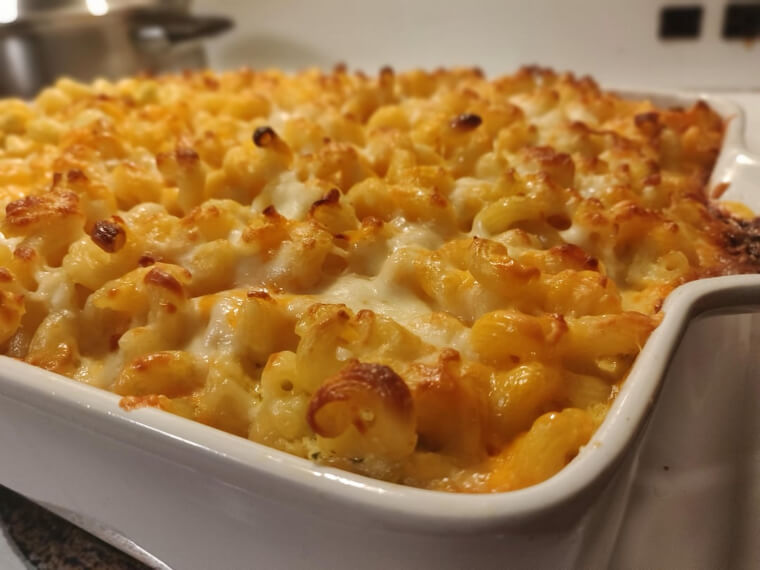
Stress doesn’t cause reflux on its own. But it makes everything louder. You eat faster. You overeat. You reach for comfort food like creamy mac and cheese. Stress also makes you more sensitive to pain. Mild reflux feels intense. Annoying becomes unbearable. Stress also messes with sleep. That adds fuel to the fire. Calming your stress won’t cure reflux. But it lowers the volume. Sometimes that’s enough to feel human again.
The “Too Much of a Good Thing” Meal
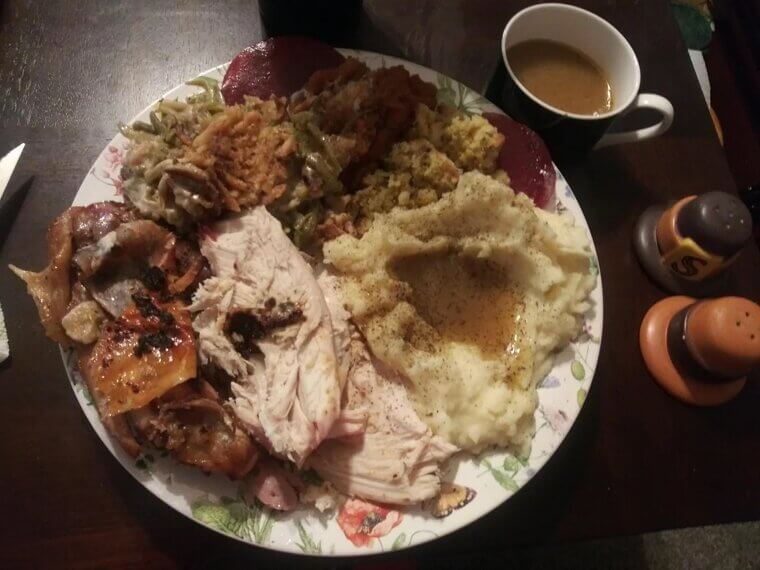
Big meals are comforting - until your chest starts burning, that is. When you eat a huge portion, your stomach stretches like an overfilled balloon. That extra pressure pushes stomach acid upward, right where it doesn’t belong. Your oesophagus isn’t built for acid, so smaller meals give your stomach room to breathe and digest food better. Full isn’t the goal - being comfortable after you’ve eaten is.
The Speed-Eating Olympics
Eating fast feels like a good idea when you have a lot to do, but when you rush meals, you swallow more air. You also don’t chew enough, and this causes extra air to increase your stomach pressure. Poorly chewed food slows down digestion and causes reflux. The result? Your stomach works harder, and stomach acid sticks around longer. Rather chew like you mean it. Your stomach will thank you for it.

Midnight Snack Regret
Late-night eating sounds harmless, right? Well, it rarely is. Why? Because you eat, lie down, and gravity clocks out. Acid flows up instead of down, and even small snacks can trigger reflux if bedtime is close. Your body wants time to digest, so two to three hours before bedtime is ideal. Midnight snacks often come with midnight consequences, so choose your snack times carefully.
Fat Is the Slow Burner
High-fat meals hang around for ages, and they digest slowly. Too slowly, actually. Fat also relaxes the lower esophageal sphincter - that little valve meant to keep acid in your stomach. When it relaxes, acid sneaks upward. We suggest staying away from fried foods, creamy sauces, and greasy takeaways. They’re delicious, sure, but not reflux-friendly. It’s all about balance and knowing when to stop.
Spice Isn’t Always Nice
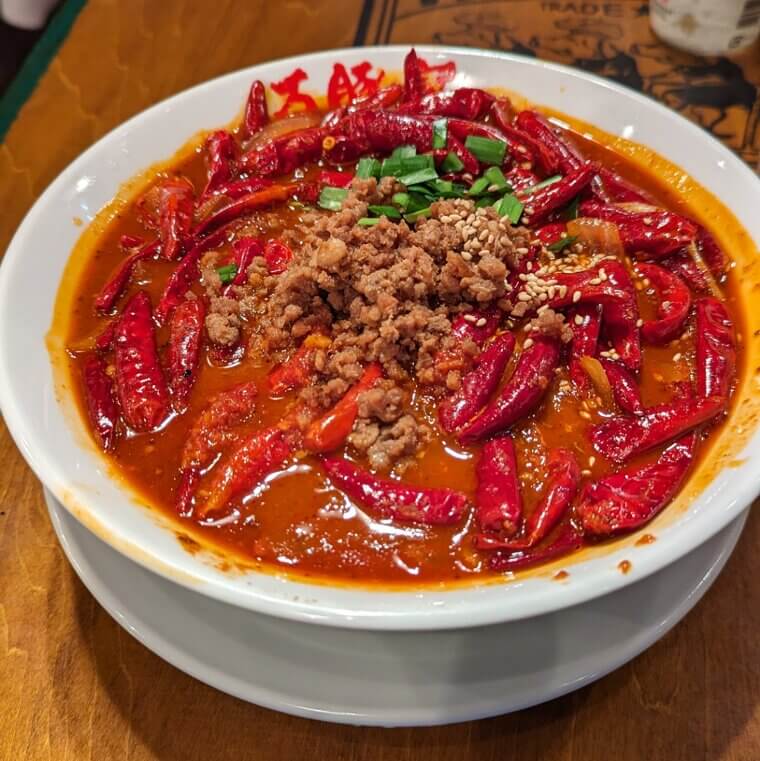
Spicy food doesn’t bother everyone. But when it does, it really makes itself known. Spices can really irritate the lining of your esophagus. That lining is sensitive, and once it’s irritated, it feels even sharper. Chili, hot sauce, curry, and peppers are all triggers. The tricky part is that the reaction can only show up hours later when you least expect it to - and then you’ll be wishing you gave the spicy foods a skip.
Citrus: Bright, Juicy, Acidic
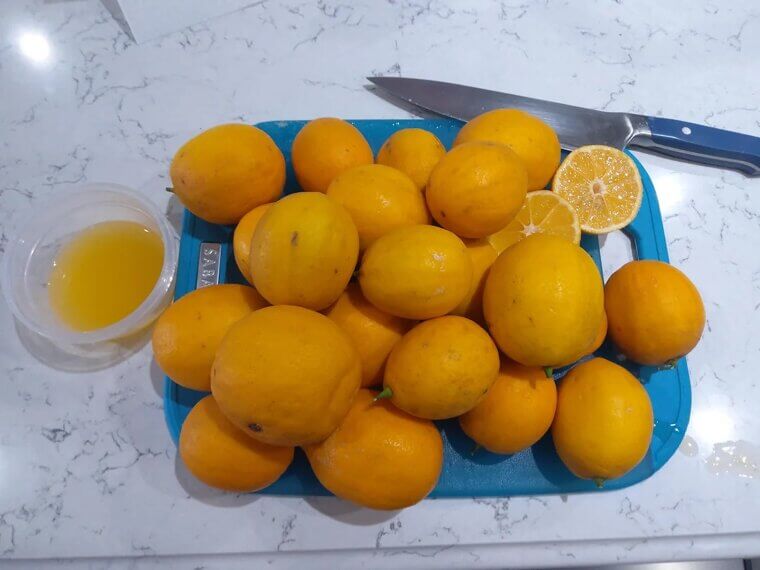
Citrus fruit sounds like a health win. And it is. But it’s also very acidic. Oranges, lemons, limes, and grapefruit can all trigger reflux fast. Juice is even harsher. There’s no fiber to slow things down. Acid hits your stomach quickly and hard. That’s when the burn starts. Some people feel it right away. Others feel it later. If citrus makes your chest or throat burn, it’s not in your head. Try smaller portions. Pair it with food. Or eat it earlier in the day. Little changes can make a big difference.
Sneaky Tomatoes
Tomatoes don’t look like trouble. But they often are. Tomato sauce, pizza, pasta, ketchup, and salsa are all acidic. Cooking tomatoes actually makes the acid more concentrated. Add cheese, oil, or spice, and reflux shows up fast. This is why pizza is such a common trigger. It’s a perfect storm. Acid. Fat. Often eaten late. If tomato-heavy meals keep fighting back, it’s not bad luck. Tomatoes just don’t get enough blame. Your stomach notices them every time, even if you don’t right away.

Chocolate’s Dark Secret
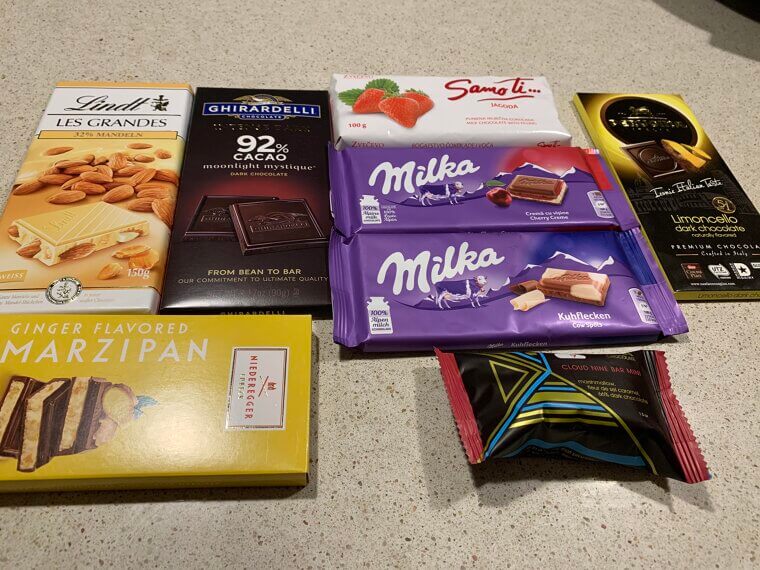
Chocolate feels comforting. It feels gentle. But it can be sneaky. Chocolate contains caffeine and theobromine. Both relax the lower esophageal sphincter. That’s the muscle that keeps acid in your stomach. When it relaxes, acid escapes upward. Dark chocolate is often worse, but milk chocolate can still cause problems. A bite or two may be fine. A big bar, especially at night, is risky. If chocolate gives you heartburn, it’s not betrayal. It’s chemistry - deliciously sad chemistry.
Bubble Trouble
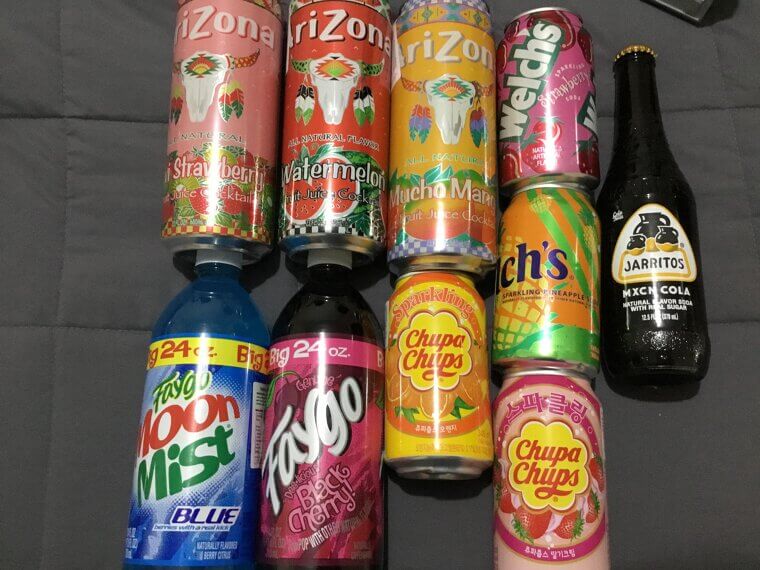
Everyone loves a soda. But, they’re not as harmless as they seem. Carbonated drinks fill your stomach with gas. And that gas creates pressure that pushes stomach acid upward. Soda, sparkling water, and energy drinks are all to blame. It’s simple - if a drink makes you burp a lot, reflux usually follows. The bubbles have nowhere else to go. Flat drinks, on the other hand, don’t cause that pressure. Yes, they’re less exciting, but they’re much kinder to your stomach.
Alcohol’s Double Whammy
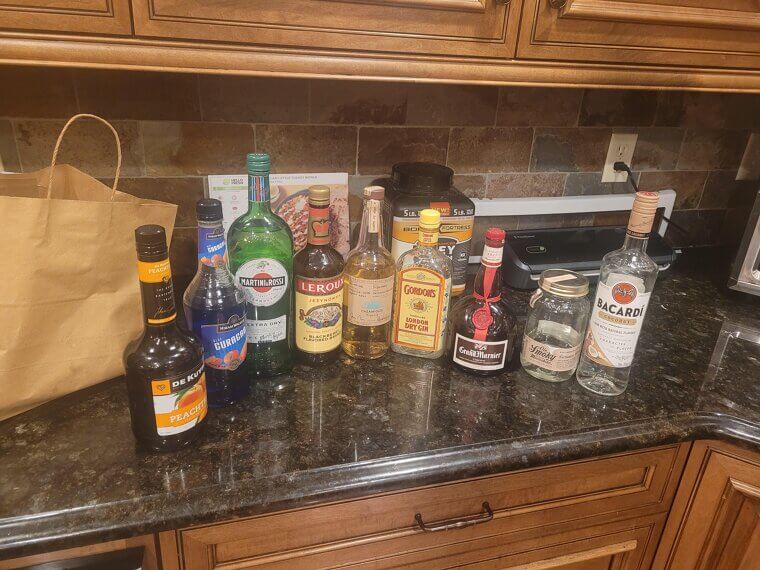
Alcohol causes reflux in more ways than one. First, it relaxes the lower esophageal sphincter, which lets acid move upward. Second, it irritates the stomach lining and makes everything burn more. That yummy cocktail doesn’t seem so yummy anymore, right? We’re not saying you have to quit completely, but maybe cutting back and seeing the difference it makes will convince you to make the right choice.
Coffee Isn’t Always Your Friend
Coffee is a lifesaver. It helps you wake up, after all. But, it also wakes stomach acid. Caffeine tells your stomach to produce more acid. It’s also pretty acidic on its own, and even decaf can trigger symptoms for some people. Drinking coffee on an empty stomach makes things worse. That’s when reflux hits the hardest. If your chest burns after your morning cup, it’s definitely not random.

Acid on Fast-Forward
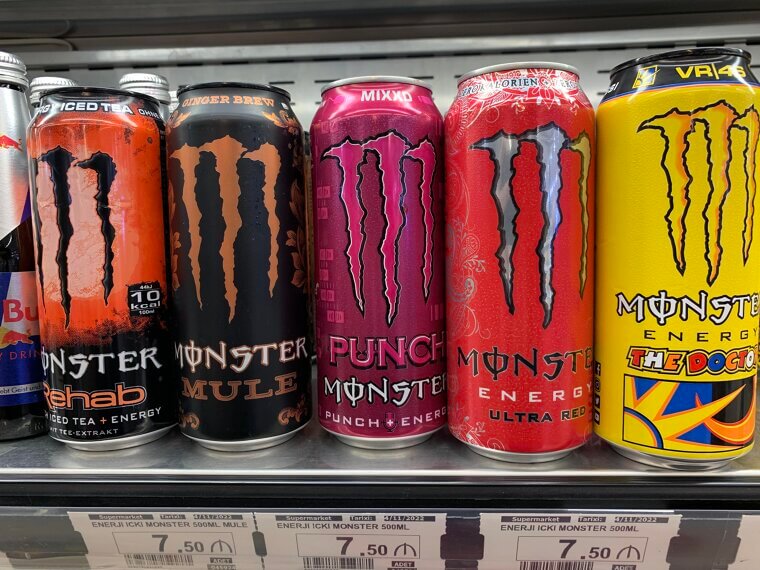
Energy drinks are really rough on digestion. They’re packed with caffeine, highly acidic, and many are carbonated too. It’s like a reflux trifecta. Needless to say, they boost acid production and increase stomach pressure, which also irritates the stomach lining. Your stomach is bound to protest. These drinks don’t give your system a break but rather push everything into overdrive. Give them a skip and kiss your reflux goodbye.
A Minty Betrayal
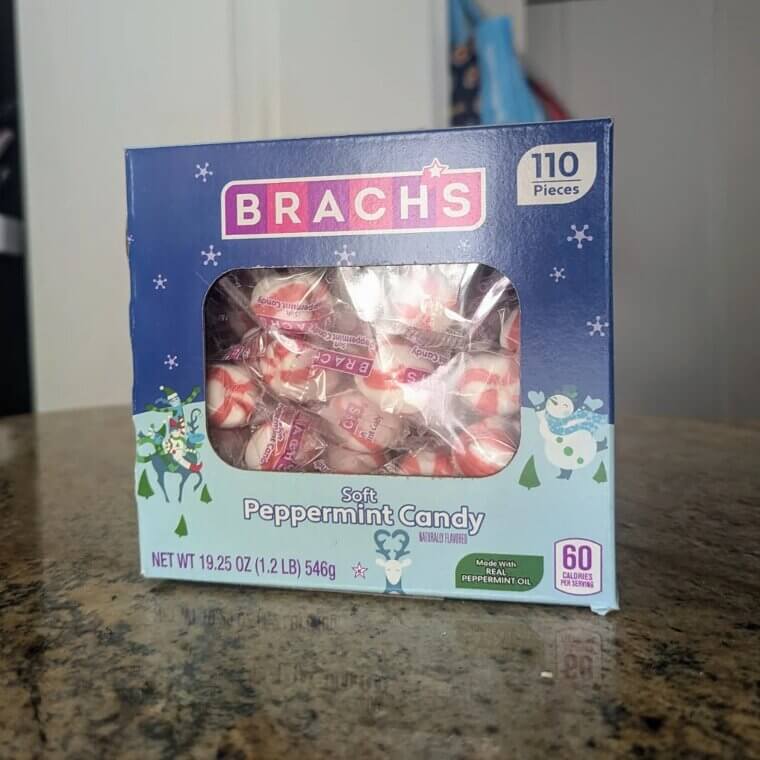
Peppermint sounds gentle. It smells calm and feels soothing. But your reflux will quickly disagree. Peppermint relaxes the little muscle that’s meant to keep acid in your stomach. When it relaxes, that acid sneaks upward. Peppermint tea, peppermint candy, and mint gum are all to blame when it comes to that familiar burning feeling. If minty things leave you uncomfortable later, it’s no mystery - it’s your body telling you to ditch the mint.
Smoking and Reflux
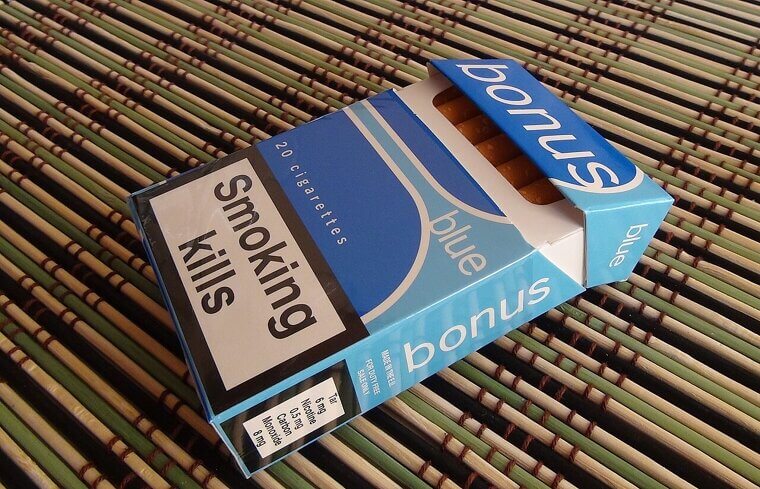
Smoking doesn’t just bother your lungs. It messes with digestion, too. It weakens the LES, which makes reflux easier. It also reduces saliva. Saliva helps wash acid back down. Less saliva means more burn. Smoking also increases stomach acid. That’s three problems at once. Even light or social smoking can trigger symptoms. Your body notices immediately. Quitting helps more than people expect, so consider cutting down or stopping completely.
Too Tight, Too Soon
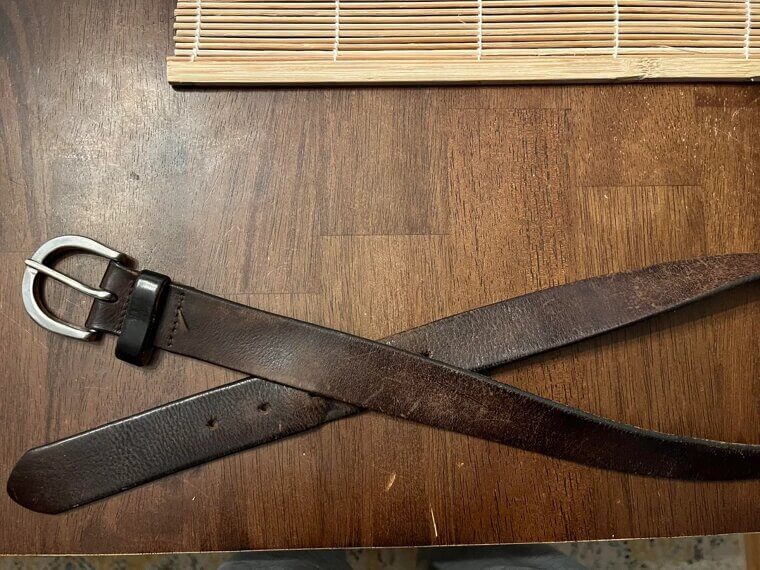
Do you like wearing tight clothes? If you answered yes, we’ve got news for you: your stomach hates them. Tight jeans, belts, and shapewear squeeze your midsection, and that pressure pushes stomach acid upward - especially after eating. That cute outfit suddenly comes with a side of reflux and chest burn. Choose comfortable clothes that don’t make you feel like a stuffed sausage.
The Starve-And-Stuff Cycle
Skipping meals might sound harmless, but it’s not. Your stomach still makes acid even when it's empty. Then you get very hungry, eat too much too fast, and cause an overload that triggers reflux. Digestion gets chaotic, so your acid levels swing wildly and stress your system. Regular meals, on the other hand, keep things calm and your tummy happy. Smaller portions help too.

Posture Perfection
Posture matters more than people think. Slouching after meals compresses your stomach. Lying down removes gravity from the equation. Acid moves upward easily. That’s when reflux flares. Sitting upright helps digestion. Walking helps even more. If heartburn starts while you’re scrolling on the couch, posture may be the issue. Your spine and your stomach are connected in ways you don’t expect. Sit tall. Let gravity do some of the work.
Sleep Debt
Poor sleep messes with digestion. Hormones go out of balance. Appetite increases. Acid control weakens. Nighttime reflux becomes more common. Lying flat doesn’t help either. If reflux wakes you up, sleep gets worse. Then reflux gets stronger. It’s a loop. Good sleep supports better digestion. Elevating your head helps, too. If nights are rough, sleep may be part of the problem. And the solution.

Painkiller Payback
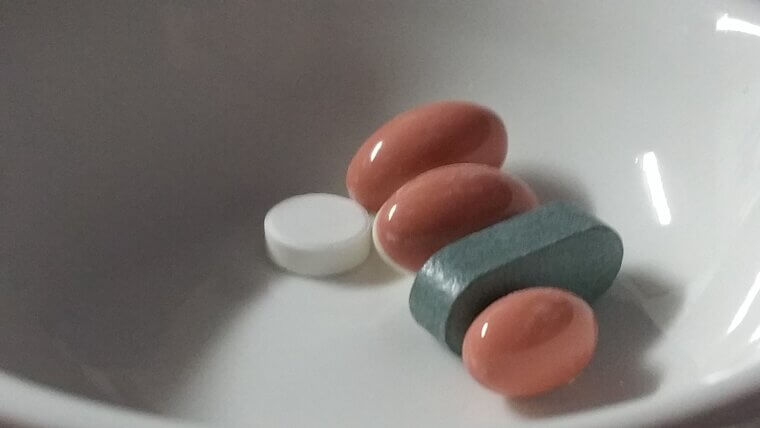
Painkillers like ibuprofen help with pain. But they irritate the stomach lining, and frequent use increases inflammation. That makes reflux symptoms stronger and more painful. Taking them on an empty stomach makes it worse. Over time, your stomach gets cranky. Very cranky. If reflux worsens when you rely on painkillers, this could be why. These meds aren’t bad. But overuse has consequences. Your stomach never forgets.