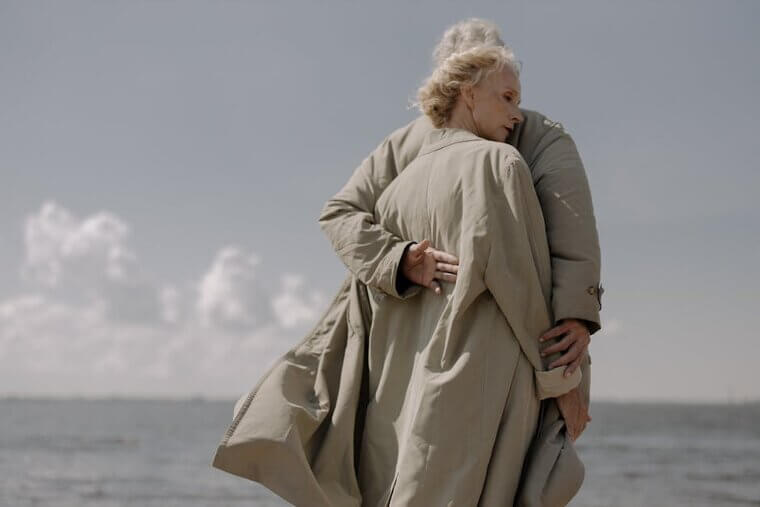
1. Never Go to Bed Angry
You've probably heard this one a thousand times, but there's real wisdom in refusing to let the sun set on your anger. When you're fuming at your spouse, climbing into bed without talking feels like the easier choice. You turn away, pull the covers tight, and hope morning brings clarity. But here's what really happens: resentment builds while you both lie there pretending to sleep. That argument from dinner replays in your head, getting bigger and meaner with each loop. By morning, you've invented three new reasons to stay mad. The old advice worked because it forced couples to sit down, even when exhausted, and actually talk through the problem. You didn't need to solve everything before bed, but you had to acknowledge each other's hurt and agree to work on it together. That simple act of staying connected, even during conflict, kept small disagreements from becoming marriage-ending grudges.

2. Sunday Dinner Was Sacred Time
Sunday dinner wasn't just another meal—it was the one time each week when the whole family sat down together, no matter what. You didn't schedule soccer practice or run errands during that window. The table was set with care, the good dishes came out, and everyone showed up. This weekly ritual gave couples a chance to reconnect after a busy week and model what togetherness looked like for their kids. The meal itself mattered less than the commitment to show up. Phones didn't exist to interrupt the conversation, and the TV stayed off. You talked, passed dishes around, and lingered at the table long after the food was gone. That dedicated time created a rhythm in your marriage that kept you anchored through everything else life threw your way.
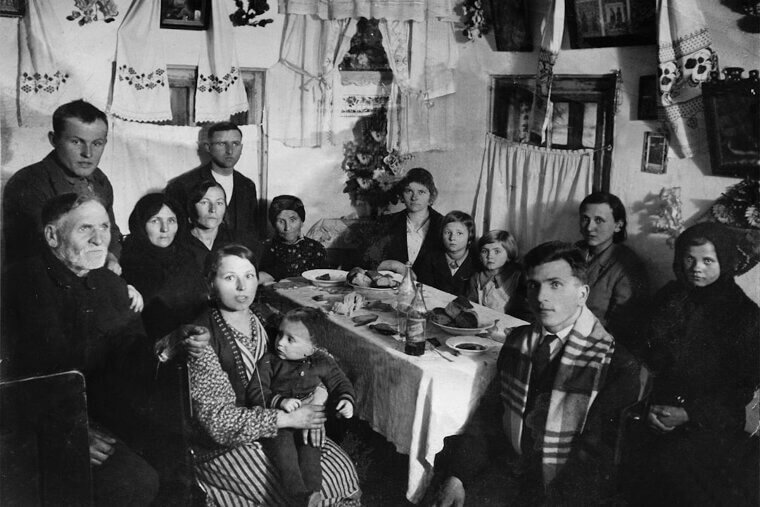
3. Respect Came Before Being Right
You could win an argument and lose your spouse in the same breath. That lesson got learned early in marriages that lasted decades. When disagreements flared up, the goal wasn't to prove you were smarter or had the facts on your side. The goal was to keep walking forward together, even when you didn't see eye to eye on everything. That meant biting your tongue sometimes. It meant saying "I hear you" before launching into your rebuttal. It meant choosing your battles and letting the small stuff slide without keeping score. Sure, some issues needed hashing out. But most daily friction came down to ego, not substance. The couples who made it knew that being kind mattered more than being right. They understood that respect was the steady hand that kept a marriage on course when everything else felt shaky.

4. Date Night Never Got Cancelled
Date night wasn't something you scheduled around everything else. It was the anchor point, and everything else got scheduled around it. Friday or Saturday evening meant getting dressed up and going out, period. No last-minute cancellations because you were tired or had laundry to do. You put on your good clothes, fixed your hair, and showed up for each other. The routine mattered as much as the romance. Couples who kept their weekly date night going, even when money was tight or kids were demanding, stayed connected in ways that casual "quality time" at home never quite matched. You made an effort because your marriage was worth the effort. Sitting across from each other at a restaurant table, actually talking without distractions, reminded you why you chose each other in the first place.
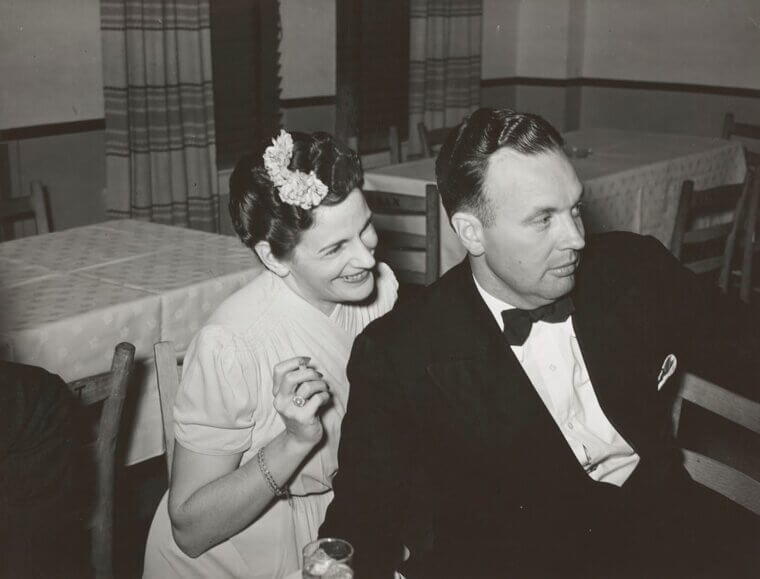
5. Compliments Were Given Daily
Back when marriages were built to last, couples didn't wait for special occasions to say something nice. A compliment about dinner, a new hairstyle, or how someone looked heading out the door happened as naturally as pouring morning coffee. These weren't grand declarations or over-the-top flattery. They were simple, honest observations that reminded your partner you still noticed them. You saw the effort they put into things. You appreciated who they were, not just what they did for you. That daily acknowledgment kept affection alive through decades of ordinary days. It's easy to fall into silence when you live with someone long enough, assuming they already know how you feel. But hearing "you look beautiful" or "I'm lucky to have you" never gets old. Those small words carried weight because they were consistent, not rare.

6. Problems Stayed Between Two People
You didn't call your sister to vent about the argument before the dishes were even dry. You didn't post cryptic status updates or text your best friend play-by-play commentary. When something went wrong in your marriage, you talked to your spouse and nobody else. That privacy created a container where you could work things out without outside opinions muddying the water. Friends and family weren't keeping score of every disagreement or building resentment on your behalf. You could have a tough conversation on Sunday and move forward by Monday because no one else was holding onto the details. The two of you owned the problem, and the two of you solved it. That boundary kept your marriage yours and gave you room to forgive without an audience remembering every mistake.
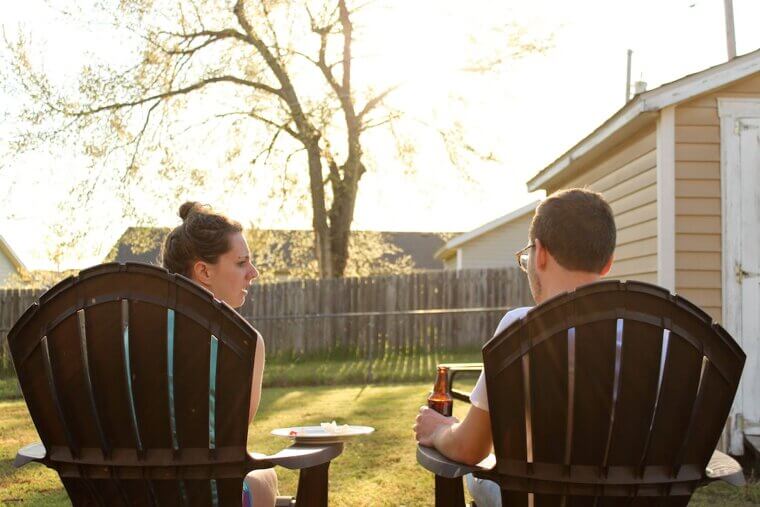
7. Physical Touch Mattered Every Day
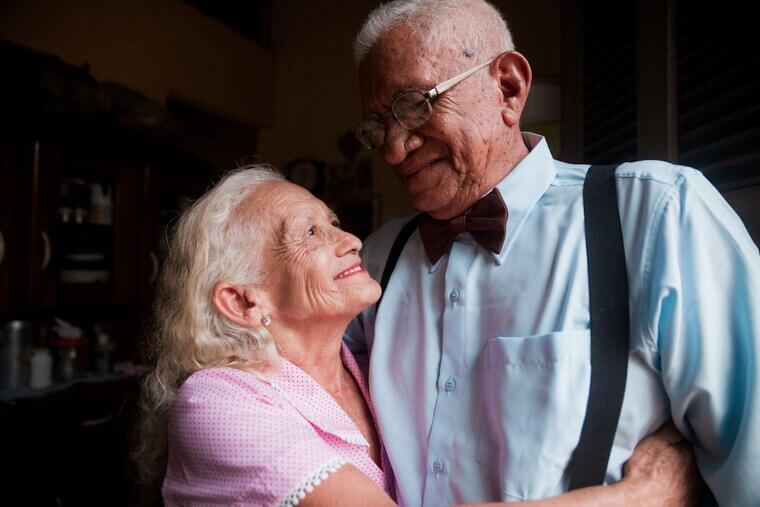
Holding hands while you walked to the mailbox. A quick squeeze of the shoulder while passing in the hallway. A gentle touch on the small of the back while cooking dinner together. These small gestures kept couples connected through decades of marriage, even when words fell short. Physical affection wasn't saved for special occasions or makeup sessions after arguments. It was woven into ordinary moments throughout the day. A brief hug before leaving for work. Sitting close enough on the couch that your legs touched. Dancing in the kitchen to a song on the radio. These touches said "I'm here with you" without requiring a conversation. They built a steady current of warmth that carried couples through rough patches and busy seasons. When you made physical connection a daily habit rather than a grand gesture, intimacy stayed alive in the smallest moments.
8. Church or Community Came First
Your marriage wasn't the only relationship that mattered. Couples showed up every Sunday, rain or shine, and sat in those polished wooden pews together. Church wasn't just about faith — it was where you saw the same faces week after week, where older couples modeled what staying together looked like, and where your community held you accountable. If you were struggling, someone noticed. If you needed help, people stepped in. That kind of steady presence outside your home actually strengthened what happened inside it. You weren't navigating everything alone with just the two of you. There was a whole network of people who knew your name, checked in on you, and reminded you that marriage was bigger than your feelings on any given Tuesday. That collective support made the hard days easier to get through.

9. Teamwork Beat Individual Wins
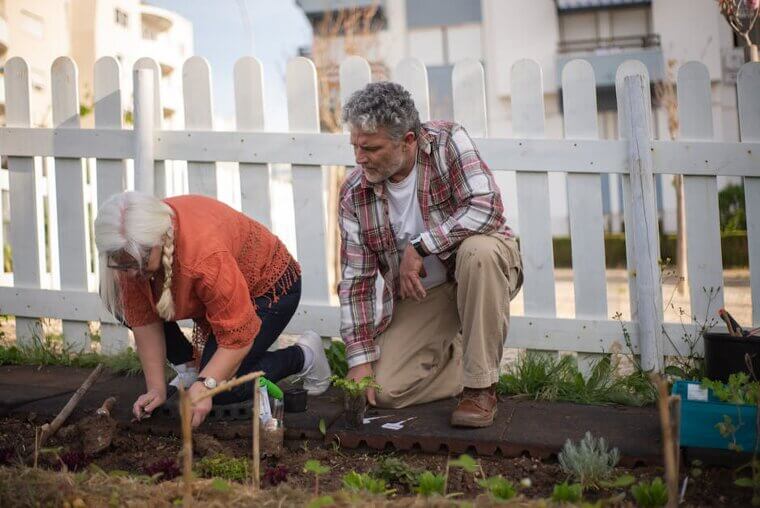
You didn't keep score of who weeded more rows or who painted the bigger section of fence. Marriage worked when both people showed up with their gloves on, ready to tackle whatever needed doing. One person held the ladder while the other cleaned gutters. One dug the hole while the other steadied the post. The work got done faster, and you built something together instead of competing for credit. That side-by-side approach kept resentment from creeping in. When you saw your partner kneeling in the dirt next to you, pulling weeds or planting tomatoes, you remembered you were on the same team. The garden grew. The house got painted. The bills got paid. Nobody cared who contributed exactly fifty percent because you both knew the other person would show up tomorrow and do it all over again.
10. Little Gestures Spoke Loudest
Before text messages and emojis, couples found smaller, quieter ways to say "I'm thinking of you." A note tucked into a lunch bag. A favorite candy bar picked up at the store. The last piece of pie saved on a plate in the fridge. These tiny acts didn't cost much or take long, but they carried weight because they were tangible proof that someone held you in their thoughts during an ordinary day. You didn't need grand romantic gestures when you had these small, steady reminders that you mattered. A husband might warm up the car on a cold morning. A wife might darn a favorite sweater without being asked. The gesture itself was simple, but the message was clear: I see you, I care, and I'm here. That kind of consistency built something stronger than any single big moment ever could.

11. Roles Were Clear and Shared
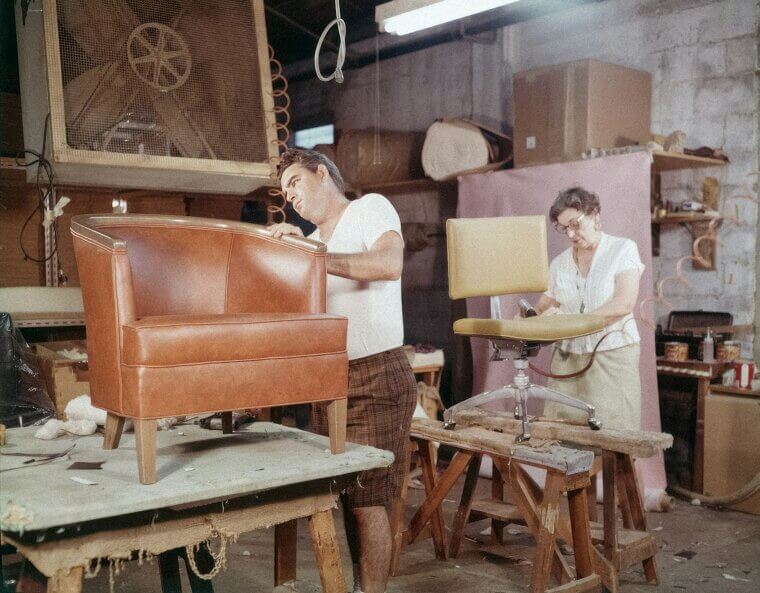
You knew who handled what, and that clarity kept things running smooth. One person managed the money and paid the bills. The other kept the house stocked and the meals planned. Someone fixed what broke, and someone else kept the social calendar straight. These weren't about one person being more important than the other — they were about dividing the load so nothing fell through the cracks. You didn't spend your evenings arguing about whose turn it was to do something because you'd already figured that out. Both people worked hard at their piece of the puzzle, and both knew their contribution mattered. That leather chair didn't reupholster itself, and neither did the household run on autopilot. You split the work, trusted each other to do your part, and got on with life.
12. Laughter Defused Every Argument
You didn't need a therapist or a three-day cooling-off period when things got heated. You just needed someone to crack a joke at the right moment. Couples who stayed together for decades understood that most arguments weren't worth the energy they consumed. A well-timed quip or silly face could break the tension faster than any serious discussion. This wasn't about dismissing real problems or avoiding tough conversations. It was about recognizing when you were both being ridiculous over something small. A shared laugh reminded you that you were on the same team, not opposing sides. The ability to make each other smile, even when you were annoyed, kept resentment from taking root. Some fights just needed the air let out of them, and humor was the quickest way to do it.

13. Vows Were Taken Seriously
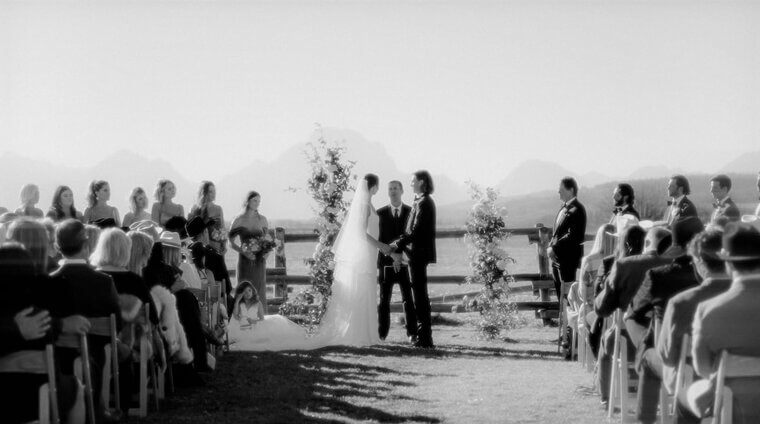
When you stood at that altar and said "for better or worse," you meant every word. Divorce wasn't just frowned upon—it was rare because couples treated their wedding vows as binding promises, not suggestions. The ceremony itself carried weight. You didn't recite those words lightly in front of everyone you knew. That public declaration created accountability. Your community witnessed your commitment, and that mattered. When times got rough—and they did—you remembered what you promised. Walking away wasn't the first option you considered. You worked through problems because you'd given your word. This wasn't about staying in harmful situations, but about honoring a sacred commitment you'd made with clear eyes. The vow to stay together through thick and thin shaped how you approached conflict. You looked for solutions instead of exits.
14. Grandparents Gave Marriage Wisdom
There's something powerful about learning from people who've actually done the work. Couples who stayed together for forty, fifty, even sixty years weren't perfect—they just knew things about commitment that got lost somewhere along the way. They understood that marriage wasn't about constant happiness or finding your soulmate who completed you. It was about showing up, working through the boring parts, and choosing each other even when it wasn't easy. They knew how to apologize without keeping score, how to let small annoyances go, and how to build a life together instead of two separate lives under one roof. That kind of wisdom doesn't come from books or therapy sessions. It comes from decades of actually doing it, making mistakes, and figuring out what really matters when everything else falls away.

15. Listening Meant Putting Down Everything
You couldn't fold laundry while your spouse talked about their day. No newspaper rustling between you at the breakfast table. No television murmur filling the silence. When someone spoke, you stopped what you were doing and looked at them. Your hands stayed still. Your eyes met theirs. That simple act of setting everything aside told your partner they mattered more than whatever task you'd been doing. Without phones buzzing in pockets or screens glowing from every corner, couples had fewer distractions competing for their attention. Listening meant your full presence, not just your physical body in the room while your mind wandered elsewhere. That undivided attention built trust in ways that multitasking never could. You caught the worry in their voice, the excitement they tried to downplay, the story behind the story they were telling.

16. Anniversary Celebrations Were Mandatory
Anniversaries weren't optional back then—they were circled on the calendar in red pen months ahead. You didn't let the day slip by with a quick "happy anniversary" text or a rushed dinner between errands. Couples made real plans. They hired a babysitter, put on their good clothes, and went out to mark another year together. Sometimes it was dinner at the nicest restaurant in town, sometimes just champagne and dancing in the living room after the kids went to bed. The point was making the day feel different from all the others. You toasted each other with actual glasses raised, looked each other in the eye, and said out loud that you were glad you'd made it another year. That kind of intentional celebrating kept the marriage itself from becoming just another routine.

17. Commitment Outlasted Fleeting Feelings
Marriages that lasted decades weren't built on constant butterflies and romance novel moments. They were built on a decision that held firm through boring Tuesdays, money fights, and those stretches where you barely liked each other. You stayed because you said you would, not because every day felt magical. That steady hold through the gray days — the ones where you just coexisted in the same space — turned out to be more powerful than any initial spark. The couples who made it knew something we've forgotten: feelings come and go like weather, but commitment is the ground you stand on. They didn't bail when things got dull or difficult. They waited out the storm, and usually the sun came back. Sometimes staying put is the bravest thing you can do.