Staying up No Matter How Tired You Feel
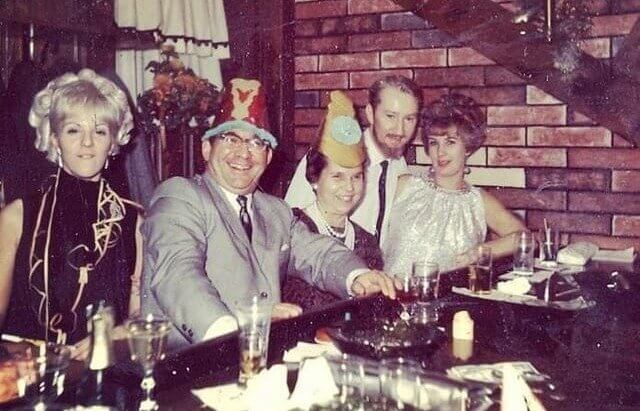
Staying up all night out of obligation rather than enjoyment is another habit that now feels awkward. For years, New Year’s Eve carried the expectation that everyone should push through fatigue to greet the year at midnight. Declining an invitation or leaving early once felt like missing out. As people have become more honest about energy levels and health, the pressure has eased. Many now see value in listening to their bodies and choosing rest. Forcing cheer when tired can drain the joy from the evening. The idea that celebration only counts if you are awake at a certain hour no longer fits modern thinking. Some celebrate earlier with dinner or a toast, while others welcome the year quietly the next morning. Looking back, the obligation to stay up no matter how you felt can seem unnecessary and even a little silly. With age and perspective, comfort and meaning have taken priority over proving enthusiasm by exhaustion.

Calling Everyone Right at Midnight
Calling friends and relatives exactly at midnight was once a cherished New Year’s Eve habit. Landlines rang nonstop as people rushed to wish each other a happy new year before the phone lines jammed. The timing mattered, and missing the call could feel like a small disappointment. Today, that ritual can feel awkward and impractical. People keep different schedules, and midnight is no longer the universal moment it once was. A late night call can interrupt celebrations or wake someone who turned in early. Texts, voice notes, and messages sent the next morning have replaced the urgency of calling at the stroke of twelve. Looking back, the scramble to dial everyone at once feels nostalgic but stressful. What once felt thoughtful can now seem intrusive. Many people prefer a calmer approach, reaching out when it feels natural rather than racing the clock. The sentiment remains kind, but the method has gently faded.
Waiting for the Televised Ball Drop
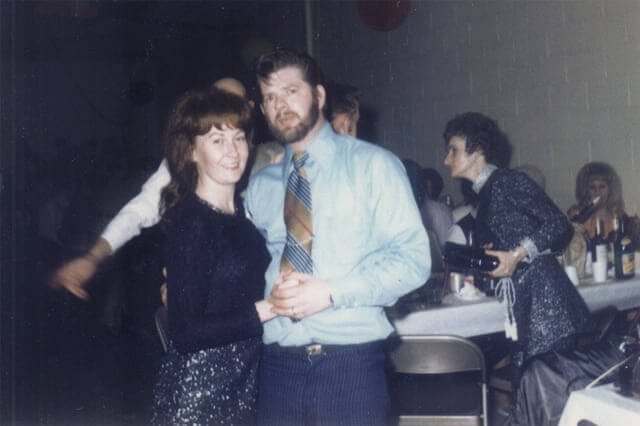
Waiting up for a ball drop broadcast on one shared television once felt like the only way to welcome the new year. Families gathered in the living room, adjusted the antenna, and hoped the picture stayed clear long enough to count down together. Today that ritual can feel awkward, especially when everyone has a phone, tablet, or smart TV within reach. Time zones are no longer a mystery, and the countdown is available on demand in dozens of formats. Sitting quietly while a network decides when the year officially begins can feel oddly passive. Many people now stream music, chat with friends online, or watch highlights later rather than committing to a single broadcast. The habit also clashes with modern schedules. Some people go to bed earlier and wake up refreshed, while others celebrate at a different hour that suits them better. What once felt communal can now feel limiting, like waiting for permission to celebrate rather than choosing a moment that feels personal and meaningful.

Feeling Pressure to Kiss at Midnight
The expectation of a midnight kiss is one of the most familiar New Year’s Eve traditions. In the past, it was treated as a lighthearted requirement, whether shared with a partner or someone nearby. For some, it felt romantic, but for others it could feel uncomfortable or forced. Today, this habit can feel especially awkward. People are more aware of personal boundaries and less willing to participate in rituals that do not feel natural. The assumption that everyone wants or should share a kiss no longer holds true. Looking back, the tradition feels nostalgic but out of step with modern values. Many now prefer a toast, a hug, or a quiet moment of reflection instead. The shift reflects a broader cultural change toward consent and comfort. While the image of a midnight kiss still appears in movies and memories, real life celebrations have become more flexible and respectful.
Making Midnight Resolutions on the Spot
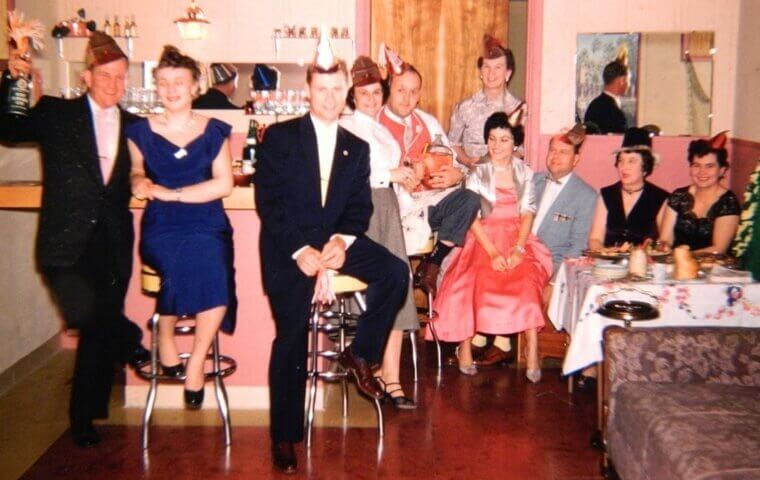
Making a long list of resolutions at midnight used to feel hopeful, but it can seem uncomfortable now. Writing promises while tired, emotional, and sometimes a little tipsy often led to goals that were unrealistic from the start. Many people recognize that sudden, sweeping change rarely sticks. The pressure to announce resolutions out loud or post them publicly can add to the awkwardness. It turns personal reflection into a performance. Over time, people have learned that small adjustments made throughout the year tend to work better than one dramatic reset. The idea of tying self improvement to a single night can feel outdated. Life is more flexible, and change happens gradually. Today, many prefer to set intentions quietly, revisit priorities when needed, or skip the ritual entirely. Looking back, the midnight resolution scramble can feel less inspiring and more like unnecessary stress at a moment that is supposed to feel calm and celebratory.

Watching Variety Show Countdown Specials
Watching long television variety specials used to be a New Year’s Eve staple. These programs featured musical performances, comedy sketches, and celebrity appearances meant to appeal to everyone at once. Families sat through hours of programming waiting for the final countdown. Today, this habit can feel awkward and dated. Entertainment options are far more personal, and few people enjoy the same content for an entire evening. The forced cheer and scripted excitement can feel out of sync with modern tastes. Looking back, there is nostalgia in remembering familiar hosts and performers, but also relief that viewers are no longer tied to one channel. Streaming allows people to choose what suits their mood, whether that is a movie, music, or quiet background noise. The shared experience of watching the same show has faded, replaced by flexibility and choice. What once felt comforting now feels restrictive, even if the memories remain warm.
Keeping the Television on All Night
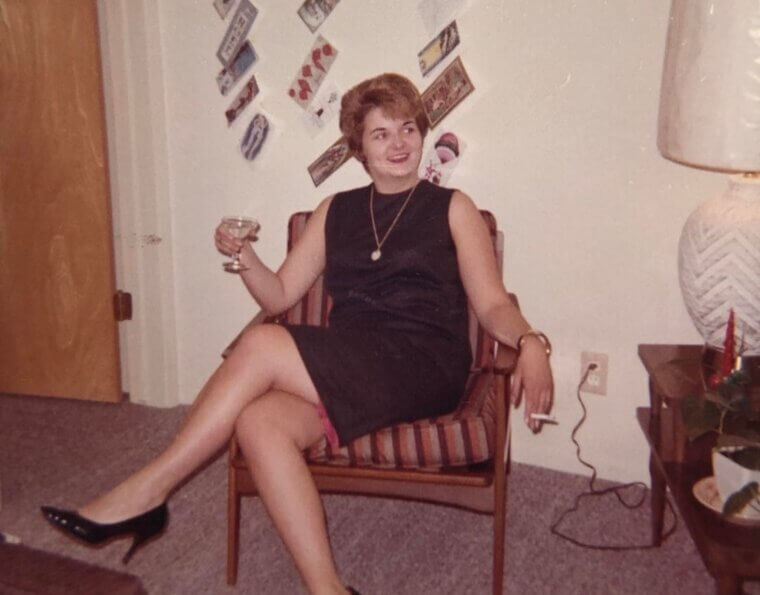
Keeping the television on even when no one was watching was a common New Year’s Eve habit. The screen stayed lit as background noise while people chatted, played cards, or dozed on the couch. Turning it off felt strange, as if silence might dull the celebration. Today, that habit can feel awkward and unnecessary. Many people are comfortable with quieter moments and intentional conversation. Background television now feels distracting rather than comforting. Looking back, there is nostalgia in remembering the glow of the screen and familiar voices filling the room. Still, leaving the TV on all night no longer feels essential. Music playlists, candles, or simple quiet often replace it. The shift reflects a greater awareness of how constant noise affects attention and mood. What once felt lively can now feel cluttered. Choosing when to turn the screen off has become a small but meaningful way to shape a calmer, more personal start to the year.
Counting Down With a Crowd of Strangers
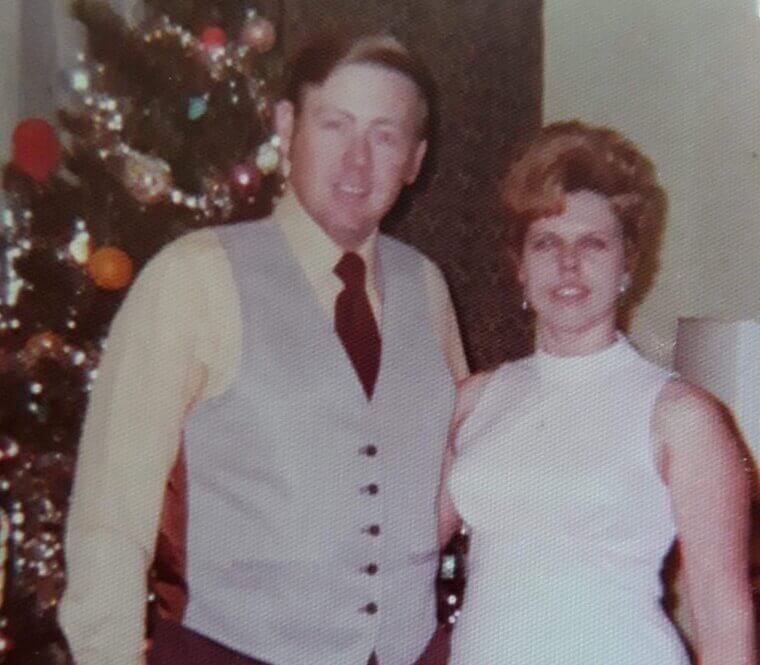
Counting down with a room full of strangers was once more accepted. Large public gatherings brought together people who had never met, united by the moment. Cheers, hugs, and shared excitement filled the final seconds. Today, this habit can feel awkward for many. Crowded spaces, loud noise, and forced closeness no longer appeal the same way. People are more mindful of personal comfort and safety. Looking back, there is nostalgia in remembering the thrill of being part of a massive crowd. It felt spontaneous and memorable. Now, smaller circles feel more meaningful. Celebrating with people you know allows for genuine connection rather than brief interaction. The change reflects how social priorities have evolved. While public countdowns still happen, they are no longer the default choice. The memory of shouting along with strangers remains vivid, but many are content to welcome the year in quieter, more familiar company at the end of the night.
Letting Children Stay up No Matter the Next Day
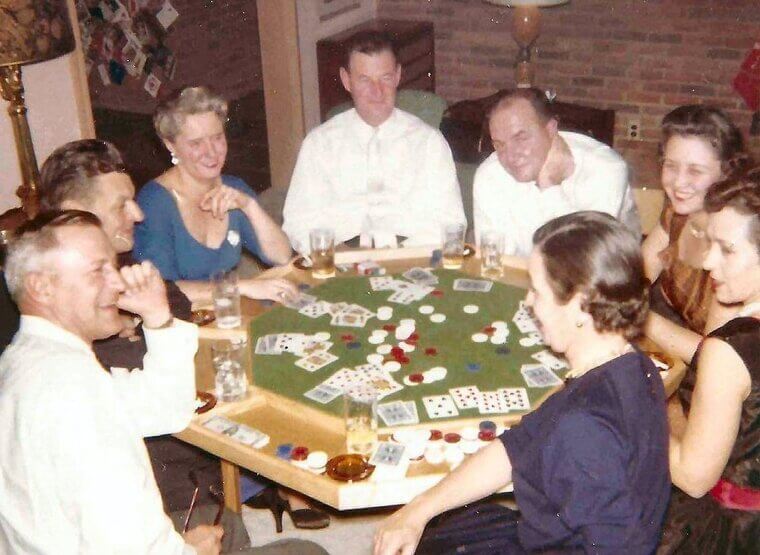
Letting children stay up until midnight was once treated as a special family privilege. Parents made exceptions, set out snacks, and promised naps the next day. The excitement mattered more than routine. Today, this habit can feel awkward and exhausting. Families are more aware of how disrupted sleep affects everyone, especially young children. Keeping kids awake long past bedtime often leads to meltdowns rather than memories. Looking back, there is nostalgia in remembering pajamas on the couch and sleepy countdowns. Still, many parents now choose earlier celebrations or mock countdowns that fit a child’s schedule. The meaning remains the same, sharing the moment together, but the timing has shifted. What once felt like a rite of passage now feels optional. Families have learned that memories can be made without pushing limits. The change reflects a greater focus on well being while still honoring togetherness at home.
Preparing a Large Midnight Meal Together
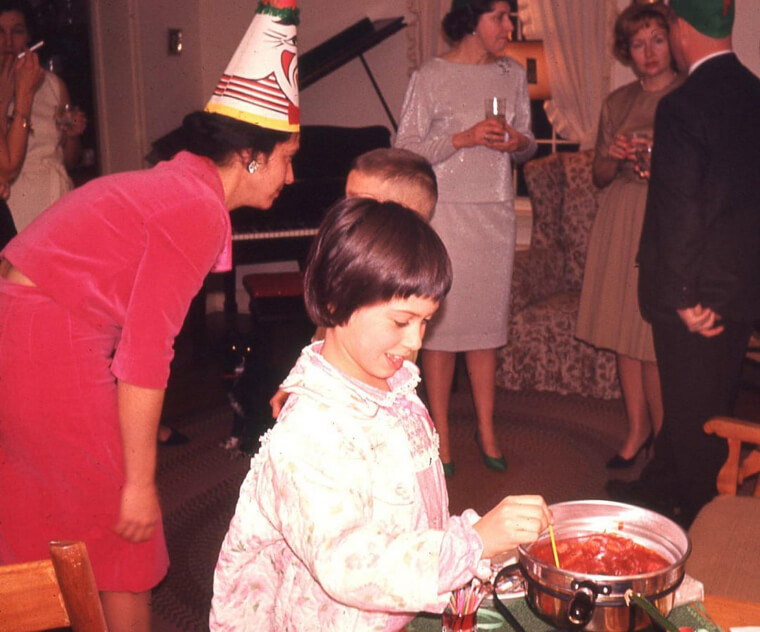
Preparing a full meal to eat at or after midnight was once a family event. Kitchens stayed busy late into the night as relatives cooked traditional dishes meant to bring luck or comfort. Everyone helped, even if they were tired. Today, this habit can feel awkward and impractical. Eating heavy food so late no longer appeals to many. Schedules and health awareness have changed how families approach meals. Looking back, the tradition feels warm and meaningful. Cooking together created togetherness and gave the night structure. Now, lighter snacks or earlier dinners are more common. The idea of gathering around the stove at midnight feels like a memory from another time. Still, those late night meals reflect how food once anchored family celebrations. While the timing has changed, the desire to connect through shared meals remains strong, even if it now happens earlier and with less effort at home.