High Volume Increases Handling Risk
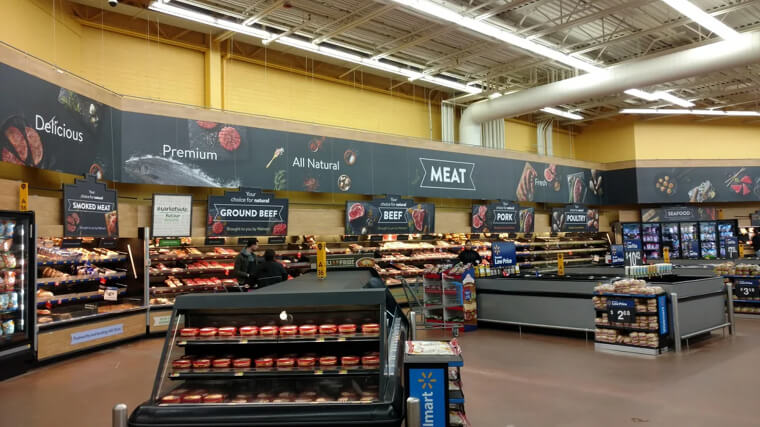
Ground beef sold at Walmart moves through extremely high volume supply chains every single day. That scale means the meat is handled, transported, and repackaged many times before it reaches store shelves. Each additional transfer increases the chance of temperature fluctuations, surface contamination, or sanitation lapses along the way. Ground beef is especially vulnerable because bacteria introduced at any point become mixed throughout the product. Even small errors can spread widely. High volume operations prioritize speed and efficiency, not careful small batch control. While many packages may be perfectly fine, the margin for error is much thinner. When problems occur, they affect far more product at once. For shoppers, that means higher exposure risk compared with meat ground locally in smaller batches under direct supervision. This difference becomes noticeable when considering safety margins, freshness expectations, and accountability at the point of sale for consumers making routine grocery decisions weekly today.
Centralized Grinding Reduces Freshness
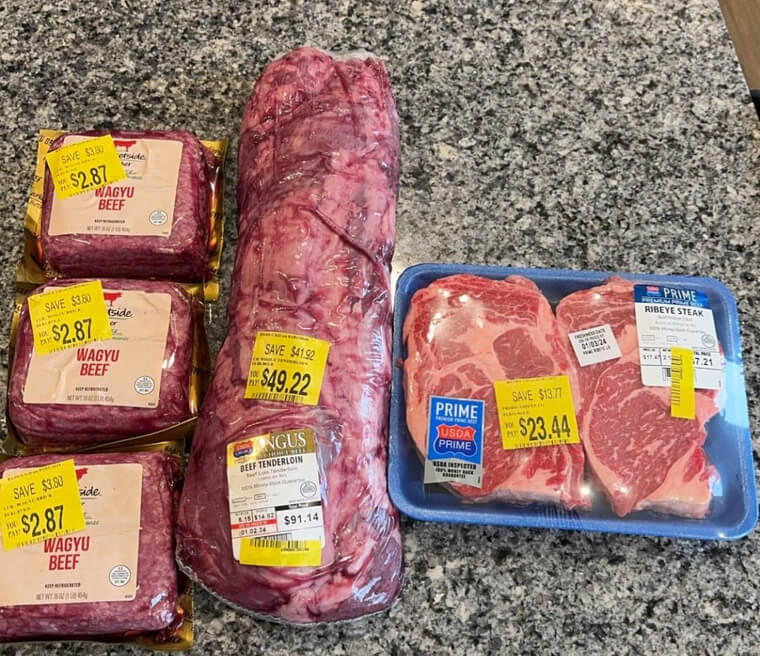
Much of Walmart’s ground beef is processed at centralized facilities rather than being ground inside the store. This means the beef may already be several days old before it is placed in the meat case. Ground beef deteriorates faster than whole cuts because more surface area is exposed to oxygen and bacteria. Even when the product remains within sell by dates, texture and flavor can decline quickly. Centralized grinding also limits flexibility, since meat is packaged in advance rather than adjusted daily based on demand. Once shipped, stores have little control over freshness beyond refrigeration. By contrast, in store grinding allows meat to be sold shortly after processing. Shoppers often notice differences in smell, moisture, and color after opening centrally processed packages. These changes do not always mean spoilage, but they indicate reduced freshness compared with beef ground locally the same day for immediate purchase.
Greater Exposure to Recalls
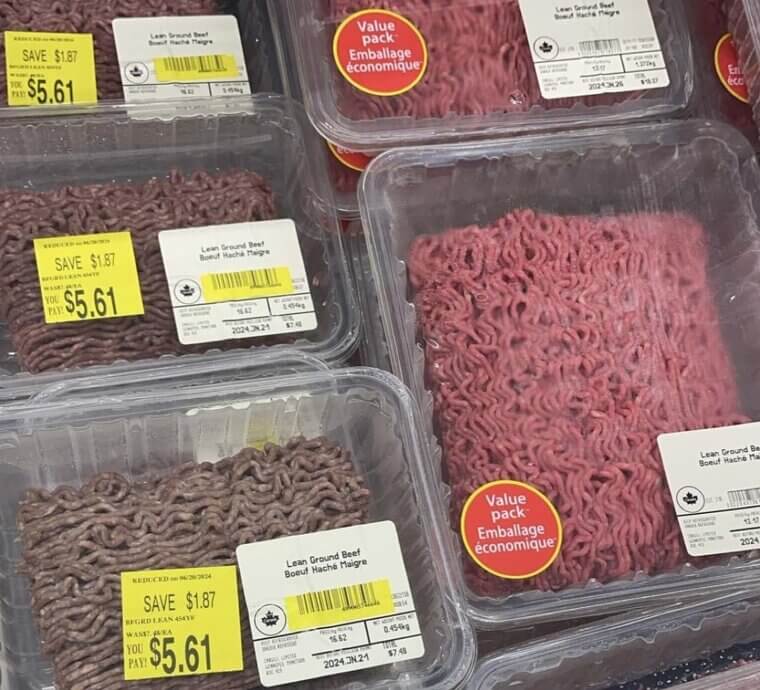
Large national retailers like Walmart face a higher risk of widespread recalls when food safety problems occur. Ground beef recalls often involve massive batches processed at centralized facilities and distributed across hundreds or thousands of stores. When contamination is discovered, millions of pounds of meat may be affected at once. Smaller retailers or local butchers typically deal with limited batches that affect fewer customers. Walmart ground beef has been included in several high profile recalls over the years, often due to bacteria such as E. coli. Even if a shopper avoids recalled packages, exposure risk increases simply because of scale. Many customers never hear about recalls until after products are already consumed. While recalls are part of modern food safety systems, the size of Walmart’s distribution network means mistakes travel farther and faster. That makes avoiding affected products more difficult for shoppers relying on national supply chains.
Lean to Fat Ratios Are Often Inconsistent
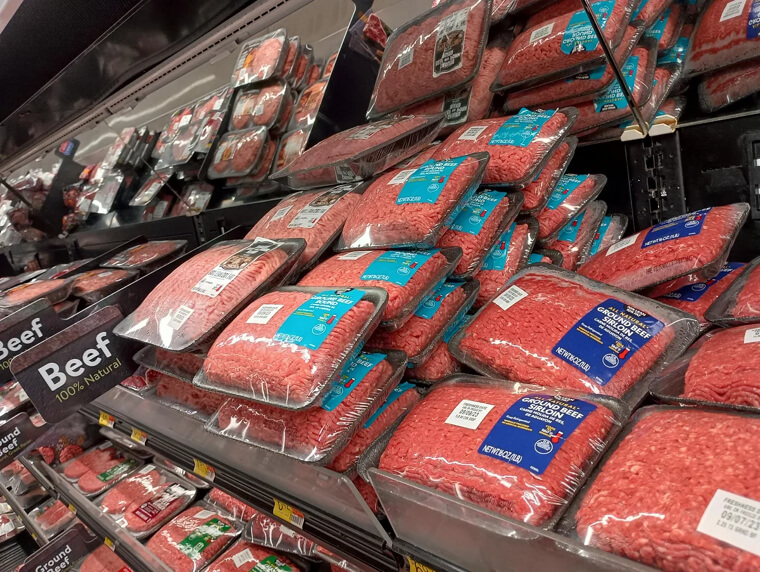
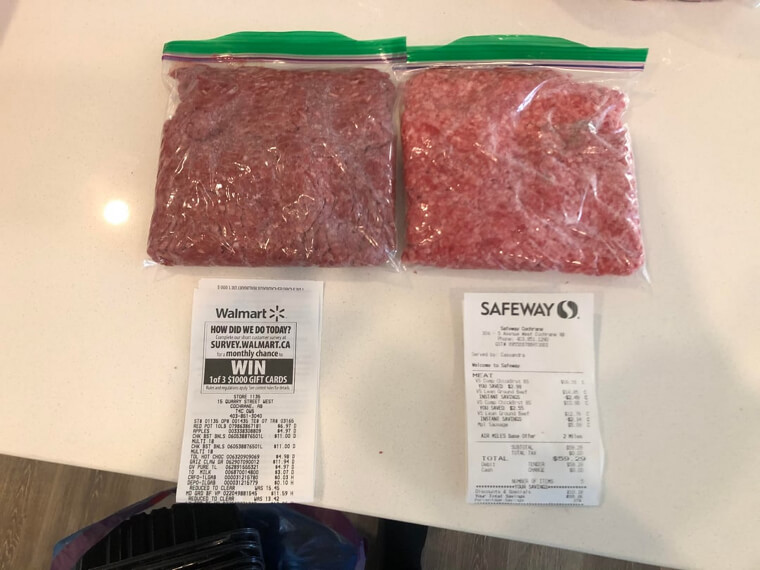
Many shoppers notice that Walmart ground beef does not always match the lean to fat ratios listed on the package. Beef labeled as lean may release large amounts of grease during cooking, affecting both taste and texture. Inconsistent fat content makes it harder to predict cooking results, especially for recipes that depend on precise ratios. This issue is more common in pre packaged ground beef produced at scale. Fat distribution can vary between batches, even when labels remain the same. Excess grease also reduces yield, meaning less usable meat after cooking. For people monitoring calorie intake or following dietary guidelines, inaccurate ratios create frustration. Smaller operations that grind beef on site often have better control over fat consistency. While labeling standards exist, large scale production increases variability. Shoppers expecting reliable results may find that inconsistency leads to wasted food and disappointing meals more often than expected.
Limited Transparency About Sourcing
Walmart sources ground beef from numerous suppliers across different regions. While products meet federal inspection requirements, detailed information about origin, farming practices, or processing conditions is often limited. Labels usually list only basic details required by regulation, leaving shoppers with little insight into how the meat was raised or handled before processing. For consumers who care about sourcing transparency, this lack of detail can be frustrating. Smaller retailers and local butchers are often able to answer questions about where their beef comes from and how it is processed. At Walmart, employees typically do not have access to this information. Without clear sourcing details, shoppers must rely on trust rather than knowledge. This uncertainty does not automatically mean poor quality, but it reduces the ability to make informed choices. For many people, that lack of clarity alone is reason enough to shop elsewhere.
Packaging Can Hide Quality Issues
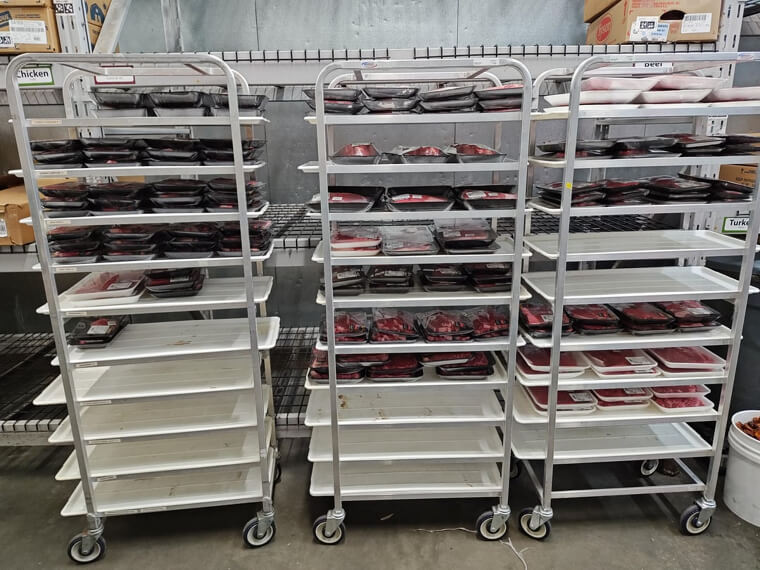
Walmart ground beef is often sealed in tight plastic packaging designed to extend shelf life and reduce oxygen exposure. While this packaging can slow spoilage, it can also hide quality problems until the package is opened at home. Discoloration, excess moisture, or unpleasant odors may not be obvious in the store. Some packages release strong smells or feel slimy once opened, surprising shoppers who believed the meat looked fine. Ground beef should have a clean, neutral smell and firm texture. Packaging that limits inspection makes it harder to judge quality before purchase. By contrast, fresh ground beef at a meat counter allows customers to see color, texture, and moisture directly. The inability to assess quality upfront increases the risk of disappointment or waste. For shoppers trying to avoid returns or discarded food, this packaging approach creates unnecessary uncertainty.
Better Alternatives Are Usually Nearby
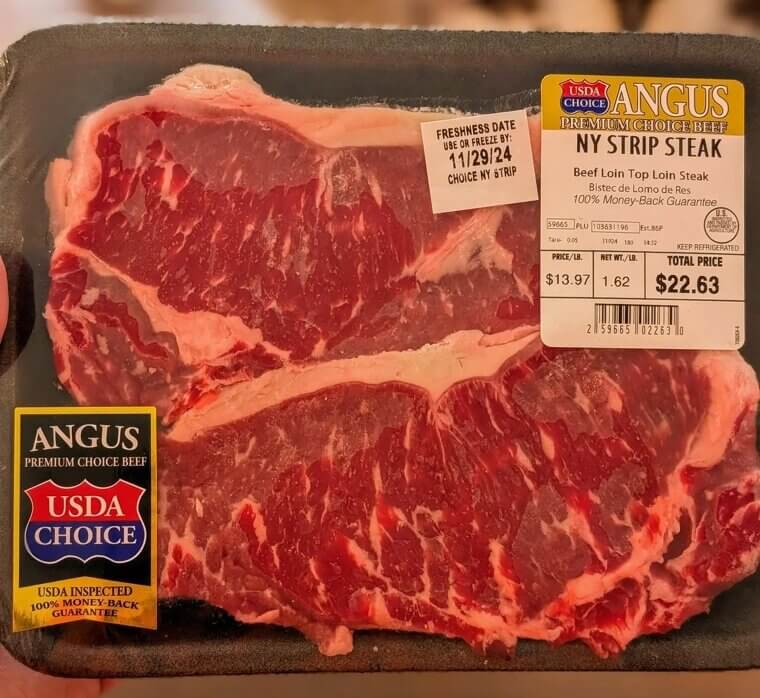
In many communities, better ground beef options exist within a short drive of Walmart. Local butchers, grocery store meat counters, and smaller regional chains often grind beef daily on site. This allows customers to see the meat, ask questions, and request specific cuts or fat ratios. Freshly ground beef typically has better texture, cleaner smell, and more consistent cooking results. While prices may be slightly higher, the difference in quality is often noticeable immediately. Buying smaller quantities of better meat can reduce waste and improve meals. These retailers also tend to have shorter supply chains, which lowers handling risk. Even some standard grocery stores offer in store grinding on request. For shoppers willing to spend a little more attention and care, alternatives to Walmart ground beef provide better control, transparency, and overall satisfaction at the dinner table without significant added effort.