Seniors No Longer Care About Physical Intimacy
Society often desexualizes older adults, assuming that interest in romance and physical intimacy simply vanishes with age. This is a myth that ignores the emotional and biological realities of aging. Studies consistently show that a significant majority of seniors remain interested in and capable of enjoying intimate relationships. Emotional connection and physical touch remain vital components of human well-being throughout the entire lifespan. While physical changes may require adjustments in how intimacy is expressed, the desire for companionship and romantic fulfillment does not have an expiration date. This myth can lead to feelings of shame or isolation for older adults who still have these natural desires. Recognizing that seniors have vibrant emotional and romantic lives is essential for supporting their overall mental health and life satisfaction as they continue to age.

Memory Loss Is an Inevitable Part of Aging
Many people believe that getting older automatically leads to dementia or significant memory failure. This is one of the most persistent and damaging myths about the aging process. While it is true that processing speed might slow down slightly, significant cognitive decline is not a normal part of aging. Most seniors retain their memory and intellectual capabilities well into their nineties. Scientific research shows that the brain remains capable of growing new neurons and forming new connections throughout life. This is known as neuroplasticity. Often, what people mistake for "old age" memory loss is actually the result of treatable conditions like vitamin deficiencies, medication side effects, or lack of mental stimulation. Staying socially active and mentally challenged helps keep the brain sharp. Aging should be viewed as a time of wisdom and accumulated knowledge rather than a period of inevitable mental decay.

You Can No Longer Learn New Skills
The old saying "you can't teach an old dog new tricks" has done a great deal of harm to the way society views older adults. This myth suggests that after a certain age, the mind becomes rigid and incapable of absorbing new information. In reality, seniors are often more patient and focused students than younger people. Many older adults successfully learn new languages, master complex technology, or start entirely new careers in their seventies. The brain is like a muscle; it continues to function well as long as it is exercised. Learning new things might take a bit more time than it did during childhood, but the ability to understand and retain complex concepts remains intact. This lifelong learning is actually one of the best ways to prevent cognitive decline. Engaging in new hobbies or academic pursuits provides the mental workout necessary to keep the mind agile and vibrant for decades.

Physical Decline Is Unavoidable and Rapid
There is a common belief that as soon as you hit a certain age, your body begins to break down and you lose your independence. While the body does undergo changes, the rate of physical decline is largely influenced by lifestyle choices rather than just the passage of time. Loss of muscle mass and bone density can be significantly slowed or even reversed with regular strength training and a proper diet. Many individuals in their eighties and nineties continue to run marathons, hike, and participate in competitive sports. The idea that seniors should "take it easy" and avoid physical exertion is actually counterproductive. Lack of activity is often the true cause of the weakness and frailty associated with aging. By staying active and maintaining a consistent exercise routine, older adults can maintain their mobility and physical strength for much longer than the popular myths would suggest.

You Need Less Sleep as You Get Older
It is a common misconception that older people naturally require only five or six hours of sleep per night. This myth likely stems from the fact that many seniors have trouble staying asleep or wake up earlier in the morning. However, the biological need for sleep remains the same for adults regardless of their age. Most seniors still need between seven and nine hours of quality sleep to function at their best. Sleep patterns may shift, resulting in earlier bedtimes and earlier wake times, but the total amount of rest needed does not decrease. When seniors do not get enough sleep, they face a higher risk of falls, memory problems, and depression. Difficulty sleeping is often caused by medical issues or the side effects of medications rather than a reduced need for rest. Ensuring that older adults prioritize healthy sleep habits is just as important as it is for younger generations.
Depression Is a Normal Reaction to Aging
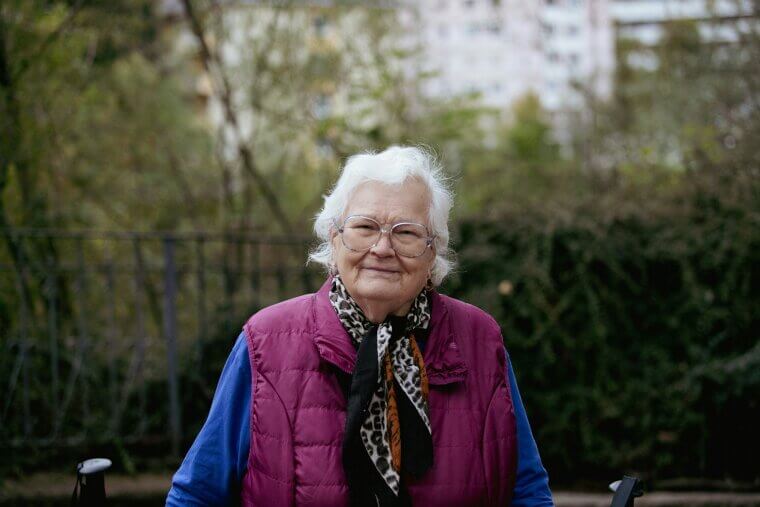
Many people assume that it is natural for seniors to be sad or depressed because they are facing the end of life or dealing with health issues. This is a dangerous myth that prevents many older adults from seeking the mental health care they need. Depression is never a normal part of the aging process. While aging involves transitions and losses, most seniors are actually quite resilient and report high levels of life satisfaction. In fact, some studies show that older adults are often happier than people in their twenties and thirties. Persistent feelings of sadness, hopelessness, or a loss of interest in activities are signs of a clinical condition that should be treated professionally. When we write off depression as "just part of getting older," we ignore a treatable illness. Mental health is just as important in late life as it is in youth, and seniors deserve to live their later years with a sense of purpose and joy.

Seniors Are Inevitably Grumpy and Lonely
The "cranky old person" is a staple character in movies and television, leading many to believe that aging makes people bitter and isolated. This stereotype ignores the fact that personality remains relatively stable throughout a person's life. A person who was kind and social in their youth will likely remain that way in their senior years. While social circles may change as people age, many seniors are more socially active than ever, participating in community groups, volunteering, and spending time with family. Loneliness is a risk for some, but it is not a guaranteed outcome of growing old. Many older adults find that their later years are a time of increased social freedom and deeper connections with friends and neighbors. The idea that seniors are universally unhappy or alone is a myth that fails to recognize the rich and varied social landscapes that many older adults navigate every single day.
Aging Means You Can No Longer Drive Safely
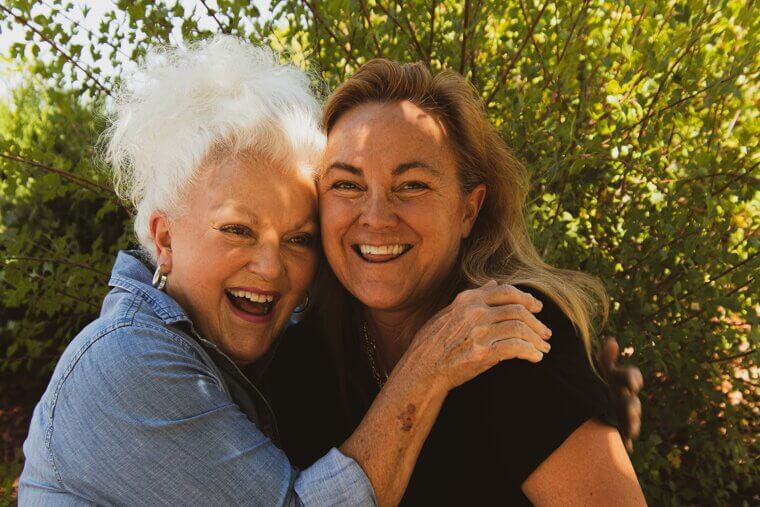
There is a widespread belief that once a person reaches a certain age, they become a danger on the road and should have their license revoked. While it is true that vision and reaction times can change, age alone is not a reliable indicator of driving ability. Many seniors are actually some of the safest drivers on the road because they tend to be more cautious, wear seatbelts more often, and avoid driving in dangerous conditions or after drinking. Most older adults are very good at self-regulating and will voluntarily stop driving at night or in heavy traffic if they feel their skills are declining. Assessing a person's ability to drive should be based on their physical and cognitive health rather than the number on their birth certificate. Taking away a senior's license prematurely can lead to a loss of independence and increased isolation, which are far greater risks to their overall health.

Creativity Diminishes as the Years Pass
Some people believe that the "spark" of creativity belongs only to the young. This myth suggests that as people age, their ability to think outside the box or create something new disappears. History proves this entirely wrong. Many of the world’s greatest artists, writers, and musicians produced their most significant works in their later years. Creativity is not tied to youth; it is tied to experience and perspective. Older adults often have a deeper well of life lessons to draw from, which can lead to more complex and meaningful creative expressions. In many cases, retirement provides the time and freedom that seniors never had during their working years to finally pursue creative passions. Whether it is painting, writing, or inventing, the capacity for innovation remains strong. Aging can actually be a period of intense creative flourishing as individuals find new ways to express their unique views of the world.
Most Seniors End Up in Nursing Homes
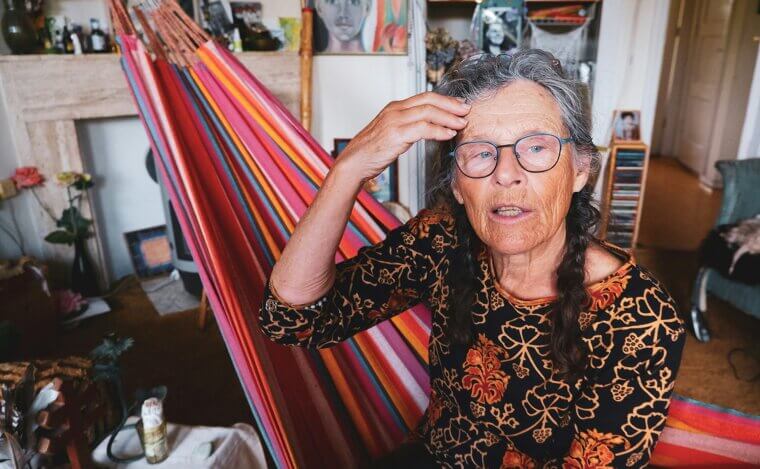
One of the most common fears about aging is the belief that everyone eventually ends up in a long-term care facility. In reality, the vast majority of seniors continue to live independently in their own homes or in their communities. Only a small percentage of the population over age sixty-five lives in a nursing home at any given time. With the rise of home health services, assisted living, and community support programs, older adults have more options than ever to stay in familiar surroundings. Many seniors are active members of their neighborhoods, managing their own households and participating in local life. The idea of the nursing home as an inevitable destination is an outdated view of what it means to grow old in the modern world. Most people will spend the entirety of their senior years living in the homes they love, surrounded by their friends, family, and the communities they have helped build over many decades.