
Spinal Fusion: A Backbone of Pain
The spine is the central highway of the nervous system, and when surgeons fuse two vertebrae together, the disruption is significant. This procedure involves bone grafting and metal hardware, which requires the body to physically knit together new bone material over several months. Because the back muscles must be retracted to reach the site, patients often experience intense muscle spasms alongside the deep ache of bone healing.
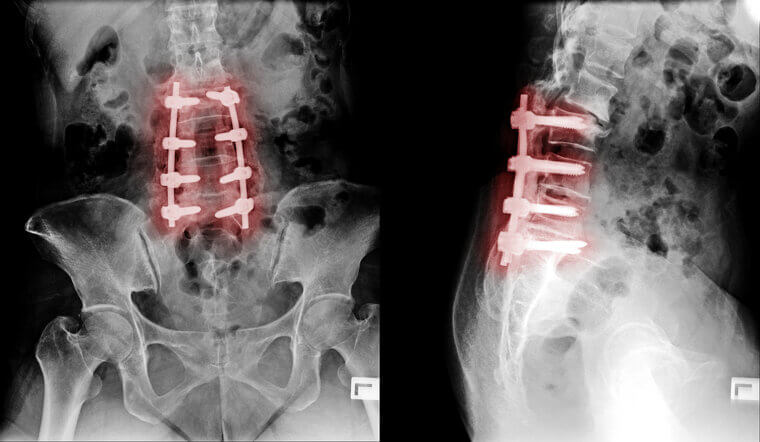
The recovery is famously arduous because every movement—sitting, standing, or even breathing deeply—engages the very area that is trying to stabilize and heal. It is a long, throbbing journey toward structural stability.
Complex Reconstructive Surgery: Piecing Together the Pain
Whether it is following a major trauma or a significant illness, reconstruction often involves multiple stages and different parts of the body. Surgeons may move skin, muscle, or bone from one site to another. This effectively gives the patient two painful wounds to manage simultaneously. The complexity of reconnecting tiny blood vessels and nerves means the recovery is a delicate balance of immobility and discomfort.
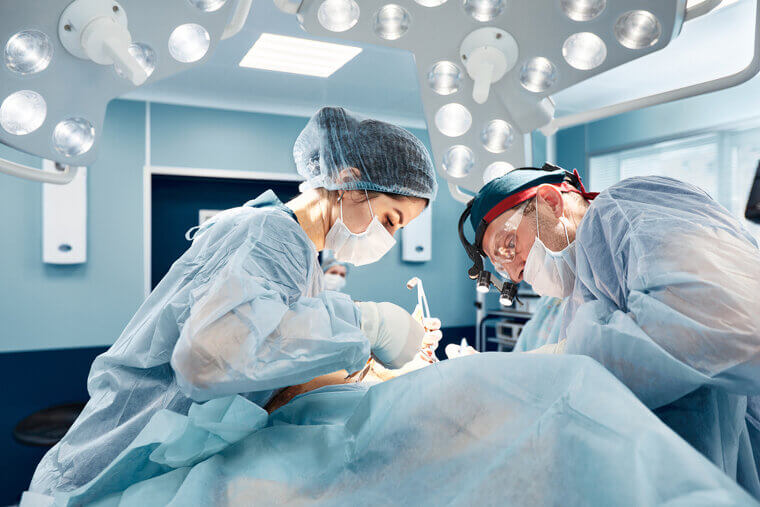
Patients allegedly report that the nerve regeneration process, which feels like electric shocks, is one of the most challenging aspects of the long-term healing journey. It requires immense patience as the body slowly reintegrates these moved tissues.
Open Heart Surgery: A Painful Path to Healing
While the heart itself doesn’t feel pain in the traditional sense, getting to it requires a sternotomy—the process of breaking the breastbone and spreading the ribs. This is a massive trauma to the skeletal structure of the chest. Post-operatively, every cough, sneeze, or deep breath can feel like a sharp, stabbing sensation as the ribcage expands and contracts. Reportedly, the first few days of sternal precautions are some of the most physically demanding for patients.
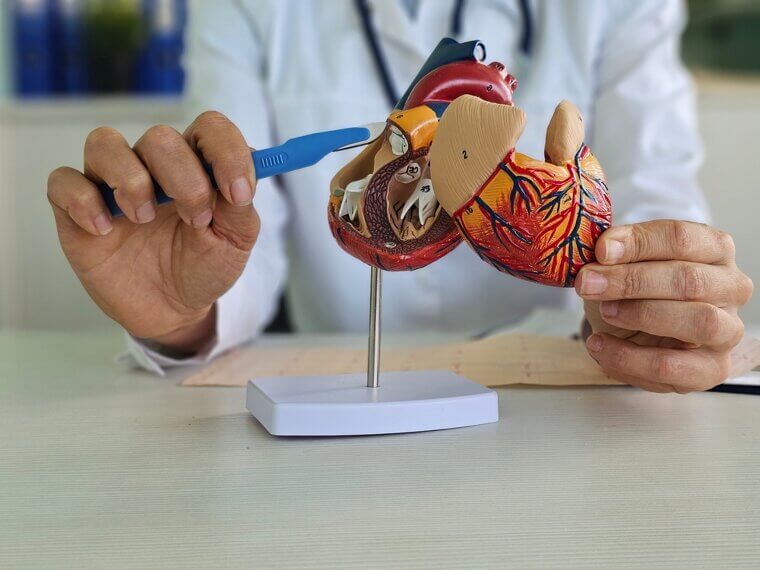
Because the chest is the center of almost all upper-body movement, patients must move with extreme caution.will ever face, making simple survival feel like a marathon.
Hip Replacement: A Joint Effort in Pain
Replacing a hip joint is a marvel of modern medicine, but it is also an invasive carpentry project. The surgeon must hollow out the femur and prep the pelvic bone to receive the new prosthetic. This involves significant impact on the heavy muscles and tendons surrounding the hip. While the bone-on-bone pain of arthritis is gone, it is replaced by the acute, searing pain of surgical trauma.
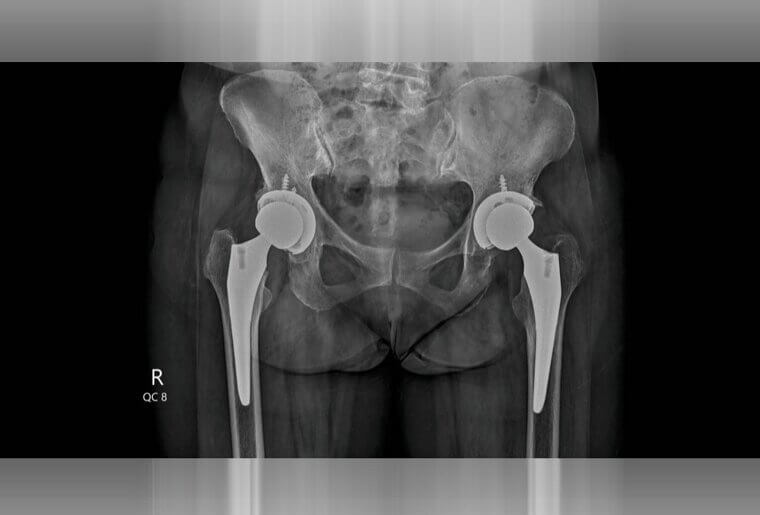
Physical therapy usually begins within twenty-four hours, forcing patients to put weight on a fresh wound, which is a necessary but undeniably grueling part of the process. The deep, heavy ache persists for many weeks.
Amputation: The Ultimate Sacrifice of Pain
Amputation is a profound physical and psychological trauma. Beyond the immediate surgical pain of cutting through skin, muscle, and bone, there is the unique challenge of phantom limb pain. This occurs when the brain continues to send signals to the limb that is no longer there, often resulting in sensations of cramping or burning. The healing site itself is extremely sensitive as nerves are severed and reorganized.

Learning to use a prosthetic adds another layer of physical strain, as the remaining limb must adapt to new pressure points and a completely different way of moving. It is a truly exhausting, multifaceted recovery.
Thoracic Surgery: The Difficulty of Deep Breaths
Surgery within the chest cavity, such as a lung resection, is often cited as one of the most painful experiences due to the placement of chest tubes. These tubes are inserted between the ribs to drain fluid and air, and they can irritate the pleural lining with every breath. Since humans must breathe constantly, there is no resting the surgical site. The intercostal nerves that run along the ribs are highly sensitive.

Any inflammation in this area can cause sharp, radiating pain that lingers long after the initial incision has begun to heal. Every expansion of the lungs feels like a focused, sharp sting.
Pancreaticoduodenectomy: The Whipple Procedure Challenge
Often used to treat tumors, this is one of the most complex abdominal surgeries in existence. It involves the removal and replumbing of the pancreas, small intestine, and bile duct. Because the abdomen contains a high concentration of nerves and is essential for core stability, the recovery is intense. The body must relearn how to digest food while healing from a large incision. Patients reportedly find the internal rearranging leads to significant cramping and a long, slow road back to normal activity.
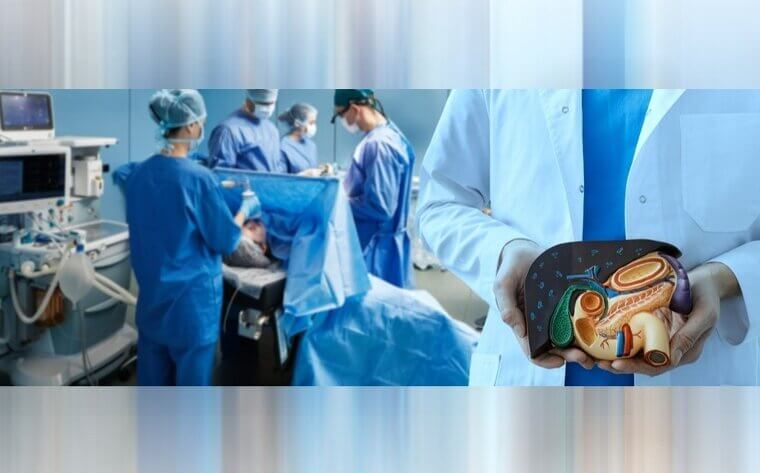
This procedure often requires weeks of hospital care. The internal sensation is often described as a constant, heavy pressure that refuses to let up.
Ankle Fusion: The Ground-Level Ache
The ankle is a complex structure that bears the entire weight of the body. When a surgeon performs a fusion to treat severe arthritis or injury, they remove the remaining cartilage and join the bones with screws or plates. This eliminates the joint’s motion, which causes the surrounding joints to work harder. The initial recovery requires strict non-weight-bearing status, which is physically exhausting. Once the patient starts moving, the deep, throbbing pain of the bones knitting together can be quite severe.
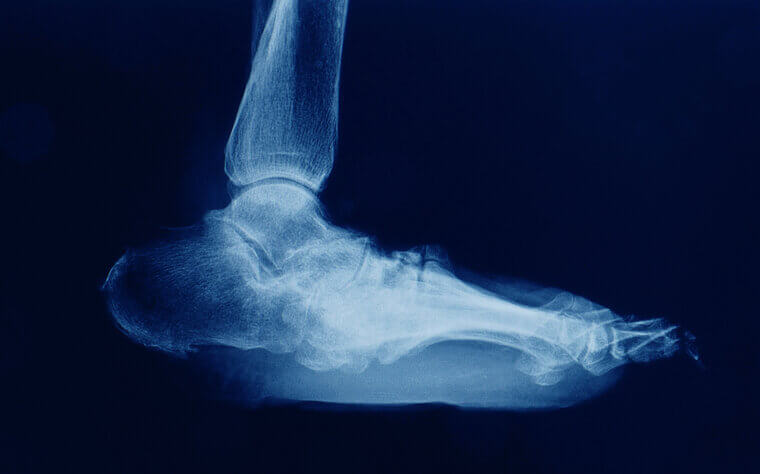
This is especially severe since the feet have less soft tissue to cushion the surgical site. It feels like a heavy, cold weight within the limb.
Total Knee Replacement: The Price of Mobility
Knee replacements are incredibly common, but they are notorious for a difficult recovery. Unlike the hip, the knee is a more superficial joint with less muscle covering it, meaning the swelling is more apparent and restrictive. The real pain in a knee replacement often comes from the aggressive physical therapy required to prevent scar tissue from locking the joint. Forcing the knee to bend while the incision is still fresh is a monumental task that requires significant mental fortitude.
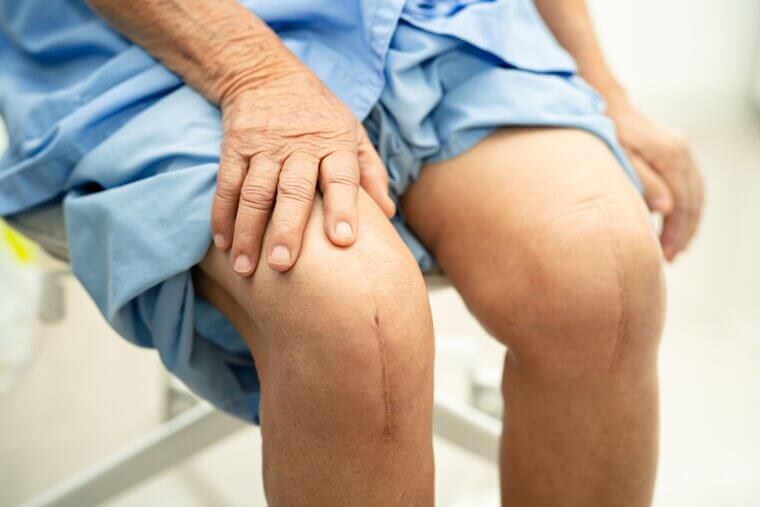
That's because the nerves around the kneecap are highly reactive during the first few weeks. The stiffness alone can feel like a tight, hot band around the leg.
Abdominal Wall Reconstruction: A Core Conflict
When a patient has a massive hernia or a weakened abdominal wall, surgeons must essentially rebuild the core using mesh and complex muscle-release techniques. Since the core is used for every single movement—from rolling over in bed to sitting up—there is no way to avoid using the surgical site. The tension placed on the new repair causes a constant, pulling sensation that can be quite distressing.
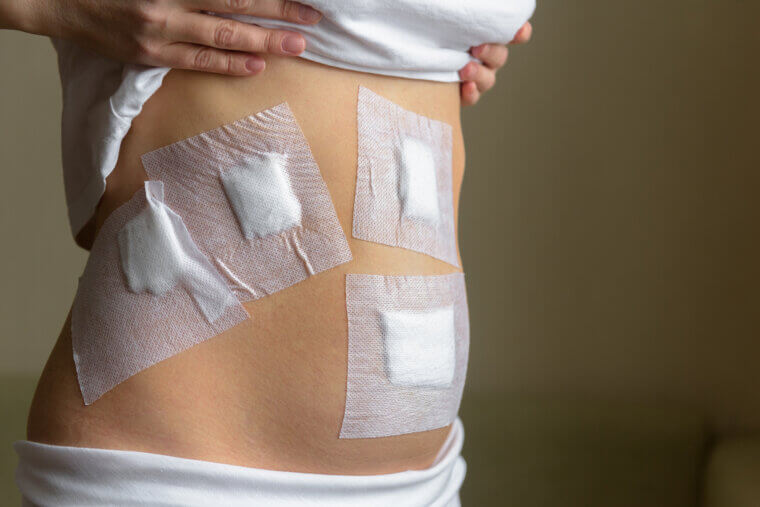
Allegedly, patients describe the recovery as feeling like they have performed thousands of crunches, but with the added sharp pain of a surgical wound. It makes even the smallest movements, like laughing, feel quite impossible.
Myomectomy: A Deep Internal Recovery
This procedure involves the removal of fibroids from the uterine wall. While often necessary for health and comfort, the surgery requires cutting through several layers of the abdominal wall and the muscle of the uterus itself. The uterus is a highly vascular organ with a rich supply of nerves, leading to intense cramping post-surgery that mimics severe labor pains. Because the bowels are often handled during the procedure, patients also deal with painful gas and ileus, where the digestive system is slow to wake up.
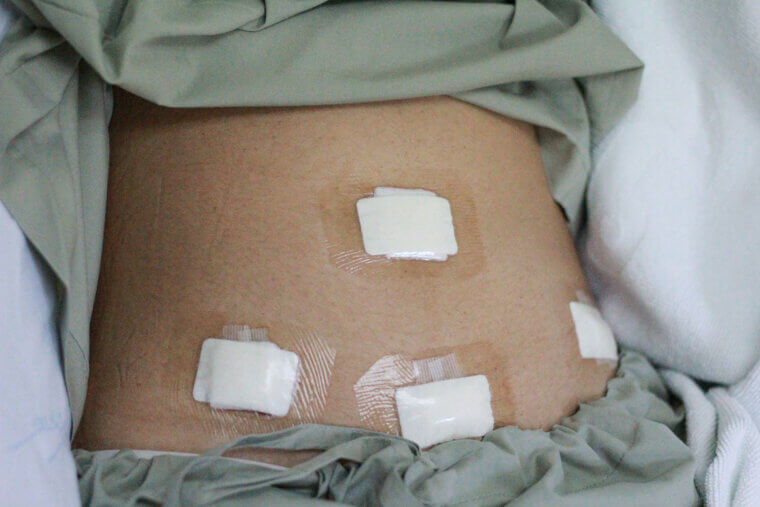
Not surprisingly, this adds greatly to the general discomfort. This combination of internal spasms and surgical trauma creates a very deep, radiating pelvic ache.
Proctocolectomy: A Major System Reset
Removing the colon and rectum is a life-altering surgery that involves significant internal trauma. The pelvic area is densely packed with nerves, and the removal of these organs leaves a void that the rest of the internal organs must shift to fill. The recovery involves managing a new way of eliminating waste, which can cause skin irritation and internal spasms. Patients often find that sitting down is the most difficult task.
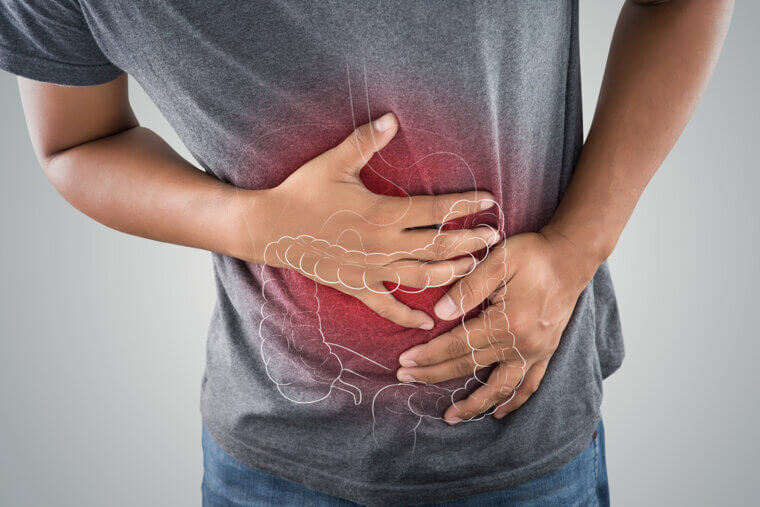
That's because the surgical site is located in a high-pressure area of the body that is very difficult to keep comfortable. The sensation of the phantom rectum can also cause distressing, painful urges during healing.
Femur Fracture Repair: Fixing the Largest Bone
The femur is the largest and strongest bone in the body, and repairing it usually involves intramedullary nailing, where a metal rod is inserted through the center of the bone. The sheer force required to align the bone and the trauma to the surrounding thigh muscles—the largest muscle group we have—results in an incredibly painful recovery. The thigh often swells significantly, creating a tight sensation, and the deep bone pain can persist for months.
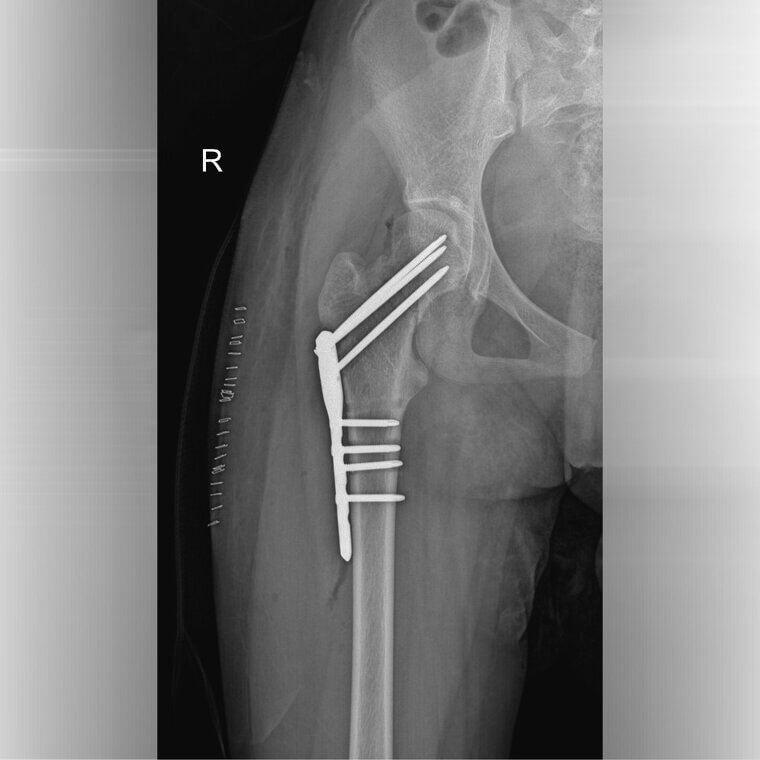
That's because the femur carries so much of the body's mechanical load. It is a deep, marrow-aching pain that makes sleep difficult and movement feel like a heavy, impossible chore.
Nephrectomy: The Sting of Kidney Removal
Removing a kidney, whether for donation or due to disease, involves an incision in the flank or abdomen. This area is heavily muscled, and the surgeon must navigate around the ribs and the diaphragm. Post-operatively, the remaining kidney must hypertrophy or grow larger to take over the work of two, which can cause some internal discomfort. However, the primary pain comes from the incision site; because it is located near the midsection, every twist, turn, or breath pulls on the stitches.
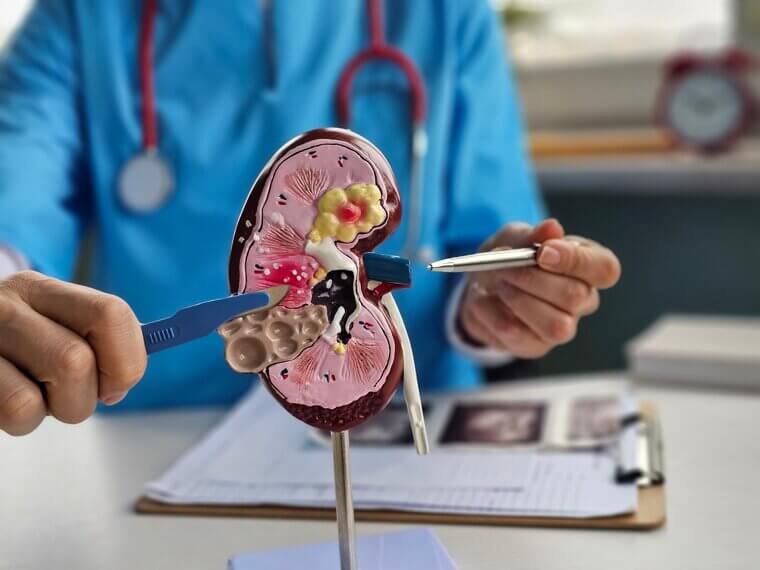
Because of that, the first week of recovery particularly grueling. The flank area is notoriously difficult to stabilize, leading to constant, sharp pulling sensations.
Laminectomy: Pressure and Pain Release
A laminectomy removes part of the vertebral bone to relieve pressure on the spinal cord. While the goal is to reduce long-term nerve pain, the immediate aftermath is quite sharp. The muscles of the back must be detached and moved, and the bone itself is cut. The relief is rarely instant; instead, the nerves—which have been compressed for a long time—often wake up with a vengeance.
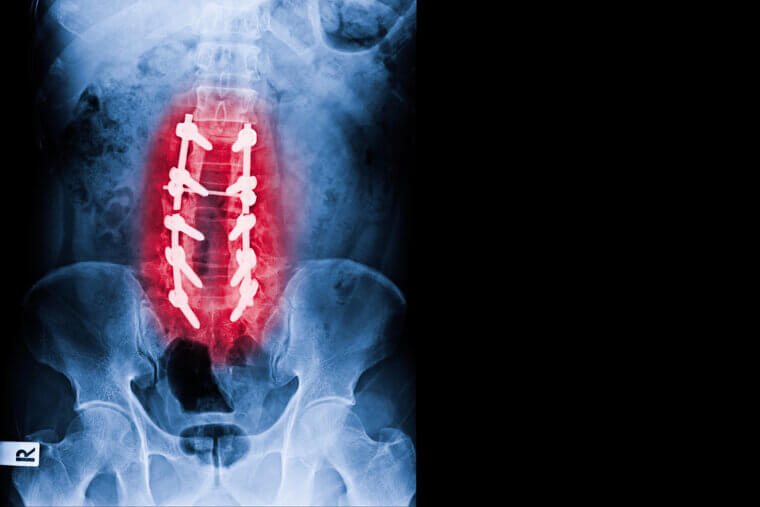
Managing the surgical site while trying to maintain spinal alignment makes the early days of healing very taxing. It feels like a series of hot, electric shocks running through the back, causing burning or tingling sensations that keep the patient on edge throughout the day.
Hysterectomy: A Significant Shift
A hysterectomy involves the removal of the uterus and sometimes the ovaries and cervix. Whether done laparoscopically or through a large incision, the internal disruption is substantial. The ligaments that once held the uterus in place are severed, and the pelvic floor must adjust to the change. Patients often report intense gas pains from the air used to inflate the abdomen during surgery. This, combined with the deep pelvic aching and hormonal shifts, makes the recovery period a very vulnerable and painful time.
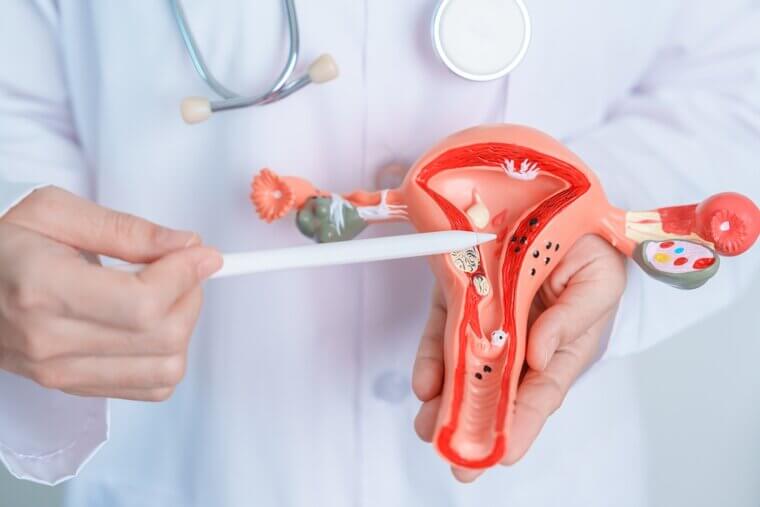
It often feels like an intense, heavy weight is sitting within the lower abdomen, making standing or walking for long periods difficult during the initial weeks.
Cystectomy: Bladder Reconstruction Pain
Removing the bladder is a complex surgery that often requires the creation of a new way for the body to store and divert urine, sometimes using a piece of the intestine. The surgery is lengthy and involves many internal incisions. Because the urinary tract is so sensitive to inflammation, the post-operative period is often marked by spasms and a raw feeling throughout the pelvis.
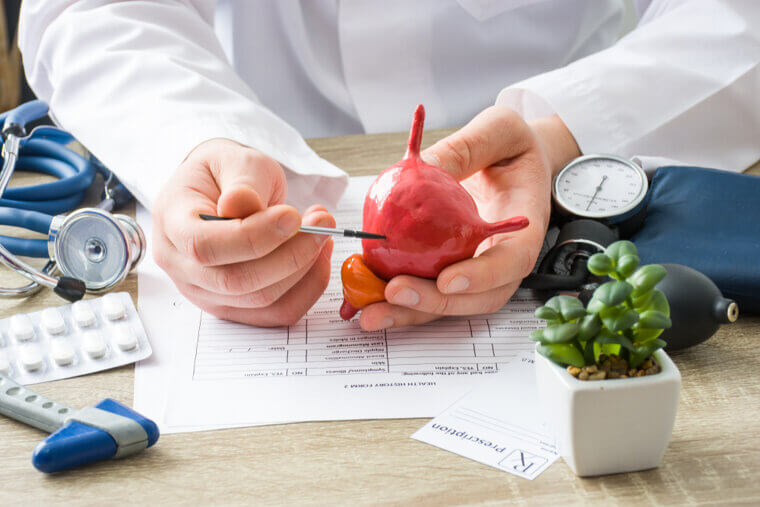
Recovery is a slow process of the body adapting to a new internal anatomy, and the presence of catheters and stents adds a layer of constant, nagging discomfort. It is a grueling, multi-layered experience that tests a patient's physical and mental endurance for several months.
Liver Resection: A Heavy Internal Heal
The liver is a large, heavy organ, and removing a portion of it requires a large incision in the upper abdomen. Because the liver is located just below the diaphragm, the pain is often exacerbated by breathing. The liver is also responsible for many metabolic functions, and as it works to regenerate itself the body can feel extremely fatigued and sore from the inside out.
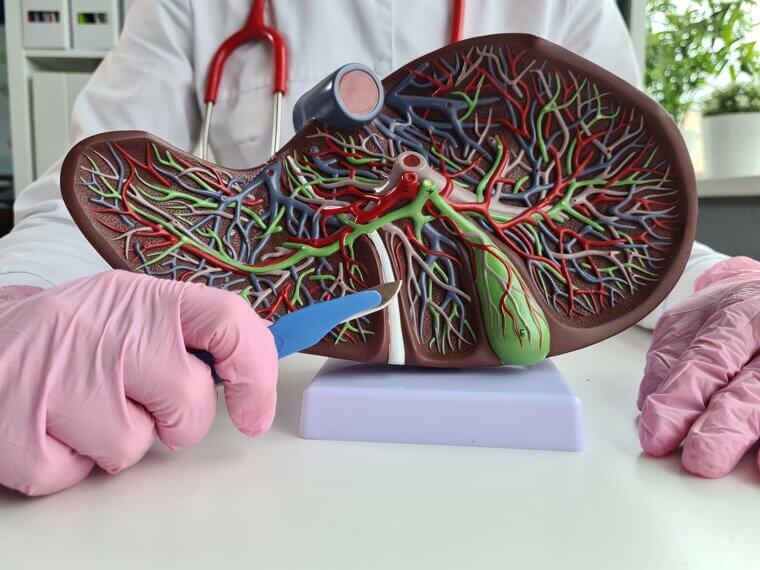
Reportedly, the pressure of the abdominal muscles against the liver’s raw edge during movement is the most difficult part of the healing process. This internal friction creates a deep, nauseating ache that makes any kind of movement feel like a chore, demanding careful management of respiratory effort.
Bone Marrow Transplant: The Invisible Ache
While not a surgery in the traditional sense of a large incision, the process of a bone marrow transplant is agonizing. It begins with high-dose chemotherapy or radiation to wipe out the old marrow, which causes severe mouth sores and internal inflammation. When the new marrow is infused, the body undergoes a massive reboot. The deep, throbbing bone pain as the new cells begin to grow inside the skeletal system is reportedly exhausting.
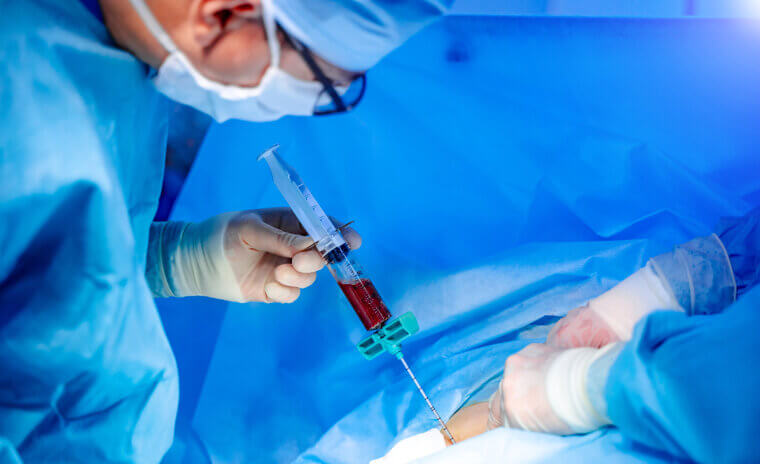
It is a full-body ache that cannot be escaped, making it one of the most difficult medical journeys a person can endure. The sensation is often described as a deep, internal flu.
Rotator Cuff Repair: The Shoulder's Struggle
The shoulder is the most mobile joint in the body, which makes its recovery particularly tricky. Repairing the tendons involves anchoring them back to the bone. Post-surgery, the arm is often immobilized in a sling for weeks, which leads to intense stiffness and frozen shoulder symptoms. The pain is often described as a deep, toothache-like throb that keeps patients awake at night. When physical therapy begins, the process of breaking up scar tissue to regain motion is allegedly one of the most painful experiences in orthopedic medicine.
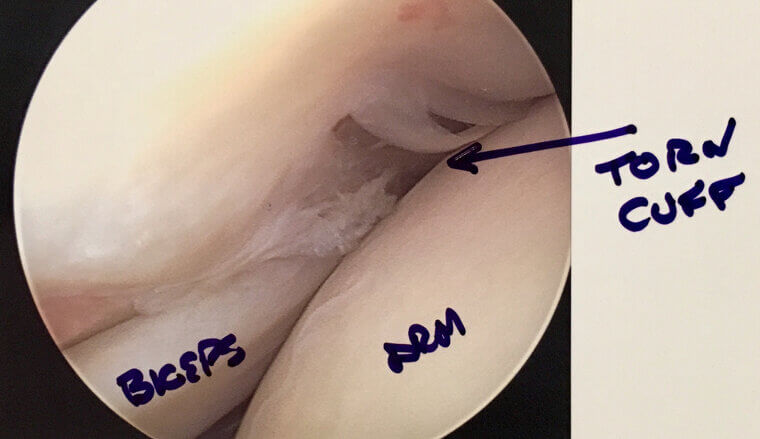
It feels like a sharp, tearing sensation every time the arm is moved even slightly, requiring significant dedication to the rehabilitation program.
Gastrectomy: Relearning to Eat
Removing all or part of the stomach is a major undertaking that fundamentally changes the digestive process. The initial pain comes from the large abdominal incision and the internal sutures used to reconnect the esophagus to the small intestine. However, the secondary pain comes from the body's struggle to process even small amounts of liquid or food. The internal cramping and the sensation of the digestive tract reorganizing itself can be quite sharp and distressing.
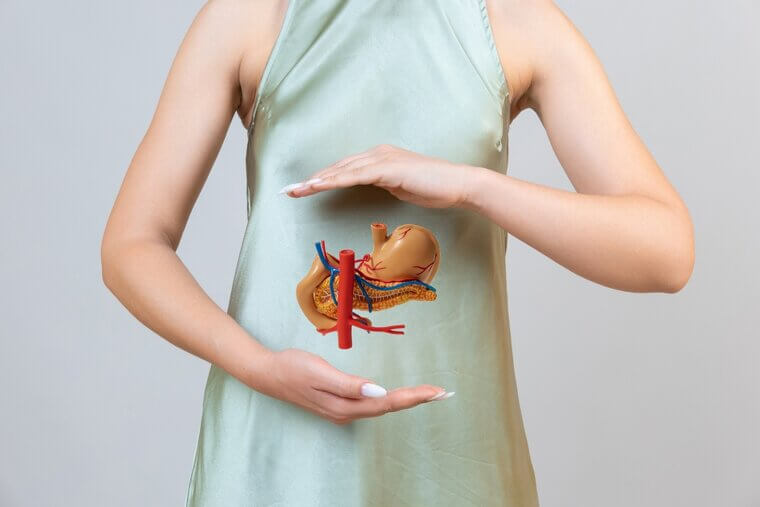
The healing period often requires the patient to stay on a very strict, painful diet for months. It is a constant, gnawing discomfort that makes the basic act of nourishment feel like a physical battle.
Mastectomy: A Tender Recovery
A mastectomy involves the removal of breast tissue and sometimes the underlying chest wall muscle or lymph nodes. The chest area is very sensitive, and the surgery often results in significant numbness followed by a painful burning sensation as the nerves begin to heal. If reconstruction is done at the same time, tissue expanders may be used, which are gradually filled to stretch the skin.
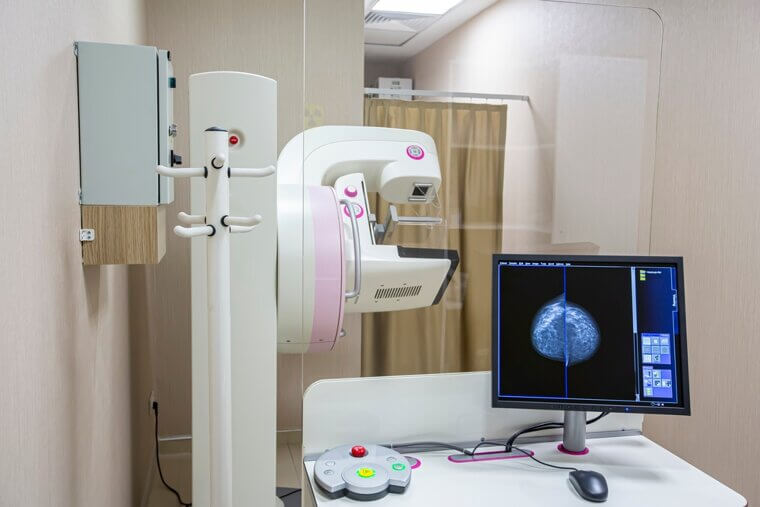
This stretching process is reportedly very uncomfortable, feeling like a constant, tight pressure that makes it difficult to find a comfortable sleeping position for many weeks. The sensation is often compared to a permanent, heavy tightness across the chest that limits full range of motion.
Craniotomy: Head and Neck Discomfort
A craniotomy involves removing a piece of the skull to access the brain. While the brain itself doesn't have pain receptors, the scalp, muscles, and the dura are incredibly sensitive. Post-operative headaches are common and can be very intense. Furthermore, because the muscles of the neck and jaw are often affected by the position the patient was in during surgery. Patients may experience severe stiffness and pulling sensations.
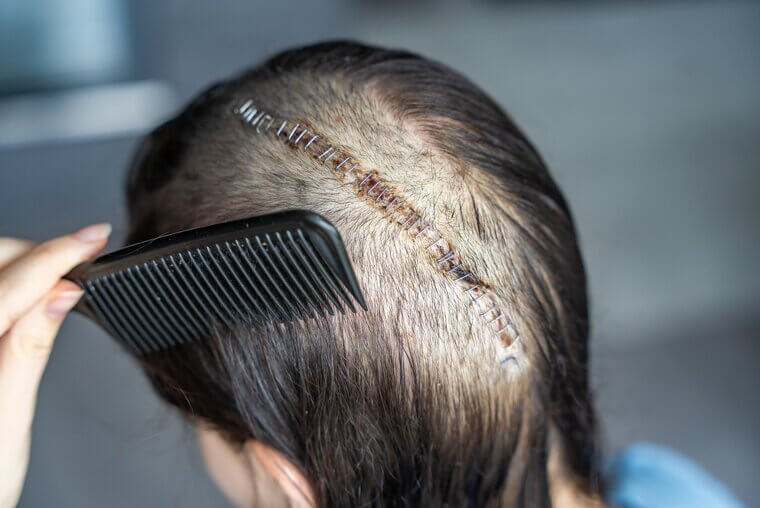
The psychological weight of brain surgery, combined with the physical throbbing of the skull site, makes for a very heavy recovery. It often feels like an intense, rhythmic pulsing that is hard to ignore or soothe even with complete rest.
Septoplasty: A Sensitive Nasal Fix
Surgery to repair a deviated septum might seem minor compared to heart surgery, but the nose is packed with sensitive nerves. After the procedure, the nose is often packed with gauze or splints, which prevents nasal breathing and causes a significant amount of pressure and throbbing in the face. Patients often report a congested feeling that is accompanied by sharp stings whenever they move their facial muscles.

The inability to breathe through the nose, combined with the raw sensitivity of the inner membranes, makes the first few days surprisingly miserable. It feels like a constant, sharp pressure building right between the eyes.
Liposuction: The Full-Body Bruise
While often categorized as cosmetic, large-scale liposuction is a major trauma to the body's soft tissue. The process involves a cannula being moved back and forth under the skin to break up fat, which causes extensive bruising and inflammation. Patients allegedly describe the feeling as being hit by a truck or having a severe, deep-tissue burn over a large area. The requirement to wear tight compression garments over the raw tissue adds a layer of constant, itchy, and aching discomfort that can last for several weeks.
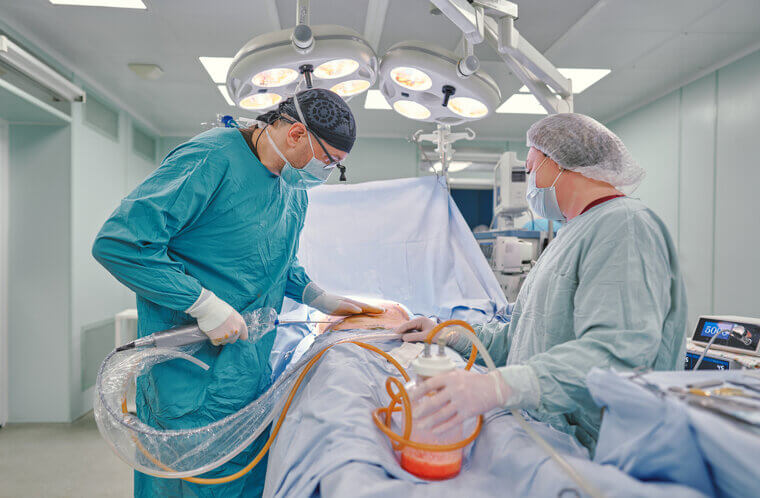
It is a stinging, tender sensation that makes any contact with skin unbearable, often requiring significant time off from regular daily activities.
Colectomy: The Bowel's Burden
A colectomy requires the surgeon to cut through the abdominal wall and handle the delicate intestines. The most significant pain often comes after the surgery when the bowels wake up. As gas begins to move through the newly repaired system, it can cause excruciating cramps. Additionally, because the core muscles are used for almost everything, simply shifting in bed can cause a sharp, tearing sensation at the incision site.
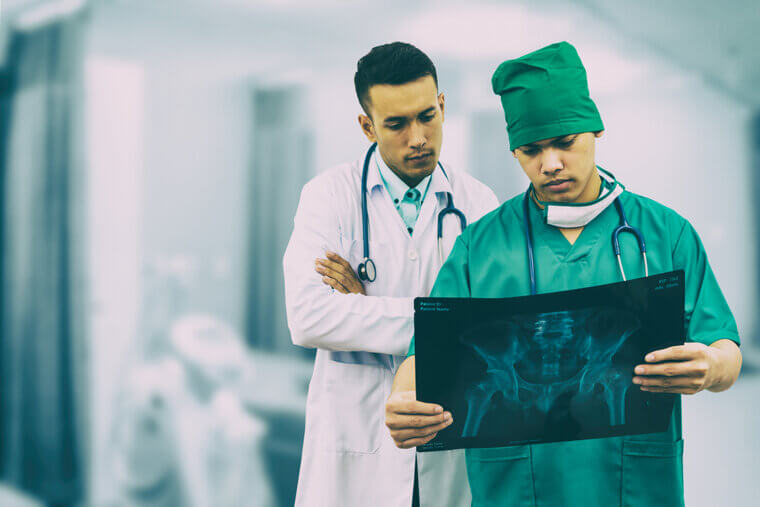
This internal and external double whammy makes the first week of recovery very taxing. It is a sharp, gassy discomfort that feels like the body is fighting itself.
Gallbladder Removal: The Cholecystectomy Ache
While often done laparoscopically, removing the gallbladder still involves cutting through muscle and removing an organ that sits right against the liver. The most unique pain from this surgery is the referred pain in the shoulder, caused by the carbon dioxide gas used to inflate the abdomen during the procedure. This gas irritates the phrenic nerve, which signals pain to the shoulder, making recovery quite the uncomfortable experience.
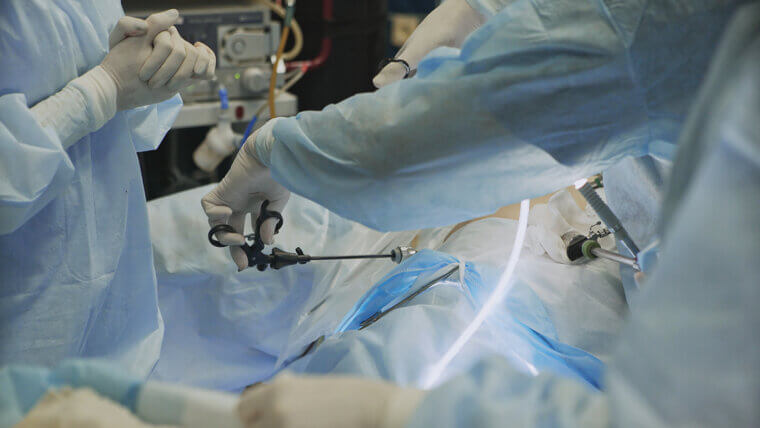
This, combined with the sharp stings at the small incision sites and the internal raw feeling where the organ used to be, makes for a very uncomfortable few days. It feels like a strange, sharp pressure that radiates in unexpected places.
Esophagectomy: A Difficult Connection
This surgery involves removing part of the esophagus and pulling the stomach up into the chest to take its place. It is a massive restructuring of the upper GI tract. Because the surgery involves both the abdomen and the chest, the patient has two major areas of pain to contend with. The internal sutures are very delicate, and the sensation of acid or food moving through the new connection can be quite painful.

Patients often have multiple drainage tubes, which add to the physical restriction and constant, nagging discomfort during the long hospital stay. Every swallow becomes a conscious and painful decision.
Hemorrhoidectomy: The Unmentionable Ache
Though it is a common procedure, a hemorrhoidectomy is widely considered one of the most painful recoveries in medicine. The surgical site is in an area that is highly concentrated with nerves and is impossible to keep at rest. Every time the patient has a bowel movement, the surgical site is stretched and irritated. Leading to sharp, searing pain. Because it is a high-pressure area of the body, swelling is common.
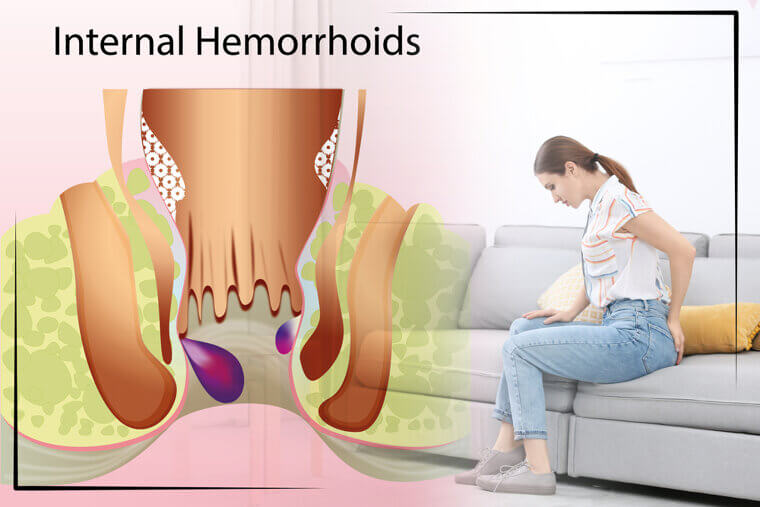
So finding a way to sit or lie down comfortably is a constant struggle for the first two weeks. It is a sharp, stinging pain that makes the most basic functions feel like torture.
ACL Reconstruction: A Knee’s Long Road
Repairing a torn anterior cruciate ligament involves drilling holes into the femur and tibia to anchor a new graft. This bone trauma is the primary source of the deep, aching pain following the surgery. Like a knee replacement, the recovery for an ACL repair requires early movement to prevent the joint from scarring over. Stretching the new graft and moving the knee through its range of motion while the bones are still healing from the drill sites is not easy.
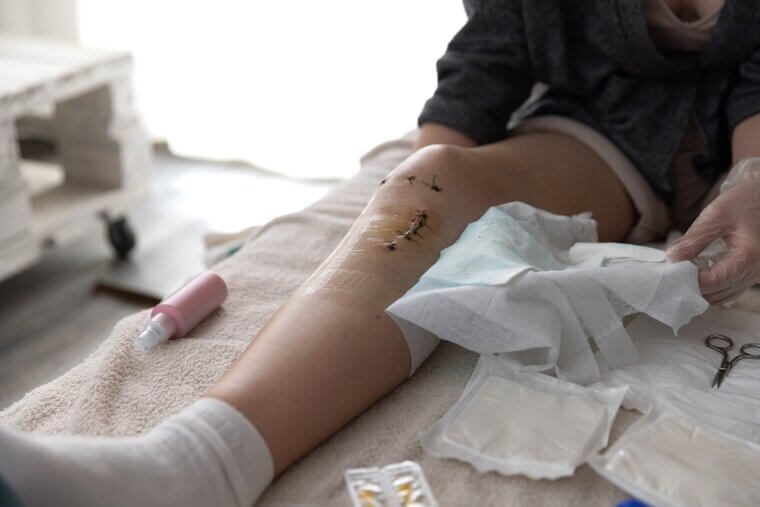
It's reportedly a very sharp and emotionally draining experience for many patients. The sensation is one of deep, structural vulnerability combined with intense, localized heat and throbbing.
Tonsillectomy (Adult): A Throat on Fire
While children seem to bounce back from this surgery quickly, adults find it incredibly painful. The throat is a wet wound that cannot be covered with a bandage, and every time the patient swallows, the raw muscles are irritated. As the scabs begin to slough off about a week after surgery, the pain can actually increase, leading to a sharp, burning sensation that makes eating or drinking almost impossible.
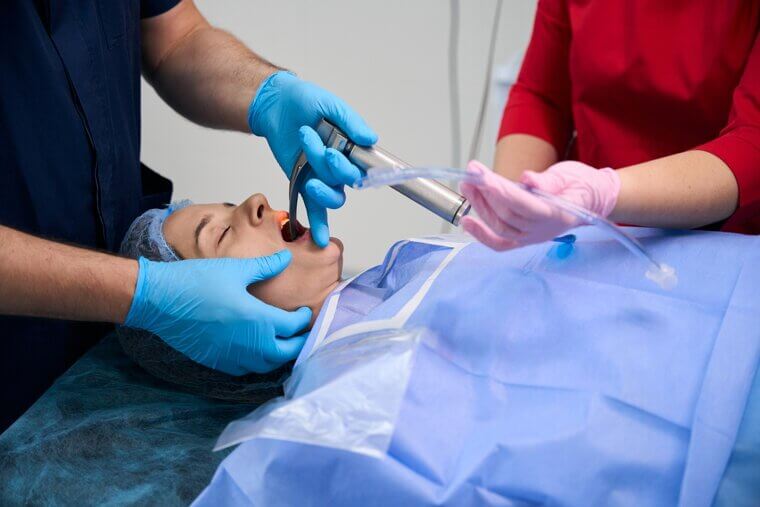
Reportedly, the pain radiates to the ears, making it a full-head ache that lasts for nearly fourteen days. It feels like swallowing shards of glass.
Kidney Stone Removal: The Ureter's Agony
When a kidney stone is too large to pass, surgeons may use a scope to break it up and then place a stent in the ureter to keep it open. This stent is a thin tube that runs from the kidney to the bladder. The presence of a foreign object in such a sensitive, muscular tube causes constant spasms. Every time the patient urinate, pressure can back up into the kidney, causing a sharp, flank pain.
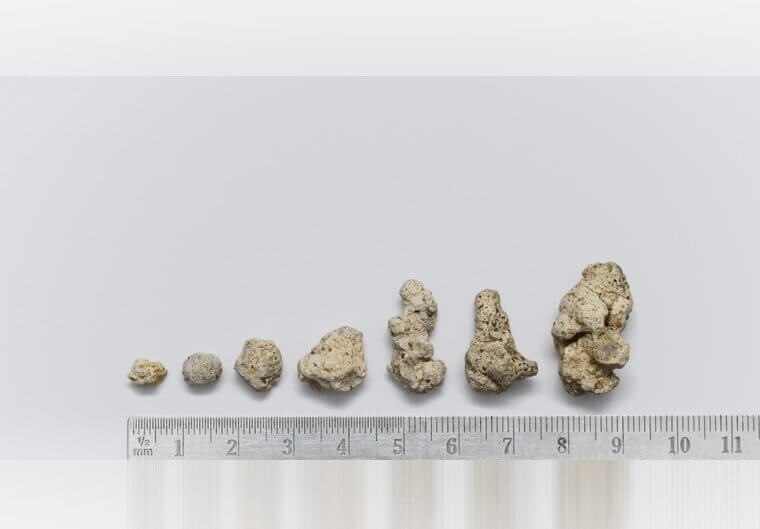
The removal of the stent itself is also reportedly a very brief but intense zing of discomfort. It is a constant, nagging internal irritation that makes the recovery process feel much longer than expected.
Thoracotomy: The Rib-Spreading Reality
A thoracotomy is a large incision made between the ribs to access the lungs or heart. To get enough space, surgeons must use a retractor to spread the ribs apart, which can sometimes lead to small fractures or significant nerve bruising. This creates a girdle of pain around the chest. Because the intercostal nerves are so involved, patients may experience long-term neuralgia or nerve pain that feels like burning or electric shocks.
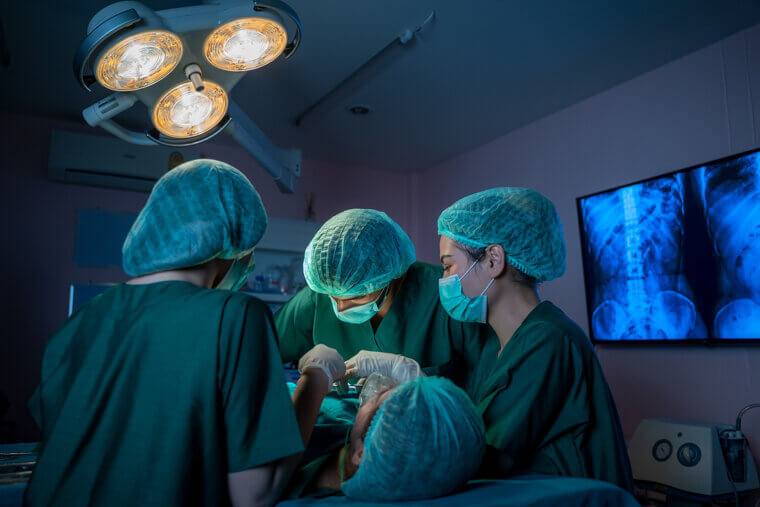
It is often cited as more painful than the internal organ surgery itself due to the skeletal trauma involved. Every breath feels like a tight band is being squeezed.
Gingivectomy: The Rawness of the Mouth
This procedure involves the surgical removal of gum tissue. The mouth is one of the most sensitive parts of the body, and because we use it for talking and eating, the wound is constantly being disturbed. Once the local anesthetic wears off, the gums feel raw and throbbing. There is no way to truly rest the area, and even the temperature of room-temperature water can feel like a shock to the exposed tissue.

The recovery is a slow process of waiting for the delicate mucosal lining to regenerate over the exposed areas. It is a stinging, sensitive ache.
Skin Grafting: The Two-Site Burn
Skin grafting involves taking healthy skin from one part of the body and moving it to another. The donor site is often described as feeling like a severe, raw strawberry or a deep rug burn. It is often more painful than the original wound because it exposes a fresh layer of nerves. Managing two different sites—one that needs to take the new skin and one that is essentially a fresh, shallow wound—makes the recovery a constant battle.
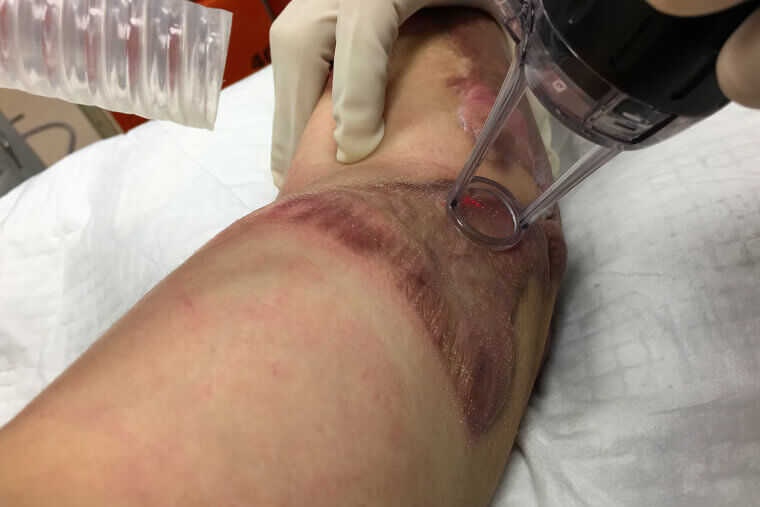
Patients experience endless stinging and itching sensations. It is an exposed, sensitive pain that reacts to even the slightest breeze or shift in clothing.