
Checking your smartphone before even getting out of bed
Diving into digital notifications the moment you wake up can trigger an immediate spike in cortisol, the body’s primary stress hormone. For those of us over 50, this reactive start to the day forces the brain to bypass the important theta and alpha waves associated with waking up peacefully. Instead of a gradual transition, you are instantly bombarded with news, demands, or social comparisons. This habit reportedly leads to higher levels of anxiety throughout the afternoon and sets a negative tone.

Try keeping your phone in another room to reclaim those first ten minutes for your own thoughts and mental clarity.
Sipping coffee on an empty stomach before eating breakfast
While that first cup of coffee feels like a life-saver, drinking it on an empty stomach can actually backfire. Caffeine stimulates the production of acid, which might irritate the lining of a more sensitive digestive system. Furthermore, it can cause your blood sugar to dip later, leading to a mid-morning crash that leaves you reaching for sugary snacks. Experts suggest having a small bite or even just a full glass of water first to coat your stomach.

This simple shift reportedly helps maintain steady energy levels and keeps your metabolism from feeling sluggish and overworked throughout the morning.
Skipping high-quality protein during your first meal
Many of us grew up with toast or cereal as the standard breakfast, but after 50, muscle maintenance becomes a top priority. Skipping protein in the morning reportedly contributes to muscle loss and leaves you feeling hungry by 11:00 AM. Including items like eggs, Greek yogurt, or even a lean turkey slice helps stabilize your blood sugar and provides the amino acids your body needs to stay strong. Without that protein anchor, your energy levels may fluctuate wildly and cause fatigue.

Prioritizing protein early in the day is an empowering way to fuel your physical and mental stamina for the hours ahead.
Stretching cold muscles with intense, static movements
We often think cracking the back or deep forward folds are great for morning stiffness, but stretching cold muscles can actually cause micro-tears. As we age, our tendons and ligaments lose some elasticity, making them more prone to injury if pushed too hard before the body is warm. Reportedly, a better approach is dynamic movement, like gentle arm circles or slow marching in place. This increases blood flow to the joints without the risk of a strain or pull.

Saving those deep, static stretches for after a warm shower or light walk is much safer and more supportive for your body.
Waking up in a completely dark or dim room
Our internal circadian rhythms are deeply tied to light exposure. If you keep the curtains drawn and move about in a dim house, your brain doesn't receive the signal to stop producing melatonin, the sleep hormone. This can leave you feeling like you’re walking through a fog for hours. Opening the blinds immediately or stepping outside for five minutes of natural sunlight reportedly helps reset your internal clock. It is a simple, free way to boost your mood and alert the brain.

This easy habit ensures you feel truly alert and ready for the day by signaling your brain that the morning has begun.
Keeping your morning water at an icy cold temperature
Hydration is vital, but some wellness experts suggest that ice-cold water first thing in the morning can be a shock to the digestive system. It is allegedly more beneficial to drink room-temperature or lukewarm water to help wake up the gut gently. Very cold water may cause the blood vessels in the stomach to constrict slightly, which can slow down the initial hydration process. Switching to a glass of room-temperature water with a squeeze of lemon is a soothing way to rehydrate.

This allows you to fuel your body after a long night’s rest without taxing your internal systems or causing unnecessary physical shock.
Washing Your Face With Very Hot Water in the Shower
While a hot shower feels wonderful on stiff joints, the skin on our face becomes thinner and more delicate after 50. Using very hot water reportedly strips away the natural oils that keep skin hydrated and supple, leading to redness or irritation. This can leave your skin feeling tight and looking tired before you’ve even applied moisturizer. Switching to lukewarm water for your facial cleanse helps preserve the skin barrier and keeps the tissue healthy while preventing long-term dryness.

It’s a small adjustment that keeps your complexion looking refreshed and energized rather than parched, stressed, and prematurely aged by the heat.
Watching the morning news while eating your breakfast
Consuming a steady stream of breaking news while you eat can put your body into a fight or flight state. This stress response reportedly interferes with proper digestion, as your body diverts energy away from the gut and toward the nervous system. When you eat while stressed, you may not chew as thoroughly or notice when you are full. Try swapping the news for some light music or a pleasant book to maintain your peace and lower your heart rate.

Creating a calm environment for your first meal helps ensure that you actually absorb the nutrients you need for consistent daily energy.
Skipping the brain exercise in favor of mindless scrolling
Just as the body needs a gentle warm-up, the mind benefits from a little morning stimulation. Engaging in a crossword, a few pages of a book, or a quick puzzle is reportedly better for long-term cognitive health than scrolling through social media feeds. Mindless scrolling can leave the brain feeling scattered and reactive rather than focused. Taking ten minutes to engage your intellect in an active way helps sharpen your focus for the day and improves your memory retention and clarity.

It’s a simple habit that builds mental resilience and keeps you feeling sharp, capable, and ready to handle any mental challenge ahead.
Skipping your morning magnesium or vitamin supplements
Consistency is key when it comes to supporting your body’s chemistry. Many people over 50 find that magnesium or B-vitamins are essential for energy and muscle function, yet these are often forgotten in the morning rush. Forgetting your supplements reportedly leads to a deficit feeling by the afternoon. Setting a reminder or using a daily pill organizer ensures you give your body the tools it needs to function at its best. These micronutrients are the building blocks of a healthy, vibrant metabolic system.

These small nutrients play a massive role in how bright and capable you feel throughout your busy and productive day.
Consuming high-sugar health bars as a quick meal
Many bars marketed as healthy are reportedly packed with as much sugar as a candy bar. While they provide a quick burst of energy, they often lead to a rapid insulin spike followed by a crash that leaves you feeling shaky or irritable. For those over 50, managing blood sugar becomes increasingly important for consistent daily energy. Instead of a processed bar, a handful of raw almonds or a piece of fruit with nut butter is better and provides actual nutrition for the body.

These whole-food options provide lasting satiety and steady brain power, keeping you focused without the midday slump caused by processed sugars.
Using a loud, jarring alarm clock to wake up
Being shocked awake by a loud, beeping alarm can cause an abrupt rise in blood pressure and heart rate. This sudden jolt is allegedly hard on the nervous system, especially as we get older. A sunrise alarm or a clock that gradually increases in volume with soothing sounds is much more supportive of your body’s natural processes. Waking up gently allows your heart rate to rise at a healthy pace without the stress of an aggressive noise. This sets a calm foundation.

This helps you avoid that frazzled feeling that can persist for hours after a loud, traditional alarm clock goes off.
Neglecting to clear your nightstand of clutter and dishes
Waking up to a messy environment can create immediate visual noise that stresses the brain. If the first thing you see is a pile of mail, dirty water glasses, or tangled cords, your mind starts processing chores before you’ve even sat up. This reportedly triggers a low-grade stress response that drains your mental battery. Keeping your immediate sleeping area tidy helps you wake up with a sense of calm and order. It allows your thoughts to remain clear and focused on your goals.

It’s a small environmental change that supports a much more peaceful and empowered transition into your morning activities and daily responsibilities.
Eating a breakfast that is too large or heavy
While skipping breakfast isn't ideal, eating a massive, heavy meal can also backfire. A very large breakfast diverts a huge amount of blood flow to the digestive tract, which can make you feel sleepy and heavy shortly after eating. This food coma reportedly saps the energy you need for your morning errands or hobbies. Finding a Goldilocks meal—one that is satisfying but not stuffing—is the ideal goal for energy. Think of food as fuel rather than a source of discomfort.

A balanced, moderate portion keeps you fueled without making you feel like you need to head back to bed for a nap.
Failing to open a window for fresh air
After sleeping in a room for eight hours, the air can become stale and high in carbon dioxide. Waking up and staying in a stuffy house reportedly contributes to feelings of lethargy and even mild headaches. Opening a window, even for just five minutes, brings in fresh oxygen that helps wake up your lungs and brain. The cool, fresh air is an immediate sensory reset that makes you feel connected to the environment. It wakes up the senses and clears out the mental cobwebs.

It’s a simple, invigorating habit that costs nothing but provides a significant boost to your morning alertness and overall mental clarity.
Drinking fruit juice instead of eating the whole fruit
Many people think a glass of orange juice is a health must, but juice is reportedly missing the essential fiber found in the whole fruit. Without fiber, the natural sugars in the juice hit your bloodstream all at once, causing a sharp energy spike followed by a predictable crash. Eating the whole orange or apple provides a slower, more sustained release of energy. The fiber also supports digestive health, which is vital for nutrient absorption. This change helps keep your metabolic rate much more consistent.

Switching to whole fruit is a simple way to stabilize your morning energy and avoid the sugar highs and lows.
Sitting for long periods while reading or watching TV
After being sedentary all night, sitting down for another hour with the paper or news can lead to joint stiffness and poor circulation. This sedentary start reportedly makes it harder to get moving later in the day. Try to interrupt your sitting every 20 minutes with a quick stretch or a walk to the kitchen. Keeping the blood moving helps deliver oxygen to your brain and muscles, preventing that stuck feeling. This is a simple way to protect your long-term mobility and cardiovascular health.

A little bit of movement goes a long way in keeping your physical engine running smoothly and avoiding early morning stiffness.
Neglecting to hydrate before your first cup of coffee
Your body has gone six to eight hours without water, and coffee is a mild diuretic. Jumping straight to caffeine without rehydrating first reportedly leads to mild dehydration, which is a leading cause of morning fatigue and brain fog. Drinking 8 to 12 ounces of plain water first thing helps wake up your internal organs and flushes out toxins. It’s a simple, foundational habit that makes the caffeine work more effectively. Your body will feel more alert and less jittery throughout the early day.

You’ll likely find that you feel much more alert and awake when your cells are properly hydrated from the start.
Starting your day with negative self-talk in the mirror
We are often our own harshest critics, especially when we first wake up. Focusing on wrinkles or tired eyes reportedly sets a negative emotional tone for the rest of the day. This mental drain can be just as exhausting as physical labor. Try practicing a moment of gratitude or a positive affirmation instead. Acknowledging what your body can do—like walking the dog or gardening—is much more empowering and kind. Your inner dialogue determines how you project yourself into the world each and every morning.

Shift your focus toward self-support, and you will find that you have more mental energy to tackle the day’s challenges with grace.
Over-planning your morning with too many rigid tasks
We often try to win the morning by cramming in exercise, cleaning, meditation, and cooking before 9:00 AM. This rigid scheduling reportedly creates a sense of time pressure that triggers stress. If one thing goes wrong, the whole day feels like a failure. It is much better to choose two non-negotiable habits and leave the rest of the time flexible. This supportive approach allows you to move at a natural pace. It respects your energy levels rather than forcing a performance-based mentality.

It prevents the morning from becoming a source of anxiety and keeps your energy focused on quality movements and thoughtful interactions.
Checking your bank balance or bills immediately upon waking
Financial stress is a major energy drain. Looking at bills or bank statements before you’ve even had breakfast can trigger an immediate scarcity mindset. This reportedly causes a physical stress response that can lead to tension headaches or a tight chest. It is much better to handle financial tasks during a dedicated admin time later in the morning when you are fully awake and have eaten. This boundary protects your early morning peace. It allows for a more logical and less emotional mindset.

Keeping your early morning finance-free helps maintain a sense of peace and abundance as you start your new day.
Relying on the snooze button for extra rest
It is incredibly tempting to grab another ten minutes of shut-eye, but fragmented sleep is actually lower quality and can leave you feeling sleep drunk. When you hit snooze, your brain begins a new sleep cycle that it cannot possibly finish, leading to a state called sleep inertia. This reportedly makes you feel more exhausted than if you had just woken up with the first alarm. Over time, this habit disrupts your internal clock and leads to daytime lethargy.
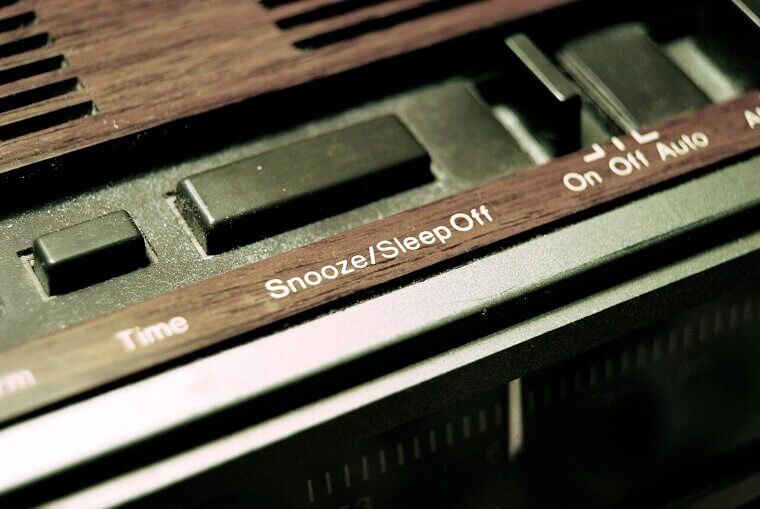
For more consistent energy, try setting your alarm for the actual time you need to get up to avoid that morning fog.
Making immediate, high-stakes decisions before your brain clears
The prefrontal cortex, which handles complex decision-making, takes a little while to fully boot up after you wake up. Trying to tackle complicated financial tasks or difficult family discussions first thing can lead to mental fatigue very early in the day. This decision fatigue allegedly drains your willpower, making it harder to make healthy choices later on. It is often better to automate your morning routine—like picking out clothes the night before—to save your mental energy and maintain your focus.

By doing this, you can fire on all cylinders later in the morning when your cognitive functions are at their peak performance.
Staying in your pajamas all morning while working
With more of us spending time at home, it’s easy to stay in loungewear, but this can have a psychological dampening effect on your energy. Getting dressed—even into comfortable, clean day clothes—acts as a signal to your brain that the rest period is over and the active period has begun. Staying in pajamas reportedly keeps the mind in a semi-relaxed, sluggish state, which can make it harder to focus on tasks. Putting on a nice outfit and perhaps a bit of jewelry can provide a boost.

This small change can provide a surprising boost to your confidence and daily productivity levels as you transition into your day.
Neglecting a quick, mindful review of your daily goals
Walking into your day without a plan can lead to a sense of time leak where the hours simply disappear. This lack of direction often results in a low-level feeling of overwhelm or underachievement by 5:00 PM. Taking just two minutes to jot down three things you want to accomplish reportedly provides a sense of purpose and control. It doesn’t have to be a massive to-do list; even small goals like calling a friend provide satisfaction and keep you on track.

Checking off these items later provides a dopamine hit that keeps you motivated and feeling successful as you move through your afternoon.
Engaging in high-intensity cardio before a proper warm-up
Going from a dead sleep to a high-intensity run or aerobics class can be a major shock to the cardiovascular system. As we age, our hearts and lungs benefit from a more gradual ramp-up period. Jumping straight into intense exercise without a 10-minute transition reportedly increases the risk of heart strain or dizzy spells. Starting with a brisk walk or some light movement allows your heart rate to climb steadily and safely. This ensures that your body is fully prepared for the exertion.

This ensures that your workout leaves you feeling energized and strong rather than completely depleted, physically overwhelmed, or prone to injury.
Spending too much time in a hot, steamy shower
While it feels great on sore muscles, spending 20 minutes in a very hot shower can actually lower your blood pressure and make you feel faint or excessively relaxed. This post-shower slump reportedly makes it harder to get motivated for the day ahead. A shorter, warm shower followed by a brief splash of cooler water is often more energizing for the body. It stimulates circulation and wakes up the nervous system effectively. This technique has been used for centuries to boost the body's natural defenses.

You’ll step out feeling refreshed and ready to go, rather than feeling like you need to go sit down and recover immediately.
Ignoring the benefits of a quick, five-minute tidy
Leaving the bed unmade or the kitchen sink full of breakfast dishes can weigh on your mind all morning. This clutter subconscious reportedly creates a feeling that you are already behind on your day. Taking just five minutes to straighten the covers or rinse the dishes provides a quick win for your brain. It creates an environment of order that allows you to focus on your hobbies or work without distraction. When your home is in order, your mind often feels much clearer.

These small bursts of activity also help get your blood flowing and your joints moving comfortably as the day begins.
Forgetting to apply sunscreen before your morning walk
Many of us enjoy a morning stroll, but even early sun can cause damage to maturing skin. Neglecting sun protection reportedly leads to long-term skin fatigue and damage that takes energy for the body to repair. Making sunscreen a part of your getting ready routine is a supportive way to care for your health. It’s not just about vanity; it’s about protecting your largest and most visible organ from the cumulative effects of UV exposure. This habit protects you for decades to come.

Feeling protected and prepared allows you to enjoy your outdoor time without worry, keeping your mood high and your skin feeling resilient.
Rushing through your morning hygiene routine
Treating things like brushing your teeth or applying lotion as chores to be rushed through can make the morning feel frantic. This hurry sickness reportedly increases your heart rate and creates a sense of internal chaos. Instead, try treating these moments as a form of moving meditation. Focusing on the scent of your soap or the feel of the brush can be very grounding and calming. It allows you to start the day with a sense of presence and mindfulness. This practice lowers cortisol levels.

This mindful approach helps lower stress levels and keeps your energy focused, turning a boring routine into a nourishing and restorative ritual.
Engaging in venting sessions or complaining early on
Calling a friend or talking to a spouse about things that are bothering you first thing in the morning can lock in a negative mindset. This emotional venting reportedly drains your mood battery before the day has even started. While it’s important to share feelings, try to save the heavy lifting for later in the afternoon. Starting the day with topics that are uplifting or neutral helps preserve your positive energy. It protects your peace of mind and keeps your social interactions much more vibrant.

It allows you to approach your day with a sense of optimism rather than being weighed down by early grievances.
Wearing shoes that don't provide proper morning support
Walking around the house in flimsy slippers or barefoot on hard floors can be tough on aging arches and knees. This lack of support reportedly leads to foot fatigue and back aches that can drain your energy by lunchtime. Investing in a supportive pair of house shoes or sneakers can make a world of difference. When your feet are properly aligned and cushioned, your whole body feels less taxed. This simple ergonomic adjustment can prevent aches that usually slow you down in the afternoon hours.

It’s an easy way to prevent unnecessary physical drain and keep you moving comfortably through your morning tasks and daily errands.
Avoiding the hardest task on your list until later
We often procrastinate on the task we dread, which creates a mental cloud that follows us all morning. This dread reportedly consumes a significant amount of mental energy. By tackling the most challenging thing first—whether it’s a difficult phone call or a boring chore—you clear the deck for the rest of the day. The sense of relief and accomplishment you feel provides a massive energy boost. It removes the nagging anxiety that typically sits in the back of your mind as you work.

It’s an empowering way to take control of your schedule and ensures that the rest of your day feels much lighter.
Ignoring your inner voice about how you feel
Sometimes we push through a morning routine because we should, even if we feel truly exhausted or under the weather. Ignoring these physical signals reportedly leads to burnout or longer recovery times. It’s important to be supportive of your body’s needs. If you need an extra 20 minutes of rest or a slower pace one morning, give yourself permission. Tuning in to your body’s actual energy levels is the ultimate self-care. It prevents over-exertion that could lead to sickness or prolonged fatigue.

It ensures you have the stamina to stay active for the long haul rather than pushing toward total physical exhaustion.
Skipping a quick check-in with a loved one
Human connection is a powerful energizer. Going all morning without a kind word or a quick hello can leave you feeling isolated or flat. Reportedly, a simple text to a grandchild or a quick chat with a neighbor provides a boost of oxytocin, the feel-good hormone. This connection helps you feel more plugged in to your community and boosts your emotional resilience. It reminds you of your purpose and the relationships that matter most. A small interaction can set a beautiful mood.

It’s a small, supportive act that reminds you that you are part of a larger circle, giving you steady energy and emotional strength.