Skipping Warm-Ups
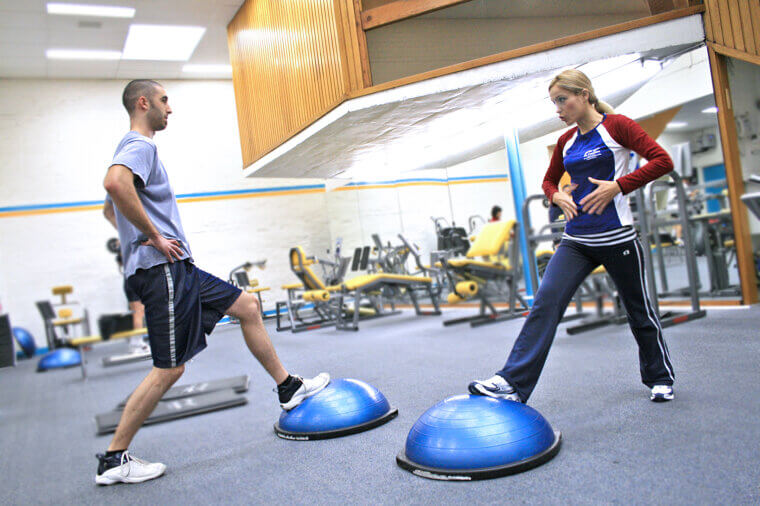
Warming up gets your muscles, joints and heart ready for exercise. As we get older, our tissues become less flexible, so starting an activity without properly loosening up first can be extremely risky. If you skip a warm-up, your chances of straining or spraining something increase massively. Doing a proper warm-up helps your blood flow, keeps your joints moving smoothly and gets your body ready to move. For older adults, 5 to 10 minutes of light cardio, such as brisk walking or cycling, is the perfect pre-exercise warm-up. This helps lower your risk of injury, boosts your performance and makes the workout that little bit more enjoyable.
Ignoring Cool-Downs
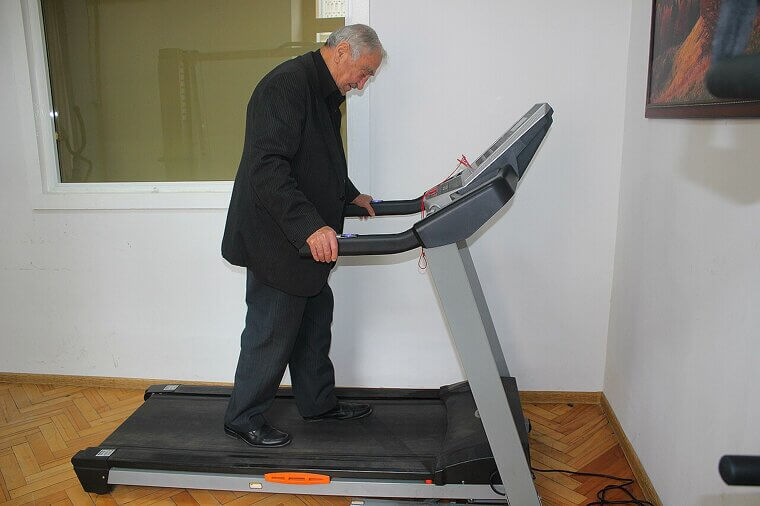
Cool-downs matter just as much as warm-ups, but many older adults tend to skip them. After you exercise, your heart rate and blood pressure need time to return to normal. Skipping a cool-down can lead to dizziness, stiffness or sore muscles. Stretching after a workout helps you to stay flexible, lowers lactic acid and keeps your joints from getting tight. Gentle stretches for your hips, hamstrings, shoulders and back are especially helpful. Taking just 5 to 10 minutes to cool down improves circulation, helps your body recover and reduces your chances of injury.
Lifting Too Heavy Too Soon
Some older adults (and gym goers in general) try to lift weights that are too heavy, hoping that it will help them improve faster. This can put extra strain on joints, tendons and muscles, which become less durable and flexible as we age. Lifting heavy weights without building up gradually can lead to injuries, such as rotator cuff tears or knee problems. It is better for seniors to use moderate weights and do more repetitions, focusing on good form and controlled movements. Progress is still possible with slow and steady increases. It's important to remember that staying safe and making exercise sustainable is more important than trying to lift the heaviest weights.

Poor Form
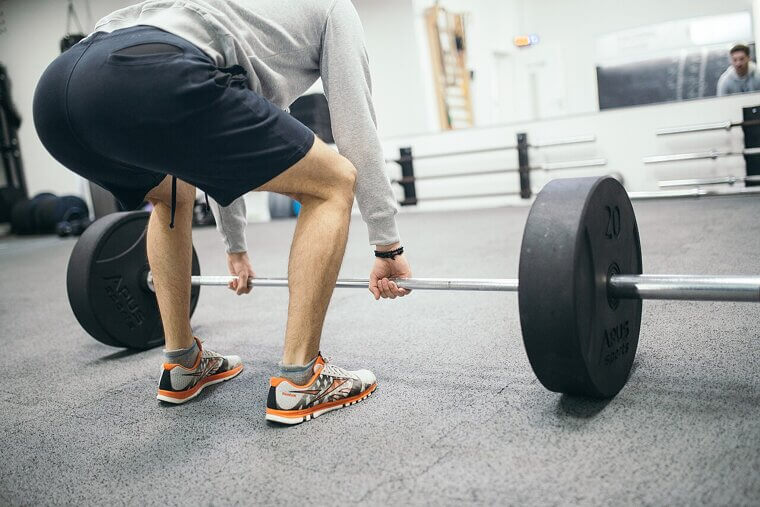
Using the wrong technique is a common mistake for people of all ages, but it can be especially risky for seniors. Poor form puts additional strain on joints, ligaments and the spine, which can lead to ongoing pain or injury. For example, rounding your back during deadlifts or locking your knees during leg presses can cause long-lasting damage. Instead, seniors should focus on learning the right way to move. Paying attention to posture, moving slowly and using mirrors can make exercise much safer and more effective in the long run.
Neglecting Mobility Work
As people get older, mobility and flexibility often decrease. Even so, many seniors focus on cardio or strength training. Skipping mobility work can limit your range of motion, make you feel stiffer and increase your chances of developing an injury. Doing mobility exercises such as yoga, stretching or dynamic movements can help you stay independent as you age. These exercises also improve your posture and balance, making daily activities easier. Just 10 to 15 minutes of mobility work each day can go a long way.

Overtraining
As we age, our bodies need more time to recover. With that being said, some seniors still push themselves too much, believing that more exercise is always better. Overtraining can cause fatigue, joint pain and even weaken the immune system. Seniors do not recover as quickly as younger people, so taking rest days is very important. Some warning signs of overtraining include ongoing soreness, trouble sleeping, irritability and lower performance. A good routine includes two to three strength workouts, moderate cardio and regular rest days to help you make progress without burning out.
Ignoring Pain Signals
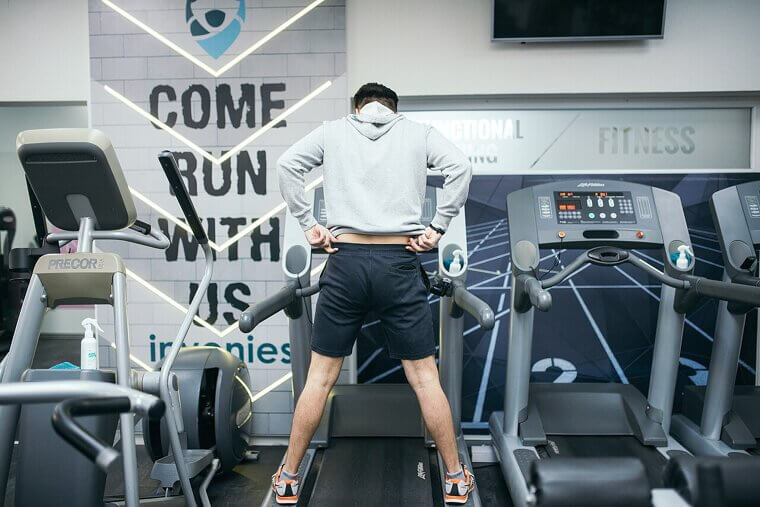
Pain is your body’s way of warning you that there is a problem. However, some older adults keep exercising through discomfort, thinking it is just normal soreness. Ignoring pain can lead to injuries, such as arthritis flare-ups, tendonitis or stress fractures. Sharp or ongoing pain, unlike mild muscle fatigue, indicates that there is something wrong. If pain does not go away, it is best to stop, rest and talk to a doctor. Changing exercises to avoid putting stress on your joints is also a good idea.
Using Machines Incorrectly
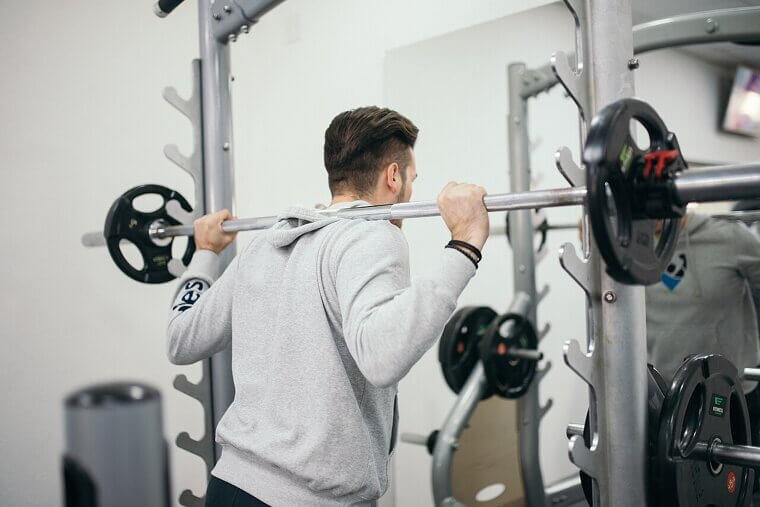
Gym machines are made to be safe, but using them the wrong way can lead to very serious injuries. Many seniors forget to adjust the seat, grips or resistance, leading to poor alignment and strain on the joints. For example, if the leg press is not set up correctly, it can put too much pressure on the knees. Learning how to adjust the machines properly helps to make sure you work the right muscles and stay injury-free. Trainers are available to help with setup and it’s important for seniors to check their posture before starting.
Skipping Strength Training
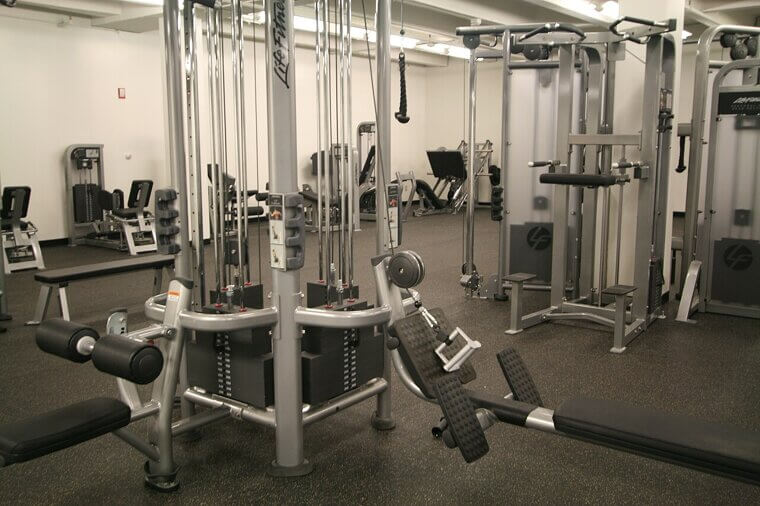
Many seniors skip weight training because they worry about getting hurt. However, avoiding it altogether definitely is not the best choice. Building strength is important for keeping your muscles, bones and metabolism healthy. If you don’t do it, you may lose muscle faster as you age, which can make it harder to stay independent and increases your risk of falling. With that being said, you don’t need to lift heavy weights. Simple exercises using your own body weight, resistance bands or light dumbbells work just as well. Doing these exercises just two or three times a week can make a massive difference in making you feel stronger, steadier and more confident.
Relying Only on Cardio
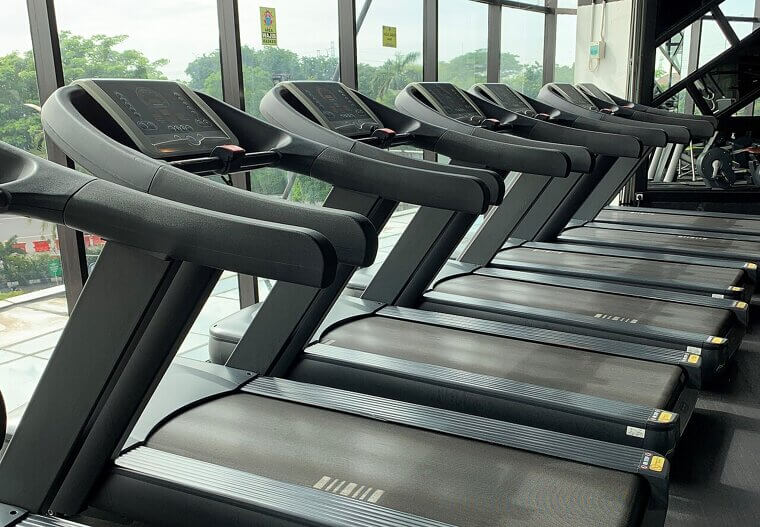
Cardio is great for your heart, but it’s also important not to forget about muscle and bone strength. Seniors who only walk or cycle may lose lean muscle, which is important for staying mobile and balanced. Adding strength training to your routine can help improve posture and boost your overall metabolism. The best training plan consists of some form of light cardio daily, as well as three to four strength sessions per week. This way, your body will remain strong as you age.

Not Adjusting for Aging Bodies
A lot of older adults try to stick to workout routines meant for younger people. However, it's important to remember that our bodies change as we age. Recovery takes longer, joints get stiffer and balance isn’t what it used to be, meaning that exercises need to be adjusted accordingly. High-impact moves or pushing too hard can lead to injuries. It’s better to focus on low-impact cardio, moderate strength training and exercises that improve balance. Changing how much you do, how hard you work and how much you rest helps to keep workouts safe and effective. After 60, fitness is about staying healthy for the long run, not about competing.

Forgetting Balance Training
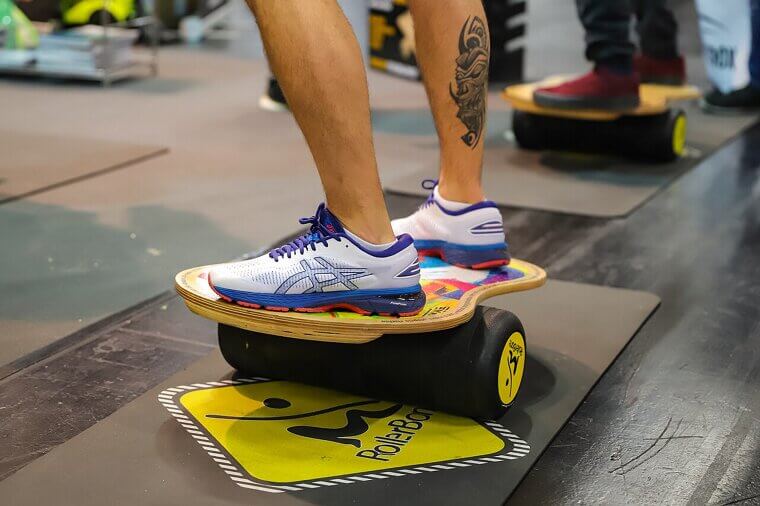
As we get older, our balance starts to decline, which raises the risk of falling. Still, many seniors skip balance exercises and focus primarily on cardio or strength training. This makes it harder to stay independent and safe. Simple activities, such as standing on one leg, walking heel-to-toe or doing yoga poses, can massively improve stability. Adding balance exercises to your daily routine boosts coordination, strengthens the muscles that keep you steady and lowers your chance of injury.
Inconsistent Routine
Staying consistent is important for making progress, but many seniors find themselves taking days off in between sessions. Taking long breaks can lower fitness levels and increase your chances of getting injured when starting up again. When routines are irregular, muscle growth is slow, bones get weaker and heart health can suffer. Workouts shouldn't be so tough that you have to take multiple days off just to recover. Keep the sessions simple and effective, ensuring that your body recovers in time for the next one.

Not Hydrating Enough
As people get older, their sense of thirst becomes weaker, making dehydration more likely. Not drinking enough water at the gym can lower your performance, make you feel dizzy and slow down your recovery. Dehydration can also make your joints and muscles weaker, increasing your chance of injury. Everybody, but especially seniors, should keep a bottle of water on hand when exercising. Also, it's important to rehydrate after a workout, as you will have lost a lot of fluid through sweat.

Skipping Professional Guidance
A lot of seniors believe that they don't need help on their fitness journey. However, this can lead to unsafe routines, poor form or exercises that are not right for them. Getting help from professionals means workouts are matched to each person’s individual needs, health conditions and goals. Without this guidance, there’s a higher risk of injury or wasted effort. Overall, getting support helps to make fitness safer, more effective and easier to maintain.