Growing and Preserving Food
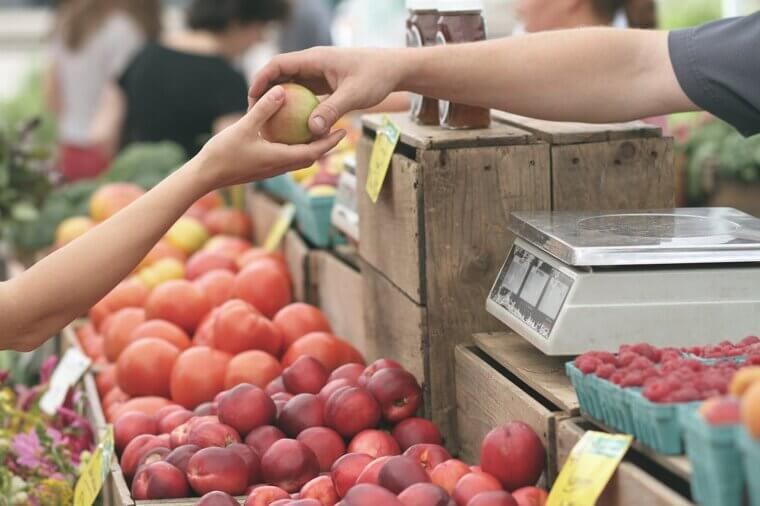
The basement in summer held rows of glass jars filled with tomatoes, pickles, jams, and whatever else the garden had produced in abundance that year. If your family kept a garden, you remember the rhythm of it - planting in spring, tending through summer, harvesting in late August, and spending weekends canning or freezing everything before it went bad. The jars were dated with masking tape and marker, lined up on shelves like a small grocery store that didn't require a trip into town. Opening a jar of home-canned green beans in February meant tasting July again. The process wasn't complicated, but it required planning, time, and the understanding that effort in August paid off in the cold months. Grocery stores made it unnecessary. The garden skills faded. But there was something deeply satisfying about knowing exactly where your food came from.
Repairing Household Items
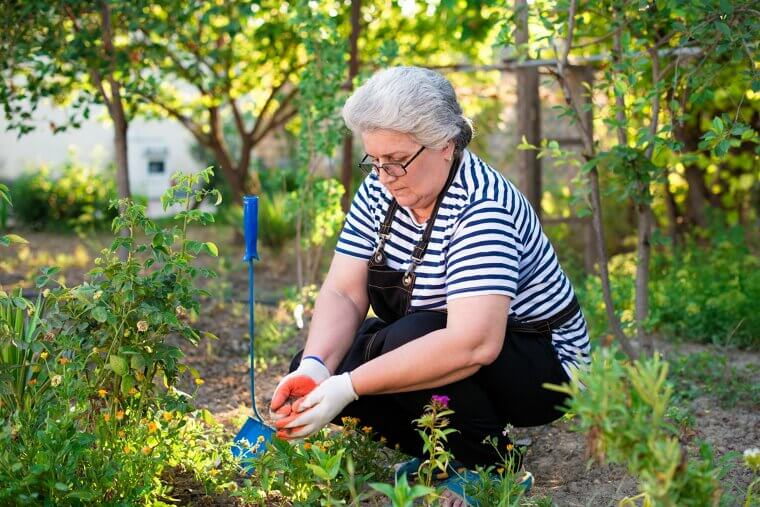
A wobbly chair didn't mean calling someone or buying a replacement - it meant getting out the screwdriver and figuring out which screw had come loose. Toasters that stopped working got opened up on the kitchen table. Lamps that flickered got new cords. If something broke, the first instinct was to see if it could be fixed, and more often than not, it could. You learned by watching someone do it once, then trying it yourself the next time something needed attention. The smell of WD-40, the particular click when a mechanism finally cooperated, the satisfaction of putting something back together and having it work again - all of that was just part of taking care of what you owned. Throwaway culture has made repair feel complicated or impossible, but most of what breaks is still fixable if you're willing to spend twenty minutes trying.
Cooking With Basic Ingredients
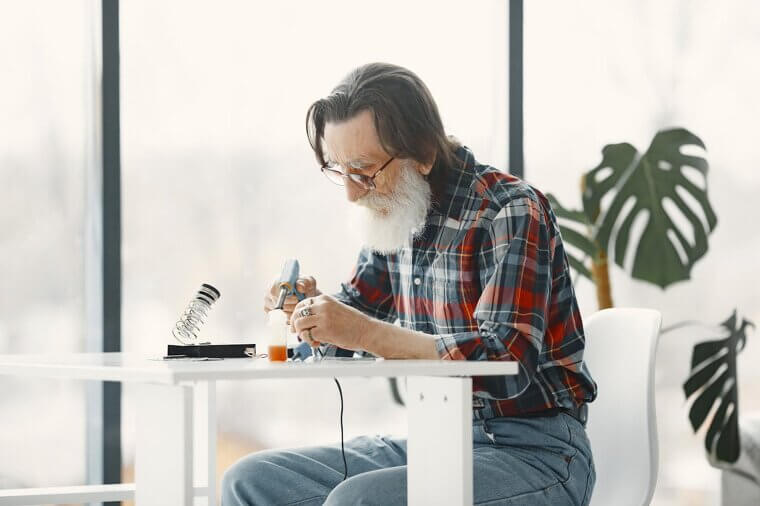
If you learned to cook before meal kits and recipe apps, you know what it means to start with flour, salt, and whatever's in the pantry and turn it into dinner. Recipes lived in your head or on index cards stained with years of use, and measurements were approximate - a pinch of this, enough of that, until it looks right. Soup simmered on the stove for hours, filling the whole house with the smell of onions and bay leaves. Leftovers weren't leftovers - they were the start of tomorrow's casserole or sandwich filling or fried rice. Cooking meant knowing how to make do with what you had rather than running to the store every time you wanted to make something. It was practical, economical, and deeply satisfying in a way that following a recipe on a screen has never quite matched.
Hand-Sewing
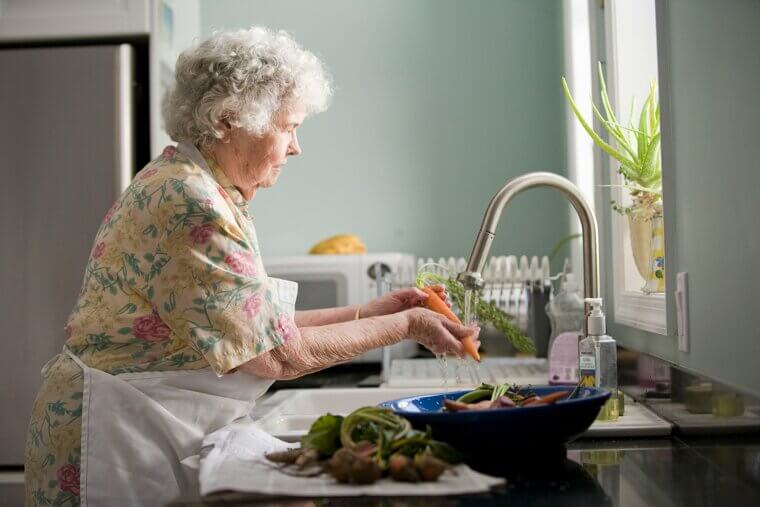
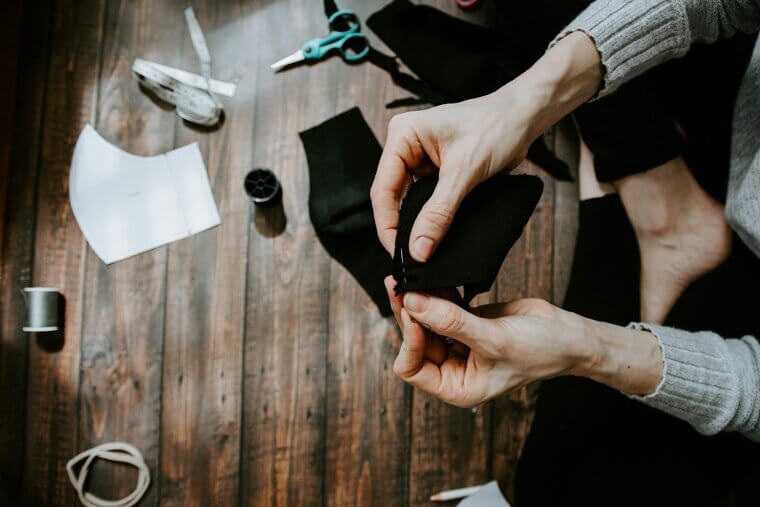
If you grew up watching your mother or grandmother repair clothes instead of replacing them, you already know what's been lost. A loose button meant sitting down with a needle and thread for ten minutes, not ordering a new shirt online. Torn hems got folded under and stitched back into place by lamplight, often while the radio played or the TV murmured in the background. The sewing basket lived in the same spot for decades - a particular drawer or a wicker container by the chair - and it held thread in every color, a pincushion shaped like a tomato, and a collection of buttons salvaged from clothes that were finally beyond saving. Learning to sew meant you could fix things yourself, quietly, without fuss. That kind of self-sufficiency felt ordinary at the time, but it's rare enough now that it's worth relearning.
Budgeting
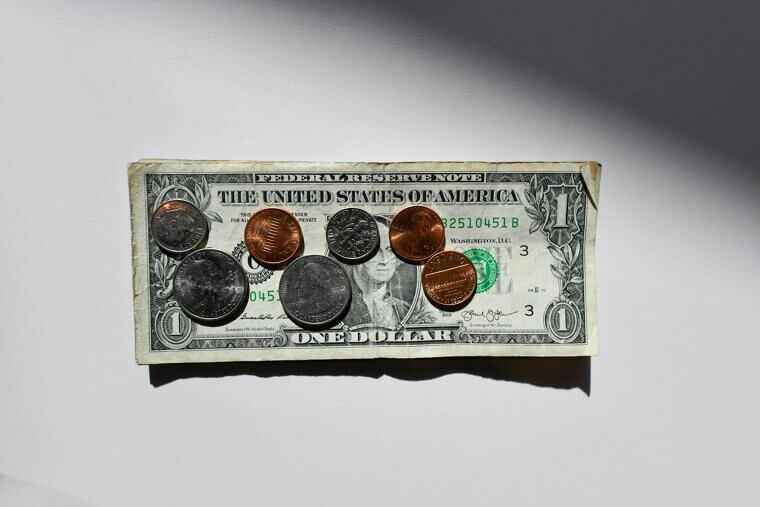
Money used to be something you could see and count. Paychecks were cashed, and the bills went into envelopes marked for rent, groceries, utilities, and whatever was left over. If the grocery envelope was running low by the third week of the month, meals got simpler and leftovers were stretched further. There was no swiping a card and worrying about it later - you knew exactly what you had because you could hold it in your hand. Clothes were worn until they were truly worn out, not until they went out of style. Small luxuries like eating out or a new pair of shoes felt significant because they happened rarely and were planned for. That discipline wasn't about being cheap - it was about living within your means and making thoughtful choices about what mattered most. The habit of tracking every dollar is one worth bringing back.
Navigating Without GPS
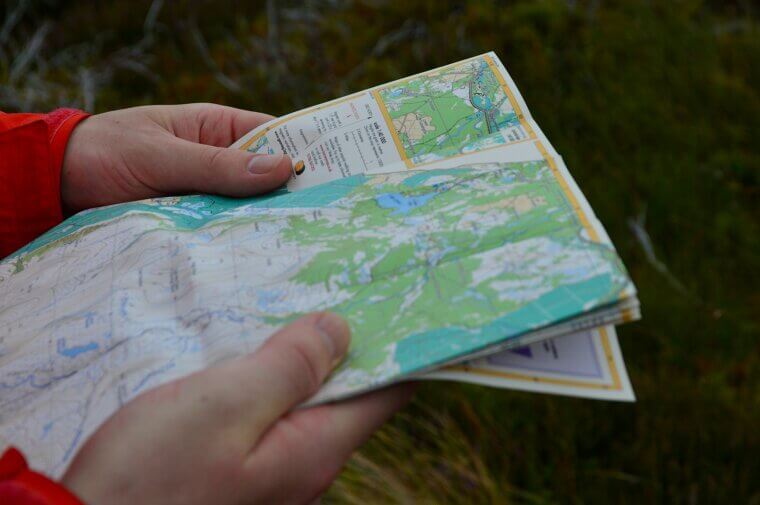
Before phones told you when to turn, people learned to read paper maps and pay attention to their surroundings. If you took a road trip in the '70s or '80s, you remember pulling out the atlas, tracing the route with your finger, and memorizing the major turns before you even left the driveway. Highways had exit numbers you actually noticed. You recognized landmarks - the gas station with the tall sign, the bend in the road right before your turnoff, the water tower visible from miles away. Getting lost happened occasionally, but it wasn't the end of the world. You pulled over, checked the map again, maybe asked someone at a gas station for directions, and got back on track. There was something grounding about navigating by your own awareness instead of following a voice in the dashboard. It made you pay attention to where you were instead of just where you were going.
Hand-Writing Letters
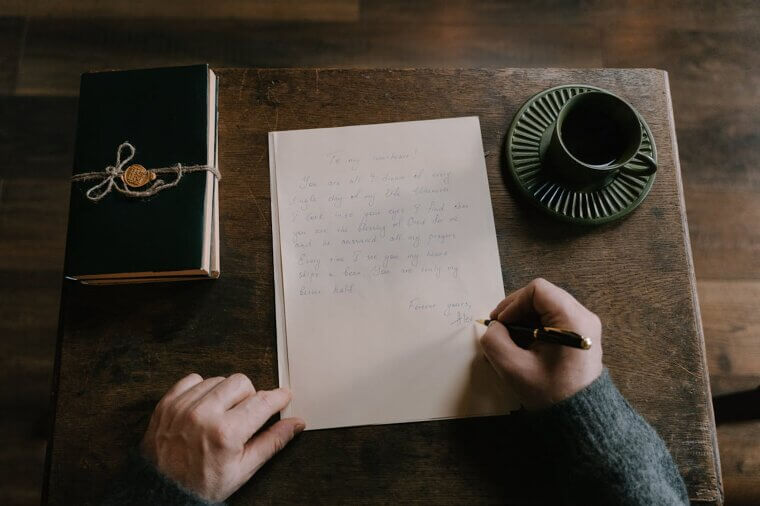
Letters took time to write, and that was the point. You sat down at the kitchen table with paper and a pen, thought about what you wanted to say, and wrote it out by hand knowing the person on the other end would read every word you'd chosen. There was no deleting, no backspace - just crossing out and starting a new line if you needed to. You folded the letter into an envelope, addressed it carefully, put a stamp in the corner, and dropped it in the mailbox. Then you waited. A week, maybe two, for the reply to arrive. That slowness wasn't inefficiency - it was care made visible. The handwriting itself carried personality and effort. A letter could be kept, reread, tucked into a drawer, pulled out years later. Texts disappear into the scroll. Letters stay.
Making Community Connections
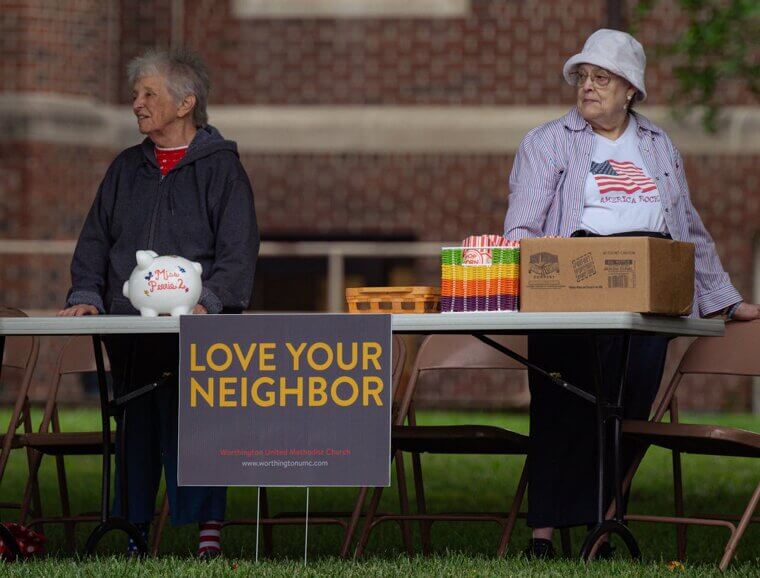
Neighbors knew each other by name, and that wasn't unusual - it was just how things worked. You borrowed tools over the back fence, shared news on the front porch, and showed up when someone needed help without waiting for an invitation. If a neighbor's car broke down, someone came over with jumper cables. If someone was sick, a casserole appeared on the doorstep. Loneliness had fewer places to hide because doors were unlocked and visits were common. You didn't need to schedule time to talk - you just knocked. That kind of connection took effort and attention, but it also meant you were part of something bigger than your own household. The web of neighbors looking out for each other was stronger than any app or service could replace. Learning to be that neighbor again matters.
Basic Home First Aid
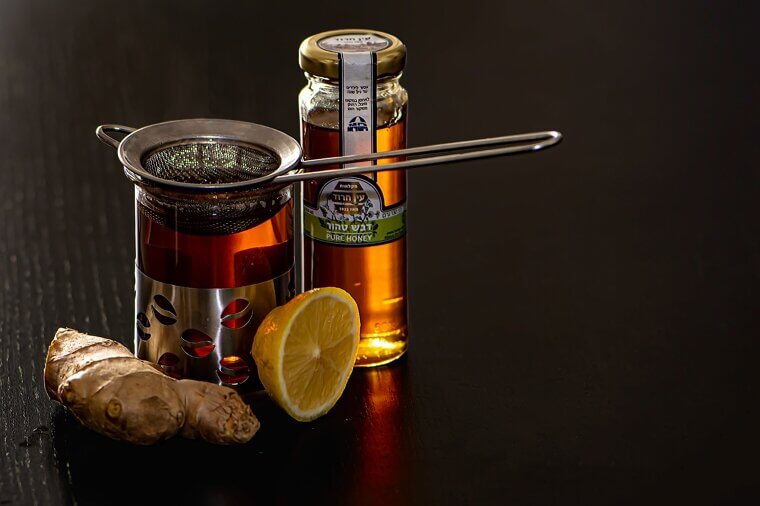
Scraped knees, minor burns, coughs that weren't serious - these were handled at home with supplies kept in the bathroom cabinet or kitchen drawer. You knew how to clean a cut properly, when to use a bandage and when to leave it open, how to make a cold compress, and what a fever that needed a doctor actually felt like. It wasn't medical expertise - it was practical knowledge passed down and learned through experience. A cool washcloth, a spoonful of honey for a cough, salt water for a sore throat - simple remedies that worked often enough to be trusted. Today, with endless information available, people still panic over minor injuries because they've never learned the basics. Relearning those skills doesn't just help in small emergencies. It restores a quiet confidence that says you can handle what comes up without immediately reaching for the phone.
Foraging
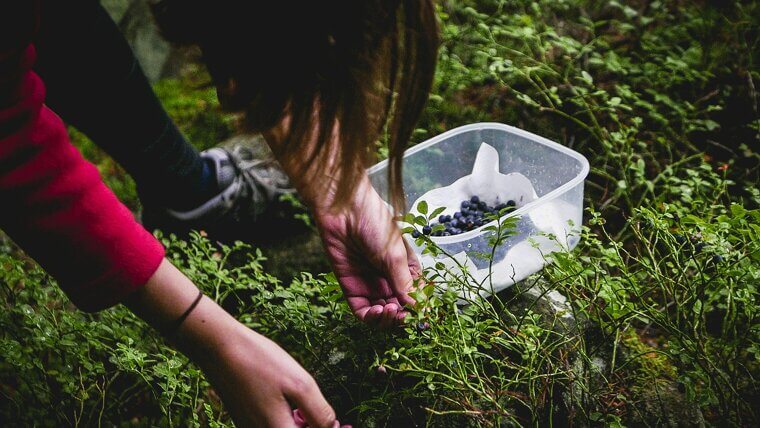
If you grew up spending time in the woods or the countryside, someone probably taught you which plants were useful and which ones to leave alone. Wild berries, dandelion greens, mushrooms if you really knew what you were doing - the landscape offered food and medicine if you knew where to look. That knowledge came from older generations who'd learned it from theirs, passed along on walks through fields and forests. It wasn't romantic or trendy - it was practical information that meant you could recognize what was edible, what could soothe a bee sting, and what would make you sick. Most people today walk past all of it without recognizing a single plant. Relearning even a little bit of that knowledge teaches more than plant names. It teaches attention, patience, and respect for what the land quietly provides if you take the time to notice.
Basic DIY
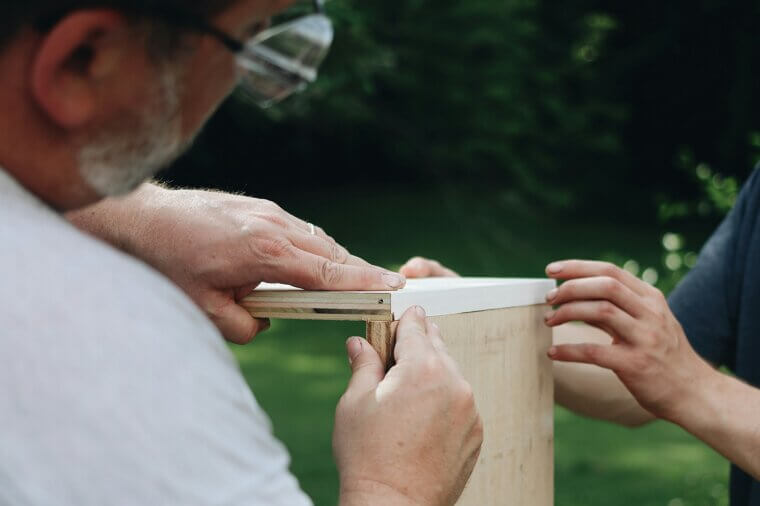
The toolbox lived in the garage or the basement, and when something around the house needed fixing, that's where you went first. Loose hinges got tightened, squeaky steps got a few nails, shelves that sagged got reinforced with a brace and some screws. You learned by watching someone else do it, then trying it yourself the next time. Not everything came out perfectly - shelves ended up slightly crooked, repairs sometimes needed a second attempt - but things got fixed, and there was real satisfaction in that. The sound of a saw working through wood or a hammer finding its rhythm was just part of weekend life. Homes carried the fingerprints of the people who lived in them, evidence of small repairs done with care rather than perfection. Knowing how to use basic tools brought a quiet kind of confidence that's worth rediscovering.
Weather Reading From Nature
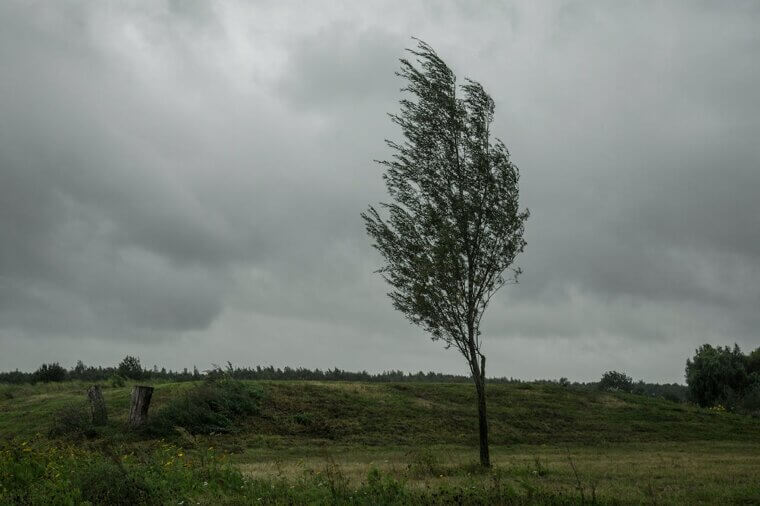
Before checking your phone became the reflex, people looked at the sky and paid attention to what it was telling them. Dark clouds building in the west, birds flying low, the way the wind shifted direction, the smell in the air right before a storm - these were all signals that something was coming. You learned to notice the silver underside of leaves turning up before rain, the particular feel of the air when frost was on the way, the hush that settled in right before thunder. It was observation layered over years of living outside more than we do now and watching the same sky day after day. Weather apps are convenient, but they've replaced a kind of awareness that connected people to the rhythm of where they lived. Learning to read those signs again means paying attention to the world instead of the screen.
Upcycling
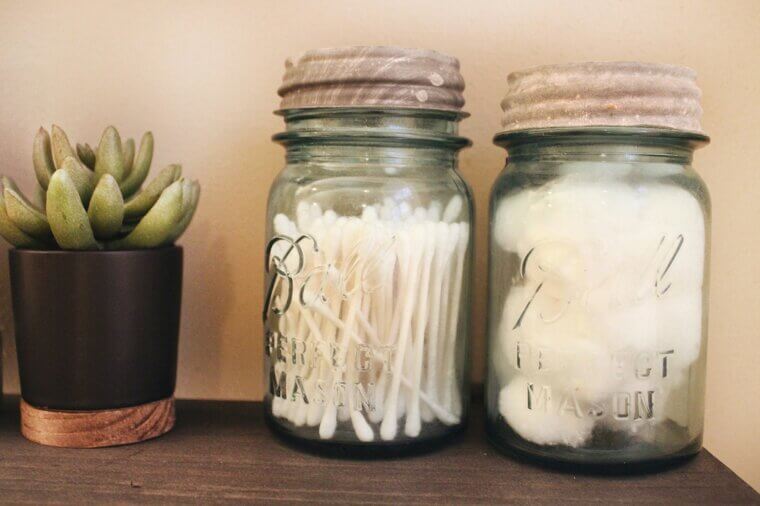
Nothing was single-use if it didn't have to be. Glass jars from store-bought jam became storage for buttons, screws, or leftovers. Worn-out towels were cut into cleaning rags. Broken furniture got taken apart to see if the wood or hardware could be used for something else. This wasn't environmentalism or a crafting trend - it was everyday problem-solving driven by the habit of not wasting what you already had. There was creativity in it too, figuring out how to make something work for a second purpose it was never designed for. That mindset has faded as everything became cheap and disposable, but it's worth bringing back. Not just for the environmental benefit, though that matters, but for the way it makes you look at objects differently and see potential where someone else might see trash.
Patience
Some things took time, and that was just understood. A quilt might take months. A garden took a full season before the first harvest. Relationships deepened over years, not weeks. If you wanted something, you saved for it, sometimes for a long time, and that waiting made having it feel more significant. Bread dough needed time to rise. Film needed time to develop. Letters took days to arrive. None of that felt like a flaw in the system - it was simply how life worked, and people adjusted their expectations accordingly. The modern expectation that everything should happen immediately has made waiting feel uncomfortable, even intolerable. But patience isn't passive. It's the active choice to stay with something through the slow parts, trusting that good things come from sustained effort and time. That lesson is one of the most needed right now.

Bartering
Communities ran on more than just money. If your neighbor needed help with a roof repair and you needed firewood, you worked something out. Someone who could sew traded mending for fresh eggs. Someone with a truck helped with a move in exchange for help painting a fence. Skills and time were currency, and everyone had something to offer. These exchanges built more than savings - they built relationships, trust, and the understanding that you were all in it together. Today, most transactions happen through apps and screens, anonymous and efficient but missing the human connection that came with looking someone in the eye and shaking hands on a deal. Bringing back that kind of skill-sharing and trading reminds people that value isn't just in wallets. It's in hands, time, and the willingness to help each other out. That might be the most important lesson of all.