1980: 73.7 Years
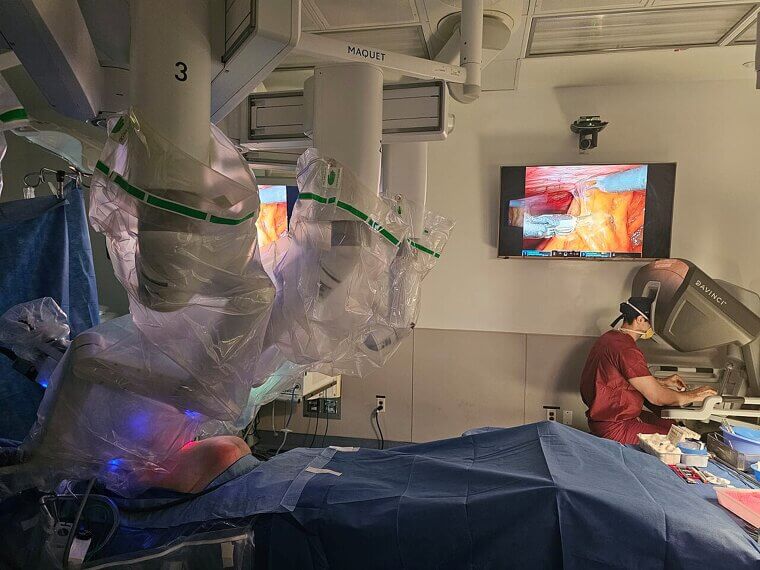
Back in 1980, life expectancy was slowly on the rise. Why? Because there was better care for newborns and more vaccines. Fewer babies got sick, and more kids grew up healthy. People were also starting to trust doctors more than their home remedies and chicken soup.
1981: 74 Years
By the time 1981 rolled around, fewer people were dying from infections that once swept through communities. Vaccines and antibiotics were doing their job. People could finally recover from illnesses that used to be life-threatening, and parents breathed a massive sigh of relief.
1982: 74.5 Years
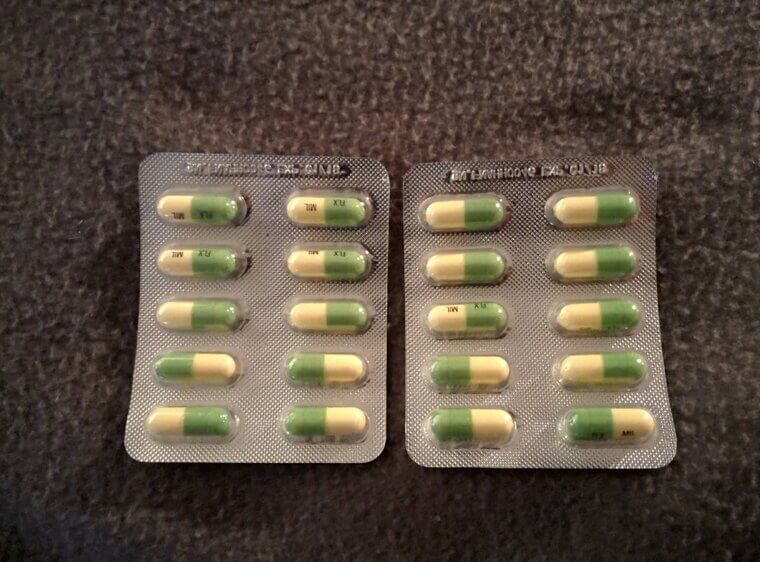
Heart disease used to be a big killer in the late ‘70s. But by 1982, medical experts were fighting back, and new surgeries, drugs, and better diets helped hearts stay strong. People started hearing more about “low fat” and “cholesterol,” even if they weren’t sure what the words meant.
1983: 74.6 Years
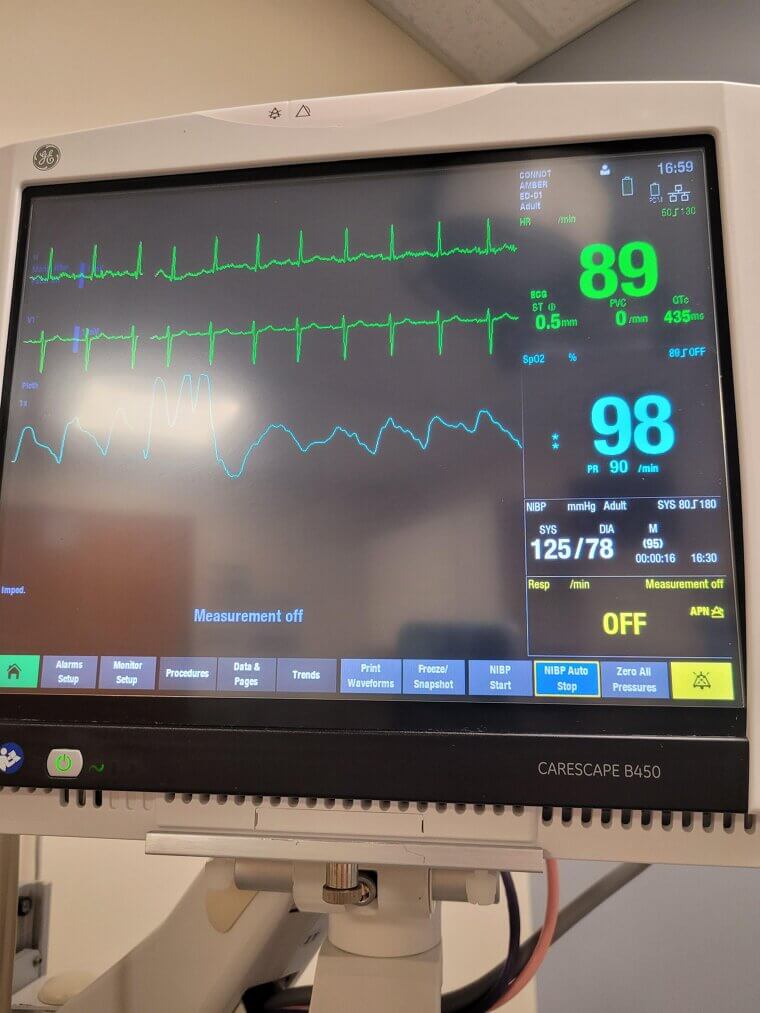
1983 was the year of steady progress. Medicine kept improving, and technology made hospitals smarter. Doctors were learning faster, machines were getting way fancier, and patients were living longer. This was the medical world’s version of a slow but steady climb.

1984: 74.7 Years
People in 1984 were starting to care more about what they ate and how much they moved. This, in turn, had a positive effect on their health and also their life expectancy. Aerobic and gym exercise were in full swing, and home gyms were everywhere. Fitness and wellness were trendy.

1985: 74.8 Years
More and more people could afford to see a doctor in 1985 thanks to expanding Medicare benefits. Older adults benefited the most and got access to care without worrying about the massive bills. It wasn’t perfect, but it helped people live longer.
1986: 74.9 Years
The late 1980s brought heartbreak as the HIV/AIDs crisis began to show its effects, cutting lives short and scaring communities. Doctors and scientists scrambled to understand it, while awareness campaigns worked hard to spread the truth and save lives.
1987: 75.0 Years
By 1987, HIV/AIDS had become a serious public health issue. Life expectancy slowed a bit as the world faced a new and unfamiliar threat. But this also sparked compassion and incredible research that would eventually lead to life-saving treatments and lower mortality rates.
1988: 75.2 Years
Things started to stabilise a little in 1988. People were learning way more about HIV prevention, and safer practices helped reduce deaths. Education and awareness were the key components in making a real difference, showing how knowledge could literally save lives.
1989: 75.3 Years
The late ‘80s were also the time for new hope in the fight against cancer. Doctors got better at finding it earlier, when it was much easier to treat. Screenings and scans were improving, and patients were living longer thanks to quicker, smarter medical care.
1990: 75.4 Years
The 1990s brought public health campaigns. The message was clear: drop the cigarette and pick up a salad. Posters, TV ads, and pretty haunting anti-smoking commercials (you remember the ones) all warned about the dangers of smoking. Less smoking meant fewer heart and lung problems, which boosted life expectancy.
1991: 75.5 Years
Crime rates began to dip in the early ‘90s, meaning fewer lives were lost. Safer communities made a huge difference in life expectancy, and people could breathe a little easier as they walked home at night in cities that had struggled for years.

1992: 75.7 Years
In 1992, care for older people improved. There were more nursing homes and support programs to help seniors stay healthy for longer. Families had more options for care, and older people were living out their golden years in comfort.
1993: 75.5 Years
Life expectancy rates took a dip in 1993 when HIV/AIDS deaths spiked and homicide rates went up. Sure, a 0.2 change doesn’t seem like a massive jump, but it was a challenge that pushed people to fight harder for change.

1994: 75.7 Years
Things really started looking up again in 1994. The rough patch from the early ‘90s was easing off, and people were living longer again. Medicine also bounced back. It felt like the world took a deep breath and said, “We’ve got this!”
1995: 75.8 Years
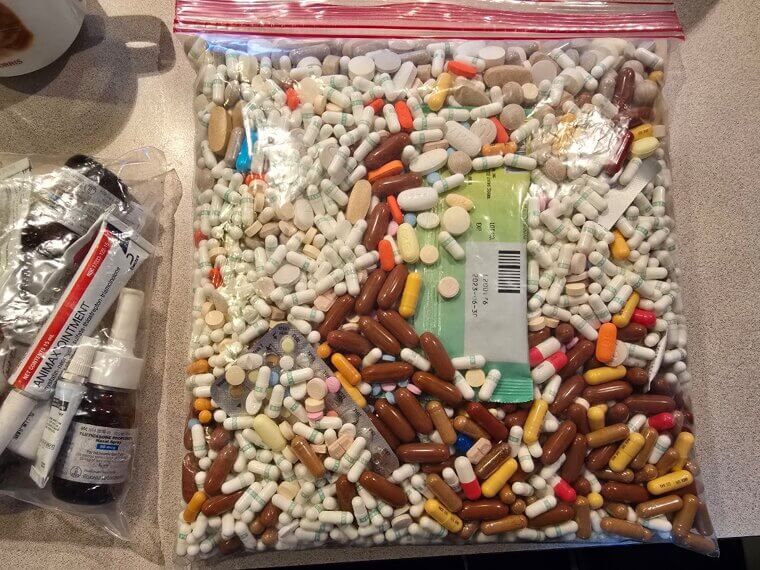
1995 was a huge year. The first real HIV treatments arrived, and they changed everything. HIV wasn’t an automatic death sentence. People could live longer, fuller lives, and that gave millions of families new hope. Science won, and people lived longer because of it.
1996: 76.1 Years
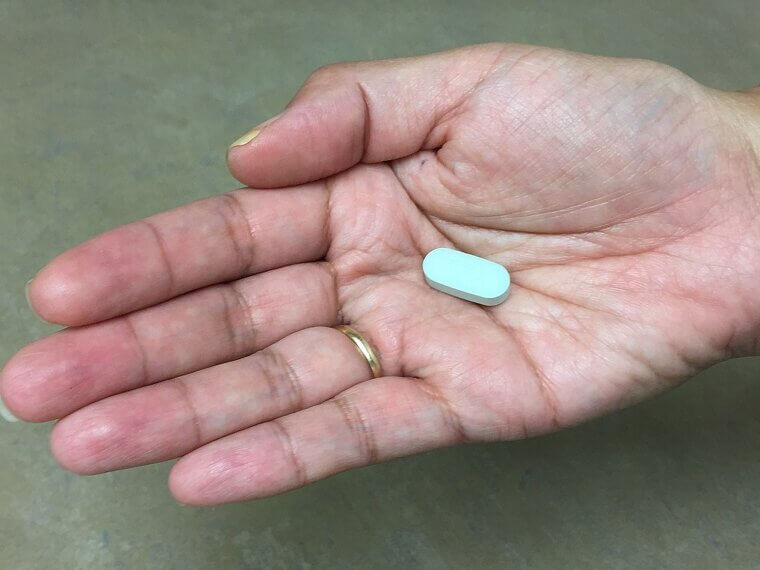
New medicines were working wonders in 1996, pushing the life expectancy rate to 76.1 years. Deaths from HIV dropped fast, and doctors, patients, and their families all had a reason to smile again. It felt like progress was definitely winning.
1997: 76.4 Years
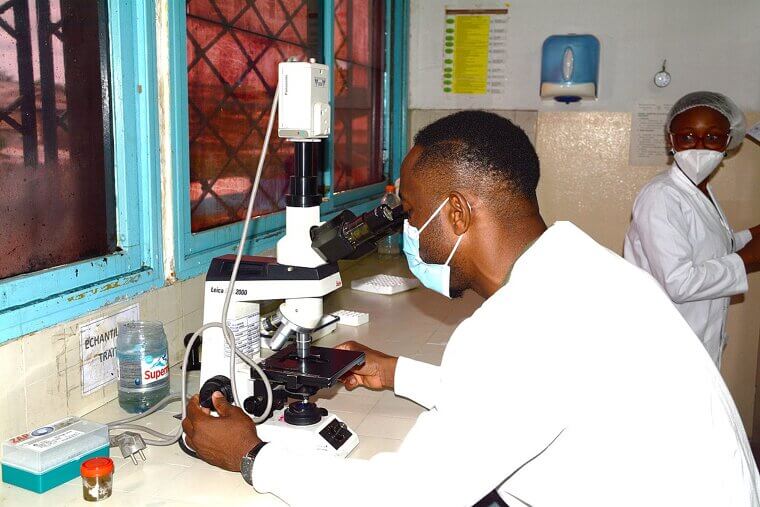
The late ‘90s were a good time for health. People had strong immune systems, so fewer people died from infections. There were better hospitals, cleaner living conditions, and germs were officially losing the battle. Science was on the up and up.

1998: 76.7 Years
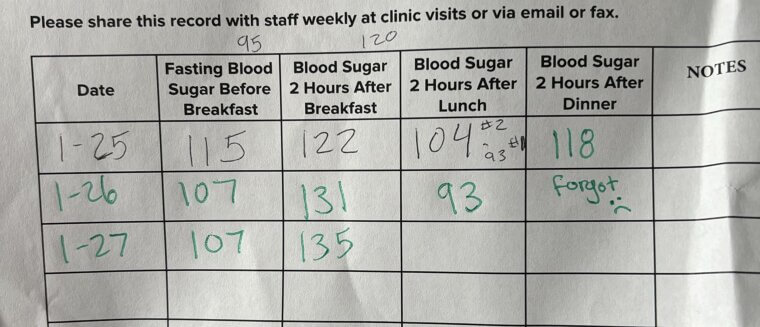
People were getting better at living with long-term illnesses like diabetes and heart disease in 1998. Doctors had new drugs, better testing, and more ways to help people stay healthy. It wasn’t just about surviving anymore - it was more about feeling good while doing it.
1999: 76.8 Years
Things got a bit tricky in 1999 as fast food, bigger portions, and lazy evenings in front of the TV took over. Needless to say, waistlines grew and obesity started creeping in. Life expectancy was still rising, sure, but slower.

2000: 76.9 Years
The new millennium brought cool gadgets and smarter medicines. Hospitals, in turn, got more high-tech, surgeries got safer, and pills did what they were supposed to do. People were living longer because medicine finally had the tools to keep up with modern life.
2001: 77.0 Years
People were getting older in 2001—but in a good way. Life expectancy rates were up because seniors were staying active, travelling, and living their best lives. Doctors had more ways to keep people healthy, so “old age” didn’t mean slowing down anymore.

2002: 77.3 Years
Cigarettes officially lost their cool in 2002. Anti-smoking campaigns worked, and fewer adults were lighting up. Healthier lungs meant fewer heart and lung problems, which helped push life expectancy up a little more. It turns out, fresh air really does work wonders.

2003: 77.5 Years
Heart problems were still common in 2003, but doctors were getting way better at spotting and treating them. New drugs, surgeries, and emergency care have made heart attacks less deadly than they were before. People finally learned they needed to take care of their hearts.
2004: 77.6 Years
By 2004, cancer survival rates were climbing. Early detection and new treatments meant more people were beating it. Hope became a powerful part of the healing process, giving families more time together and more reasons to celebrate life.
2005: 77.7 Years
Eat better, move more, and drink water were the health slogans of 2005. They were everywhere - on TV, in schools, and even on cereal boxes. The message was simple: take care of yourself now so you can enjoy life for way longer. Needless to say, people listened.

2006: 77.8 Years
More people started seeing doctors before things went wrong, instead of waiting until they did in 2006. Preventative care was at an all-time high, and check-ups, screenings, and early treatments became a trend, as reflected in the numbers: life expectancy rates soared to 77.8 years.

2007: 77.9 Years
Everyone seemed to have a yoga mat and a blender in 2007. Health became a lifestyle rather than a doctor’s lecture, and people were once again paying attention to how they lived. Living longer was cool, and the life expectancy rate of 77.9 years proved it.

2008: 78.0 Years
The economy might have dipped in 2008, but surprisingly, health didn’t crash with it. People cooked at home more, ate fewer takeaways, and focused on what mattered: staying healthy and living as long as possible. Guess we have the recession to thank for that.

2009: 78.1 Years
Even when money was tight, healthcare kept going. And in 2009, doctors adapted, and new tech made care way more efficient than it was. People got the help they needed, and life expectancy rates held strong. Thank goodness for good healthcare systems, right?
2010: 78.3 Years
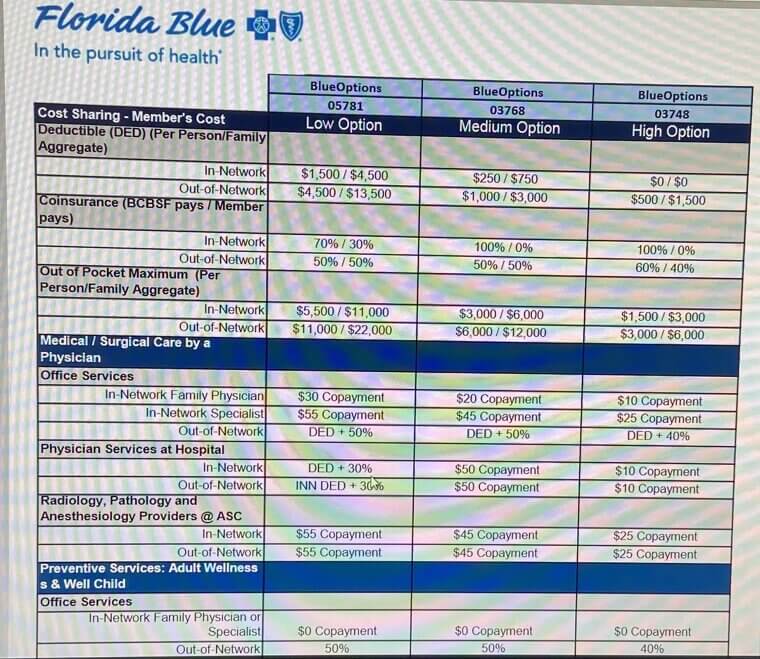
The Affordable Care Act was a game-changer. It helped millions of Americans get health insurance in 2010. This meant going to the doctor or filling a prescription wasn’t a financial nightmare anymore, making healthcare a little more within reach for everyone.
2011. 78.5 Years
Even more people had access to screenings and preventative care in 2011, thanks to the Affordable Care Act. Health checks caught problems much earlier, and treatments worked better as a result. The idea of “catch it early” really started to stick and save lives.
2012: 78.6 Years
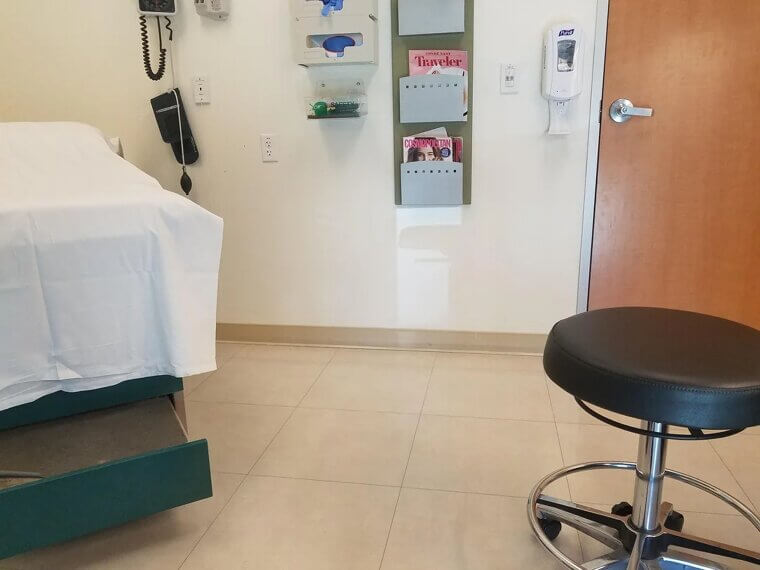
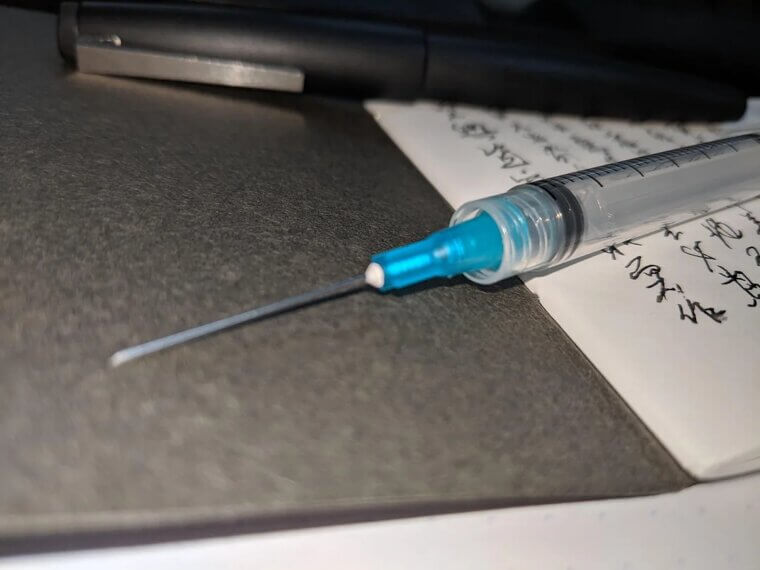
Just when things were looking steady, trouble started brewing, and prescription painkillers were becoming a big problem. Addiction rates rose, and the opioid crisis quietly began stealing years from people’s lives. Yes, expectancy rates weren’t dropping, but they weren’t going up by much either.
2013: 78.6 Years
People were living longer in 2013, but not necessarily healthier. Chronic illnesses like diabetes and obesity were becoming more common. Sure, medicine kept people alive, but it also meant more people were managing lifelong conditions that affected life expectancy.

2014: 78.7 Years
Doctors, scientists, and inventors kept pushing forward in 2014. Robotic surgeries and new cancer drugs proved that technology was everywhere in medicine. Life expectancy was slowly inching up thanks to constant innovation. Yes, the increase was slow, but it was happening, and that’s all that mattered.