Why Life Has Changed
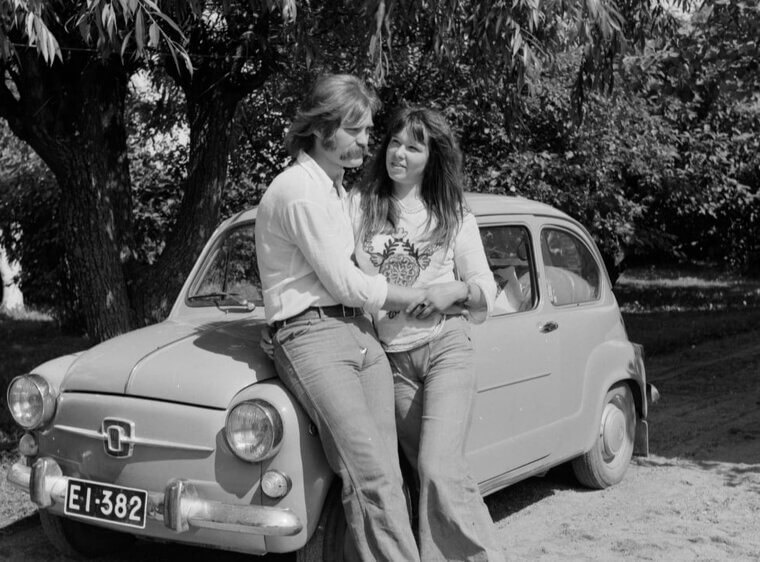
The way we live today in 2026 is very different from the world our parents knew. They grew up with rules that were meant to keep them safe and help them fit in. But as technology and society have changed, many of those old lessons have stopped working. What used to be polite is now seen as annoying, and what used to be smart is now often a mistake. We are living in a faster, more digital world where we have to make our own rules about how to socialize, eat, and find happiness. While our parents meant well, following their advice too closely can actually make life harder today. This article looks at the common habits and beliefs from the past that we should finally let go of so we can live better in the present.
Just Stopping By Someone’s House
When our parents were young, it was normal to walk over to a friend’s house and knock on the door without calling first. This was a sign of a close friendship. In 2026, doing this is usually seen as rude or stressful. Most people use their homes as a place to relax or work, and they value their privacy more than ever. Today, we have the tools to send a quick text or message to ask if someone is busy. Dropping by unannounced can ruin someone's schedule or interrupt their quiet time. We have learned that being a good friend means respecting people’s time and boundaries. It is much better to plan a visit in advance so that everyone is ready to enjoy the time together rather than being caught off guard.

Cleaning Your Plate at Every Meal
Many of us grew up hearing that we must finish every bite of food on our plates. Our parents taught us this because they didn't want to waste money or food. While saving food is still important, the "clean plate" rule is now seen as bad for our health. In 2026, we have a lot of cheap, heavy food available everywhere, and it is easy to eat too much. Doctors now tell us to listen to our bodies instead of the rules. If you are full, it is better to stop eating and save the leftovers for later. Forcing yourself to finish a giant portion just leads to feeling sick or gaining unhealthy weight. The new rule is to be mindful of how you feel and only eat what your body actually needs to stay energized.
Only Dating People in Your Neighborhood
In the past, people usually married someone from their own town, school, or workplace. Our parents often warn us about meeting people outside our social circle, thinking it is safer to stick to people you know in person. But in 2026, limiting yourself to your local area doesn't make much sense. With dating apps and social media, we can find people who share our specific interests and goals, even if they live far away. We no longer have to settle for whoever happens to live nearby. Technology helps us screen people and get to know them before we ever meet in real life. This makes it much easier to find a partner who truly fits our lifestyle. Building a connection online is now a normal and smart way to start a serious relationship.
Saving "Special" Things for Later
Our parents often had a "guest room" or "fancy dishes" that were only used once or twice a year. They believed in saving the best things for a special occasion that might never come. In 2026, people are moving away from this idea. We have realized that life is short and every day is worth enjoying. Instead of letting nice things sit in a closet and gather dust, we use them now. Whether it is wearing your favorite clothes on a Tuesday or using the expensive candles while you watch TV, the goal is to enjoy what you own. We would rather have a few high quality items that we use every day than a house full of stuff that we are "saving." This change helps us feel more grateful for what we have.
Thinking Big Cities Are the Best Place to Live
For a long time, the advice was that you had to move to a big city to have an exciting life. Our parents thought that cities were the only places with good food, art, and interesting people. By 2026, this has changed completely. Because of the internet, you can learn anything or see any show from anywhere. Many people are moving to smaller towns where life is cheaper and quieter. You can now find great coffee shops, art galleries, and diverse communities in places that used to be considered "boring." Living in a crowded, expensive city is no longer a requirement for having a "cool" life. Many people now prefer having more space and a better connection to nature while still staying connected to the world online.
Keeping Your Problems to Yourself
There was a time when people thought it was strong to never talk about their feelings or family problems. Our parents were taught to keep their "private business" private so they wouldn't be judged by the neighbors. In 2026, we know that keeping everything inside is actually bad for your mental health. Today, being open about your struggles is seen as a sign of strength. Talking about things like stress, sadness, or family issues helps you find people who are going through the same thing. It makes us feel less alone and helps us get the support we need. We have learned that being honest about our lives builds much deeper and more honest friendships than pretending that everything is perfect all the time.
Hand Writing Notes for Every Occasion
Our parents often insist that a hand written thank you card is the only way to show you care. While a card is a nice gesture, it isn't always the best way to communicate in 2026. Sending a heartfelt text, a voice message, or even a short video is often more meaningful because it happens right away. Waiting for a card to travel through the mail can feel slow and outdated. Most people today appreciate a fast and sincere digital message more than a piece of paper that they will eventually just throw away. Digital messages are also better for the environment. The most important thing is the "thank you" itself, not the paper it is written on. We now prioritize being quick and genuine over being formal.
Waiting Until Marriage to Move In
The old advice was to wait until you were married before living with a partner. Our parents often worried about what people would think or thought it would ruin the relationship. In 2026, most people think it is a mistake to get married without living together first. Moving in helps you see how a person really lives. You learn about their habits, how they handle money, and how they act when they are tired or stressed. It is like a "practice run" that helps you decide if you are truly compatible for the long term. Living together saves money on rent and bills, but more importantly, it makes sure you really know the person you are committing to. It is a practical step that leads to stronger marriages.
Sticking to a Traditional 3-Meal Schedule
Our parents were very strict about eating breakfast, lunch, and dinner at the exact same time every day. They thought this was the only healthy way to live. In 2026, our schedules are much more flexible. Many people now follow "intermittent fasting" or just eat when they are actually hungry. Some people prefer five small snacks, while others only eat one big meal in the evening. We have learned that everyone’s body works differently. Forcing yourself to eat a big breakfast just because "it's time" can make you feel sluggish if your body isn't ready for it. Today, we focus on what we eat and how it makes us feel rather than following a clock. This flexibility allows us to listen to our own biology.
Owning a Car as a Rite of Passage
When our parents were young, getting a car was the ultimate sign of freedom and becoming an adult. They couldn't imagine life without owning a vehicle. In 2026, many people see car ownership as a huge expense and a headache. In many areas, it is much easier and cheaper to use ride sharing apps, electric bikes, or public transit. Between insurance, gas, and repairs, a car can take up a huge part of your budget. Many young people would rather spend that money on travel or hobbies. Living a "car-free" life is now seen as a smart, eco-friendly choice rather than a sign that you aren't successful. Freedom today isn't about owning a machine; it's about having the flexibility to get around however you want.