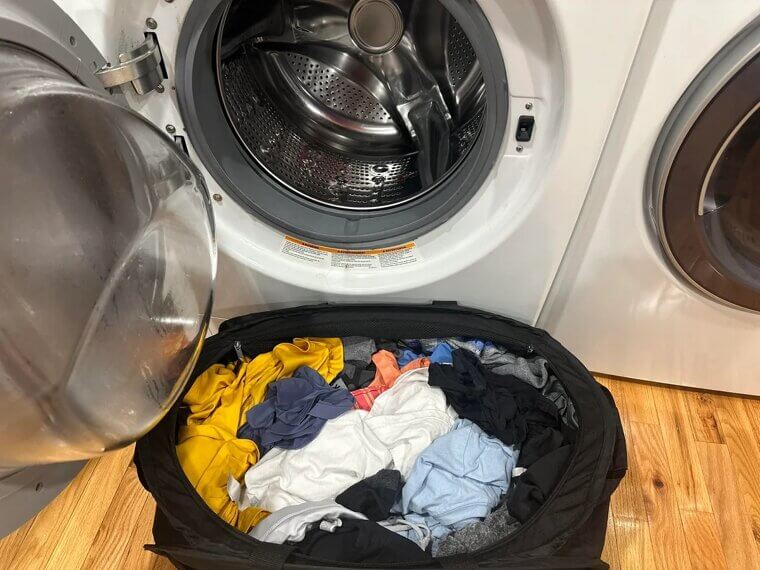
Washer Stuffed Like a Suitcase
Overloading the washer doesn’t save time. It ruins clothes. They can’t move properly, so dirt never rinses out the way it should. Fabric rubs too hard against fabric, causing pilling, thinning, and faded spots. Seams stretch, sleeves twist, and shirts come out shaped nothing like they went in. The washer itself also takes a hit, working harder than it was designed to and wearing out faster over time. Leave space in the drum. Clothes need room to move, soak, and rinse properly. Smaller loads may feel inefficient, but they protect your wardrobe, reduce repairs, and help appliances last longer. In the long run, that habit saves money, frustration, and a lot of prematurely ruined laundry.
Direct Pour Disaster
Pouring detergent straight onto clothes is another laundry no-no. It can bleach spots, especially on dark fabrics. Liquid detergent sits heavily in one place and doesn’t rinse evenly. That leaves streaks and stiff patches. Always use the dispenser or mix detergent with water first. Clothes prefer even treatment. Think gentle wash, not detergent ambush. You’re likely wasting detergent and killing your clothes at the same time.
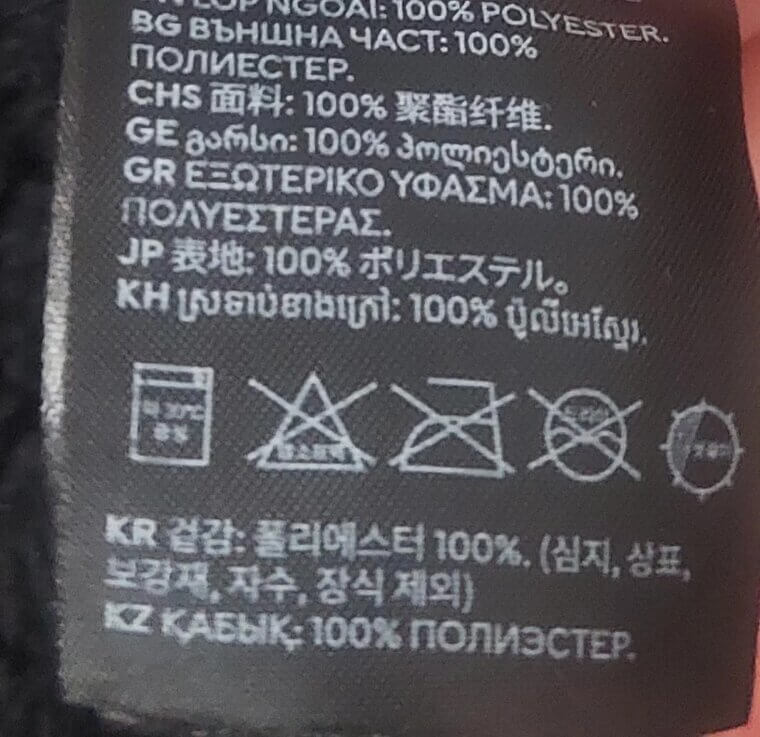
Tag? What Tag?
Ignoring care labels is like ignoring a recipe and hoping for the best. Those little tags exist for a reason. They tell you if something needs cold water, gentle cycles, or air-drying. When you ignore them, clothes shrink, fade, or lose their shape. Wool turns into doll clothes. Delicate fabrics stretch or tear. Reading the tag takes five seconds. Replacing ruined clothes takes money and regret. Always check before tossing it in.
Light Meets Dark
Mixing lights and darks is laundry anarchy. Dark colors bleed, especially when new. Whites turn grey. Light clothes look tired fast. That crisp white tee suddenly looks… sad. Sorting may feel annoying, but it saves your clothes from color disasters. Even doing a basic “lights vs darks” sort helps a lot. Your clothes keep their original color longer. And they won’t look accidentally tie-dyed.
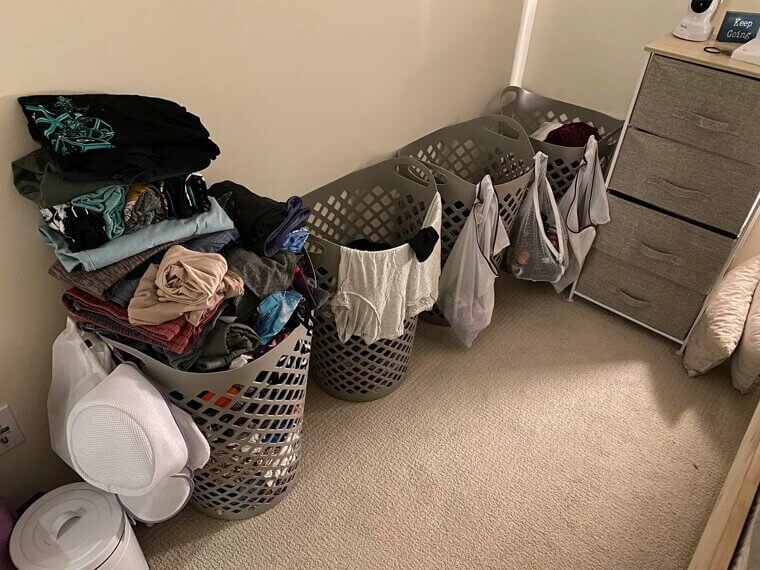
Stains, Stains, Everywhere!
Throwing stained clothes straight into the wash is wishful thinking. Most stains need a little help first. Heat and detergent can actually set stains instead of removing them. That coffee mark quickly becomes permanent. A quick pretreat makes a huge difference, and even soap and water help. Letting stains sit too long gives them time to move in and unpack. Treat first. Wash second. Regret less.
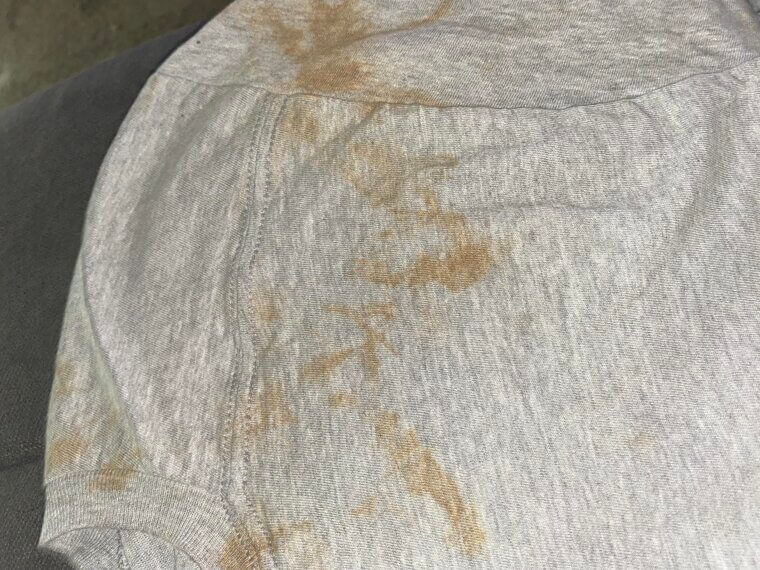
Buttoned Up for Battle
Buttoning shirts before washing sounds neat, but it’s sneaky trouble. Buttons pull on fabric during the wash. Buttonholes stretch. Threads weaken. Shirts lose their shape over time. Unbuttoning lets the fabric move naturally and reduces stress. The same goes for snaps. Let clothes relax in the wash. They’ll come out happier, smoother, and less worn out. Your shirts will last way longer this way.

Zipper Sabotage
Open zippers are tiny fabric weapons, and they do real damage. When zippers are left open, those sharp metal or plastic teeth bounce around the washer like little saws. They snag delicate fabrics, scrape up soft cotton, and pull threads from lace, knits, and even underwear. Socks are especially vulnerable and seem to take the worst hits. Zipping everything up before washing keeps fabrics smooth, prevents tears, and helps the zipper last longer too.
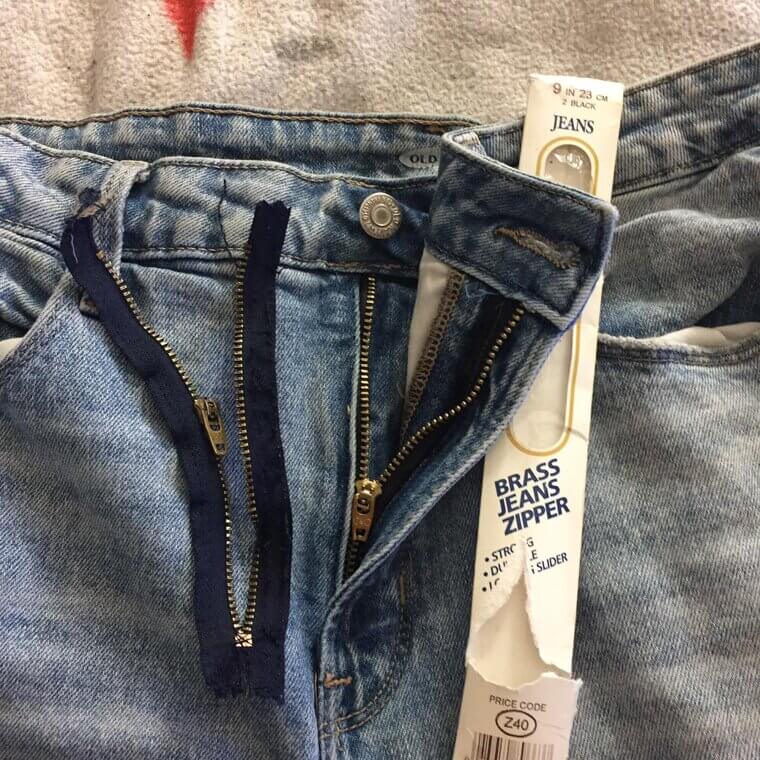
Inside-Out Is the Way To Go
Not turning clothes inside-out is rough on fabric. The outside takes all the beating from water, soap, and friction. Logos fade. Colors dull. Prints crack. Turning clothes inside-out protects the parts people actually see. It also helps clean sweat and oils better, since those sit inside. It’s a tiny habit with big benefits. One quick flip saves years of wear and keeps your clothes looking as good as they did the day you bought them.
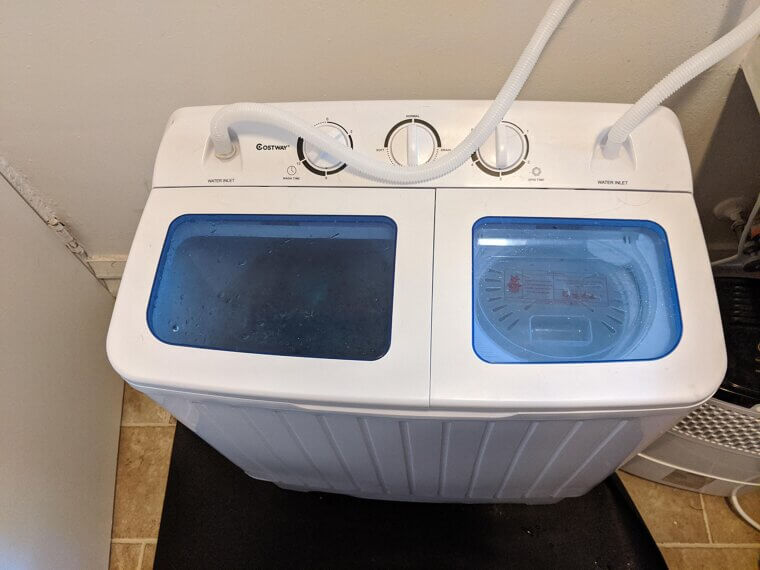
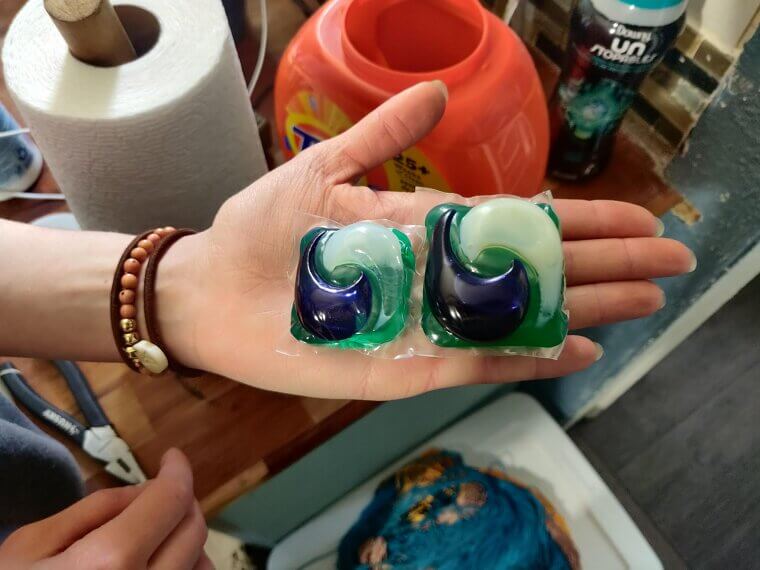
Detergent Overkill
More detergent does not automatically mean cleaner clothes. It means leftover residue and another round of washing. That residue traps dirt, stiffens fabric, and dulls colors. Clothes feel scratchy. Towels stop absorbing water properly. If you’re not careful, your washer can even start smelling funky. Follow the instructions. Modern detergents are strong, so a little really goes a long way. Your clothes don’t need a bubble bath to be clean.
Too Little, Too Sad
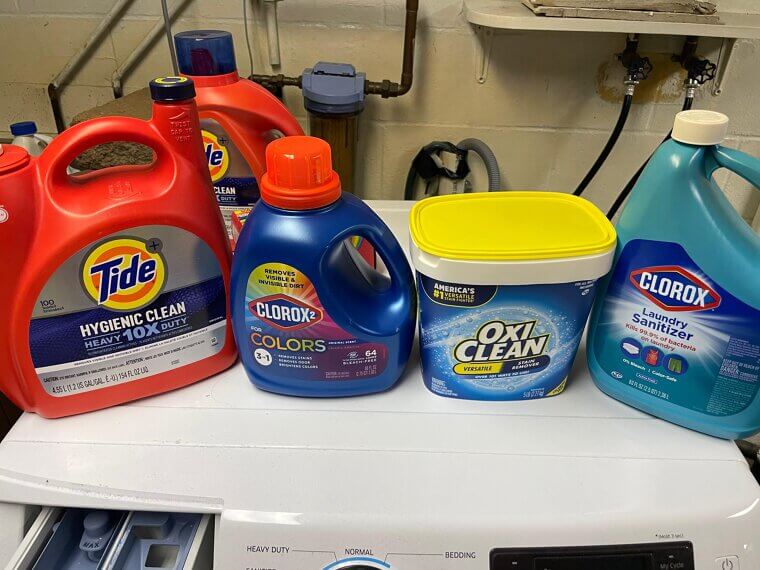
On the flip side, using too little detergent doesn’t clean clothes the way you think it does. Dirt and sweat don’t fully rinse away, so they stay trapped in the fabric. Odors hang around, even after drying. Clothes may look clean, but they feel dull and worn. Over time, body oils build up and slowly weaken the fibers. This causes fabric to thin, stretch, and break down faster. Properly cleaned clothes stay fresher and last much longer.
Softener Gone Wild
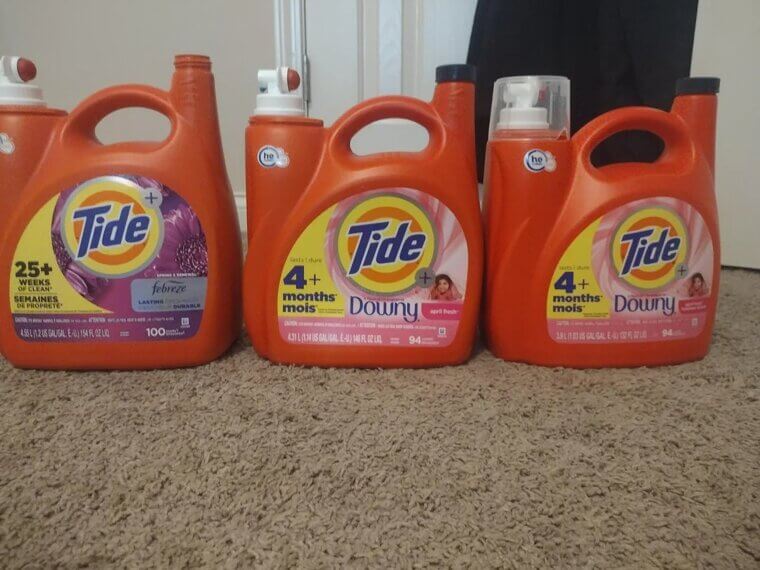
Fabric softener smells lovely, but using too much quietly causes trouble. It leaves a waxy coating on fabric that builds up over time. Towels stop absorbing water and just push it around. Athletic clothes trap sweat smells instead of releasing them. Clothes may feel slick rather than truly soft. That coating also weakens fibers and shortens fabric life. Use softener sparingly, or skip it altogether for towels and workout gear. Soft isn’t always better.
Hot Water for Everything
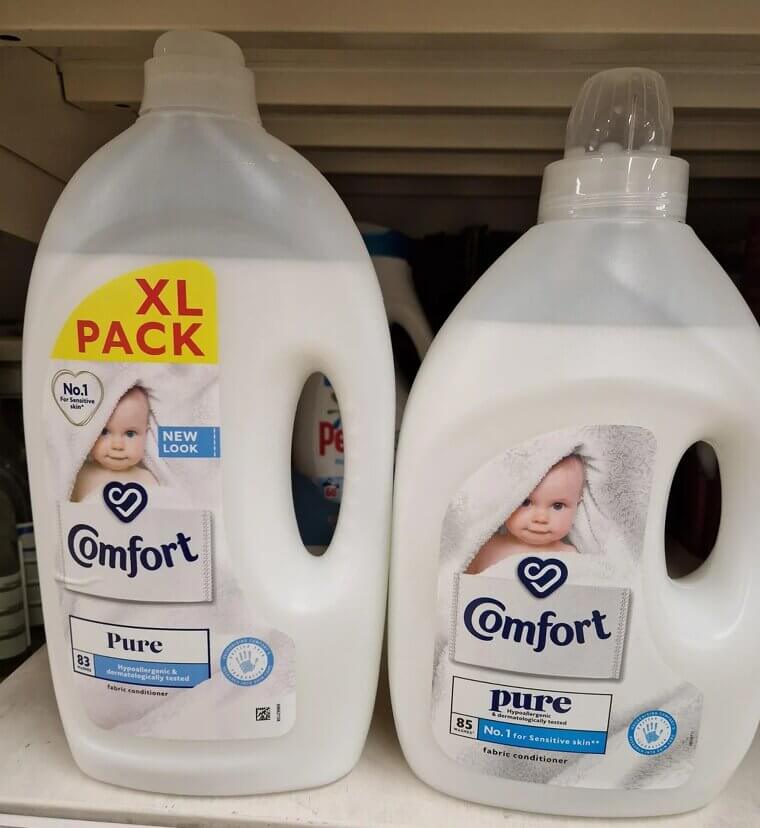
Hot water feels powerful, but it’s actually rough on most clothes. It causes fabric to shrink, colors to fade, and fibers to weaken much faster than needed. Many everyday items clean perfectly well in cold or warm water. Hot water should be saved for those heavily soiled things like towels, bedding, or cleaning rags. Cooler washes are gentler on fabric and help clothes keep their shape and color longer. Your clothes don’t need a sauna every wash.

Washing for No Reason
Washing clothes after every wear isn’t always needed, even though it feels automatic. Items like jeans, sweaters, and jackets can handle multiple wears before they actually need a wash. Overwashing wears fabric down fast. Fibers thin out, elastic loses its stretch, and colors fade much quicker. Simply airing clothes out between wears often does the trick. Wash when something is truly dirty or smells, not just out of habit.
The Wet Pile of Doom
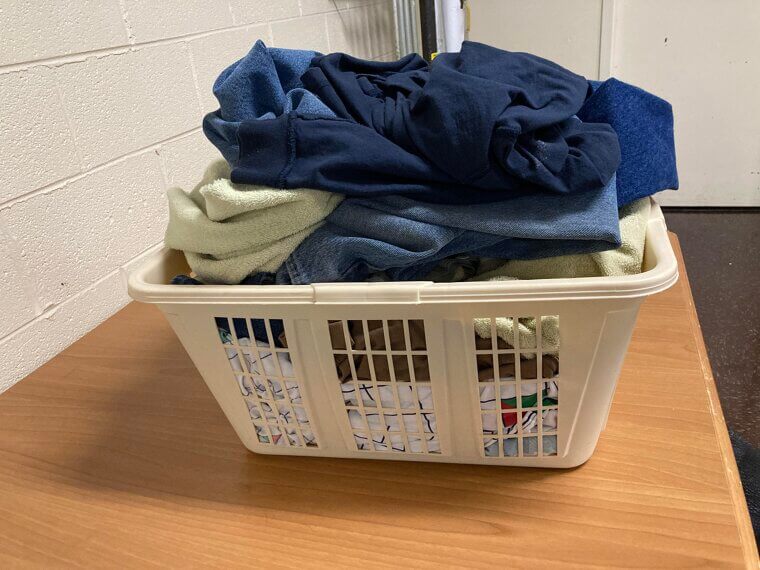
Leaving clothes sitting in the washer is bad news for both smell and fabric. The damp environment lets odors, mold, and mildew start forming surprisingly fast. Fabric fibers weaken, and wrinkles set in deeply, making clothes harder to smooth out later. That “forgotten laundry” smell is stubborn and hard to remove. Always move clothes to the dryer or hang them up as soon as the cycle ends. Fresh clothes don’t like being ignored.
Dirty Washer, Dirty Clothes
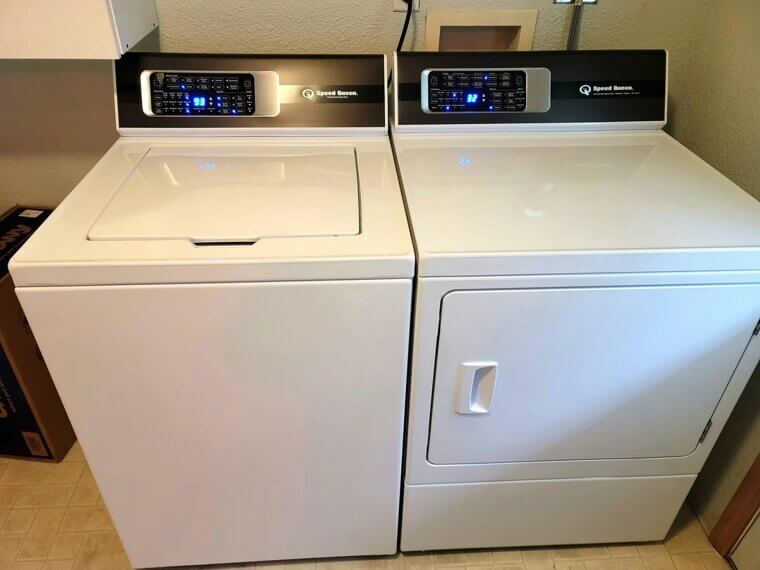
Washers need cleaning, too, even though it feels a bit ironic. Detergent residue, dirt, and moisture build up inside over time. That hidden gunk can transfer back onto your clothes, making them smell less fresh and look dull. Running a cleaning cycle regularly helps a lot. Wiping the seals and leaving the door open to dry also prevents buildup. A clean washer truly means cleaner, better-smelling clothes.
Dryer Abuse
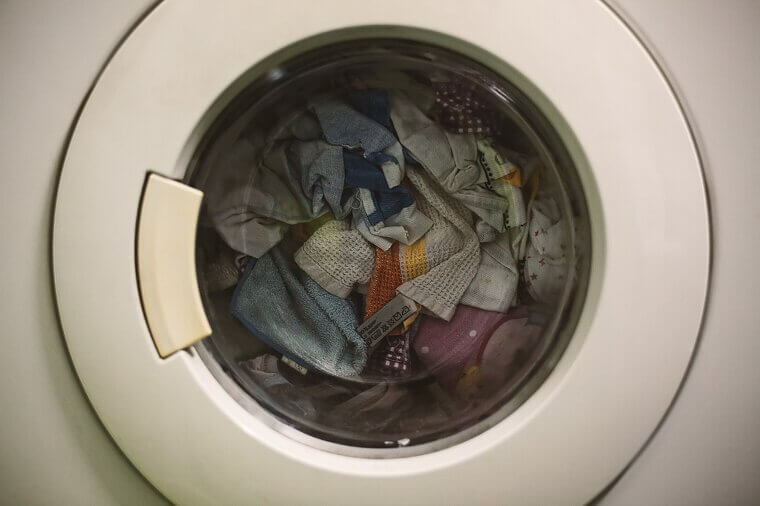
The dryer is super convenient, but it’s surprisingly tough on clothes. Heat breaks down fibers quickly, elastic stretches out, and shrinkage sneaks up over time. Tossing everything in the dryer all the time shortens the life of your favorite pieces. Using lower heat and removing clothes as soon as they’re dry helps a lot. Remember, the dryer is useful, but it’s not a magic fix for every laundry problem.
Skipping the Air-Dry Win
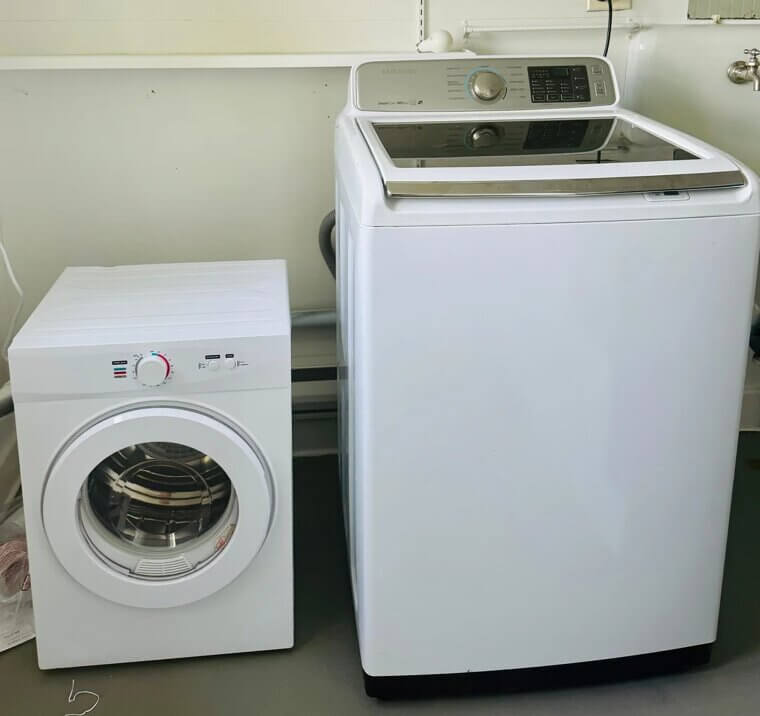
Air-drying is like giving your clothes a mini spa day. Skipping it means more wear and tear from heat and tumbling. Delicates, knits, and stretchy fabrics hold up much longer when air-dried. Hanging or laying flat helps maintain shape and softness. Even doing it occasionally protects fibers, prevents shrinking, and keeps colors brighter. Your clothes secretly love a break from the dryer’s heat.
Lint Trap Neglect
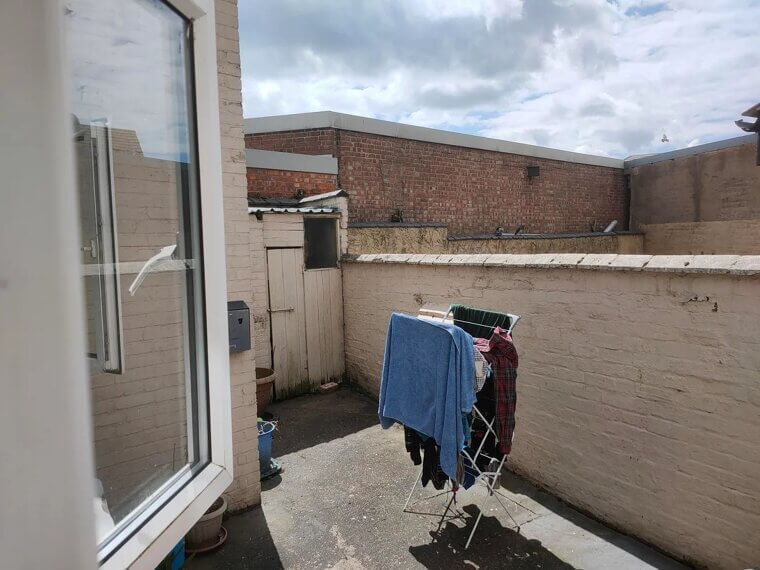
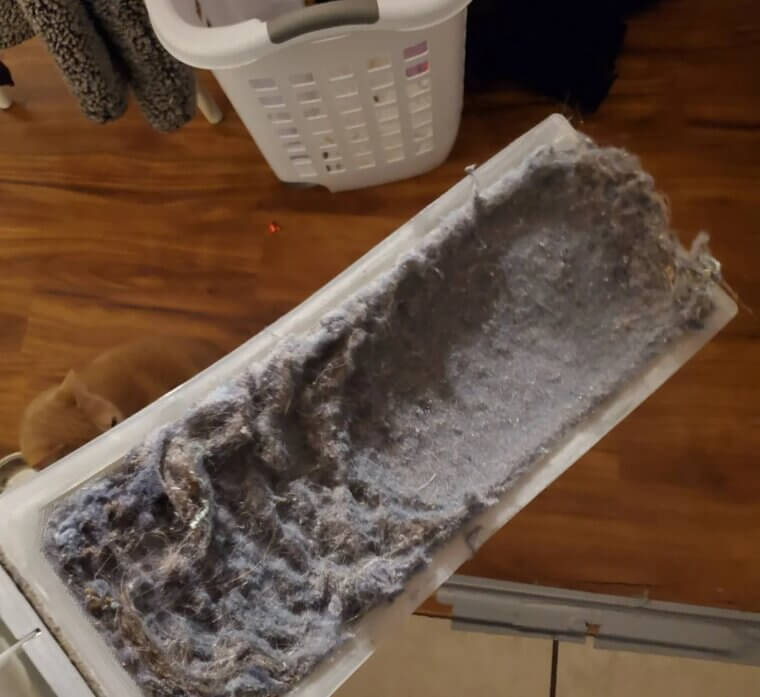
Not cleaning the lint trap may seem small, but it affects both clothes and the dryer. Lint blocks airflow, making drying slower and hotter than necessary, which wears out fabrics faster. There’s even a small fire risk. Cleaning the trap every load takes only a few seconds but makes a big difference. Clothes dry more efficiently, stay in better shape, and your dryer thanks you too.
Knit Hang Tragedy
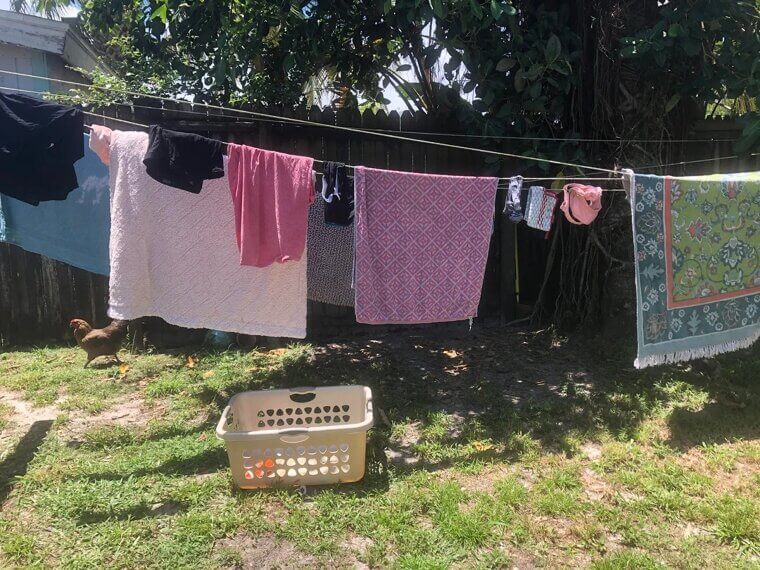
Hanging heavy knits is a shortcut that can ruin them. Gravity slowly stretches shoulders and lengthens the fabric, turning a cozy sweater into a shapeless sack. Folding or laying knits flat to dry keeps their shape intact. Lighter items can hang without issue, but heavier fabrics need support. Treat knits gently, and they’ll stay cozy, wearable, and looking like they did when you first bought them.
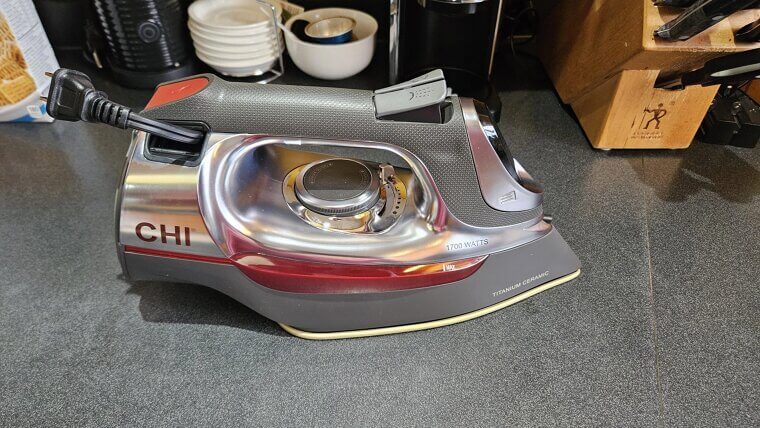
Ironing Roulette
Ironing at the wrong temperature is a risky game. Too hot, and fabric can scorch, melt, or get shiny. Too cool, and wrinkles refuse to budge. Always check the label and match the iron’s heat to the material. Steam works wonders for those really stubborn wrinkles. Test a small hidden area first, because one careless iron swipe can ruin a favorite piece. Slow down and iron smart.