Recipes With Personality
Handwritten recipe cards were kitchen gold. They lived in boxes or tins and showed their age proudly. Stains, smudges, and faded ink told stories of delicious recipes made again and again. Some cards had notes like “add more sugar” or “Don’t overbake!” Kids today save recipes digitally. Older adults trusted cards passed down from family and friends. Each one felt personal, not polished. You didn’t just cook the recipe - you remembered who gave it to you and how many times you’d made it before. It takes you back to the days when life was simpler and things had more nostalgic meaning.
The Sacred Bacon Grease Jar
Saving bacon grease wasn’t being cheap - it was smart! After frying bacon, our parents didn’t dump that liquid gold down the drain. Instead, they poured it into a jar and parked it near the stove like it was a prized possession. It went into frying eggs, cooking potatoes, and adding a bit more flavor to veggies. Today, kids see grease and think it’s trash. But back then, it meant flavor, comfort, and stretching meals a bit further. Sadly, it’s not something you ever see in modern kitchens or refrigerators anymore.
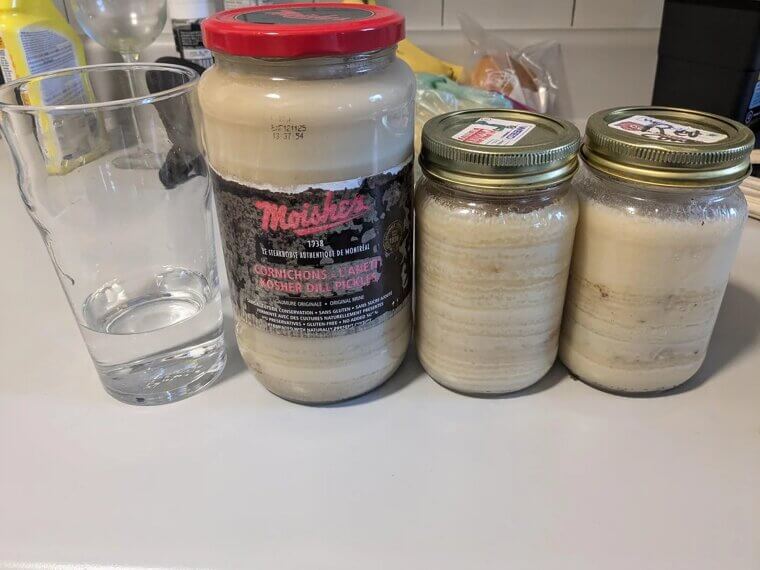
The Junk Drawer
Every older kitchen had THAT drawer. You know the one. It held twist ties, rubber bands, bread clips, spare batteries, mystery keys, and maybe a screwdriver. Nothing got thrown away because “you might need it someday.” And honestly? They often did. Kids today might laugh, but when you needed a rubber band at 9 p.m., that drawer delivered. It was part storage unit, part survival kit. Opening it felt like digging for treasure, except the treasure was very practical and slightly tangled, and you didn’t always find what you were looking for.
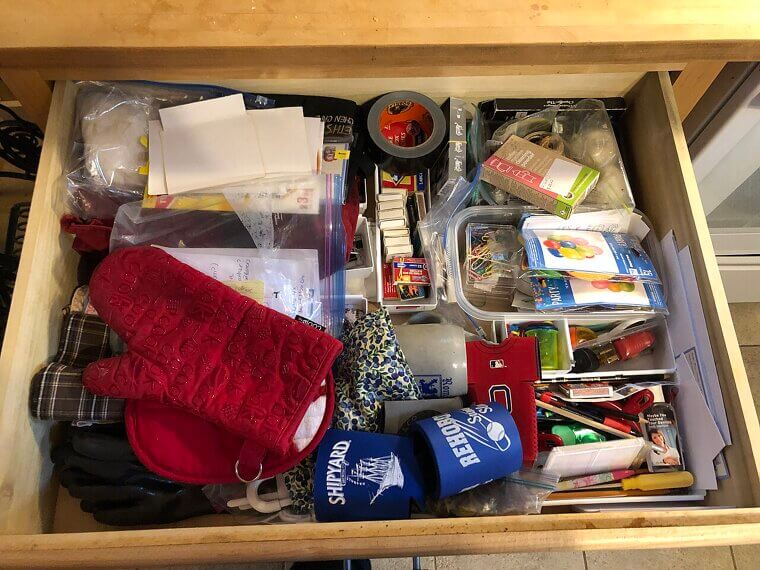
Jars That Lived Many Lives
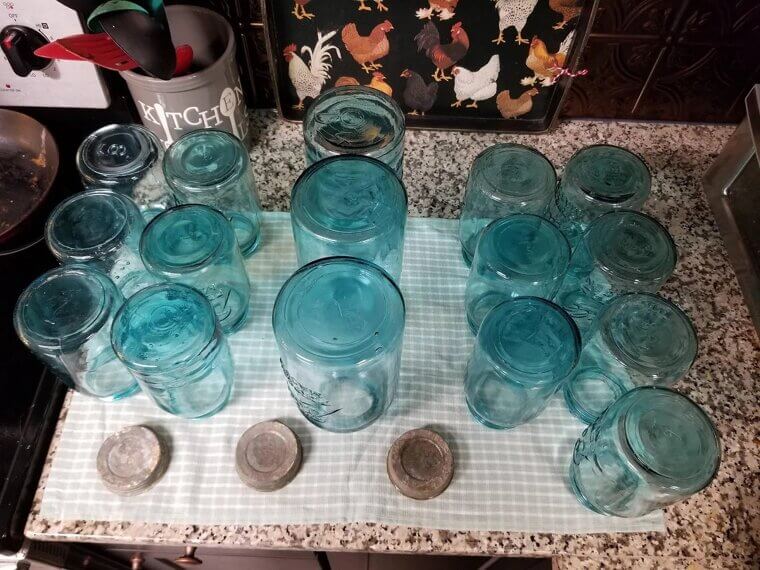
Older generations never trusted throwing out a perfectly good glass jar. Pasta sauce jars became drinking glasses, jam jars stored nails, and margarine tubs held everything from leftovers to screws, buttons, and other strange little items. Resume really ruled the kitchen. Today, however, kids expect everything to be in matching containers with snap-on lids and labels. They’ll never know the adventure of opening a tub to find something quite different from what you were expecting. Reusing things saved money, reduced waste, and gave things a second life, and it was all about convenience rather than going green.
Countertop Defrosting
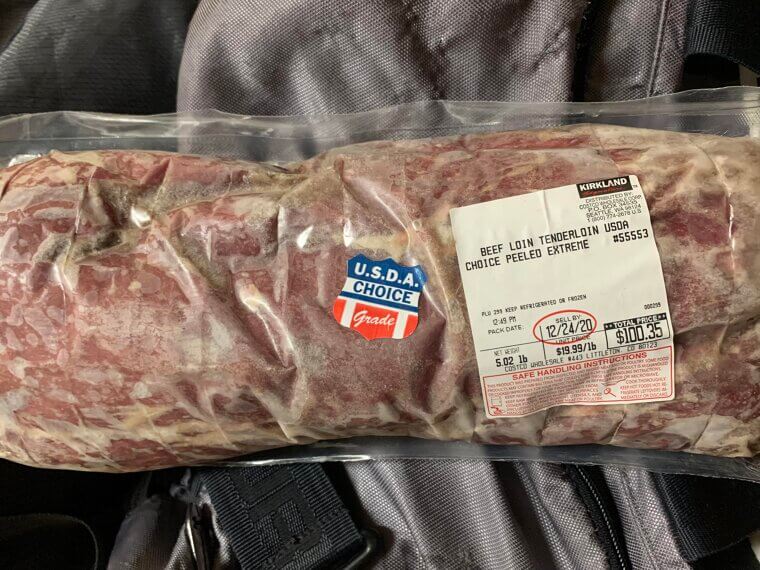
Defrosting meat in the microwave? That was simply unheard of, and defrosting meat on the counter was totally normal. You’d pull it out in the morning, set it on a plate, and trust the universe to do the rest. No apps, no timers, and, most importantly, no panic. Older adults also grew up without the strict food safety rules that were introduced, and the habit of defrosting meat on the counter stuck. Kids today would gasp in horror, but for many of us, it was just how it was done.
The Flour Sifter
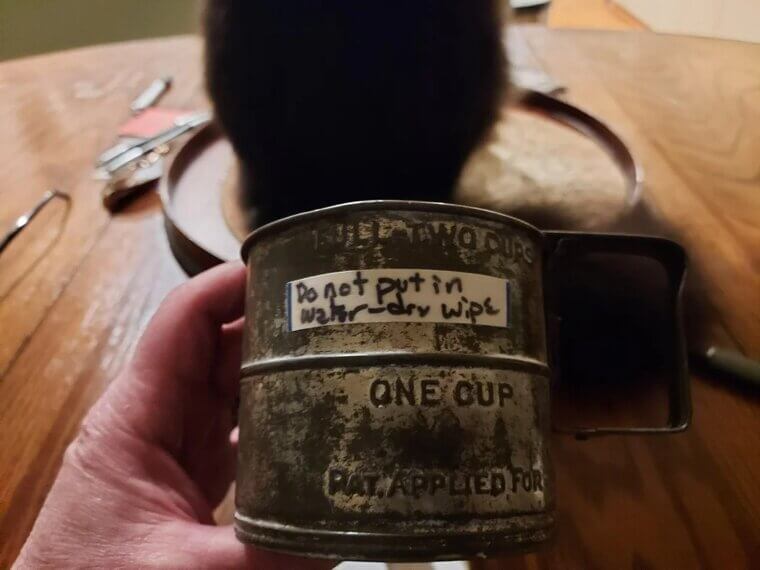
Using a flour sifter felt fancy, even on an ordinary day when your grandma was just baking bread. You filled it, squeezed the handle, and watched flour fall like fresh snow into the bowl. It added air and made baking feel official. Today’s kids rely on pre-sifted flour and skip the step entirely. Older adults enjoyed the ritual. It slowed things down and made baking feel like a craft, not a shortcut. Plus, that little cloud of flour made you feel like something magical was about to happen in the oven.
Sharpen, Don’t Replace
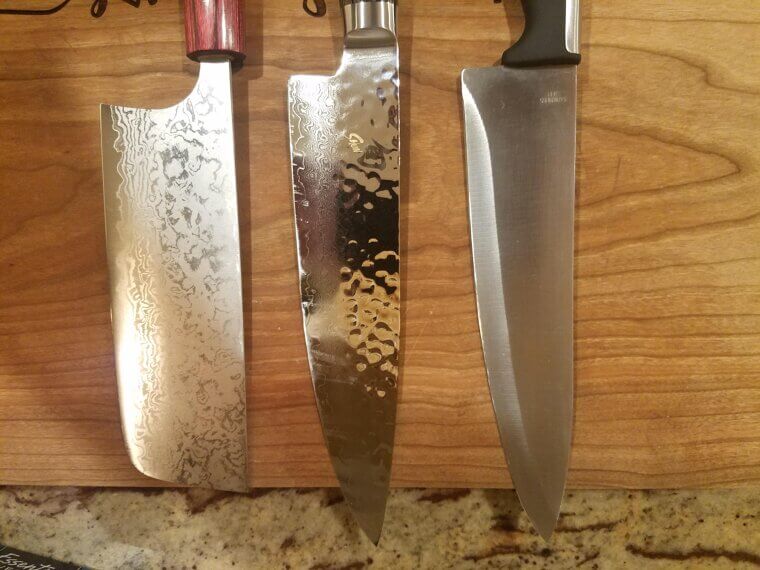
Replacing knives was unheard of back in the day. When knives got dull, older adults didn’t toss them away - they sharpened them. How, you ask? A steel rod or whetstone lived on the counter or in the kitchen drawer, waiting to be pulled out to sharpen Mom’s favorite knife that was feeling a bit dull. Kids today might buy a new knife set or use an electric sharpener, but back then, kitchen tools were made to last. People also cared for their tools by maintaining them and passing them down to younger generations.
The Aluminum Foil Era
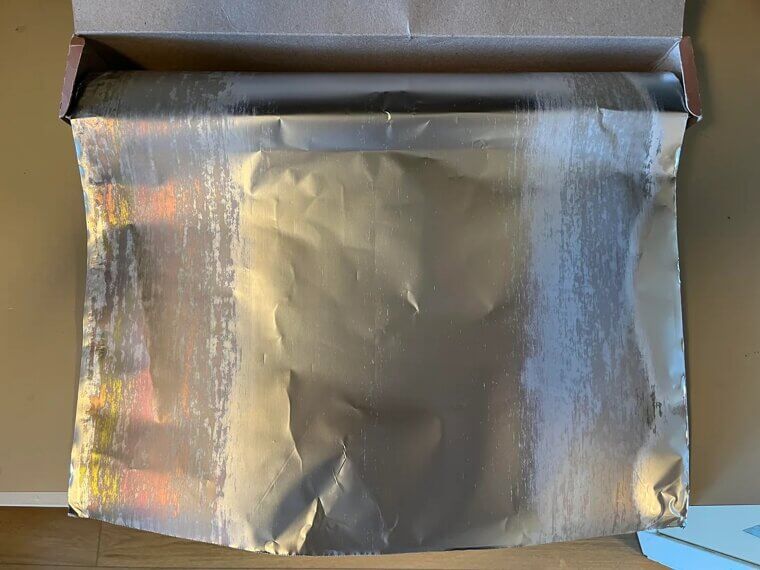
Leftovers in fancy containers? Unheard of! Back in the day, leftovers were wrapped in aluminum foil and popped back in the fridge. It was the unsung hero of most kitchens, and was used to cover plates and bowls, keep that half-eaten sandwich fresh, and to roast meat to perfection. You could also mold it into anything and reuse it if it still looked decent. All that mattered was that it worked. Today, kids reach for plastic containers with matching lids, thinking it’ll keep their food fresh forever. Spoiler alert: it won’t.
The “Good” China
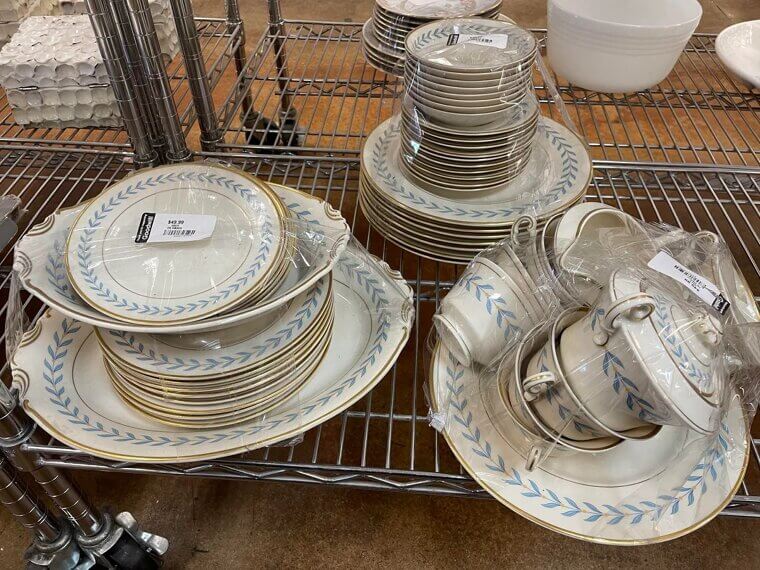
Every household had “good china.” And, for whatever reason, no one ever used it. Instead, it stayed locked away, waiting for holidays, guests, or a special occasion that very rarely came. Everyday meals came on sturdy plates that could survive a drop. Older adults believed special things should stay special. Using that china meant the company mattered and that you wanted to show them you cared. It was less about the plates and more about showing respect, even if they only came out twice a year before being packed away safely again.
Coffee That Took Its Time
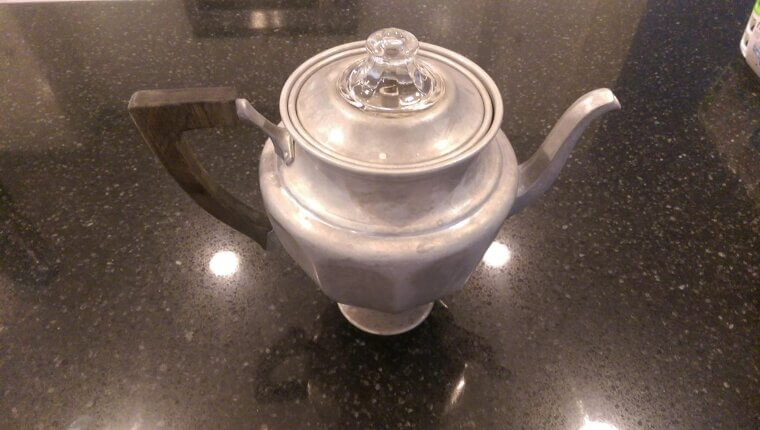
Before pods and buttons, coffee took a bit more effort to make. Grandma’s old stovetop percolator bubbled and steamed, all while filling the kitchen with that strong coffee smell. You waited patiently as your morning brew did its thing. Kids today want instant results, while older adults accepted the wait as part of their morning ritual. That coffee tasted bold, sometimes bitter, but always familiar and delicious. Making it felt like a morning routine, not a rush. And the sound alone meant the day had officially started.
The Rolling Pin
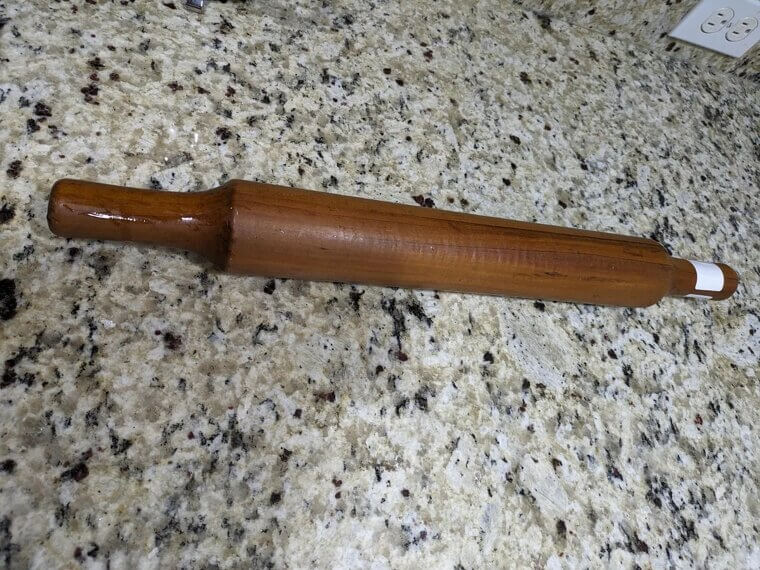
A rolling pin earned its place in the kitchen by doing way more than rolling dough. Older adults reached for it to flatten pie crusts, roll noodles thin, crush crackers for crumbs, and smash nuts without a second thought. Some even used it to gently pound meat when a fancy mallet wasn’t around. It stayed on the counter because it always came in handy. Kids today might grab a gadget for each job. Back then, one solid tool handled everything. If it rolled, crushed, or flattened, the rolling pin showed up and got it done.
Cast-Iron on Display
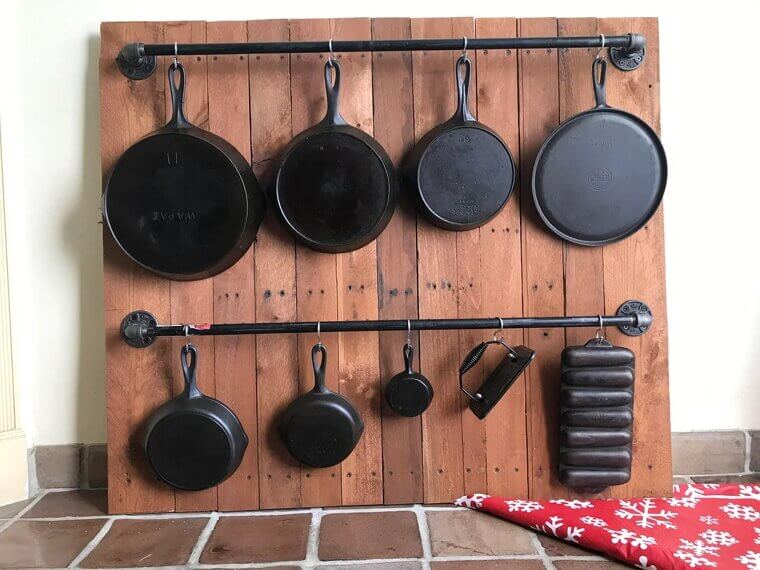
Hanging cast-iron pans on the wall wasn’t about style. Instead, it was about common sense. Those pans were heavy, tough, and used almost daily, so hiding them in a cabinet felt pointless. Older adults trusted cast iron because it lasted forever and cooked food evenly every time. A well-seasoned pan was a badge of honor, not something to tuck away. Kids today may store pans neatly out of sight. Back then, seeing pots on display meant real cooking happened there. It said, “This kitchen works hard.”
Butter on the Counter
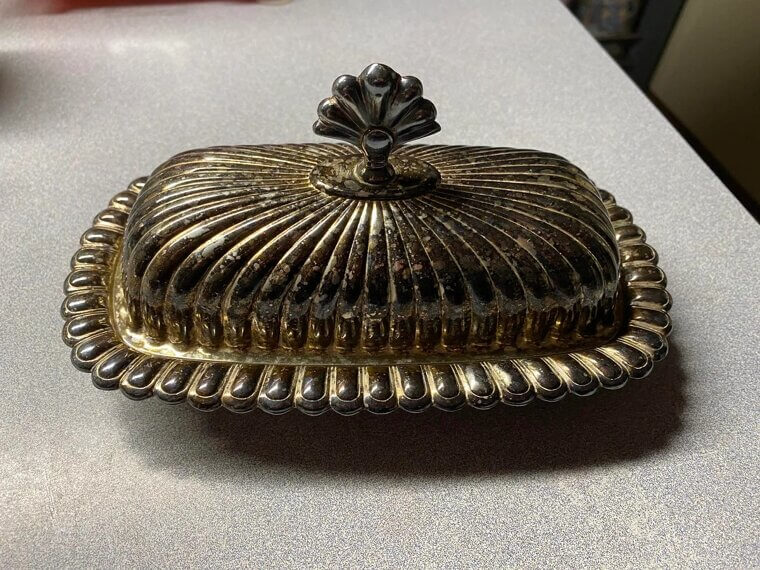
Butter lived on the counter in a proper dish, ready to go at all times. Older adults didn’t want to wrestle with cold butter that ripped bread to shreds. Soft butter meant easy spreading and happier breakfasts. Refrigerating it felt unnecessary because butter got used daily and never hung around long enough to be a problem. Kids today worry about rules and labels. Back then, it was a habit and experience. That butter dish stayed within arm’s reach and proved that not everything needs chilling. Sometimes, simpler really was better.
Soft Vegetables
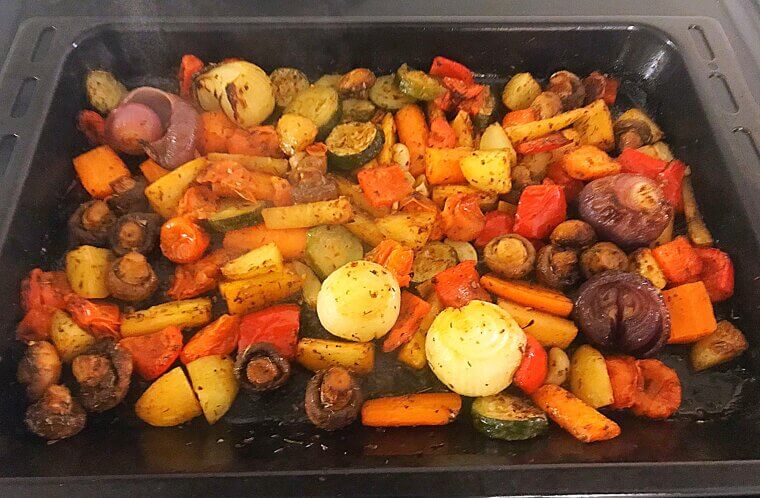
Back in the day, veggies didn’t crunch. They were cooked until soft, tender, and super easy to eat. This habit was born of necessity when meals were stretched to feed everyone. Bright colors and crisp bites weren’t the goal - feeding an army of children was. Today, kids expect vegetables to snap - if they eat them at all. Older adults, however, want comfort on a plate so they cook their vegetables for a long time to soak up flavor. Yes, it wasn’t pretty or fancy, but it worked.
Bread Heels to the Rescue
The end slices of bread - the heel - never went in the trash in the good old days. Those were saved for later because wasting food just wasn’t an option. They were dried out for stuffing, crushed for breadcrumbs, or tossed into meatloaf for a bit more fiber and binding. Today, we see the heel as useless. But, back then, that piece of bread was a future ingredient just waiting to be used. Every part of the loaf had value, and the habit of keeping it came from making the most of what you had and stretching the groceries as far as possible.