Factory Worker, 1960s
In the 1960s, factory work was widely considered one of the most reliable careers a person could choose. Manufacturing jobs offered steady pay, strong unions, health benefits, and pensions that promised security well into retirement. Many parents believed that once someone was hired at a plant, they would work there for life. These jobs often required little formal education, which made them accessible to a broad range of workers. Entire communities were built around factories, and families passed these jobs down through generations. Over time, automation, globalization, and outsourcing dramatically reduced manufacturing employment. Plants closed or moved overseas, leaving workers without the stability they were promised. For many who entered the workforce expecting lifelong security, retraining later in life became a necessity rather than a choice.

Auto Plant Engineer, 1960s
Auto plant engineers in the 1960s were considered part of a booming and dependable industry. The American auto sector dominated manufacturing, and engineers were seen as essential to innovation and growth. Parents encouraged technical education tied directly to auto plants, believing these careers would last a lifetime. Engineers expected steady advancement, long term employment, and strong pensions. Entire regions depended on automobile production for economic stability. Over time, global competition increased, automation reduced labor needs, and production shifted overseas. Many domestic plants closed or downsized, dramatically reducing engineering roles tied to specific facilities. Engineers who expected lifelong careers found themselves forced to relocate, retrain, or move into unrelated industries. The certainty once associated with auto plant engineering slowly eroded, despite decades of earlier success.

Newspaper Reporter, 1970s
In the 1970s, being a newspaper reporter was considered a serious and respected profession. Local newspapers thrived, circulation was strong, and journalism played a central role in community life. Parents encouraged strong writers to pursue reporting, believing newspapers would always need skilled professionals. Reporters expected stable jobs, clear career ladders, and long term employment with benefits. Advertising revenue supported large newsrooms, and full time positions were common. As technology advanced, the industry changed quickly. Print readership declined, advertising shifted online, and many local papers closed. Newsrooms shrank, workloads increased, and job security vanished. What was once a dependable career turned into a competitive and uncertain field, forcing many journalists to freelance, change careers, or leave journalism altogether.

Airline Ticket Agent, 1970s
In the 1970s, airline ticket agents were an essential part of air travel. Booking flights required in person assistance, and agents handled reservations, changes, and customer service. These roles were seen as stable, professional, and desirable, often offering strong benefits and discounted travel. Parents viewed airline jobs as reliable careers with long term potential. Over time, technology reshaped the industry. Online booking, self service kiosks, and mobile check in replaced many functions agents once performed. Airlines reduced staffing, closed ticket counters, and eliminated roles. Many agents were laid off or reassigned to lower paying positions. The career path that once felt secure became limited, surprising those who believed airline work would always provide stability.

Travel Agent, 1980s
During the 1980s, travel agents were central to booking vacations and business trips. Flights, hotels, and packages required access to systems unavailable to consumers. Becoming a travel agent promised steady commissions and long term client relationships. Parents viewed the role as professional, organized, and future proof. Agents acted as trusted advisors who handled complex itineraries and solved problems. The rise of online booking platforms changed the industry completely. Consumers gained direct access to reservations and pricing, and airlines reduced commissions. Many agencies closed, and job opportunities shrank rapidly. While some agents survived by specializing in niche travel, the broad career path that once existed largely disappeared, defying expectations of long term stability.

Bank Teller, 1980s
In the 1980s, bank tellers were viewed as trusted professionals with stable careers. Banks expanded their branch networks, foot traffic was high, and tellers handled daily financial transactions. Parents believed bank jobs offered security, benefits, and advancement opportunities. Many expected to build entire careers within a single institution. Technology gradually transformed banking. ATMs reduced the need for in person services, while online and mobile banking further cut traffic. Branches closed, staffing levels dropped, and teller roles became fewer. Although banks still operate, the teller position no longer offers the same long term security. What once felt like a dependable career became more limited and less stable.

Insurance Claims Adjuster, 1980s
In the 1980s, insurance claims adjusters handled cases manually, relying on experience, judgment, and in person assessments. The role was considered stable, professional, and well suited for long term employment. Parents often viewed insurance work as safe and reliable. Over time, automation reshaped the field. Software began handling evaluations, claims processing, and documentation. Companies outsourced work and reduced staff. Adjusters managed higher workloads with fewer colleagues, and job security declined. The profession changed significantly from what earlier generations expected.

Corporate Middle Manager, 1990s
In the 1990s, becoming a corporate middle manager was widely seen as proof that someone had made it. These roles came with private offices, decision making authority, and the belief that steady advancement would follow. Many workers were taught that loyalty, long hours, and patience would be rewarded with long term job security. Middle managers acted as the bridge between executives and frontline employees, overseeing teams and enforcing company strategy. Over time, corporate priorities shifted. Companies flattened their organizational structures, reduced management layers, and relied more heavily on technology and outside contractors. Middle managers were often the first to be cut during reorganizations, viewed as expensive and replaceable. Many found themselves laid off despite years of service. The role that once represented stability became one of the most vulnerable positions in modern corporations.
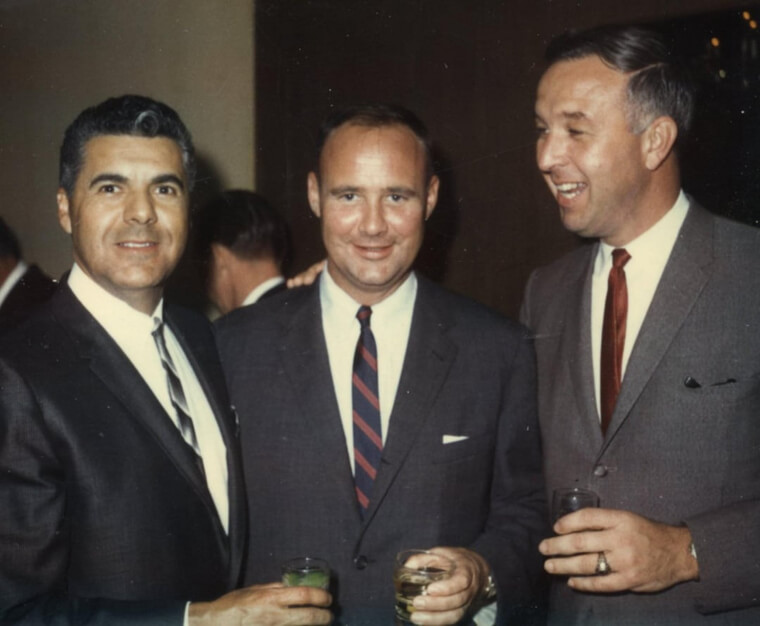
Retail Store Manager, 1990s
In the 1990s, retail store management offered what looked like a dependable and upwardly mobile career. Large chains expanded rapidly, opening locations nationwide and promoting from within. Store managers earned steady salaries, benefits, and performance bonuses. Many expected to move into district or regional roles over time. The growth of online shopping fundamentally changed retail. Foot traffic declined, margins tightened, and stores closed at a rapid pace. Managers faced longer hours, higher pressure, and fewer resources. Staffing levels dropped, leaving managers to cover gaps themselves. Advancement opportunities shrank as corporate structures tightened. Many stores were eventually shuttered altogether. What once felt like a stable career path turned into a demanding role with little security, challenging the belief that retail management offered long term reliability.

Video Rental Store Manager, 1990s
Managing a video rental store in the 1990s felt like being part of a growing, modern industry. Stores were busy every weekend, new releases drove consistent traffic, and customers returned regularly. Managers handled staffing, inventory, and promotions, and many believed the role could lead to regional management or corporate positions. Parents saw it as a practical retail career tied to entertainment, not a passing trend. The arrival of mail order DVDs and streaming services changed everything. Customer visits dropped quickly, late fee revenue disappeared, and stores began closing in waves. Entire chains shut down within a few years. Managers who expected steady careers found themselves job hunting almost overnight. What had seemed like a safe, contemporary profession vanished faster than most people thought possible.