Ignoring Minor Knee Pain
Just about all of us experience knee discomfort every now and again. However, we often ignore it, believing that it will go away on its own. It is easy to brush off a dull ache after a long day or a strange twinge when standing up. Over time, that mindset can quietly create bigger problems. Knee pain is not something most people are meant to live with, and even mild discomfort can change how you walk, stand, or move without you realizing it. Those small adjustments add up. Ignoring the signals your knees send can slowly wear them down, especially when the same habits repeat every day. What feels harmless in the moment can turn into long term frustration simply because it was dismissed too often.

Sitting for Long Periods
This one may sound a bit contradictory, but sitting for long periods of time can actually lead to deteriorated knee cartilage through weakened muscles. More so, poor circulation during extended sitting contributes to stiffness and joint discomfort. To prevent this, it's recommended to take small walking or stretching breaks a few times every hour.

Carrying Excess Weight
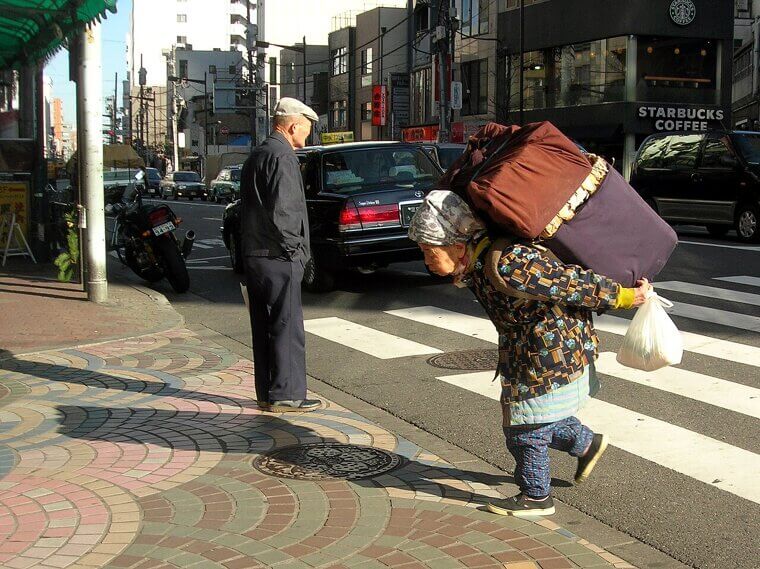
While carrying a backpack or heavy shopping bag may seem harmless, every kilogram actually adds significant stress to the knee joint. Over time, this can accelerate cartilage breakdown, which, in turn, increases your risk of developing osteoarthritis. Heavy loads should be avoided as much as possible. However, if necessary, be sure to lift using the proper technique.
Skipping Warm-Ups and Cool-Downs
The importance of proper warm-up and cool-down routines is often overlooked - even by elite athletes. Starting a workout without preparing the muscles and joints can strain ligaments and cartilage. Skipping the cool-down will result in addition stiffness and tighter muscles. Even 5 to 10 minutes of stretching can make a massive difference.
Wearing the Wrong Shoes
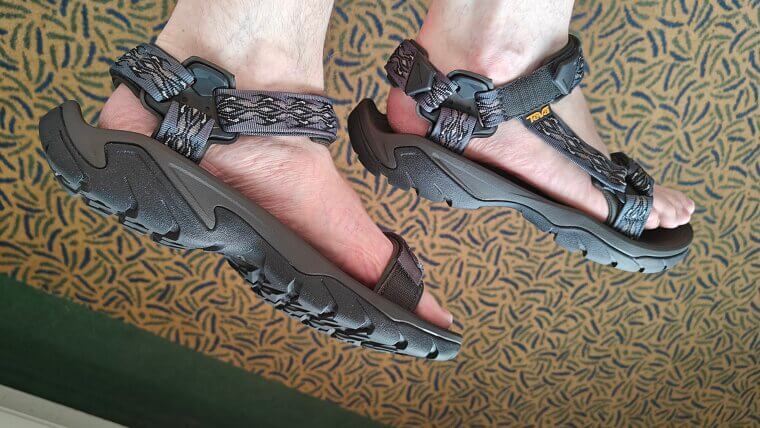
Footwear ultimately affects how forces are transmitted up the leg to the knees. If you choose shoes that offer minimal support and structure, your knees will bear the brunt and, over time, they will start to suffer. As a result, experts recommend wearing supportive and cushioned footwear, particularly during prolonged standing or exercise.
Poor Posture When Standing or Walking
Misalignment caused by slouching, uneven weight distribution and poor postue in general increases the amount of stress placed on the knees. Over time, this can lead to pain in the knees, hips and lower back. While improving your posture may be difficult, it is possible through strengthening exercises and stretching.

Climbing Stairs or Squatting Excessively
Repeated high-stress movements, such as climbing stairs or squatting, can exacerbate wear on the patella and surrounding cartilage. While these activities are a part of daily life and, in many cases, impossible to avoid, excessive or improper form increases the risk of joint damage and cartilage deterioration.

Not Strengthening Supporting Muscles
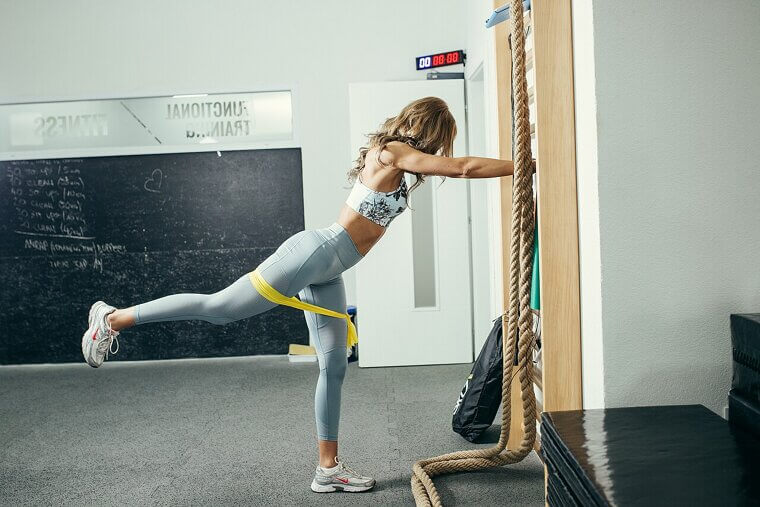
Weakness in the thighs, hips, core and other surrounding muscles leads to strain on the knees. More so, muscle imbalances can cause one muscle group to work harder than another, pulling the joint out of alignment and leading to additional wear and tear on the cartilage.
Overtraining or High-Impact Workouts
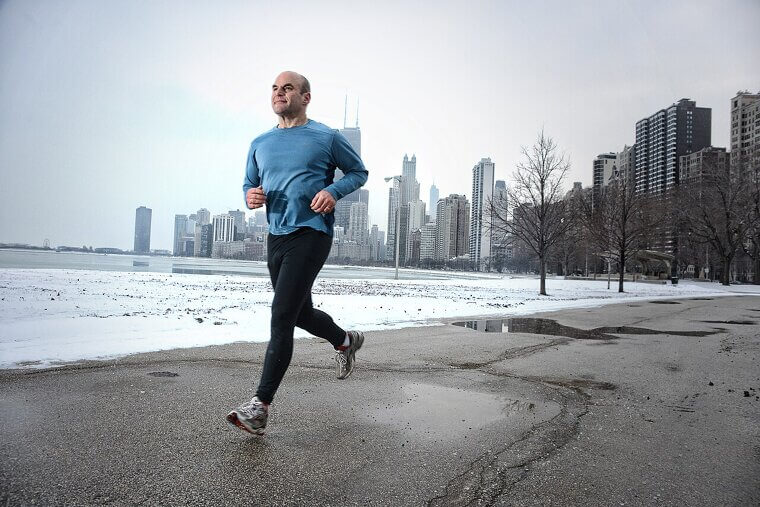
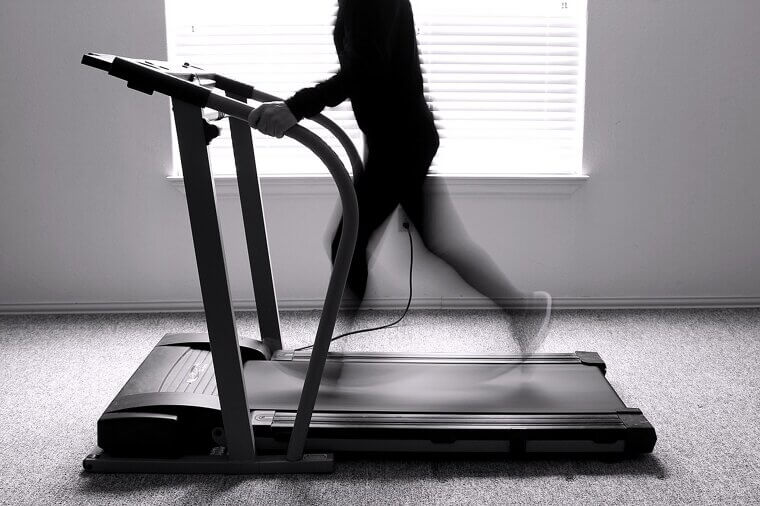
High impact exercise, such as running, can lead to significant wear and tear on the joints and surrounding cartilage. Hard surfaces are particularly problematic, as they offer little to no absorbtion. Because of this, experts often recommend incorporating low-impact exercise into your training schedule. Not only will this give your joints a much needed break, but it will also help boost your overall fitness and strength.
Poor Lifting Techniques
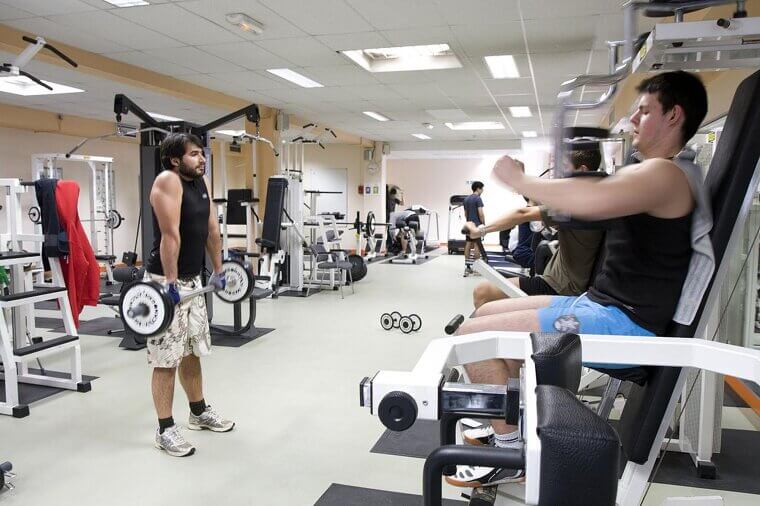
While strength training can improve your overall joint health, improper form places additional strain on the knees. For example, bending at the waist instead of the knees strains the surrounding ligaments and muscles, increasing your chances of developing an injury. More so, the additional weight can compact your joints, leading to cartilage deterioration.
Unhealthy Eating Habits
Diet plays a major role in your overall joint and muscle health. Consuming foods high in refined sugars, processed meats and unhealthy fats leads to systemic inflammation - which is problematic for a number of reasons. For example, it attacks joint tissues, including the cartilage, making it brittle and accelerating breakdown.

Drinking Alcohol Excessively
While there is nothing wrong with having a glass of wine every now and again, excessive drinking can lead to a domino effect in the body. The alcohol triggers the release of pro-inflammatory markers throughout the body. These directly attack joint tissues, worsening any pain, swelling and stiffness. As a result, even the smallest of injuries can end up causing intense pain.

Exercising Through the Pain
The fitness industry promotes the idea of 'no pain, no gain'. However, this mindset can be incredibly harmful to your body. Many athletes simply exercising through the pain - even when it causes severe damage to the muscles, joints and cartilage. Over time, your body will eventually start to break down from years of abuse, leading to irreversible damage.

Kneeling
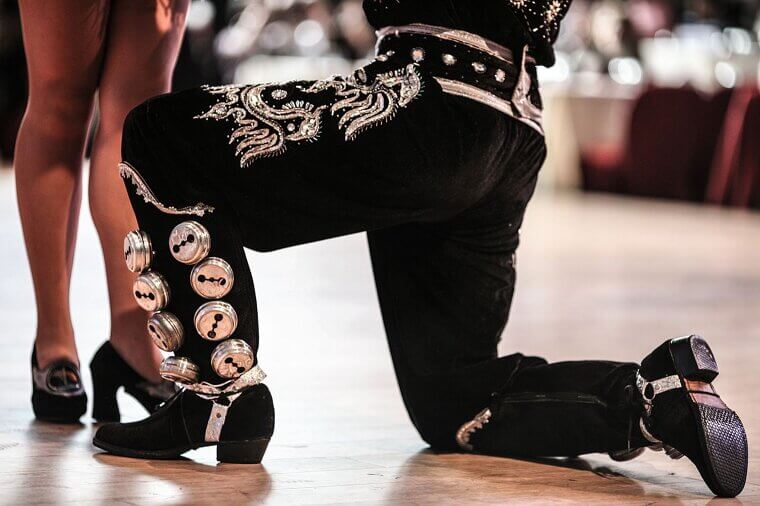
While kneeling may seem harmful, it places a lot of strain and pressure on the knees. The action becomes particularly problematic when done repetitively, for prolonged periods of time or on hard surfaces. When you kneel, the kneecap is compressed against the femur, creating a high contact pressure and excessive wear and tear.
Walking in High Heels
High heels ultimately shift your center of gravity forward. This forces the knee to hyperextend, increasing the compressive force on the knee joint by almost 30%, leading to accelerated wear and tear on the surrounding cartilage.

Skipping Non-Contact Sports
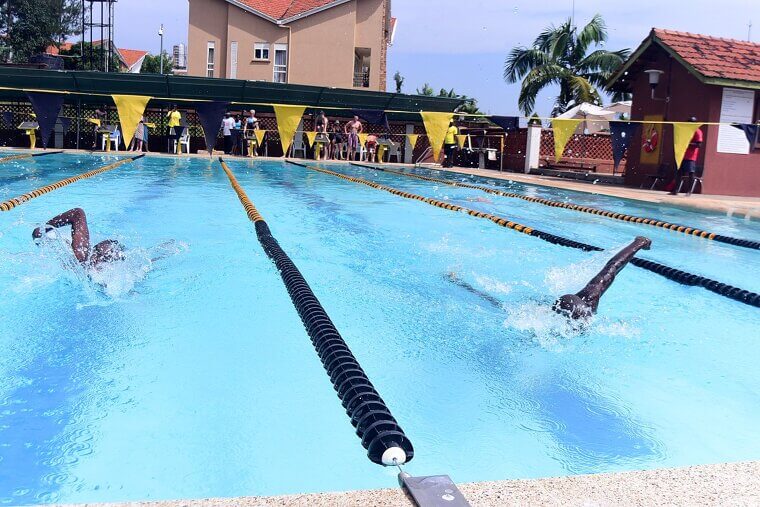
Many people simply stop all forms of exercise when they feel knee pain. However, completely unloading the knee isn't always the way to go. Instead, non-contact sports, such as swimming and cycling, provide a safe and effective alternative to keeping the body moving, while still easing off on any high-impact movements.
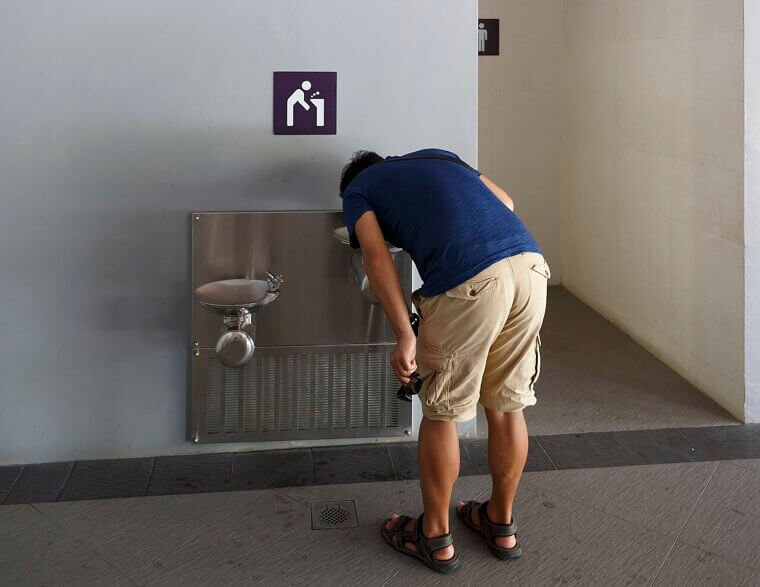
Not Prioritizing Good Hydration
This may be surprising, but cartilage is actually made up of 80% water. Chronic dehydration makes the synovial fluid in the cartilage thicker and less effective, reducing its cushioning and overall resilience.
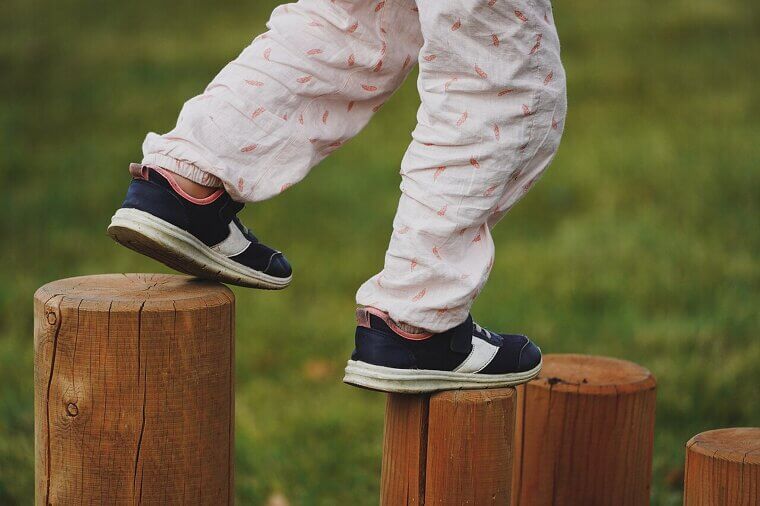
Neglecting Balance Training
Balance training is highly beneficial for both knee health and cartilage protection. Balancing exercises teach the muscles to control the forces going into the joint. This prevents the knee from collapsing inward or twisting, which can be particularly damaging on the cartilage.
Standing for Long Periods
When you stand, your body weight is fully supported by your joints. Static standing can be particularly harmful, as the knee is placed under constant stress, without the brief respite that comes with shifting your weight when walking. Over time, your cartilage will start to wear down, leading to joint pain.