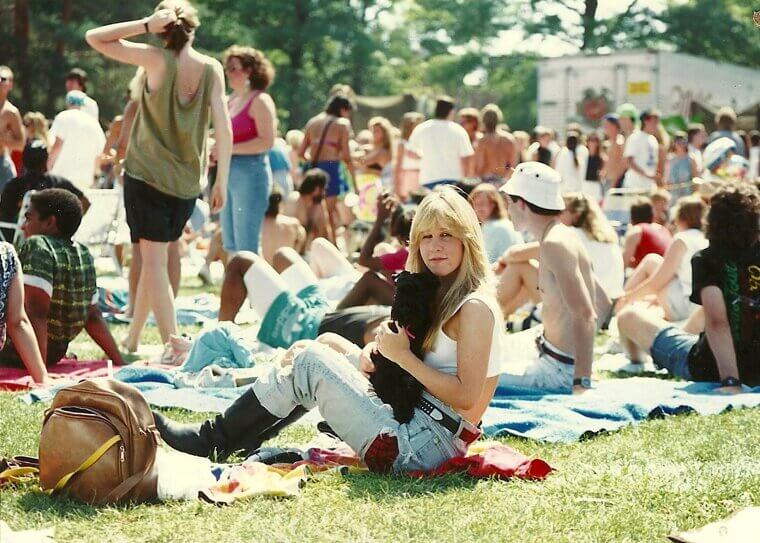
You Learn to Be Independent Early
In the 70s, kids wandered the neighborhood without anyone hovering. You navigated situations, made choices, and handled small problems on your own. That early independence made people tend to figure things out before asking anyone for help. Whether it was getting home before dark, settling minor disagreements, or fixing a small mistake, you learned through experience rather than instruction. There was an expectation that you would adapt, use common sense, and accept the consequences if things went wrong. Over time, this hands-off upbringing built confidence and resilience. Many people carried that mindset into adulthood, trusting their ability to handle challenges without constant guidance or reassurance.
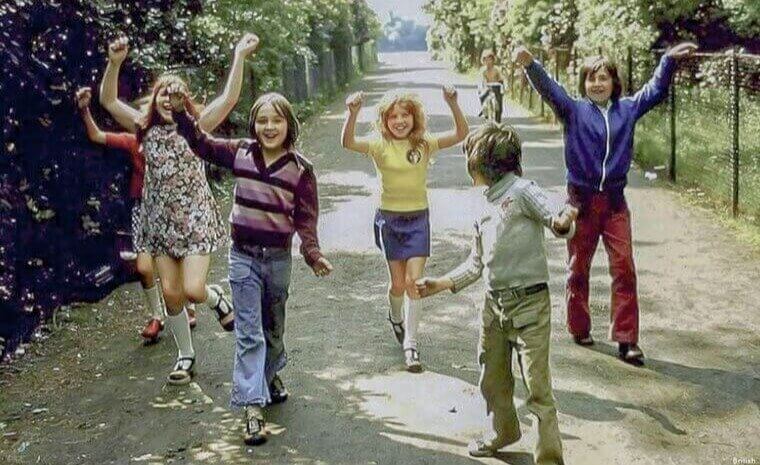
You Can Entertain Yourself
If you were a kid in the '70s, you learned to entertain yourself. You couldn't stream back then, and there were no tablets. All you had was your imagination and whatever was lying around the house. Being bored forced creativity, and to be honest, it made us pretty resourceful.
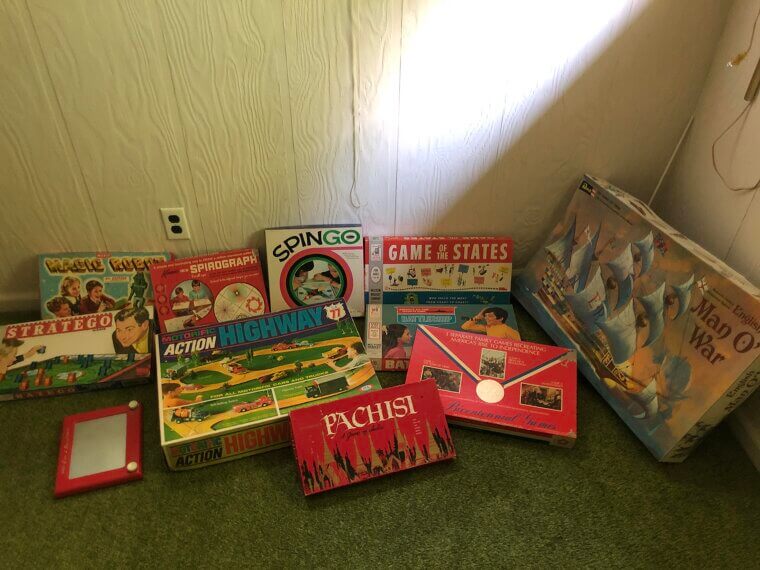
You Respect Other People’s Time
When someone said they would pick you up at four, that meant four. There were no texts to keep you updated and no "running late" excuses. Being a child of the '70s taught you to arrive on time, as that is how you showed people respect.

Wasting Food Is Not An Option
There was no such thing as leftovers. If there was food on your plate, you finished it. Parents would remind you that food costs money and you can't just throw it away. That belief followed many of us into adulthood.

You Appreciate Quiet Moments
Kids played outside for hours, and homes were often peaceful inside. Without all the noise from screens, you learned to enjoy silence. It made you more comfortable with your own thoughts. Even today, a '70s kid can sit on a porch and enjoy a cup of coffee, and it would somehow feel special.

You Learn How to Fix Things Yourself
If you broke something, you didn’t replace it. You grabbed a screwdriver or tape and tried to fix it. This taught us to be confident and solve our own problems.

Money Doesn’t Grow on Trees
If you were a kid in the '70s, you probably heard this phrase at least a hundred times. You learned how to save, be grateful for what you have, and think twice before spending. It taught us patience, responsibility, and the golden rule of life: treat money with some respect.

You Learn to Be Home Before Dark
Streetlights were the universal curfew for kids. Streetlights were the universal curfew for kids. Nobody called or tracked you down. You just knew it was time to come home when the sky changed colors.

You Learn to Solve Problems Without Google
If you needed to know something, you asked one of your neighbors, looked in a book, or figured it out yourself. Growing up that way made you good at critical thinking.

You Learn to Share Everything
Families were larger than they are today, bedrooms were shared, and snacks or other food items were split evenly, or there'd be a fight. Sharing wasn’t a suggestion. It was survival. This habit carried into many of our adult lives, as we effortlessly offer food, tools, or assistance without being asked.

Waiting Is Normal
Want to re-watch your favorite show? Tough luck, you had to wait for the rerun. Want to talk to a friend? You had to hope the phone line was free. The pace of life was slower, and you learned patience in a way kids today rarely experience.
You Learn to Stand Up for Yourself
The schoolyard had its own rules, and you figured them out quickly. You learned to speak up, walk away, or handle conflict without adult intervention. It wasn’t always perfect, but it did build confidence and thick skin.
Fairness Isn’t Guaranteed
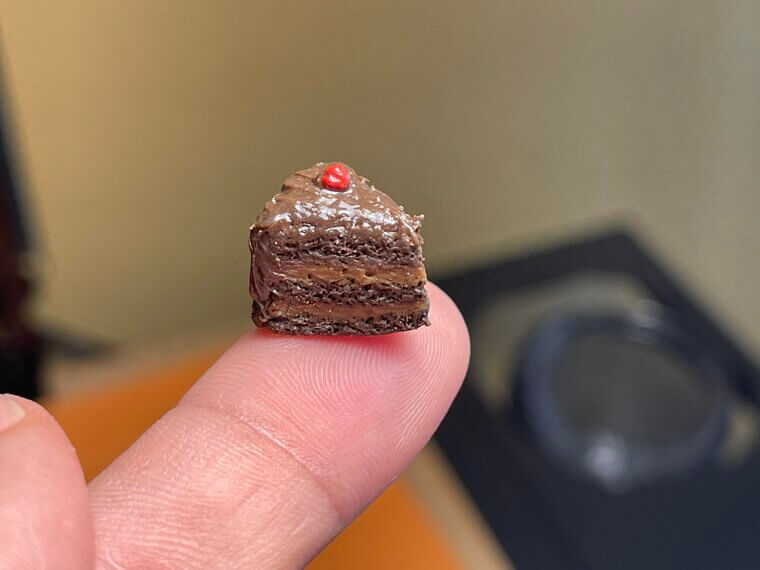
The ‘70s taught you quickly that not everything goes your way. Maybe you lost a game or had to take the smaller slice of cake. You learned that life isn’t perfectly fair, and that’s okay. It made most of us tougher and better at rolling with whatever comes your way.
You Learn That Life Doesn’t Need to Be Rushed
The pace of life was slower in the ‘70s, and you absorbed that rhythm. People talked longer, walked slower, and didn’t feel pressured to multitask every second. That taught you to enjoy the moment instead of chasing constant productivity.
You Learn to Stretch a Dollar
Money was tight for a lot of families, so kids learned early how to make things last. Clothes were patched, toys were handed down, and treats were rare. That mindset followed many into adulthood, making them smart with budgeting.

Know When to Hold Your Tongue
In the ‘70s, you learned pretty fast that not every thought needs to be spoken. Saying the wrong thing at the wrong time usually came with consequences. It taught you to pause, think, and choose your words wisely. It’s still one of the most useful adulting skills many of us have.

Chores Are Part of Life
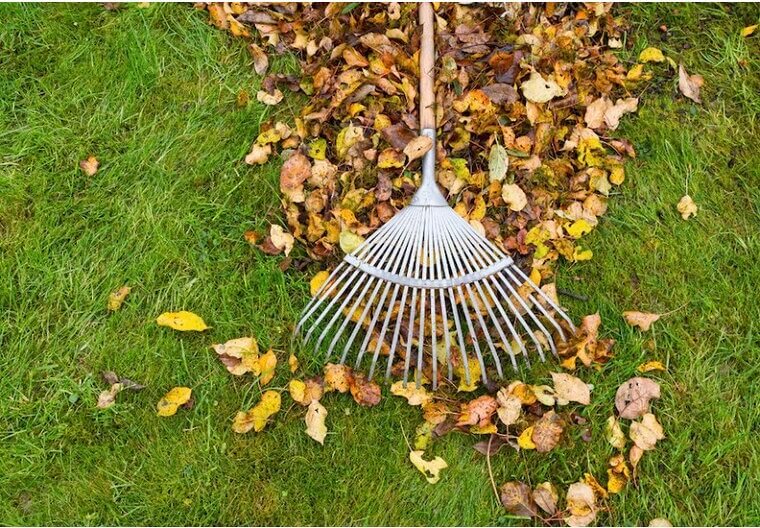
Everyone had daily jobs, such as cleaning, raking, and helping in the kitchen. No one got paid. It was simply what you did. '70s kids learned responsibility and teamwork long before adulthood, and most still keep tidy homes because of it.
You Learn to Respect Adults
Adults had authority, including teachers, neighbors, and pretty much any grown-up. You didn't talk back to adults unless you wanted to have a long conversation later. A lot of kids who grew up in the '70s still say “sir” and “ma’am” without thinking.

You Appreciate Simple Joys
A cold popsicle, a backyard sprinkler, or a Saturday morning cartoon could make your entire day. Life didn’t have to be grand. That simplicity made '70s kids easy to please. Even now, simple delights feel like huge victories.

You Learn to Make Do With What You Have
If you didn't have the right toy, you had to make things work. Cardboard boxes became spaceships. Sticks became swords. You learned creativity from necessity. That mindset still shows up today when we turn random household items into a quick solution without thinking twice.

Hard Work Pays Off
Whether it was chores, school, or a summer job, you learned early that effort equals results. Nothing showed up on a silver platter, and that taught you discipline. Decades later, you still carry that work ethic, knowing that sticking with something usually pays off in ways that matter.

You Learn That Nature Is a Playground
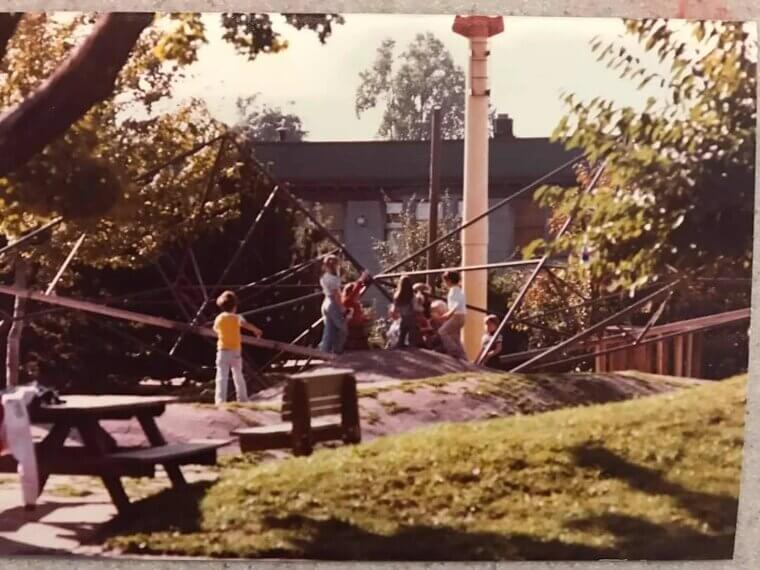
Kids spent hours outside climbing trees, building forts, and exploring trails. There were no organized activities every afternoon. You learned curiosity, courage, and how to appreciate fresh air.

Solve Problems Yourself First
In the ‘70s, you didn’t run to an adult for every little issue. You tried to sort it out on your own. That taught you to troubleshoot before asking for help. It’s why you still tend to take a breath, think things through, and fix problems with a calm mindset.
You Learn to Handle Disappointment
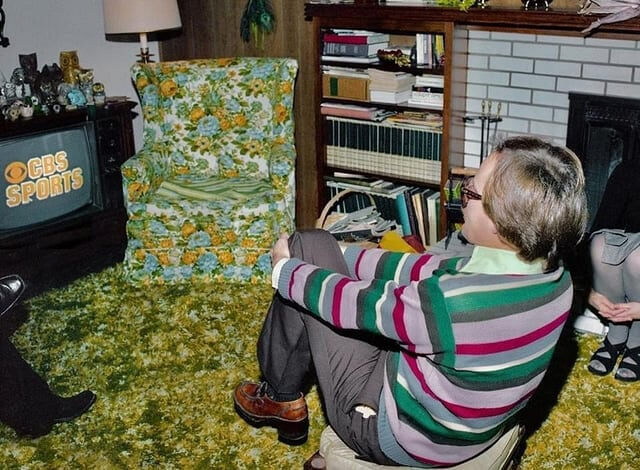
If something didn’t go your way, there was no smoothing it over with instant alternatives. Missed your show? Too bad. Didn’t get the toy you wanted? You moved on. And this helped build resilience.

You Value Personal Space
Because it was so common to share rooms, couches, and nearly everything else with other people, personal space became precious. Consequently, you learned to respect other people's boundaries because you know how important it is. By being aware of others, many people who grew up in the ‘70s were able to provide other people with space when they needed it.

Tough Conversations Matter
People did not sugarcoat things in the ‘70s. Adults were honest with you, and you learned how to take the truth without being upset. This taught us not to shy away from tough conversations, as we learned that dealing with things upfront prevents small problems from turning into bigger, messier situations.

Friendship Takes Effort
Friendships in the ‘70s had to be maintained the old school way. You showed up, talked things out, and made time for people. No texting or quick apologies. You learned that strong friendships need real effort, and that the best ones grow because both sides choose to keep showing up.
You Learn to Trust Your Instincts
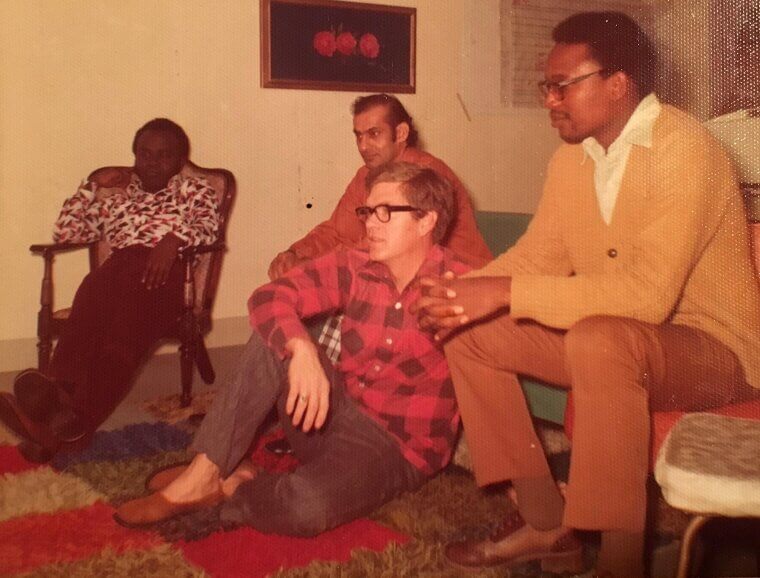
Without constant guidance or digital advice, you often had to rely on your gut. In choosing friends, solving problems, or understanding people, you learned to listen to your instincts. That confidence followed us through life and still helps us make wise decisions.

Not Everything Needs to Be Perfect
Life in the ‘70s wasn’t curated or filtered. Your projects, outfits, and handwriting were often imperfect, and nobody cared. You learned to enjoy life without obsessing over perfection. That lesson pays off today when things get stressful, and you remember that good enough really is good enough.

Confidence Comes From Trying
You didn’t become confident by being told you were amazing. You became confident by trying stuff, failing, figuring it out, and trying again. The ‘70s taught you that bravery grows through experience. Every scraped knee and awkward moment built a kind of confidence you still carry around.
When Plans Change, You Adapt
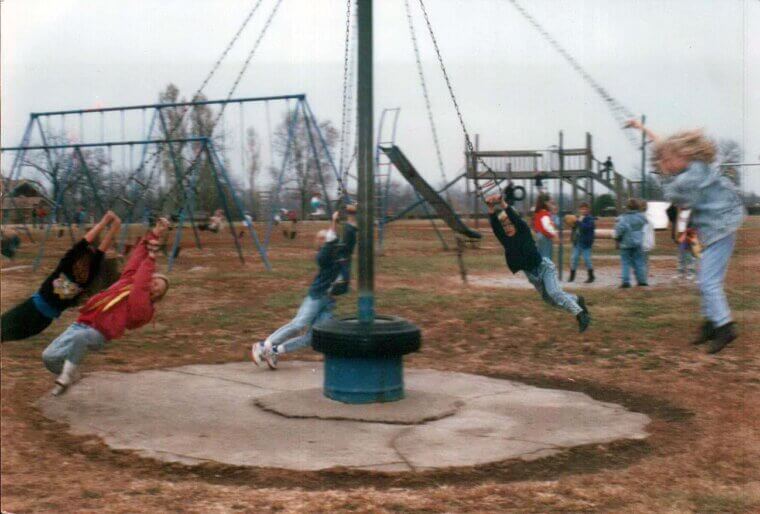
Back then, plans shifted constantly. Maybe a ride fell through or the weather ruined your afternoon. You learned to roll with it. That flexibility helped you handle curveballs as an adult without getting rattled.

Respect Other People’s Stuff
If you borrowed something in the ‘70s, you returned it in the same condition or better. That was just good manners. Children were taught to respect personal belongings and take care of what they use.

Listen More Than You Speak
Older folks in the ‘70s had stories for days, and listening was part of the deal. You learned that paying attention teaches more than talking ever will. It made you a better friend, a sharper thinker, and someone who knows when silence is the smartest choice in the room.

You Learn to Talk to People Face to Face
Without texts or social media, conversations happened in person. You learned eye contact, tone, and how to navigate awkward moments. Those skills stayed with you, and you often feel more comfortable talking directly rather than hiding behind a screen.
You Appreciate the People Around You
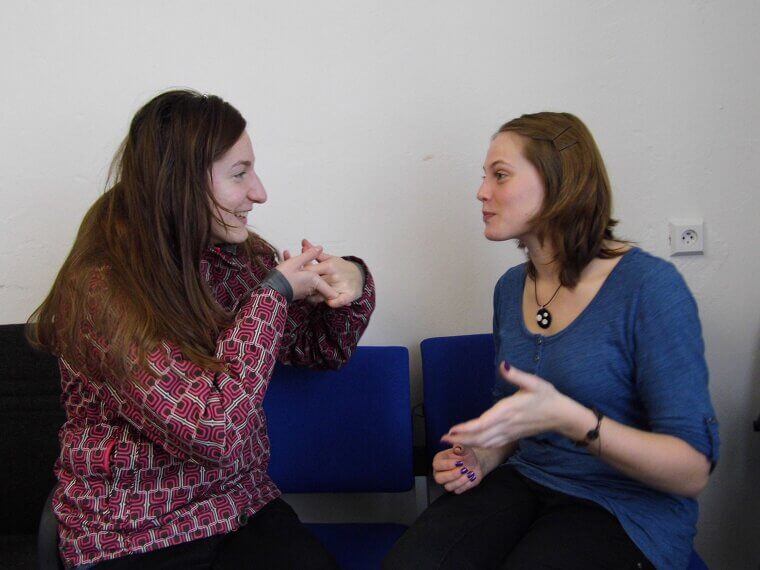
Life in the ‘70s revolved around family, neighbors, and friends. You learned to value your circle because they shaped your world. Whether it was sharing meals or helping with projects, community mattered.