Everyday Home Habits That Quietly Became Against the Law
For many people, the way their parents ran the household felt normal, practical, and harmless. Rules were loose, safety standards were different, and enforcement was rare or nonexistent. Over the years, building codes, safety laws, environmental rules, and child protection standards quietly changed. Many everyday household practices that once raised no concern are now regulated, restricted, or outright illegal in many areas. Some of these changes happened gradually, while others came after accidents or health studies. As a result, things that once seemed like common sense or simple convenience are now violations that can result in fines, failed inspections, or legal trouble.

Burning Trash in the Backyard
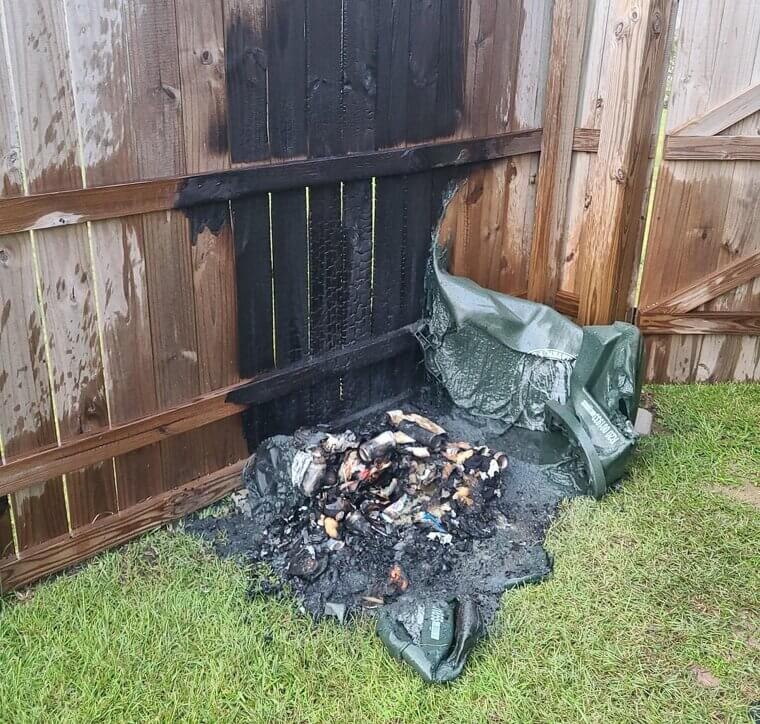
Many families once burned household trash in barrels or backyard pits to reduce garbage buildup. It was common in rural areas and even suburban neighborhoods. Today, many cities, counties, and states restrict or ban burning household waste due to air pollution, toxic fumes, and fire risk. Plastics, treated paper, and household chemicals release hazardous substances when burned. Fire departments now respond quickly to smoke complaints, and neighbors often report violations. Even where some burning is allowed, it is usually limited to untreated yard waste and requires permits or seasonal approval. Burn bans are common during dry weather, and fines can be issued for violations. What once felt like a simple weekend chore can now result in penalties, safety concerns, and environmental harm. Modern waste systems exist to reduce these risks and protect community air quality for everyone involved today.
Letting Kids Roam Unsupervised
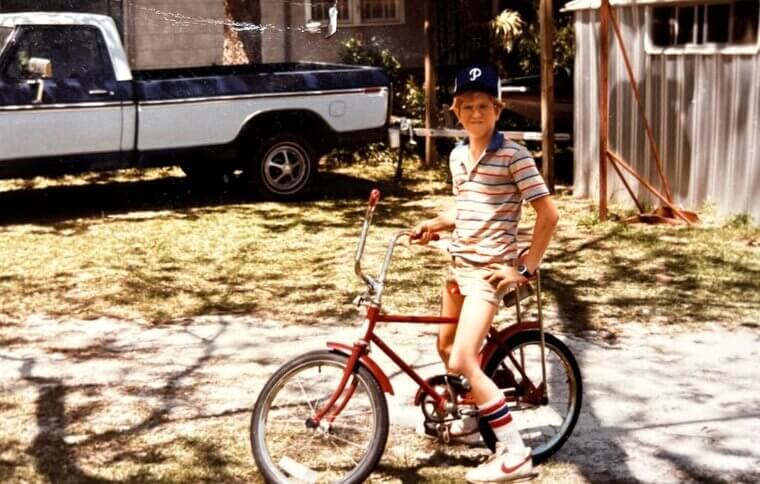
Growing up, many children spent hours outside without adult supervision. Parents expected kids to ride bikes, explore neighborhoods, and return home by dark. Today, supervision standards are stricter in many places. Leaving young children unattended at home, in yards, or near public areas can trigger police involvement or child welfare reports. Some states set minimum age guidelines for being left alone. Even where laws are vague, authorities assess situations based on age, maturity, and environment. Accidents, injuries, or neighbor complaints can escalate quickly. Schools, camps, and activities also enforce pickup rules with legal consequences. What once felt like normal independence can now be viewed as neglect under modern standards. Parents are expected to provide clearer oversight, safety plans, and communication tools. These changes reflect shifting expectations around child safety and community responsibility today.
Doing Electrical Work Without Permits
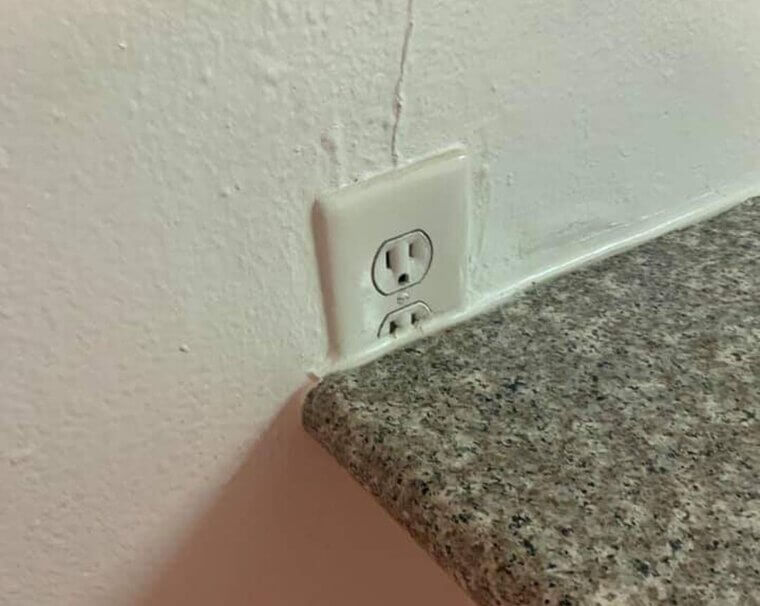
Decades ago, homeowners often replaced outlets, added fixtures, or ran wiring without permits. It was considered basic do it yourself maintenance. Today, electrical codes are enforced more strictly. Many jurisdictions require permits and inspections for anything beyond simple replacements. Improper wiring increases fire risk, especially when circuits are overloaded or wires are mismatched. Problems may not appear immediately, but can surface years later. If inspectors discover unpermitted work during renovations or home sales, homeowners may be forced to open walls, redo wiring, and pay fines. Insurance claims can also be denied if fires are linked to unapproved electrical changes. Licensed electricians cost more, but they follow code, document work, and reduce liability. What once saved money can now create serious legal and financial consequences for homeowners.
Using Lead Based Paint Indoors
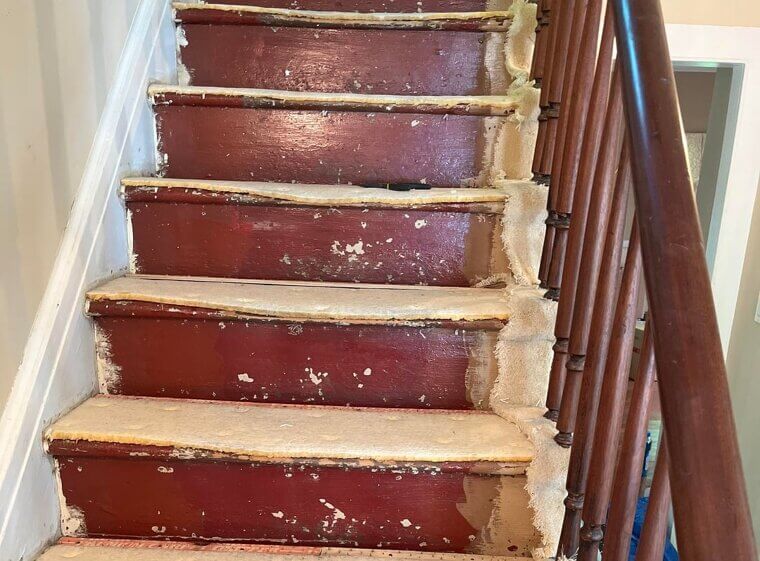
Lead based paint was widely used in homes built before the late 1970s. Parents painted walls, furniture, and trim without concern. Today, lead paint is banned for residential use due to serious health risks, especially for children. Lead exposure can cause developmental delays, learning problems, and long term health issues. Renovating older homes now requires testing, disclosure, and special handling procedures. Improper removal or disturbance of lead paint can result in fines and legal penalties. Contractors must be certified to handle lead safely. Homeowners are responsible for compliance, even if they perform the work themselves. What was once a routine home improvement task is now tightly regulated. These rules exist to reduce exposure and protect families from hazards that were poorly understood in earlier decades.
Dumping Chemicals Down Drains
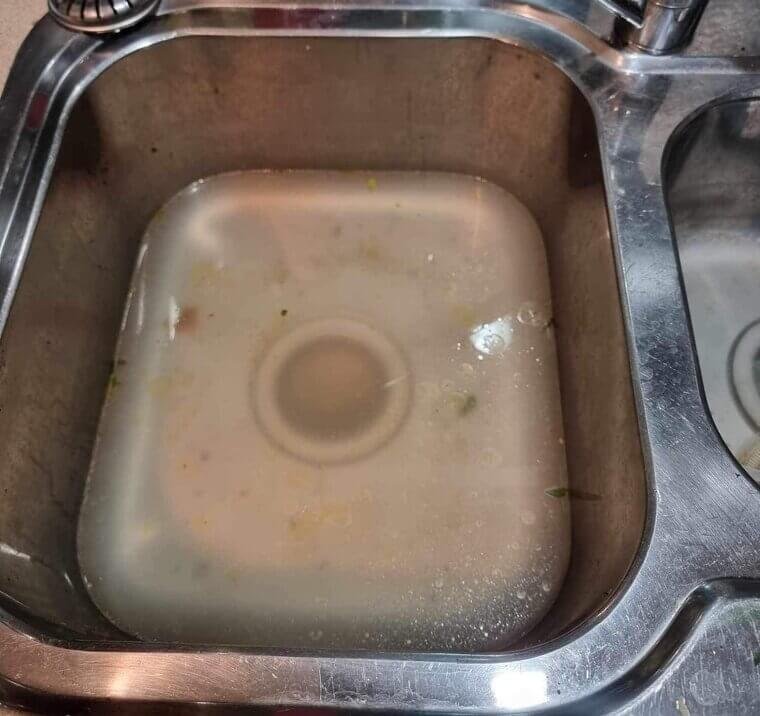
Many households once poured old paint, solvents, oils, and cleaning chemicals down sinks or storm drains. It was seen as quick and harmless. Today, hazardous waste disposal laws prohibit this practice in most areas. These substances can contaminate water systems, damage pipes, and harm wildlife. Municipal systems are not designed to filter toxic chemicals safely. Many cities now require hazardous materials to be taken to designated disposal sites. Improper disposal can result in fines or environmental violations. Even small amounts dumped regularly can cause cumulative damage. What once felt like convenient cleanup is now recognized as a serious environmental risk. Modern disposal programs exist to prevent pollution and protect public water supplies. These changes reflect increased awareness of long term environmental consequences from everyday household actions.
Building Backyard Structures Without Permits
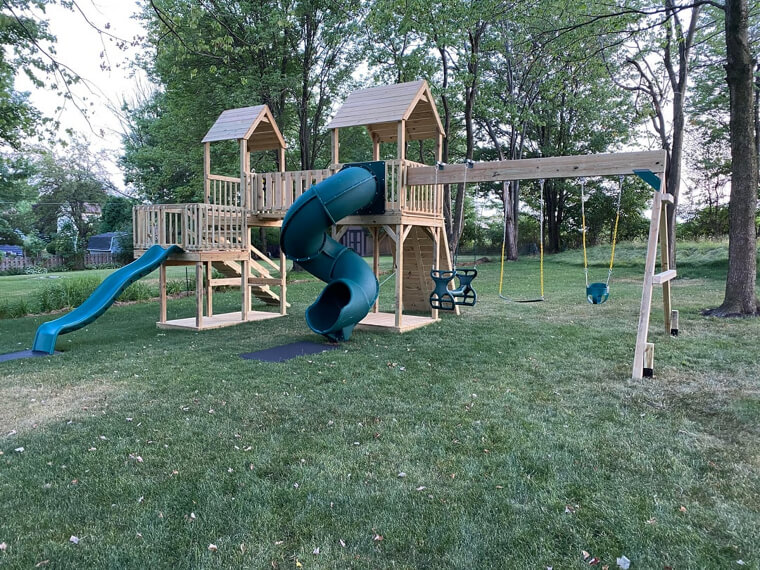
Sheds, decks, fences, and play structures were often built without permits in the past. Homeowners focused on function rather than regulations. Today, zoning laws and building codes apply to many backyard projects. Height limits, setback rules, and safety standards are enforced. Unpermitted structures can result in fines, forced removal, or failed inspections during home sales. Even small projects may require approval. Insurance coverage can also be affected if unapproved structures cause injury or damage. What once felt like harmless DIY work now carries legal responsibility. These rules aim to ensure safety, property boundaries, and neighborhood standards. Homeowners are expected to research requirements before building. Ignoring permits can turn simple projects into costly legal problems.
Letting Kids Ride Bikes Without Helmets
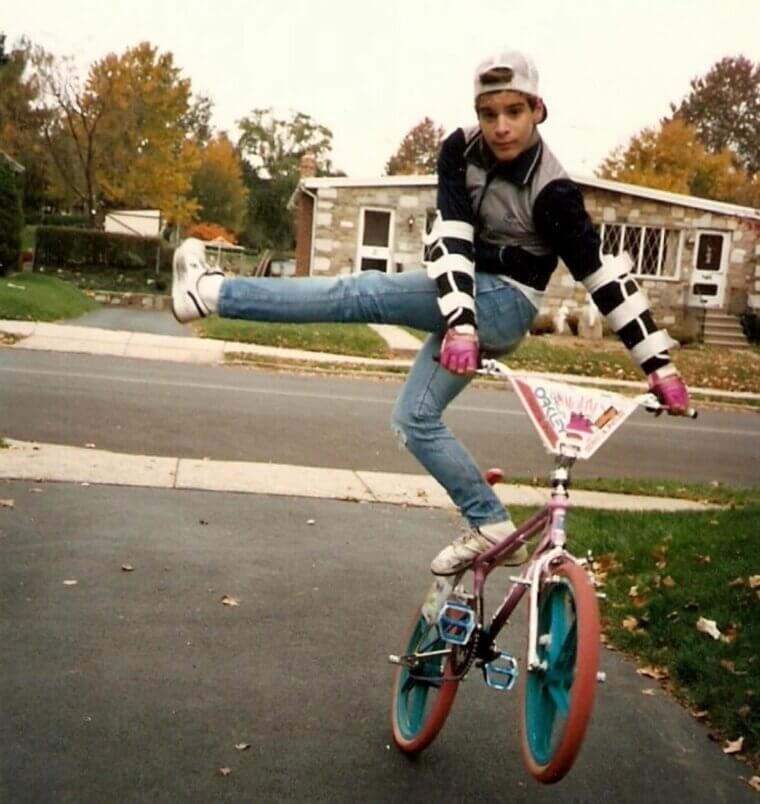
Bike helmets were rare for children decades ago. Riding without protection was normal and encouraged independence. Today, many states and cities require minors to wear helmets while biking. Parents can be fined if children ride without proper head protection. These laws followed research linking helmet use to reduced head injuries and fatalities. Enforcement varies, but schools and recreation programs often require compliance. What once seemed unnecessary is now viewed as basic safety. Helmets are widely available and designed for comfort and protection. The shift reflects changing attitudes toward injury prevention and child safety. Parents are expected to enforce helmet use even for short rides. Ignoring these rules can lead to penalties and increased risk.
Storing Fuel Improperly at Home
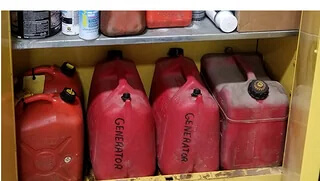
Gasoline, propane tanks, and kerosene heaters were often stored casually in garages or basements. Today, fire codes regulate fuel storage strictly. Limits exist on quantity, container type, and location. Improper storage increases fire and explosion risks. Inspectors may issue citations if violations are found. Insurance policies may be voided after incidents linked to improper storage. These rules aim to prevent accidents and protect homes. What once seemed harmless can now be a serious safety violation.
Smoking Indoors Around Children
Smoking inside homes was once common and socially accepted. Ashtrays sat in living rooms and kitchens. Today, many states restrict indoor smoking in multi unit housing. Exposing children to secondhand smoke can raise child welfare concerns. Health research linked indoor smoking to asthma, respiratory illness, and long term health effects. Parents are now expected to provide smoke free environments. Violations can result in warnings or legal action. What was once normal is now widely discouraged and regulated.

Disposing of Electronics Casually
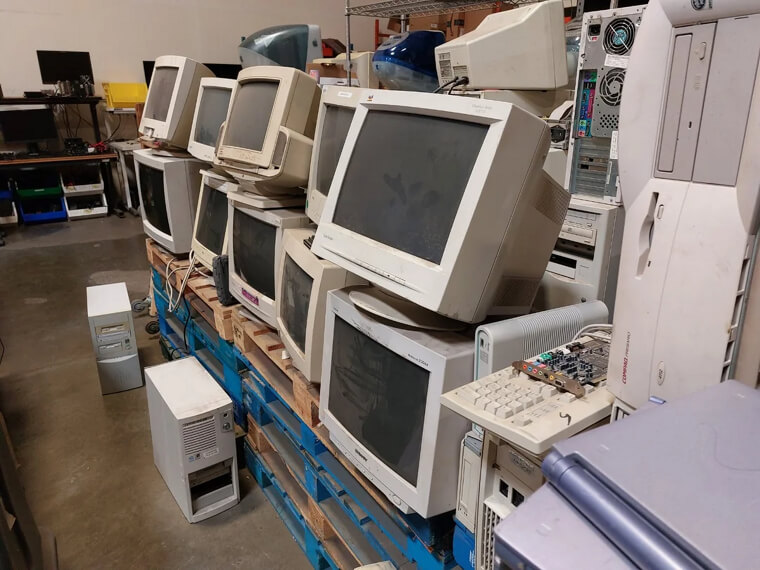
Old televisions, refrigerators, and electronics were once thrown out with regular trash. Today, disposal laws regulate electronic waste due to hazardous materials. Refrigerants, mercury, and batteries require special handling. Improper disposal can result in fines. Recycling programs now exist to reduce environmental harm. What once seemed simple is now regulated to protect ecosystems and public health.