Eavesdropping on the Party Line
Before everyone had their own private phone line, many households shared party lines with neighbors—and kids quickly learned to pick up the receiver very, very quietly to listen in on other people's conversations. The trick was lifting the handset slowly enough that the mechanical click wouldn't give you away, then breathing silently while neighbors gossiped. Some kids perfected the art of the stealth hang-up when they heard their own phone number mentioned. Others got caught when they couldn't resist giggling at scandalous neighborhood news. The introduction of private lines ended this golden age of espionage, but for years, picking up the extension to eavesdrop on conversations—whether neighbors or parents—was an irresistible temptation.

Drinking Straight From the Carton
Every household had the same rule: pour milk or juice into a glass like a civilized human being. Every kid broke this rule the exact same way—opening the fridge door, grabbing the carton, tilting it back, and drinking straight from the source. The thrill came from the forbidden nature of it, plus the efficiency of skipping a glass entirely. Some kids developed elaborate techniques to avoid leaving evidence: wiping the mouth of the container, checking for backwash, making sure the liquid level didn't drop suspiciously low. Getting caught mid-gulp meant facing your parent's disgusted expression and a lecture about germs and manners. But the convenience was too tempting, and most kids were right back at it within days.

Eating Raw Cookie Dough
The warning was always the same: raw eggs could make you sick, you need to wait until they're baked, don't even think about it. The response was always the same too—the second Mom or Dad left the kitchen, fingers dove into that bowl of cookie dough. The risk of salmonella seemed laughably abstract compared to the immediate reward of sweet, unbaked perfection. Some kids showed restraint and took just one fingerful. Others practically ate a meal's worth before the cookies even hit the oven. The truly brazen ones would volunteer to "clean" the mixing bowl and beaters, essentially getting parental permission for their contraband snacking. Store-bought cookie dough tubes faced even worse fates, with kids carving out chunks and carefully smoothing over the evidence.

Raiding the Jar
Peanut butter, marshmallow fluff, frosting, jam—if it came in a jar and tasted good on a spoon, kids were sneaking it when parents weren't looking. The method was universal: grab the jar, grab the biggest spoon available, take several generous scoops, then carefully smooth the surface to hide the missing portion. Some kids got sophisticated with their cover-up techniques, using the back of the spoon to create realistic texture patterns. Others just didn't care and left obvious spoon gouges as evidence. Getting caught usually meant a lecture about ruining your appetite and using proper portions, but the real crime was the parents realizing how much of that jar had vanished in just a few days. These midnight jar raids continued well into adulthood for many people, except now there's no one to answer to except your own guilty conscience and expanding waistline.

Strategic Vegetable Disposal
Parents insisted that vegetables must be eaten. Kids had other plans. The family dog became an unwitting accomplice in countless dinnertime deceptions, positioned under the table to receive covertly dropped Brussels sprouts and lima beans. More creative kids developed elaborate disposal methods: wrapping vegetables in napkins and pocketing them, hiding them under mashed potatoes, or sneaking them into plant pots. Some pushed vegetables around their plates for so long they turned cold and mushy, then claimed they'd eaten "most of them." The advent of garbage disposals created new opportunities—a quick trip to scrape your plate could permanently eliminate the evidence. Parents usually knew exactly what was happening but had to pick their battles.
Using the Fancy Stuff
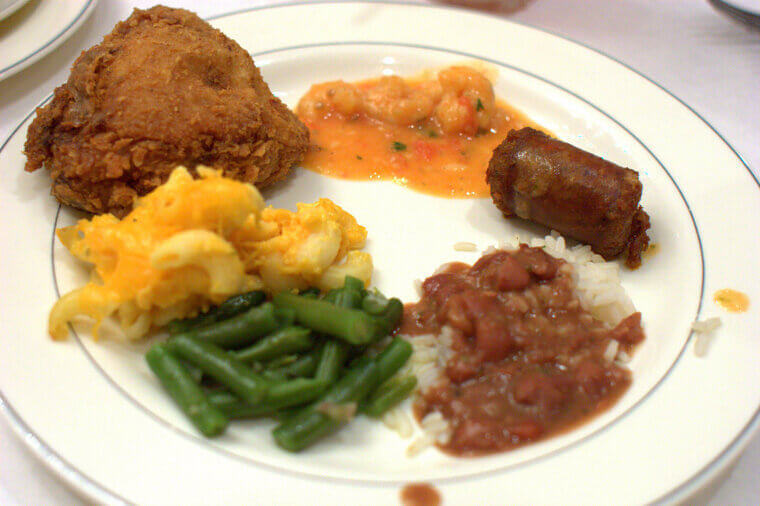
Every home used to have forbidden items reserved for special occasions: the good china, crystal glasses, fancy silverware living in felt-lined boxes. These treasures sat untouched in cabinets and hutches, too precious for everyday use. Which made them irresistible targets when parents left kids home alone. Suddenly that after-school snack was served on wedding china, juice poured into crystal goblets. Some kids treated these items carefully, understanding their value. Others learned about heirloom fragility the hard way, frantically trying to glue broken crystal back together or burying chipped china at the bottom of the stack. Most kids got away with it by meticulously washing and replacing everything. Those who didn't faced legendary parental fury and lost privileges for months.

Staying Up for Forbidden TV
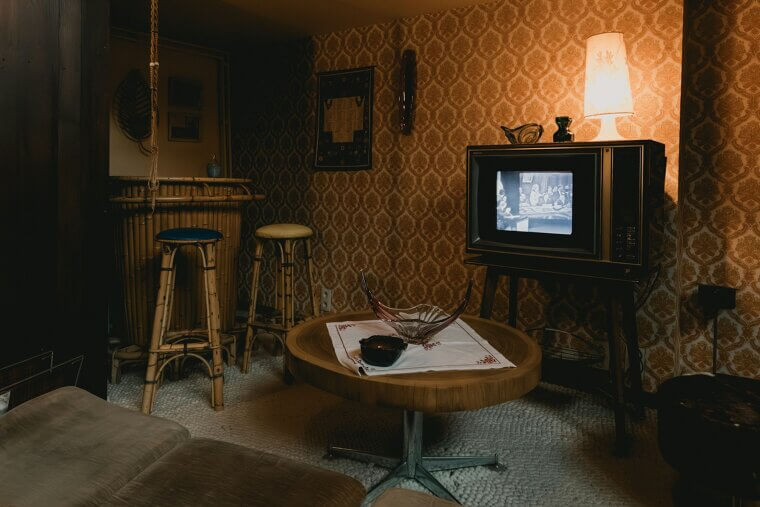
Every household had off-limits shows that aired past bedtime or during the day when parents were at work. The Late Late Show with its monster movies, Saturday Night Live in its early years, or daytime soap operas that parents deemed inappropriate—all became irresistible forbidden fruit. Kids developed elaborate systems: setting alarm clocks, keeping the volume barely audible, positioning themselves with a clear escape route back to bed. Some mastered the art of faking sleep within seconds of hearing footsteps. The black-and-white glow from the TV screen was the enemy, visible under bedroom doors. Getting caught meant immediate banishment and lost television privileges for weeks. But the thrill of watching forbidden content in the dead of night made the risk worthwhile.
Sneaking the Family Car
Getting a driver's license meant freedom—but parents set strict rules about when and where you could drive. The moment they went to bed or left town, those rules evaporated. Kids became experts at coasting down the driveway with the engine off, not starting the car until safely out of earshot. The return trip required precision: noting the exact odometer reading before leaving, calculating how much gas to replace, even remembering which radio station had been playing. Some parents checked the hood temperature. Others examined tire treads for evidence of gravel roads. The truly paranoid would mark tire positions with chalk. Getting caught meant losing driving privileges indefinitely, but the freedom of an unauthorized midnight cruise made kids willing to risk everything.

The Toothbrush Trick
The nightly command was always the same: brush your teeth before bed. The nightly deception was equally consistent: run water, wet the toothbrush, maybe add some toothpaste, rinse, and return it to the holder. Total time invested: fifteen seconds. Actual teeth cleaning: zero. Some kids got sophisticated, adding sound effects like fake spitting or running water at intervals to simulate proper brushing. Others kept old toothpaste tubes around to make it smell like they'd used fresh paste. Parents relied on trust and routine, rarely conducting actual dental inspections. The scam worked great until dentist appointments revealed the truth through cavities and lectures about plaque buildup. Some parents started doing random toothbrush checks, feeling for wetness or demanding to smell breath. But determined kids always found workarounds, because two minutes of actual brushing felt like an eternity when you just wanted to get to bed.

Ceiling Fan Roulette
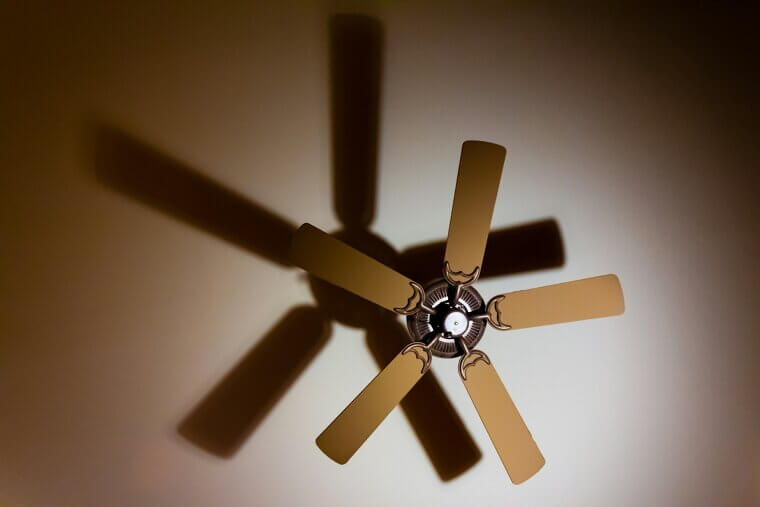
Someone, somewhere, discovered that ceiling fans could turn lightweight objects into projectiles, and kids everywhere immediately ran the same experiment. Stuffed animals, socks, paper airplanes, foam balls—anything that wouldn't break the fan became ammunition. The goal was simple: toss object at spinning fan, watch it ricochet unpredictably around the room. The faster the fan speed, the better the results. This inevitably led to broken lamps, knocked-over picture frames, and occasionally injured siblings. Some kids developed impressive aim, calculating angles and trajectories like physics professors. Others just enjoyed the chaos of random objects flying around their bedroom. Parents walking in on ceiling fan experiments delivered swift justice, usually involving loss of fan privileges and a lecture about property damage. The "no throwing things at the fan" rule made perfect sense to adults but seemed unreasonable to kids who'd just discovered the perfect way to make homework fly across the room.
Unauthorized House Parties
Parents leaving town meant one thing: opportunity. The explicit instructions were always clear—no friends over, no parties, stay home, be responsible. The response was predictable—invite everyone immediately. These weren't the ragers of teen movies; most were modest gatherings that somehow ballooned into dozens of people. Kids convinced themselves they'd maintain complete control and clean everything up. Reality rarely cooperated. Someone always spilled something on the carpet or broke something valuable. The panicked cleanup Sunday afternoon became a rite of passage: scrubbing stains, opening windows, arranging furniture back to exact positions. Some kids got away with it. Others got caught when neighbors called parents, or when evidence turned up weeks later. The punishment was legendary, but the story became legendary too.

Signature Forgery
Every kid eventually faced a permission slip, test grade, or report card requiring a parent's signature they desperately wanted to avoid obtaining legitimately. The solutions ranged from crude to sophisticated. Amateur forgers simply scribbled something signature-adjacent and hoped teachers wouldn't notice. Intermediate students practiced their parents' signatures obsessively on scrap paper until achieving reasonable accuracy. Expert forgers analyzed pen pressure and signature quirks, even matching the exact pen type their parents used. Some kept "practice sheets" hidden in textbooks for reference. Teachers who'd seen thousands of parent signatures could usually spot fakes, but many let obvious forgeries slide rather than deal with the paperwork. Some parents discovered their kids had forged signatures for an entire semester before teachers finally mentioned something.

The Bedroom Window Escape
Ground-floor or second-story bedrooms with convenient tree branches or roof access became escape routes for nocturnal adventures. The technique was universal: wait until parents were asleep, pile pillows under blankets to create a fake sleeping form, ease the window open silently, and slip out into the night. Meeting friends, attending parties, or just wandering around after curfew—the destination mattered less than the freedom. Some kids engineered elaborate rope systems or practiced landing techniques. The return trip was always more nerve-wracking, with kids freezing at every creaking floorboard or parental cough. Modern security systems have made these escapes significantly more difficult, but determined teenagers still find ways. The traditional punishment for getting caught was being moved to an upstairs bedroom or getting windows secured.

Prank Calling From Home
Before caller ID ruined everything, the home phone was a prank caller's paradise. Kids memorized their friends' numbers, random numbers from the phone book, even local businesses for elaborate prank scenarios. The classics never died: "Is your refrigerator running?" calls to grocery stores, fake pizza orders to neighbors, or the simple but effective heavy breathing. The introduction of *69 (last-call return) and caller ID changed the game dramatically, adding real consequences. Kids learned the hard way that their victims could call back and that parents received itemized phone bills showing every number dialed. Some parents installed phone locks requiring codes for outgoing calls, essentially ending the prank call era for their household. The really unlucky kids prank-called someone who knew their parents, leading to awkward conversations at church or school events. Despite the risks, the appeal never faded—there was something irresistible about the anonymity and immediate reaction, at least until technology caught up.