Costly Window Replacements for Appearance
Replacing windows for cosmetic reasons alone can lead to regret. Some homeowners invest in expensive styles or custom designs expecting dramatic improvements. In reality, the visual change may be subtle, while the cost is significant. Energy savings are sometimes less noticeable than promised, especially if the existing windows were still functional. Maintenance requirements can also increase, depending on materials chosen. When budgets are tight, the money spent may feel wasted compared to upgrades that improve safety or comfort. Older adults often say they wished they had focused on sealing drafts or improving insulation instead. The disappointment usually comes from expecting a high return on investment that never fully materializes. While window replacements are sometimes necessary, doing them primarily for looks can be unsatisfying. Practical improvements tend to deliver clearer benefits than aesthetic changes alone, especially later in life.
Trend Driven Kitchen Upgrades
Kitchen renovations are expensive, and regret often follows when choices are guided by trends rather than long term needs. Open shelving, bold countertops, or unconventional layouts can look appealing in magazines but prove impractical for everyday living. Some designs reduce storage, increase cleaning, or make it harder to move safely through the space. As trends fade, homeowners may feel stuck with a kitchen that no longer feels comfortable or timeless. Older adults frequently say they underestimated how much function matters compared to appearance. Simple upgrades like better lighting, accessible storage, or updated appliances often deliver more satisfaction than dramatic redesigns. When budgets are stretched for visual impact, there is less room for features that support aging in place. The regret usually comes from realizing the kitchen looks impressive but does not work as well as the old one did. Practical improvements tend to age better than fashionable ones.
Luxury Bathroom Remodels
Bathroom remodels often top the list of upgrades people regret, especially when the changes focus more on luxury than function. High end tile, oversized soaking tubs, and custom vanities can look beautiful at first, but many older adults later find they rarely use the features they paid the most for. Deep tubs can become difficult or unsafe to get in and out of, while glossy surfaces require more cleaning and upkeep than expected. Costs also tend to spiral quickly once walls are opened and plumbing is adjusted. In many cases, the money spent does not translate into meaningful comfort or resale value. What homeowners often needed was better lighting, simpler storage, or a safer shower, not a spa like space. After the excitement fades, the remodel can feel like an expensive lesson in overdesign. The regret usually comes from realizing that practical, modest updates would have provided more daily benefit at a fraction of the cost.
High Maintenance Landscaping
Elaborate landscaping can seem like a worthwhile investment, promising beauty and curb appeal. Over time, many older homeowners find that intricate garden designs, water features, or specialty plants create more stress than enjoyment. Lawns that require frequent watering, pruning, or chemical treatments become burdensome as physical ability or energy changes. Hiring regular maintenance help adds ongoing costs that were not always considered at the start. Weather extremes can also undo expensive work quickly, leaving homeowners frustrated. What once felt like pride can turn into obligation. Many people later say they wish they had chosen simpler, low maintenance designs using native plants or hardscaping. These options often age better and cost less over time. The regret comes from underestimating how needs change and overestimating how much time and effort future upkeep would require. Landscaping that demands constant attention can quietly become one of the least satisfying upgrades of all.

Built in Entertainment Centers
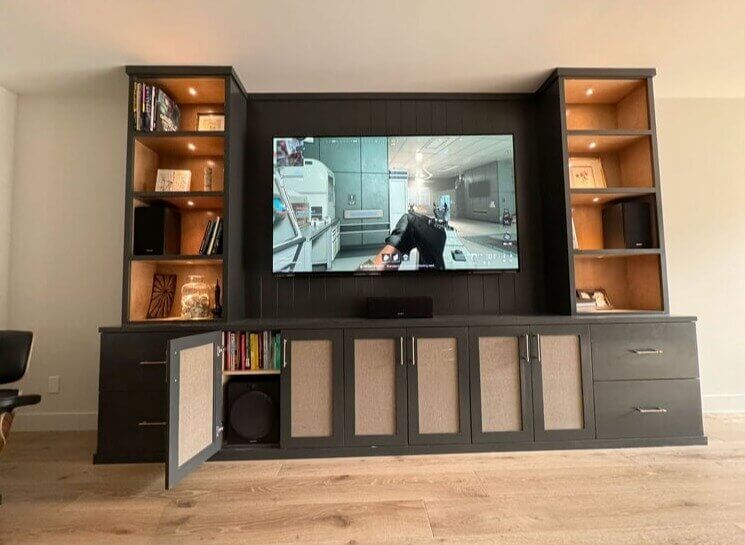
Custom entertainment centers were once a popular upgrade, designed to house large televisions, speakers, and media collections. As technology changed, many of these built ins quickly became outdated. Flat screen televisions grew larger and thinner, streaming replaced physical media, and bulky cabinets lost their purpose. Homeowners often discovered that the custom dimensions limited flexibility and made rooms harder to rearrange. Removing or modifying built ins can be expensive and disruptive, adding to the regret. What initially felt like a polished, permanent solution later seemed restrictive. In some homes, the units reduced usable wall space or made rooms feel smaller. Many older adults say they would have preferred freestanding furniture that could adapt over time. The disappointment usually comes from paying a premium for something that locked the home into a specific moment in technology. Instead of adding lasting value, the upgrade sometimes made the home feel dated sooner than expected.
Converting Bedrooms Into Specialty Rooms
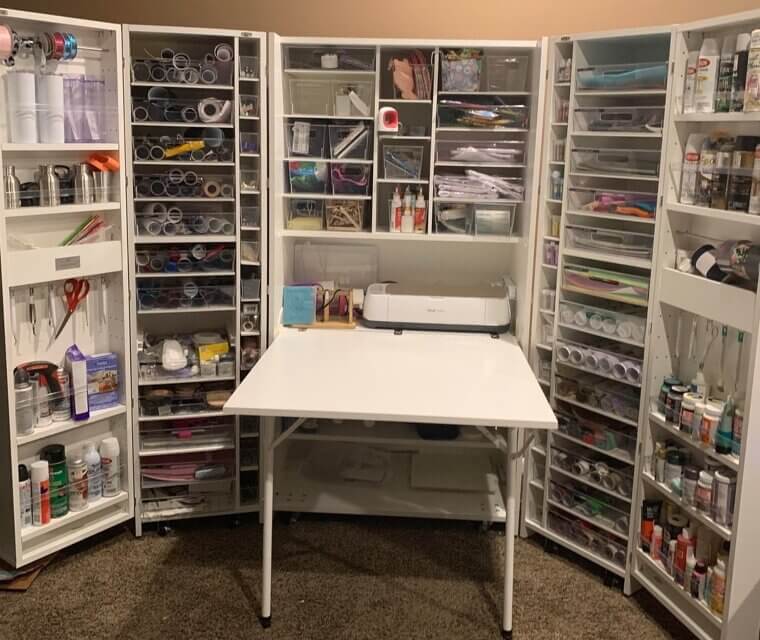
Turning a spare bedroom into a home office, gym, or craft room can feel practical at the time. Later on, many homeowners regret losing flexible living space. Needs change with retirement, health shifts, or family circumstances, and having fewer bedrooms can limit options. A converted room may be hard to return to its original purpose, especially if closets were removed or walls altered. When it comes time to sell or accommodate guests, the lack of bedrooms becomes a drawback. Some older adults also find that specialty rooms go unused, while the space could have served multiple purposes. The regret often stems from making permanent changes based on temporary routines. What seemed efficient during one phase of life may not suit the next. In hindsight, many people say they would have chosen furniture or modular solutions instead of structural changes. Flexibility tends to matter more over time than highly specific uses.
Whole House Sound Systems
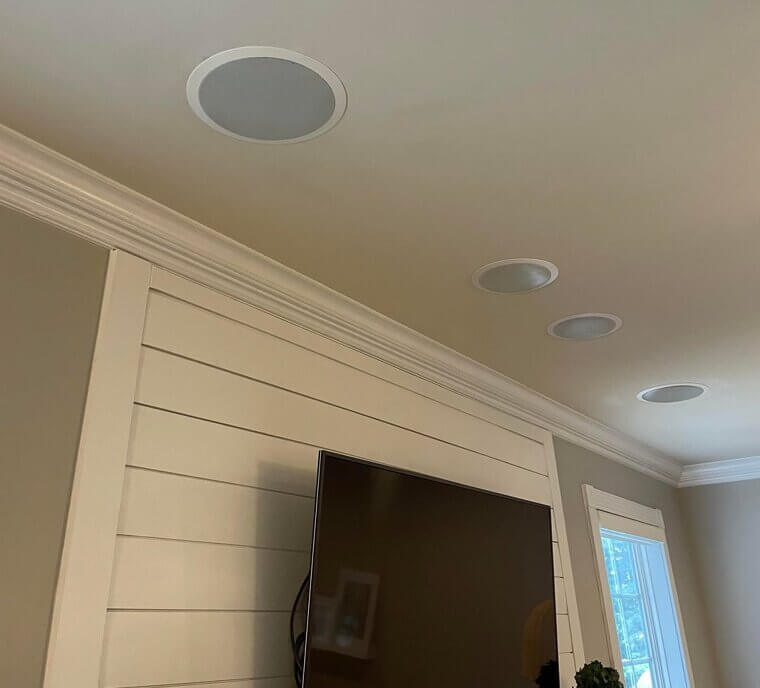
Whole house sound systems were once marketed as a premium upgrade that added convenience and sophistication. Built in speakers wired through walls promised music in every room at the push of a button. Over time, many homeowners found the systems difficult to use and expensive to repair. Controls were often complicated, and technology advanced faster than the equipment could keep up. Streaming services and portable speakers made the systems feel unnecessary. When components failed, replacements were costly or no longer available. Some owners stopped using the systems altogether but were left with wall panels and speakers they could not easily remove. The regret often came from paying for a fixed system when flexible, wireless options later became standard. What seemed cutting edge quickly felt outdated. Instead of adding enjoyment, the upgrade became another reminder that permanent technology installations rarely age as well as expected in everyday homes.
Expensive Smart Home Features
Smart home upgrades promised ease and control, from automated lighting to app driven thermostats and locks. Many older adults later regretted investing heavily in these systems. Setup and maintenance often proved more complicated than advertised, requiring frequent updates or professional help. When internet connections failed or apps changed, basic home functions became frustrating to manage. Some systems were abandoned after a few years, even though the upfront costs were high. Guests and caregivers sometimes struggled to use the features, creating inconvenience instead of comfort. Privacy and security concerns also grew over time. What homeowners wanted was reliability, not constant adjustments. In hindsight, many say they would have chosen simpler controls or selective upgrades instead of full integration. The regret usually stems from paying for technology that added complexity rather than peace of mind. A home that works easily often matters more than one that feels digitally advanced.

Sunrooms Used Only Briefly
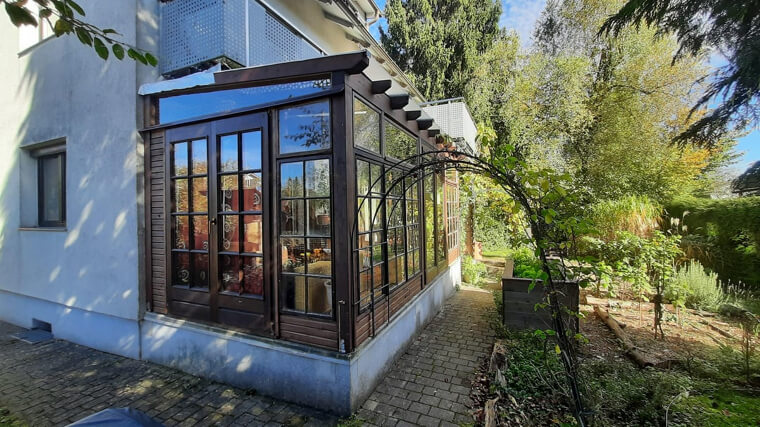
Adding a sunroom can seem like a way to gain bright, relaxing space without a full addition. Many homeowners later find the room goes unused. Temperature control is often a challenge, with rooms becoming too hot in summer and too cold in winter. Furnishing and maintaining the space adds ongoing costs, and the room may not feel comfortable year round. Some sunrooms also create layout issues, disrupting traffic flow or limiting yard access. Over time, homeowners realize they rarely sit in the space, especially as mobility or routines change. What felt appealing during planning does not always match daily habits. The regret often comes from paying for square footage that does not function like the rest of the home. Many older adults say they would have preferred improving existing rooms instead. A space that looks inviting on paper can disappoint if it does not truly support how people live.
Finished Basements With Limited Use
Finishing a basement is often seen as a way to add living space and increase home value. Many older adults later regret the expense. Basements can remain dark, damp, or difficult to access, making them less appealing over time. Stairs become a concern as mobility changes, and the space may go unused. Ongoing issues like moisture control, flooding risk, or maintenance add stress. Furniture and electronics stored or used there may suffer damage. What once seemed like bonus space can turn into an area that feels disconnected from daily life. Some homeowners realize they rarely want to spend time below ground. The regret often comes from investing heavily in space that does not support aging in place. Improving main level comfort and accessibility usually proves more valuable. Finished basements can look good on paper but disappoint in everyday use.