Why Some Holiday Foods Quietly Disappeared
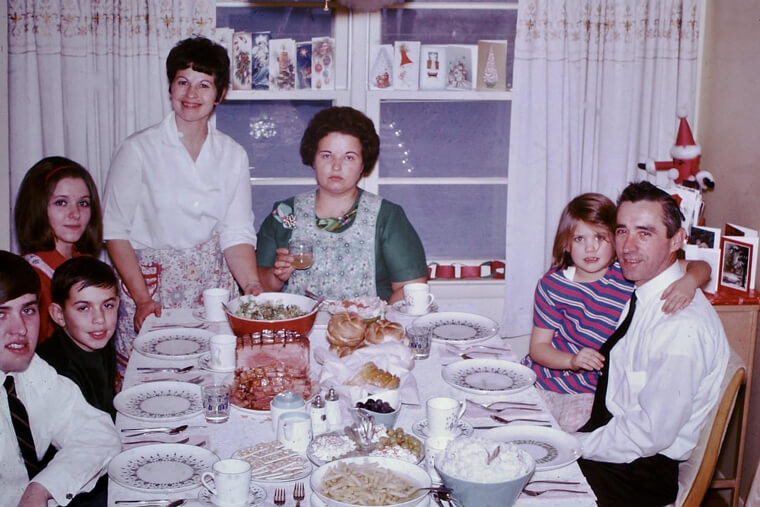
Holiday meals are often described as timeless, but the truth is that what appears on the table changes with every generation. Many dishes that once felt essential were shaped by their era, reflecting limited ingredients, new appliances, or social expectations that no longer apply. Some foods were born out of convenience, others from scarcity, and many from a desire to impress guests with novelty or abundance. As grocery access improved and cooking styles shifted, those same foods began to feel heavy, confusing, or unnecessary. Families also changed. Smaller gatherings, busier schedules, and shared responsibilities made elaborate or risky dishes less appealing. Health awareness played a role too, as people became more mindful of sugar, fat, and food safety. None of these foods disappeared because people stopped caring about tradition. They faded because traditions adapt. Holiday cooking slowly moved toward comfort, familiarity, and ease, leaving behind dishes that no longer fit how people gather and eat today. Looking back at these foods offers a snapshot of the past, and a reminder that change is part of every celebration.
Molded Gelatin Salads
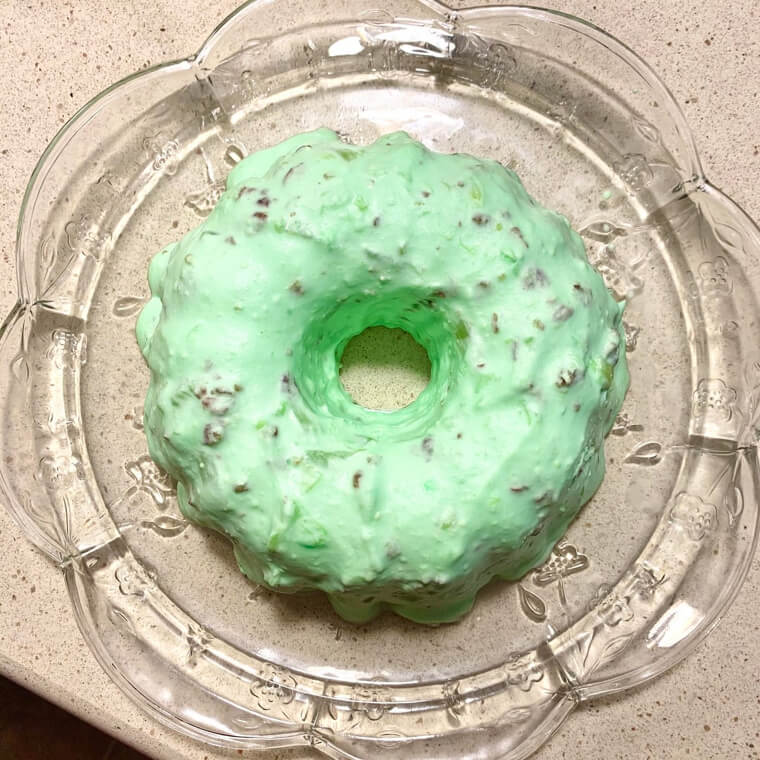
Once a proud centerpiece on many holiday tables, molded gelatin salads were a symbol of midcentury hospitality. Home cooks suspended canned fruit, marshmallows, nuts, or even vegetables inside brightly colored gelatin, often topped with whipped cream or mayonnaise. At the time, these dishes felt modern and festive, especially when refrigeration was new and gelatin promised convenience and flair. Over time, tastes changed. The sweet savory combinations began to feel confusing rather than celebratory, and the texture alone turned off many diners. Fresh fruit became easier to find year round, and desserts shifted toward pies, cookies, and cakes that felt more comforting and familiar. Food safety concerns also played a role, since gelatin dishes left sitting out for hours did not age well at crowded gatherings. Today, gelatin salads mostly survive as jokes or nostalgic photos, reminding us that holiday traditions often reflect the era that created them. They faded not because families stopped caring, but because expectations for flavor, freshness, and simplicity quietly moved on.
Fruitcake
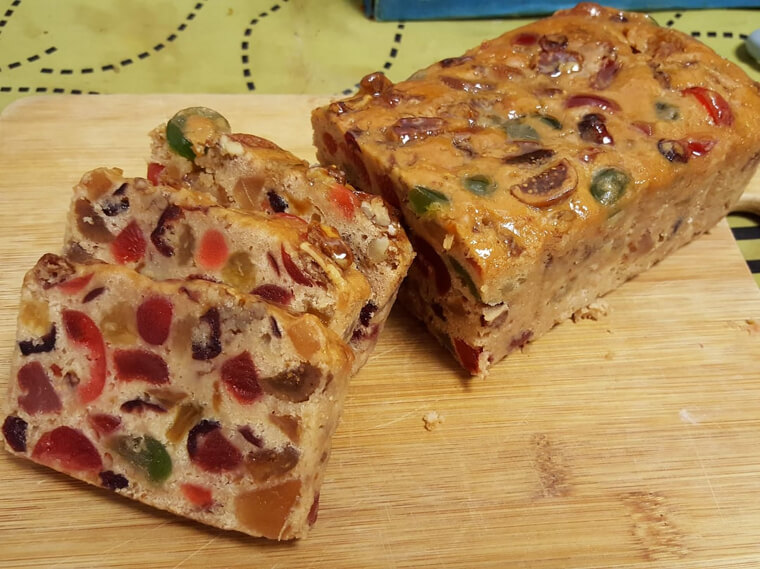
Fruitcake was once a dependable holiday gift and dessert, baked weeks ahead and wrapped tightly to last through the season. Packed with candied fruit, nuts, and dense batter, it was designed for preservation rather than light enjoyment. Over the years, mass produced versions leaned heavily on artificial colors and overly sweet additives, giving the cake a reputation for being heavy and unpleasant. As holiday baking became more about fresh flavors and shared experiences, fruitcake began to feel like a chore instead of a treat. Many families discovered that loaves sat untouched while cookies and quick breads disappeared quickly. Changing schedules also mattered, since fewer people had the time or patience to soak fruit, age cakes, and store them properly. While a few devoted bakers still defend a well made fruitcake, most households quietly retired it. The reason was simple: holiday desserts became about warmth and ease, not endurance, anymore today.
Ambrosia Salad
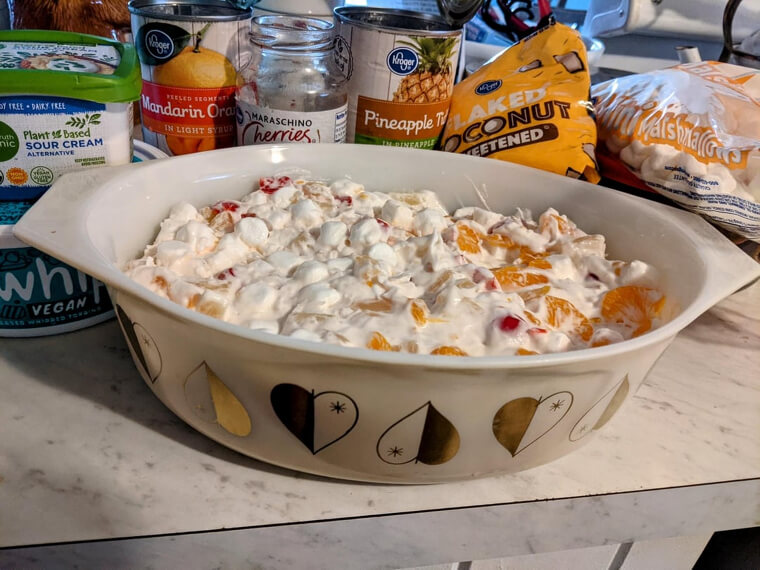
Ambrosia salad appeared at countless holiday meals, mixing canned fruit, coconut, marshmallows, and whipped topping into a sugary side dish. It blurred the line between dessert and salad, which once felt playful and indulgent. Over time, that identity became its downfall. As tastes shifted toward clearer courses and less processed ingredients, ambrosia started to seem overly sweet and out of place next to savory dishes. The reliance on canned fruit and packaged toppings also dated it, especially as fresh produce and homemade desserts became more accessible. Many hosts noticed it was the dish guests politely sampled but rarely finished. Concerns about texture and appearance did not help, since the mixture could quickly turn watery or flat. While still beloved in some regions, ambrosia salad lost its holiday spotlight. It faded because modern gatherings favored foods with clearer purpose and cleaner flavors. That change reflected broader shifts in cooking habits overall.
Boiled Pudding
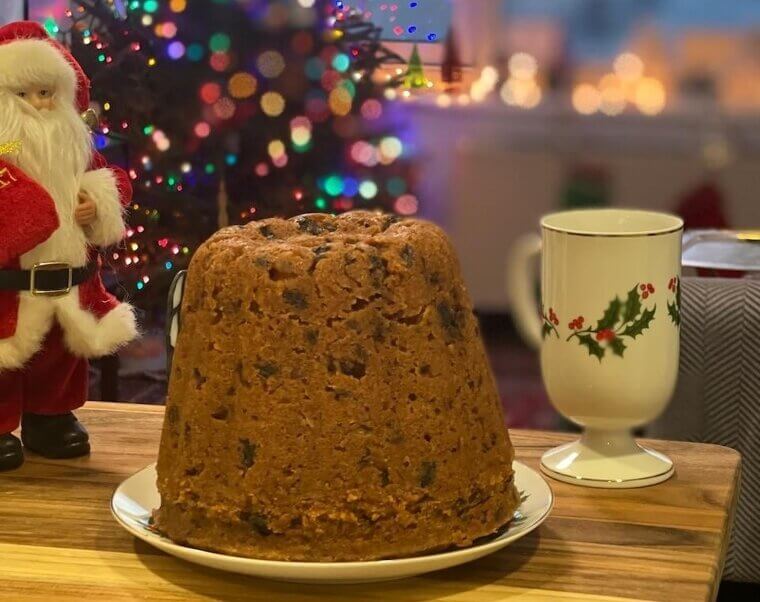
Boiled pudding, sometimes called plum pudding, was once a dramatic holiday finale, steamed for hours and served with ceremony. Dense and rich, it relied on dried fruit, suet, and spices, reflecting a time when preservation and calories mattered. As kitchens modernized, the long cooking process became less appealing. Many cooks were uneasy about working with suet, and the heavy texture felt out of step with lighter desserts. Safety and convenience also mattered, since steaming for hours required attention that busy households no longer had. Guests often found the pudding filling after already large meals. Gradually, it was replaced by pies and cakes that delivered familiar flavors with less effort. Boiled pudding did not disappear because it lacked tradition, but because holiday cooking evolved toward practicality and shared enjoyment. The spectacle mattered less once convenience and comfort guided seasonal menus for families everywhere during busy modern celebrations each passing year too.
Jellied Cranberry Molds
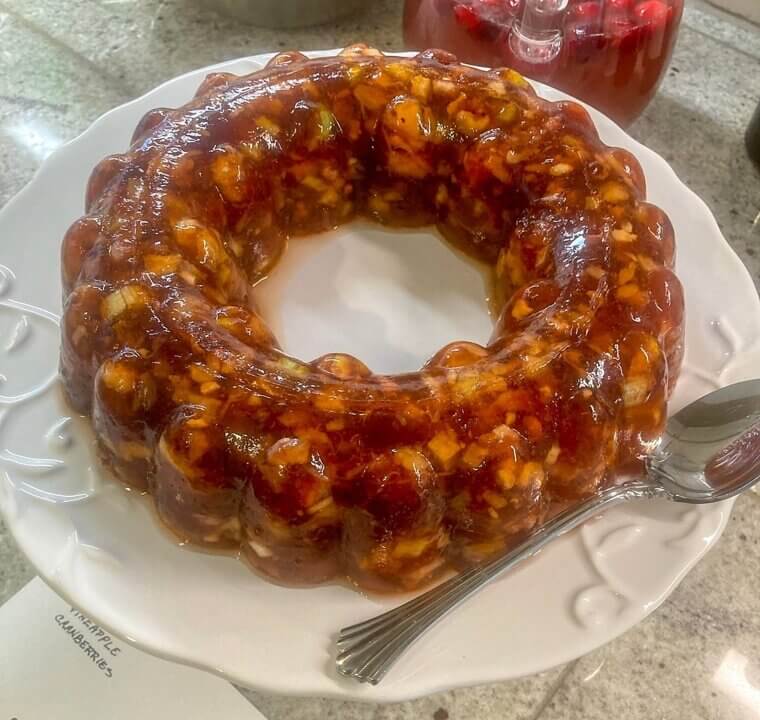
Before simple cranberry sauce became standard, many holiday tables featured jellied cranberry molds shaped in rings or loaves. These dishes combined gelatin, sugar, and canned cranberries, sometimes mixed with celery or nuts. They were meant to look impressive when unmolded, even if the flavor was secondary. As expectations changed, presentation alone was no longer enough. People preferred the brighter taste of lightly cooked cranberries or store bought sauce that required no extra steps. The molded versions also carried the same texture issues as other gelatin dishes, which quickly fell out of favor. Hosting styles shifted toward simpler spreads that allowed cooks to relax and enjoy the meal. Jellied cranberry molds quietly disappeared, replaced by foods that balanced tradition with ease and taste. They remain a reminder of how visual flair once outweighed flavor at holidays for many home cooks and guests alike across decades past in American kitchens everywhere then.
Mince Pies
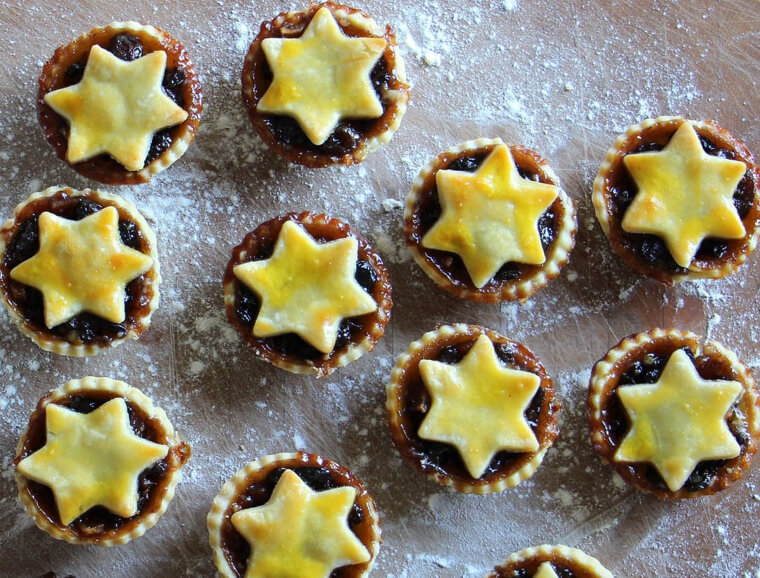
Mince pies were once a holiday staple rooted in practicality, combining finely chopped meat, dried fruit, spices, and fat into a filling that lasted through winter. Over time, the recipe evolved and meat often disappeared, but the name and dense sweetness remained. For many modern diners, the flavor profile felt confusing and overly heavy, especially when compared to lighter pastries and cookies. As refrigeration and grocery access improved, the original purpose of preservation faded, leaving a dish that no longer matched everyday tastes. Younger generations often encountered mince pies without the cultural context that once made them special. Bakers noticed they were more work than reward, especially when guests gravitated toward familiar desserts. Slowly, they slipped off holiday menus. Mince pies did not vanish suddenly, but rather lost relevance as traditions became more about enjoyment than endurance. The reason they faded was not failure, but changing expectations about what holiday treats should feel like now.
Aspic
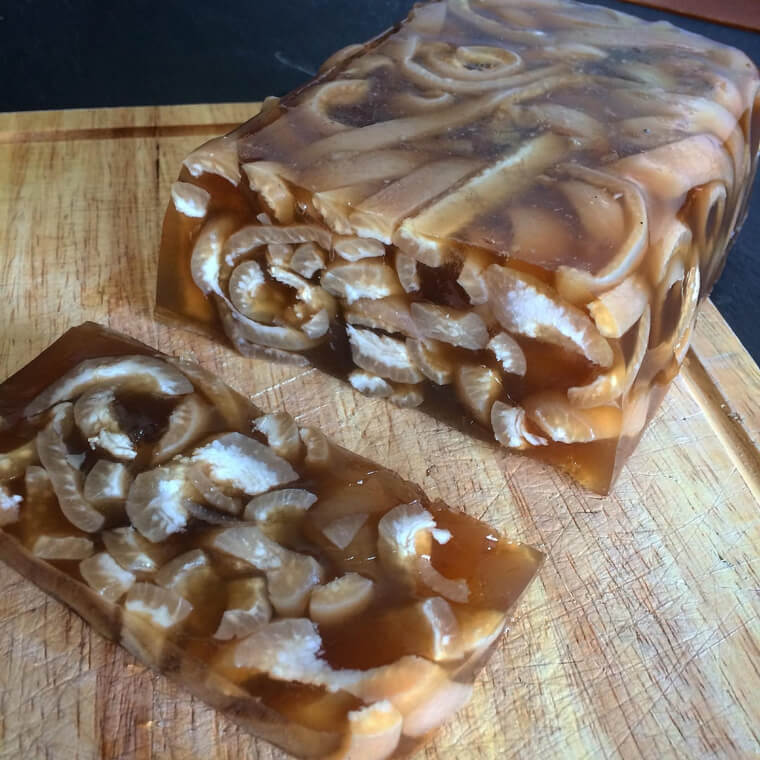
Savory gelatin dishes, often called aspic, once symbolized elegance and skill. Meats, vegetables, or eggs were suspended in clear gelatin and served chilled as a formal holiday course. At the time, this showcased access to refrigeration and refined presentation. As tastes shifted, the cold texture and mild flavor became unappealing to many guests. The rise of hot appetizers and fresh salads made aspic feel outdated and fussy. Food safety concerns also discouraged leaving meat based gelatin dishes sitting out during long gatherings. Younger cooks rarely learned the technique, and recipes stopped being passed down. Without nostalgia to support it, aspic quietly disappeared from holiday spreads. It fell away because holiday meals became more relaxed and focused on comfort. Dishes that required precision and patience gave way to foods that invited people to linger and enjoy themselves without hesitation or uncertainty about what they were eating.
Sweet Potatoes With Marshmallows
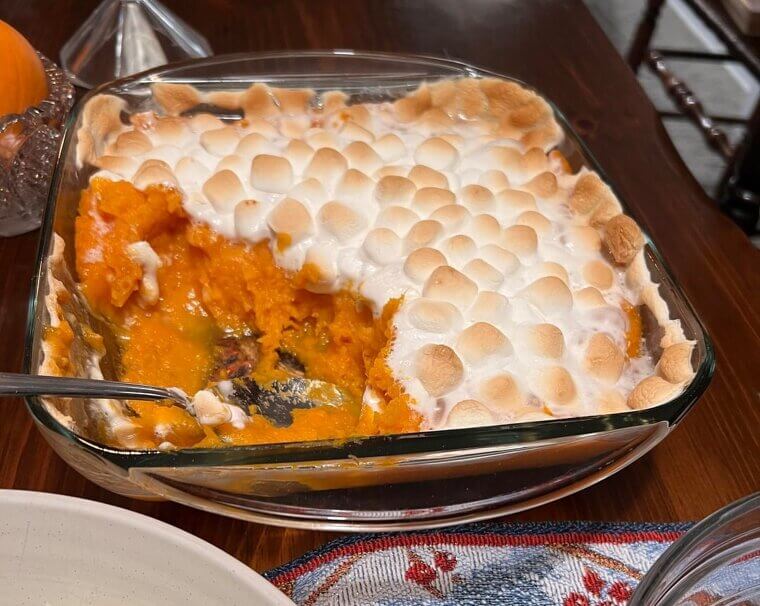
Candied sweet potatoes topped with marshmallows once appeared at nearly every holiday table, especially during large family gatherings. The dish leaned heavily into sweetness, turning a vegetable into something closer to dessert. Over time, many cooks began questioning its place alongside savory mains. As interest in balanced flavors grew, roasted or lightly seasoned sweet potatoes gained popularity. The marshmallow topping, while nostalgic, often overwhelmed the natural taste of the vegetable and did not appeal to everyone. Concerns about sugar intake also played a role in its decline. Hosts noticed the dish was often untouched compared to other sides. While some families still cherish it, many quietly dropped it from menus in favor of simpler preparations. The dish faded not because it lacked charm, but because holiday meals shifted toward foods that felt indulgent yet grounded. Sweet potatoes remained, but the excess sugar slowly left the spotlight.
Mock Apple Pie
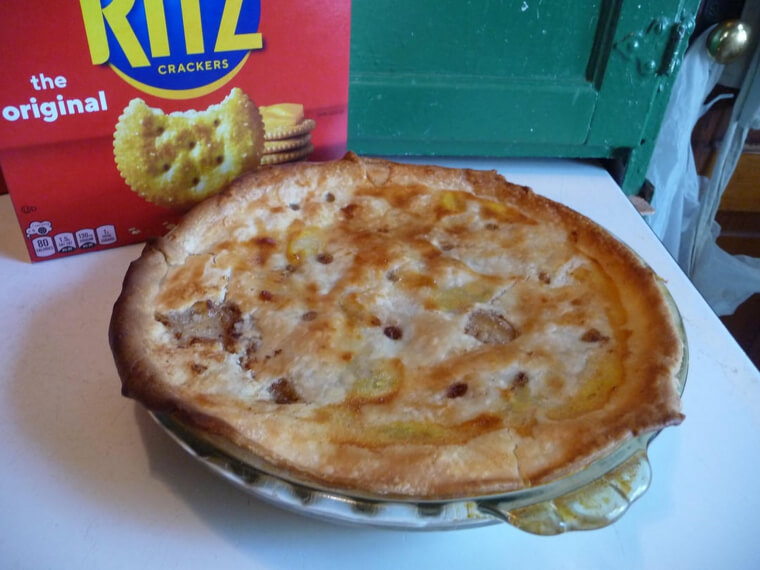
Mock apple pie, famously made with crackers instead of apples, was once a clever solution when fresh fruit was scarce or expensive. Spices and sugar mimicked apple flavor, creating a surprisingly convincing dessert. As grocery access improved and apples became affordable year round, the novelty wore off. Many cooks preferred the real ingredient over an elaborate workaround. The recipe also relied on heavily processed components, which fell out of favor as home baking emphasized freshness. Guests sometimes reacted with confusion or disappointment once they learned what was inside. Without necessity to justify it, mock apple pie lost its appeal. It became more of a curiosity than a celebration dish. Holiday cooking moved away from clever substitutions toward honest ingredients. The pie did its job during harder times, but once those times passed, it quietly stepped aside, remembered more for ingenuity than lasting enjoyment at the table.