The Absence of Standardized Sunscreen and UV Awareness
The prevailing attitude toward sun exposure in our youth was often "get as tan as possible," with little to no understanding of the long-term cumulative damage caused by ultraviolet (UV) radiation. Sunscreens were often heavy, messy, and reserved only for tropical vacations, if used at all. This lack of education and protective habit is a primary reason our generation faces higher rates of sun-related skin issues today. Younger generations are now raised with critical awareness about UV index, non-melanoma and melanoma risk, and the daily necessity of broad-spectrum sun protection. They are learning preventative habits that simply didn't exist when we were kids.

The Lack of Safety Standards on Playground Equipment
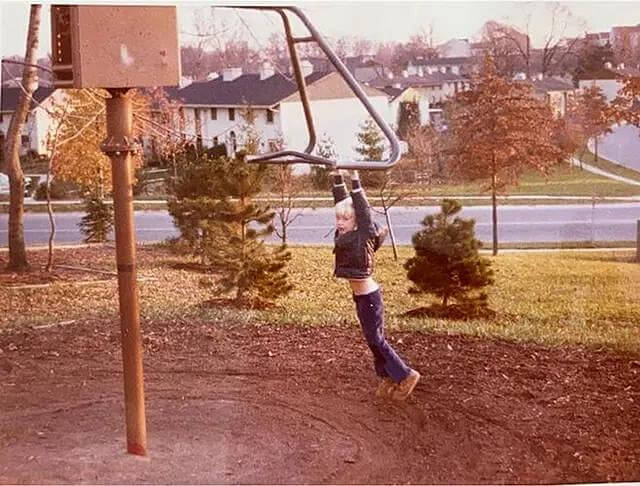
Remember the playgrounds of our youth? They featured tall, unforgiving metal slides, high seesaws, and jungle gyms perched over surfaces made of asphalt, concrete, or compacted dirt. There was a palpable sense of danger, and broken bones and concussions were routine. The current generation benefits from strict safety guidelines, lower equipment heights, and soft, energy-absorbing surfaces like rubber mats or mulch. We faced the high risk of serious orthopedic injuries from simple falls that are now largely mitigated by modern engineering. The rough-and-tumble experience of a 1970s or 1980s playground is now viewed less as character-building and more as a liability-laden health hazard.
Lingering Fear and Reality of Infectious Diseases Like Measles
While recent outbreaks remind us that vigilance is required, the generation above 40 experienced a world where crippling infectious diseases, now routine subjects for vaccination, carried a much greater and more immediate fear. Polio, measles, and mumps were not just theoretical illnesses; they were genuine threats that could lead to life-altering consequences. Our parents had vivid memories of quarantines and the seriousness of these illnesses. Today, while battles over vaccinations continue, the sheer volume and severity of these diseases have been drastically reduced, meaning younger people have never had to live with that pervasive, background threat looming over school attendance or summer plans.
The Unavoidable Cloud of Secondhand Smoke
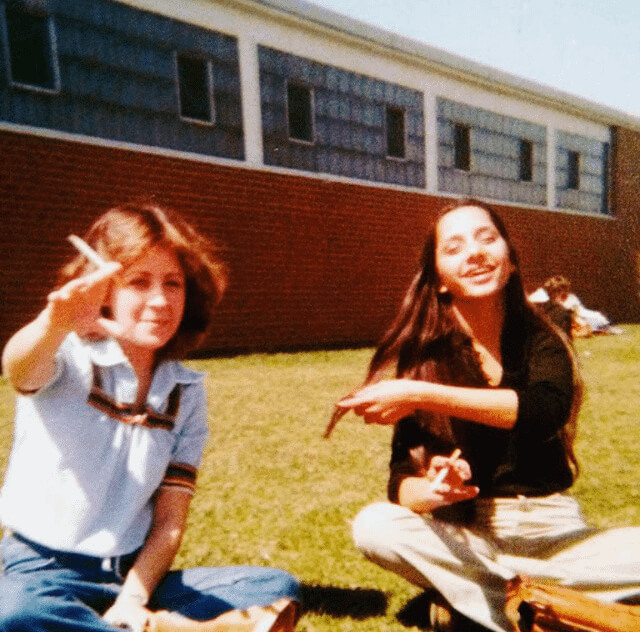
For many older adults, childhood involved a near-constant exposure to tobacco smoke. Before public health campaigns took hold and smoking was banned in most public indoor spaces, you breathed heavy secondhand smoke in cars, restaurants, airports, bowling alleys, and even in many homes. This prolonged exposure was simply a fact of life, creating tangible long-term risks for respiratory and cardiovascular health that were normalized at the time. Today, due to decades of advocacy and strict laws, children are protected from this toxic burden. The younger generation will never know the experience of riding in a smoky car or having dinner under a dense cloud of cigarette fumes.
Ubiquitous Exposure to Lead in Paint and Gasoline
Our generation grew up in a world where lead was a common presence in our immediate environment, a situation younger people thankfully avoid. Before the major phase-out, lead was heavily used in exterior and interior house paint, especially in older homes, leading to dust and chipping paint that children could inadvertently ingest. More broadly, leaded gasoline meant that simply walking down a city street or riding a school bus exposed us to toxic airborne particles that damaged neurological development. While modern regulations aren't perfect, the removal of lead from these major sources has drastically reduced population-level exposure, eliminating a foundational health risk we lived with daily. This is one invisible environmental threat we truly left behind.

Close Proximity to Old CRT Screens and EMF Concerns
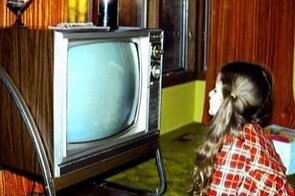
Growing up, many homes featured large, heavy Cathode Ray Tube (CRT) televisions and computer monitors. There were widespread, though often poorly substantiated, concerns about the Electromagnetic Field (EMF) exposure and low-level X-ray emissions from these bulky sets. Children often sat mere inches from the screen to play video games or watch cartoons, absorbing whatever emissions were present. The fear, whether fully founded or not, was a real health anxiety of the era. Modern flatscreen LCD, LED, and OLED displays use entirely different, safer technology, eliminating the size, heat, and radiation fears that accompanied our old flickering tube screens.
Common Household Contact With Toxic Mercury
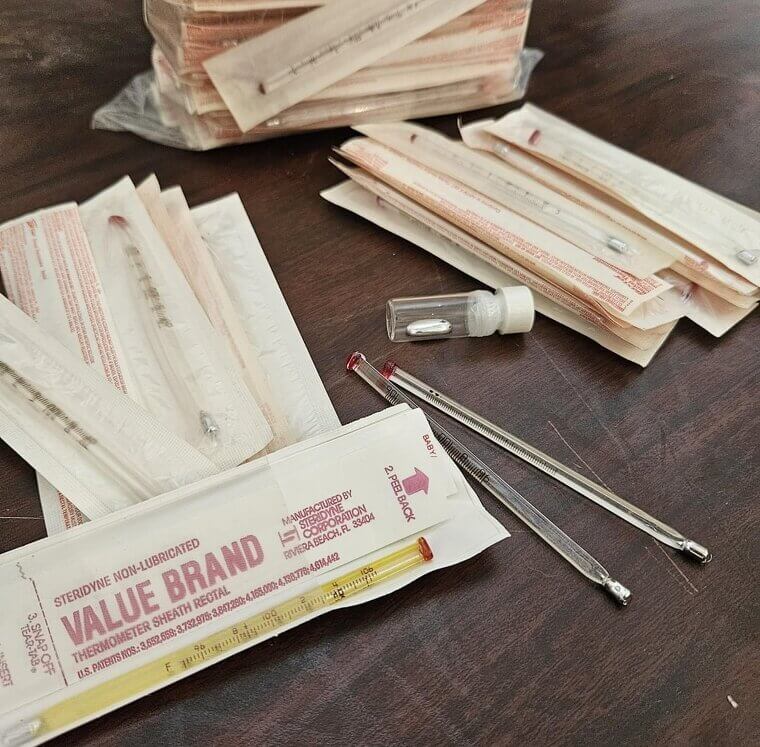
Handling liquid mercury was a surprisingly common experience. We had glass thermometers in our homes that, if dropped, would scatter highly toxic mercury beads across the floor. Sometimes, kids were even morbidly curious enough to play with the shimmering metal before being told to stop. This represented a genuine, acute poisoning risk that is largely eliminated today, thanks to the widespread use of digital and alcohol-based thermometers. The younger generation has no need to deal with the cleanup protocols or the environmental hazards associated with this heavy metal that was once a staple of the home medicine cabinet.
Unregulated Dietary Supplements and Unproven Claims
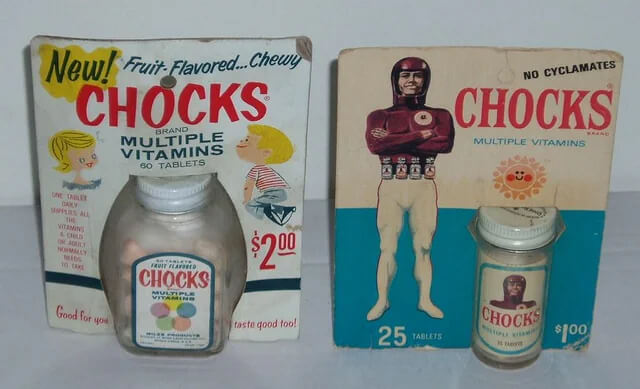
During our younger years, the dietary supplement and health food industries operated with significantly less oversight from the Food and Drug Administration (FDA) than they do today. Supplements were often sold with bold, unproven health claims, and the purity and potency of products were inconsistent, sometimes leading to unexpected side effects or dangerous interactions. Our generation was frequently the guinea pig for fad diets and unregulated performance boosters. While the modern supplement market is still complex, increased regulatory scrutiny offers younger consumers a much higher baseline of safety and transparency regarding product ingredients and efficacy.
Occupational and School Exposure to Asbestos and Toxins
For those who started working in the late 70s or 80s, or even attended schools built decades earlier, the risk of casual exposure to industrial toxins like asbestos was very real. Before widespread removal and remediation, asbestos was common in insulation, floor tiles, and ceiling materials. Likewise, regulatory bodies had not yet cracked down on many industrial chemicals and fumes that workers were exposed to without proper ventilation or protection. Younger people entering the workforce today benefit from decades of environmental and workplace health reforms, meaning they are far less likely to face accidental, long-term exposure to these silent, deadly building materials.

Manual Labor Risks Without Automated Assistance
Many routine physical tasks in jobs or around the house that required significant manual effort and heavy lifting are now performed with hydraulic lifts, automated systems, or safer mechanical aids. Our generation frequently relied on pure brute strength for tasks like stacking boxes, loading trucks, or moving furniture, leading to higher instances of back injuries, hernias, and chronic joint issues. The focus on ergonomics and mechanized assistance means younger workers and DIY enthusiasts are much better equipped to complete physical tasks with significantly reduced risk of musculoskeletal damage that plagued older generations.