Bake Until Golden
What is it about a deep tan that makes people think you look good? Back in the ‘70s, sunscreen was optional, if people actually cared about it at all. People would lie and bake in the sun for hours, sometimes using baby oil instead of protection to get that glow. The tan didn’t last, but the damage sure did. Too much sun exposure damages skin cells and raises the risk of skin cancer later in life. Today, we know that burns, even mild ones, add up over time. And that “healthy glow” is actually your skin crying for help.

Asbestos the Miracle Material
Asbestos was a builder’s dream in the past. It resisted fire, lasted forever, and was cheap. As a result, it went into walls, ceilings, floors, and insulation without concern. The problem didn’t show up right away. Years later, people developed serious lung diseases after breathing in tiny fibers. Some even got cancer. At first, no one connected the dots. Once the danger became clear, asbestos was removed and banned in many places. This habit shows that just because something works well doesn’t mean it’s safe, and you only see the risks much later.

Smoke-Filled Rooms
Smoking laws were pretty non-existent even a few decades ago, and parents smoked in cars, kitchens, and living rooms like it was no big deal. Kids sat there just breathing it in - no windows down, and no second thought. Back then, people didn’t realize that smoke drifting through the air could be just as harmful as smoking itself. Little did they know that secondhand smoke damaged kids’ lungs, increased asthma cases, and made many little ones sick. Those small bodies really suffered. Thankfully, someone figured it out, and smoking is now seen as a serious health risk.

Tummy Time Gone Wrong
Safe sleep for babies was only introduced in the early ‘90s. Before that, parents had no hesitation putting their babies to sleep on their tummies. Why? Because they thought it helped babies sleep deeper and longer and avoid choking. It sounded logical at the time, sure, but later research showed that tummy sleeping increased the risk of sudden infant death syndrome. That simple discovery changed everything, and babies now sleep on their backs to protect their breathing airways. The shift saved lives, but it also showed how advice can change fast when science is involved.

Smoking Didn’t Kill
Did you know that there was a time when smoking looked classy, relaxing, and was even considered healthy? Crazy, right? Doctors even appeared in cigarette ads. And ashtrays sat on every table. For many, lighting up was just part of daily life. The problem is, cigarettes never stopped being dangerous, and we just didn’t know it yet. Smoking not only damages the lungs and strains the heart - it also raises your cancer risk. Today, we know that smoking hurts every part of the body, not just the lungs. That “harmless habit” turned out to be anything but harmless.

“Kids Don’t Need Seatbelts”
Kids in the ‘70s and ‘80s bounced around cars like they were loose groceries. Sitting on laps, standing up, and not buckled in was the order of the day. It was common and accepted. But accidents happen fast, and they definitely don’t care about comfort and tradition. We now know that seatbelts and proper car seats save lives. All it takes is one sudden stop to cause serious injury in seconds, and children’s bodies need protection way more than adults do. It’s simple: buckle your children in.

Lead, Lead Everywhere
Lead was used in so many things back in the day - paint, pipes, toys, and even household dust. Sadly, no one thought anything of it because it was durable, cheap, and widely used. The problem is that lead doesn’t belong in the human body, and people were getting sick. Over time, too much lead exposure damages the brain and nervous system, affecting learning and behavior. Once researchers connected the dots, lead was removed from a lot of things. This is one of those habits where “they didn’t know better” really applies.

Sugary Soda Nightmares
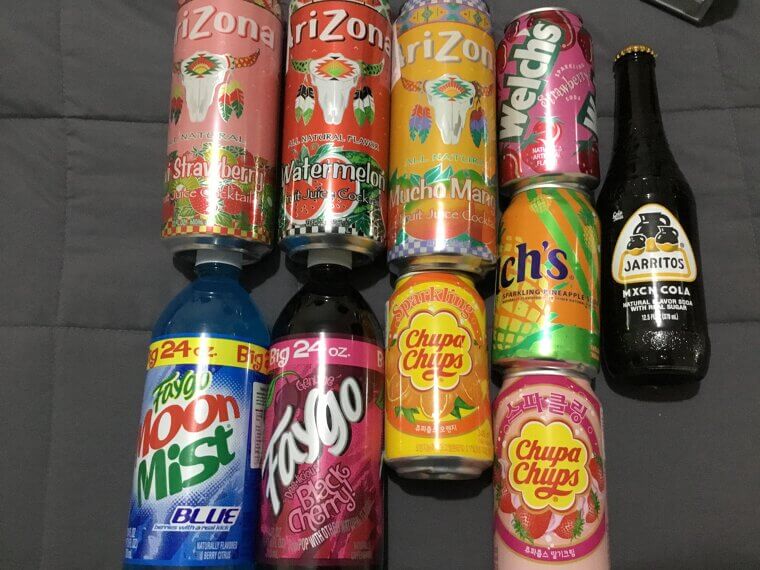
Sugary sodas were considered everyday drinks and not the treats they should have been. Kids drank them at dinner, after school, and even before bed. No one really worried about the sugar content. Fast forward a few decades, and we know that sugar is the main cause of high blood sugar levels, bad teeth, weight gain, and diabetes. Drinking sugary sodas puts real strain on the body. Yes, it was harmless back in the day, but sodas now come with warning labels and health advice that tells us otherwise.
Just a Little Wine
Alcohol during pregnancy was once brushed off as harmless in small amounts. Some even thought it helped with stress. Unfortunately, alcohol doesn’t care about good intentions. It crosses to the baby and can interfere with development. We now know there’s no safe amount during pregnancy. Exposure can lead to lifelong learning and behavior problems. This habit stuck around because it didn’t cause immediate damage that you could see. Today, the advice is clear and firm: skipping alcohol protects a growing baby in ways nothing else can fix later.

Medicine With a Side of Mercury
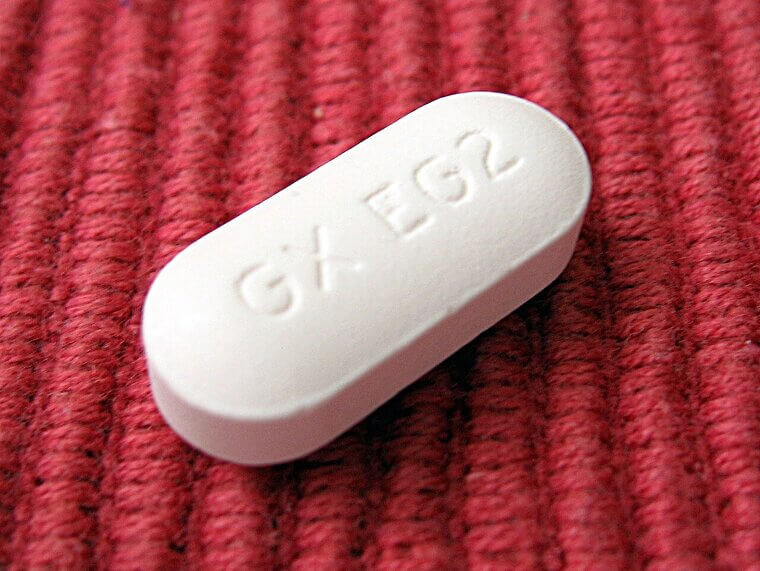
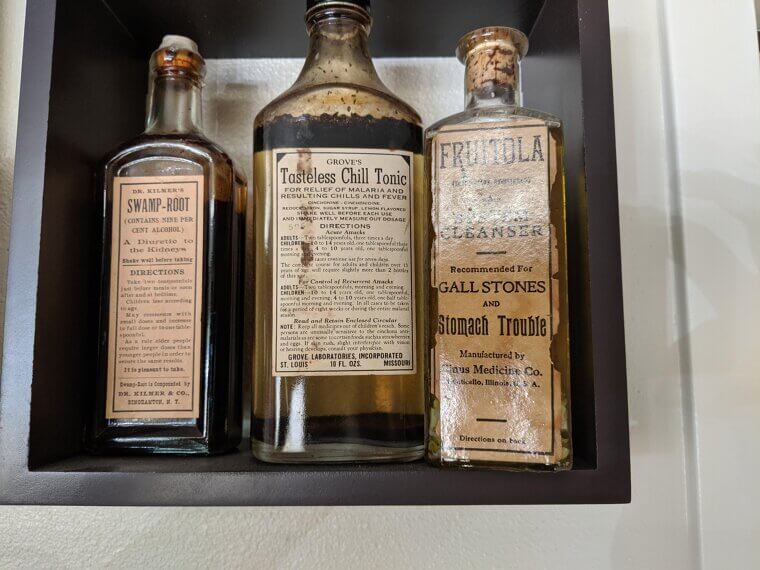
Mercury used to be in so many medications for hundreds of years. We’re talking laxatives, tonics, and “herbal” remedies. People trusted it because it came from doctors or pharmacies. The truth, however, is that mercury was toxic, even in small amounts. It could harm the brain, nerves, and kidneys, and, over time, the dangers became really hard to ignore. Modern medicine stepped in and showed people that not everything labeled “treatment” actually helped. Sometimes, those old cures should stay where they belong - in the past.
The Birds and the Bees
Sex education was not something people really spoke about, even a few years ago. Most parents just hoped their kids would figure it out or stay innocent forever. Questions often got nervous laughs, half answers, or total silence. Birth control wasn’t explained clearly, if it was mentioned at all. This didn’t stop curiosity or relationships. It just left kids confused and unprepared. Today, we know honest and simple conversations help people make safer choices. Avoiding the topic didn’t protect anyone. It actually removed useful information that could have prevented problems later.

Just Toughen Up
Mental health used to be treated like it wasn’t real. Feeling sad, anxious, or overwhelmed meant you were told to toughen up and keep going. People were expected to push through pain and never complain. Talking about emotions was seen as a weakness. Many struggled quietly and felt alone. Now we understand the mind needs care just like the body does. Ignoring stress and emotional pain often makes things worse. Getting support, resting, and talking openly actually help people heal and deal with their emotional trauma.

Butter Makes Everything Better
Butter and lard once ruled the kitchen. They made food taste great, so no one questioned them. People cooked with them every day and added extra without worry. Over time, studies showed that using large amounts could raise cholesterol and increase the risk of heart problems. That didn’t mean butter suddenly became bad or forbidden. It just meant balance mattered. What used to be an everyday habit became an occasional choice. This shows how taste often comes before health advice. Enjoying food is important, but moderation really is key.

Who Needs a Helmet?
Kids once rode bikes and skated without helmets, no questions asked. Today, it’s something you wouldn’t even consider, right? But in the past, helmets looked silly and uncool. Scrapes and bruises were normal, and head injuries were ignored unless they were severe. People didn’t realize how fragile the brain really is. Now we know even one hard hit can cause lasting damage. Helmets lower the risk of serious injury and save lives. What once seemed brave now looks risky and unnecessary. Wearing a helmet is the only way to stay safe.

Antibiotics Fix Everything
Antibiotics were once handed out for almost every illness back in the day. Sore throat? Antibiotics. Cold? Antibiotics. People expected a prescription every time they felt sick. The issue is that antibiotics don’t work on viruses, and using them too often teaches bacteria how to survive. This leads to antibiotic resistance, which makes infections harder to treat. What felt helpful at the time created a much bigger problem later. Today, doctors are more careful with prescriptions and only prescribe antibiotics when it’s really necessary. Sometimes rest, fluids, and a few “lighter” medications are the best treatment.