Parental Diet Habits
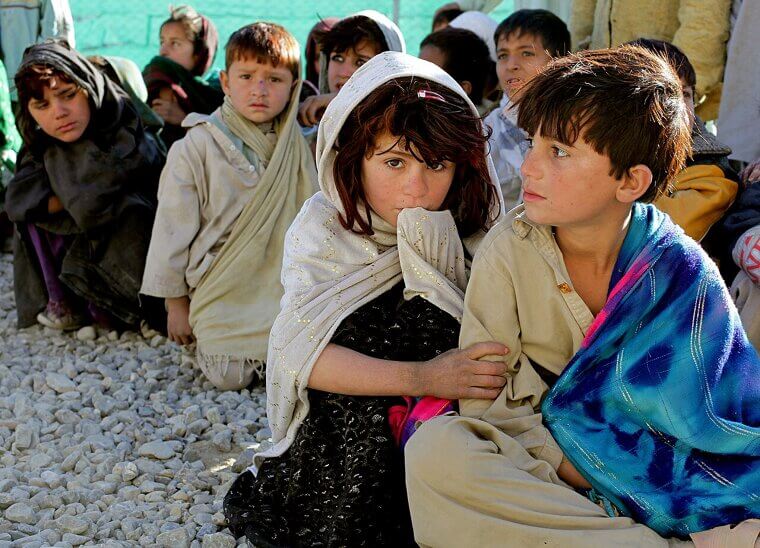
We all have that one childhood meal that we keep going back to. Whether it's your favorite dessert or your mom's specialty dinner recipe, it only makes sense that we enjoy the food we grew up on. Moreover, it has been shown that children generally gravitate towards their parents' meal preferences.
Household Stress Levels
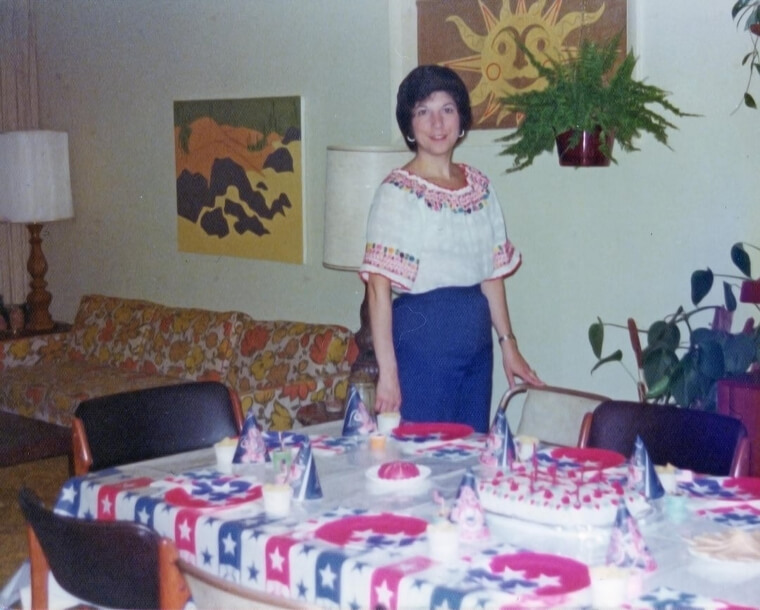
If you grew up in a happy home, you are more likely to be laid back and live a stress-free lifestyle. On the other hand, if there was constant tension between family members, chances are you struggle with anxiety. Constant tension has been shown to alter cortisol regulation and immune function.

Sleep Routines
Bedtime consistency affects lifelong sleep quality and energy. As a child, you are likely to adapt to whatever bedtime schedule and routine your parents adhere to. For example, if they stay awake until the early hours of the morning, you probably will as well. Additionally, if they only get a few hours of sleep at night and take frequent naps throughout the day, you will grow up thinking that this is normal.

Exposure to Smoking or Alcohol
Being exposed to secondhand smoke on a regular basis can have major health side effects, including asthma. More so, if you grow up watching your parents drink or smoke, you will become desensitized to these bad habits and be more likely to follow in the same footsteps.

Family Medical History
If your family is prone to illness, your chances of developing the same issues will be higher. Alternatively, if your family is generally healthy, you are more likely to have a similar medical record. On top of this, some families go out of their way to prevent illnesses, while others aren't overly health-focused.
Breakfast Culture
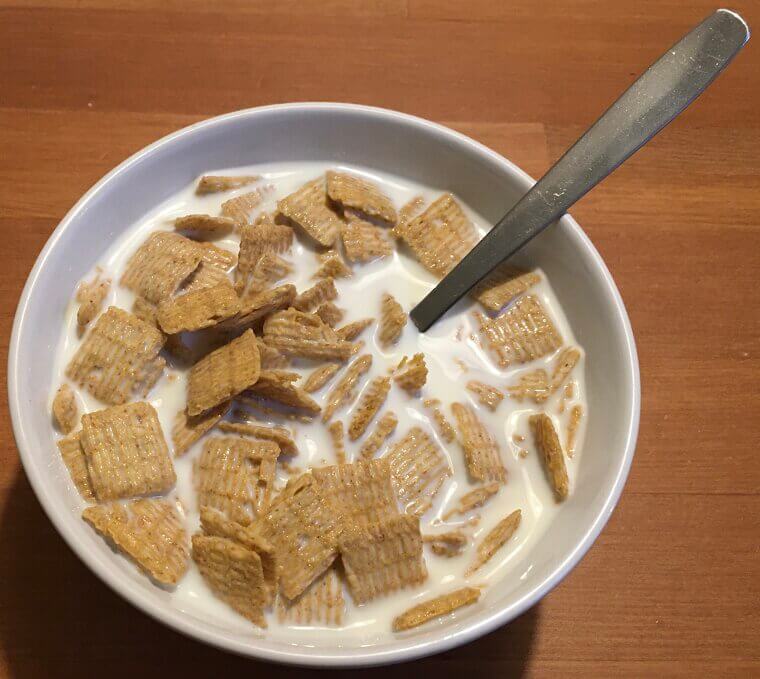
Some people describe themselves as 'breakfast people', while others don't. Generally, this stems from the environment you grew up in. If your family often skipped breakfast, chances are you will do the same as an adult. On the other hand, if they made it a point to sit down and have breakfast together every morning, you are likely to continue this habit.
Access to Fresh Food
Some people grow up without having easy access to fresh, healthy foods. Living near a grocery store makes it much easier to develop and follow a healthy diet. On the other hand, if you don't have access to a nearby store, you may develop unhealthy eating habits by choosing what's most convenient (i.e., heavily processed foods).

Sugar and Processed Snacks
Some parents don't allow their children to eat highly processed foods or sugary sweets, while others aren't as strict. Kids who grow up being told that certain foods aren't good for them are likely to continue to avoid them in adulthood and pass the same habits on to their own children.

Hydration Habits
Some families enforce healthy hydration habits from a young age. If a child is told to drink 8 glasses of water a day, it will become a habit. On the other hand, if a child is allowed to drink soda and sugary drinks from a young age, they will continue these habits into adulthood.

Physical Activity Norms
Some children are encouraged to play as many sports as possible, while others are left to their own devices. More so, many parents try to include their kids in their activities, such as going for hikes. In this scenario, the child is likely to adopt their parents' habits.
Food Quality
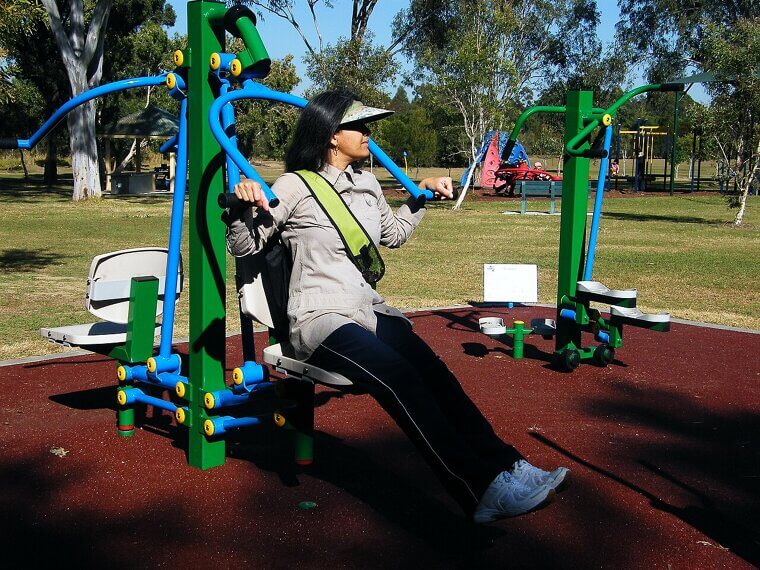
Children develop their eating habits from a young age. If they are given highly processed, unhealthy foods in their school lunchbox, it will likely affect the foods they choose to eat as adults. More so, these meals will have a lasting impact on their overall health.
Peer Pressure Around Body Image
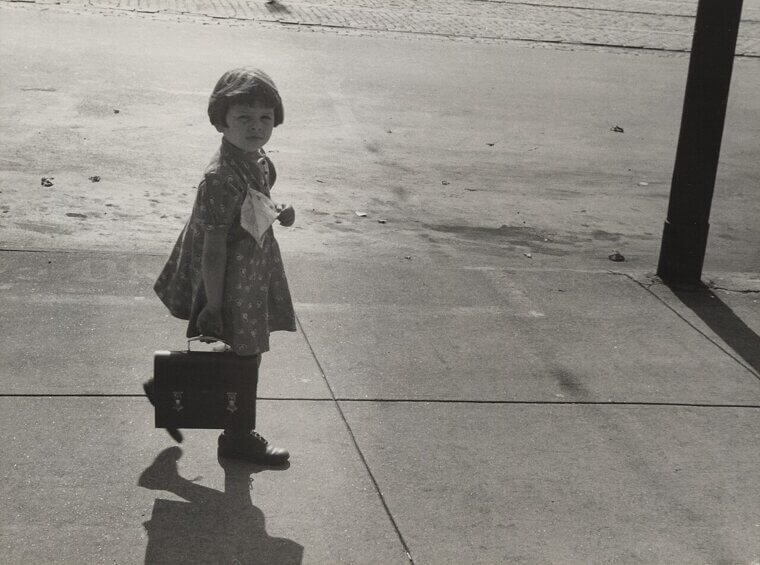
When we are young, we are highly impressionable. As a result, a child who is heavily bullied over their looks is likely to develop a poor self-image. These feelings can continue well into adulthood and have a lasting impact on their overall mental health.

Cultural Food Traditions
Different cultures eat vastly different foods - some of which are healthier than others. Staple diets shape our gut microbiome and tolerance. In other words, the foods we eat as children have a lasting impact on our overall health and food tolerance.
Community Safety
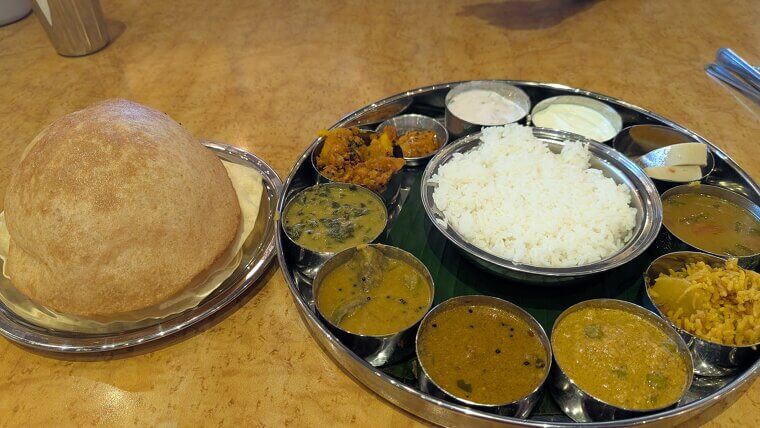
Children who grow up in safe communities are generally happier. In fact, they are encouraged to play outdoors and mingle with neighbourhood kids, helping to develop their independence and social skills. Unsafe communities limit activity, leading children to spend more time indoors and in front of screens.

Healthcare Access
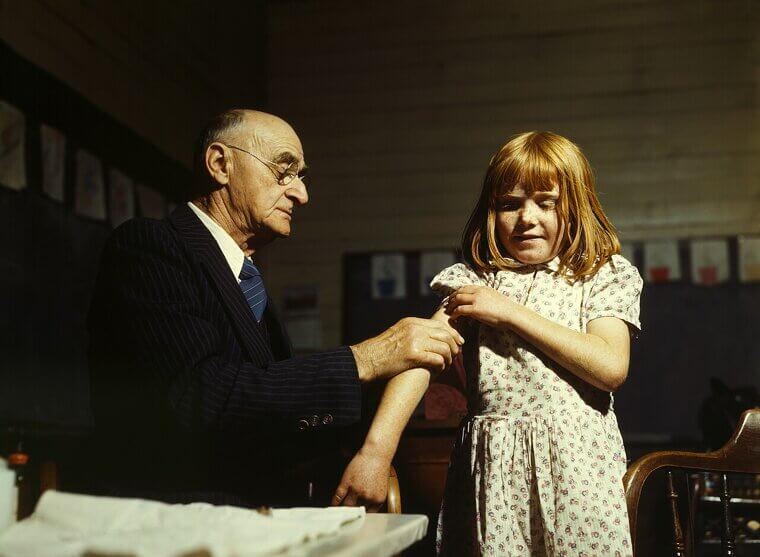
Access to healthcare also plays a major role in our formative years. If a child goes for regular check-ups, doctors can catch and prevent illnesses before they become a major issue.

Exposure to Nature
Everybody knows that fresh air is the best medicine. As a result, children who grew up spending time outdoors are generally much happier as adults. More so, they are likely to continue to make time for exercise and outdoor activities, such as hiking, camping, mountain biking, etc.

Household Cleanliness
Hygiene practices not only influence the habits children take into adulthood but also affect immunity and the development of allergies. For example, if a child is constantly breathing in dust or mold, they are likely to struggle with allergies throughout their life, which can lead to illness.

Noise Levels at Home
Chronic noise can have a lasting impact on many aspects of life, including stress levels, sleep, and focus. For this reason, children who grow up in quieter homes are generally less likely to struggle with anxiety.

Parental Attitudes Towards Illness
Germaphobes are likely to avoid sick people at all costs, while others don't seem to care. Overall, parental attitudes towards illness play a major role in shaping our coping strategies. In other words, children are likely to adopt their parents' habits. In the long run, this can have a lasting impact on their quality of life and relationships.

Childhood Trauma or Neglect
This is probably the most obvious aspect of our childhood that has a lasting impact on our lives as adults. Emotional scars can manifest as chronic illness or mental health struggles, such as depression, anxiety, or PTSD. More so, if a child is neglected, they are likely to lose trust in others, which makes forming future relationships that much harder.