Lack of Daytime Exercise
Mobility changes, pain, or poor balance all discourage older adults from moving more throughout the day. But without enough physical activity, the body doesn’t build up its natural fatigue stores to be released at night, so there’s no need for restful, deep sleep. Exercise also helps to regulate circadian rhythms, which keep the body clock in order, so sedentary days lead to restless nights. Even light movement such as walking, stretching, or household tasks can make a meaningful difference when done consistently. Without that daily motion, the body may feel tired but not truly ready for sleep. This can lead to long periods of tossing and turning, early wakeups, or shallow rest that never feels refreshing. Over time, the cycle reinforces itself, making both sleep and daytime energy harder to maintain.

Large Meals Before Bed
As we age, our appetites change, and for some people, that means becoming more hungry later on in the day. Unfortunately, big dinners close to bedtime keep the digestive system working overtime, triggering heartburn, bloating, or other discomfort that makes it harder to fall asleep. Older adults are also more likely to lay down straight after eating, which increases reflux and wakes them up during the night.

Excessive Napping
There’s nothing wrong with a much-needed nap, but it’s one typical senior habit that increases the risk of sleep disruptions more and more each day. Older adults may nap because their sleep is fragmented, or they lack energy, but napping only makes the issue worse by resting the body too much during the day. This means that it isn’t tired enough to sleep at night, ruining the nighttime sleep cycle.

Alcohol in the Evening
People of all ages drink alcohol, but older adults are perhaps more likely to have got into the habit of taking a small drink before bed. But this long-standing social ritual, which some believe will help them fall asleep faster, interferes with REM sleep and makes them more likely to wake up in the night. The effects of alcohol are stronger for seniors, making their sleep even more fragmented and less refreshing.

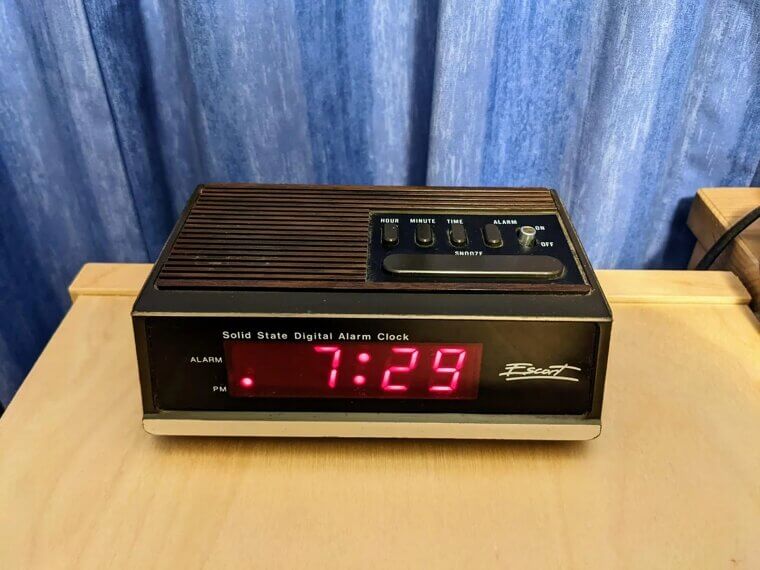
Clock-Watching
Sleep naturally becomes lighter with age, so it’s fairly common for older adults to wake up at least once during the night. But this only encourages them to watch the clock, turning a normal wakeup into a stressful event. The brain wakes up and then works itself up, making it harder to drop back off. Mental stimulation at night switches the brain on when it needs to rest, and seniors feel that fatigue worse.
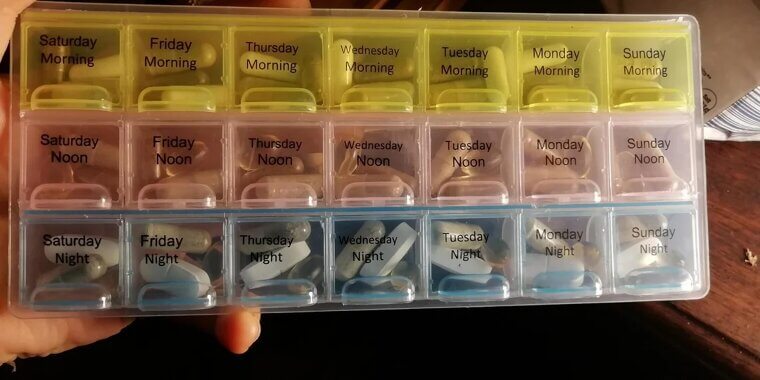
Inconsistent Medication Timing
Many seniors take medication for pain or other conditions, and timings vary from day to day. It seems harmless, but certain drugs are stimulating, while others cause drowsiness, confusing the body’s internal clock. Taking medications too late, or at different times each day, messes with natural sleep rhythms, making it difficult to fall or stay asleep at night, and encouraging daytime naps.
Too Much Lounge Time
Retirement is all about relaxation, but too much of a good thing can be bad for you. Spending too much time in a recliner or on the couch isn’t good for your body, especially if mobility is already limited, and it blurs the lines between daytime rest and nighttime sleep. If the body associates comfort with all-day rest, it can’t switch into sleep mode and rest properly at night.

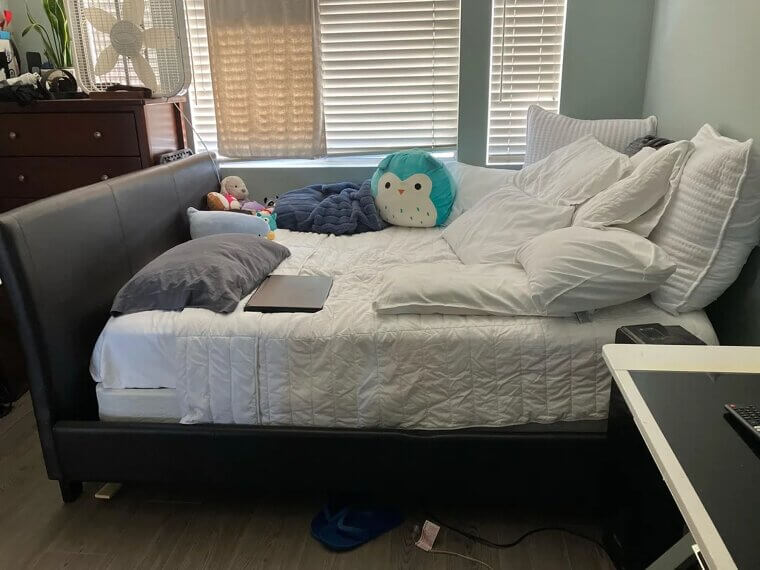
Sleeping Flat
Most of us sleep flat, but we don’t know that we’re supposed to adjust our sleeping posture as we age. Older people are more prone to reflux, congestion, and breathing issues, so lying completely flat exacerbates these problems and stresses the body out. Elevating the head reduces the likelihood of coughing or shortness of breath at night, promoting longer, deeper sleep. Sleeping flat is a habit that’s hard but important to break.
Poor Pain Management
Chronic pain is a sad reality that comes with aging, and too many people accept it as “normal” rather than seeking treatment and support. Untreated pain often peaks at night when the body is still or not laying comfortably, making it difficult to drop off to sleep. Pain flare-ups also lead to lighter sleep and random wake-ups, leaving people exhausted even after spending all night in bed.

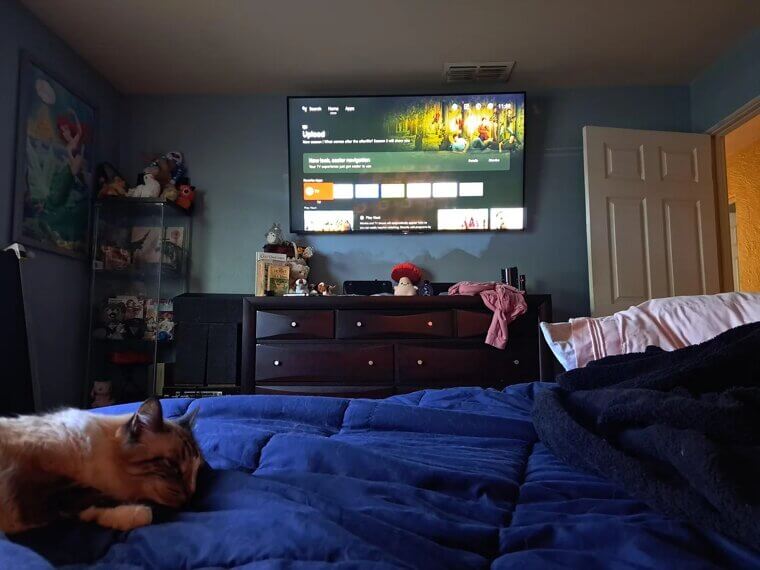
Watching TV Late at Night
Watching television can be comforting and entertaining, especially for older adults living alone. However, bright screens, noise, and too much mental stimulation keep the brain alert and awake when it should be winding down to sleep. Falling asleep with the TV still on is an even worse habit because it causes random disruptions midway through the night. It’s far better to read, journal, or do crafts before bed.
Using Night Lights
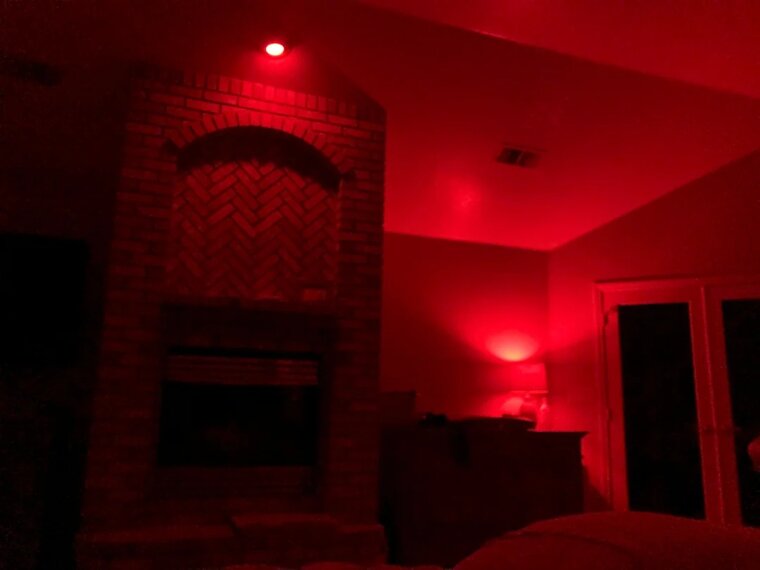
Night lights are fairly popular with older people because they reduce the risk of falls and make the house feel less unnerving if they live alone. But light exposure during the night actually interferes with melatonin production, and even low-level lights can trick the brain into thinking it’s time to be awake. Over time, this reduces sleep depth and makes it harder to drift back off.
Overheating Bedrooms
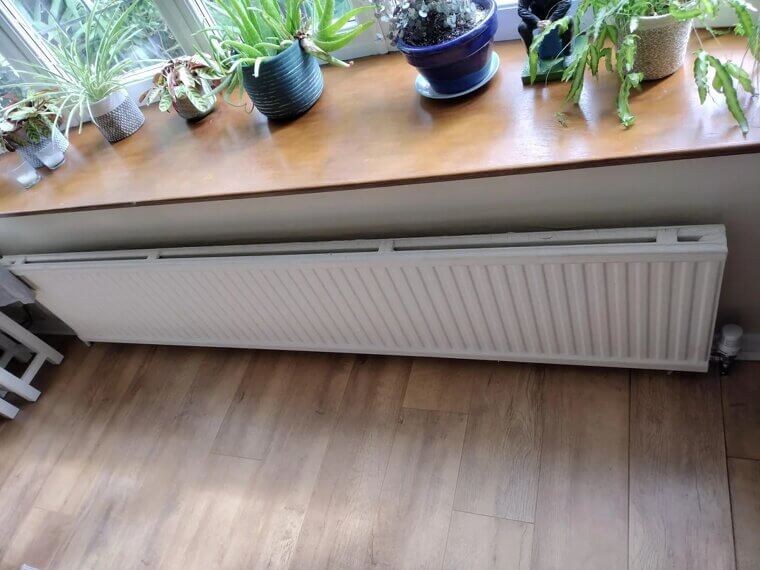
Circulating and temperature control also changed with age, so many seniors crank up the central heating to keep themselves warm at night. But as comfortable as a warm bedroom feels, if it’s overheated, it’ll disrupt the body’s natural cooling process, which aids sleep. All of a sudden, people feel sweaty, uncomfortable, and restless during the night. A cooler bedroom is far more supportive of deep, restorative sleep.
Sleeping With Pets
Pets are the perfect companions for older adults, but they’re not exactly zen! Animals move around a lot, make noise, and follow their own unique sleep patterns, which don’t always align with their owners’ routines. Sleeping with pets disrupts sleep via micro-awakenings that alert the body when it should be resting. Older people who already have lighter sleep may be more affected by their pets’ nighttime habits, resulting in an overall lower quality of sleep.

Drinking Too Much Before Bed
Staying hydrated is important, especially later in life, but drinking large amounts of water, tea, or other fluids in the evening often leads to more bathroom trips at night. Each trip takes time away from the bed and increases the chances of staying awake. This simple habit fragments sleep and makes it harder to reach those crucial deep sleep stages consistently, without you even realizing.

Inconsistent Meal Timing
One of the biggest joys of retiring is no longer being held to a strict schedule, but eating at irregular times can be more harmful than you think. It confuses the body clock, and particularly late meals delay melatonin release and disrupt digestion. The trick to a good night’s sleep is to ensure that all food is fully-digested by bedtime, reinforcing healthy body rhythms and promoting rest and relaxation.

Ignoring Restless Leg Syndrome
Restless Leg Syndrome develops with age and gets worse at nighttime, yet many older adults dismiss it as typical pain brought on by aging. It causes an urge to move that intensifies throughout the day, leading to prolonged sleep onset and multiple wake-ups during the night. Ignoring the symptoms allows the condition to get worse until it’s almost unbearable, making a good night’s sleep impossible to achieve.

Waking Too Early
Many seniors joke about waking up early despite having the entire day to enjoy, but this habit, likely caused by years of early schedules, is a huge sleep killer. It gets the body used to waking up before it’s fully-rested, triggering daytime fatigue and reducing sleep time more each night. Lots of people accept waking up early as unavoidable, but you can absolutely train your body into a different sleep pattern.
Taking Phone Calls at Night
Keeping the phone nearby and turned up feels responsible, especially for people in the later stages of life. However, taking phone calls, checking texts, or even just hearing the phone ring can be massively detrimental to sleep. The brain wakes up, then struggles to drift back off. Sleep is fragmented and the brain, in its tired and overstimulated state, becomes unconsciously anxious about going to bed, which only makes the situation worse.

Staying Indoors All Day
Limited mobility, concerns about the weather, or a lack of motivation to go outside frequently keep older people in their houses all day. But what they don’t know is that daytime sun exposure is extremely valuable to healthy circadian rhythms, so their bodies become confused about the time of day and what they should be doing. This promotes daytime drowsiness and nighttime awakenings.

Poor Wind-Down Routines
Routines naturally loosen with age, but all human beings need some sort of structure to keep their bodies on track. Without a consistent wind-down routine, there are no clear signals that bedtime is approaching, so the brain remains hyper-alert. Even just introducing a calming hobby, like reading a book before bed, can encourage restfulness and prepare the body for a good night’s sleep.