Staying Indoors
Spending too much time indoors can limit exposure to sunlight, fresh air, and new experiences, all of which are important for brain health. Sunlight helps to regulate sleep cycles and vitamin D, which is said to improve memory and give seniors the extra energy boost they need to revitalize their minds.
Many older adults spend days inside their homes, with no access to the natural world that encourages them to relax and direct their attention to new things. Even short outings can stimulate the senses and refresh mental focus. A change of scenery may be what seniors need to help their brains process information and keep memory pathways active.
Many older adults spend days inside their homes, with no access to the natural world that encourages them to relax and direct their attention to new things. Even short outings can stimulate the senses and refresh mental focus. A change of scenery may be what seniors need to help their brains process information and keep memory pathways active.

Too Much Sitting
Aside from its well-known woes, which include sore legs and stiff joints, sitting for too long also quietly dulls the brain. Movement helps pump oxygen-rich blood to the brain in order to nurture memory and concentration. Many older adults lead sedentary lives, but this slows circulation and diminishes the release of brain-friendly chemicals.
Over time, this excessive sitting makes it harder to concentrate on specific subjects, yet many seniors don’t realize and think they’re just suffering physical symptoms. Even light movement, like short walks or stretching, gives the brain a gentle wake-up call and helps keep memory pathways active and responsive.
Over time, this excessive sitting makes it harder to concentrate on specific subjects, yet many seniors don’t realize and think they’re just suffering physical symptoms. Even light movement, like short walks or stretching, gives the brain a gentle wake-up call and helps keep memory pathways active and responsive.

Social Isolation
Humans are wired for connection, and the brain thrives on conversation, especially in later years. The more time seniors spend alone, the fewer chances the brain gets to practice remembering names, stories, and emotional cues. Social interaction helps reduce stress hormones that can damage the memory over time.
Older adults are generally more socially isolated because they don’t work or get out as much, so there are fewer opportunities for chats or shared activities. In response, the brain’s “social muscles” weaken, and recall becomes slower and foggier. Even brief, meaningful interactions, like phone calls, group hobbies, or check-ins, can keep memory sharp.
Older adults are generally more socially isolated because they don’t work or get out as much, so there are fewer opportunities for chats or shared activities. In response, the brain’s “social muscles” weaken, and recall becomes slower and foggier. Even brief, meaningful interactions, like phone calls, group hobbies, or check-ins, can keep memory sharp.

Poor Hydration
Our brains are surprisingly sensitive to dehydration. Even mild fluid loss can affect attention, mood, and short-term memory. As people get older, thirst signals get weaker, making it easy to forget to drink enough water, and then forget a lot more after that!
When the brain is dehydrated, communication between its cells slows down, leading to mental fatigue and memory lapses. Staying well-hydrated helps nutrients move efficiently up to the brain, fuelling it. Sometimes, a foggy brain isn’t a natural side effect of aging, it’s just your mind calling out for a glass of water!
When the brain is dehydrated, communication between its cells slows down, leading to mental fatigue and memory lapses. Staying well-hydrated helps nutrients move efficiently up to the brain, fuelling it. Sometimes, a foggy brain isn’t a natural side effect of aging, it’s just your mind calling out for a glass of water!

Smoking
Many seniors have been smoking since they were young, but the mental effects are often overlooked. Smoking reduces oxygen flow throughout the body, including to the brain, leading to long-term blood vessel damage. These blood vessels feed memory centers, making recall slower and less reliable.
Older people’s brains are also more sensitive to circulatory issues, so smoking only makes the problem worse. Nicotine is a stimulating drug at first, but prolonged use accelerates brain aging and increases the risk of memory-related conditions. Quitting, or even just cutting back, can improve blood flow and give the brain a better chance to protect memory function.
Older people’s brains are also more sensitive to circulatory issues, so smoking only makes the problem worse. Nicotine is a stimulating drug at first, but prolonged use accelerates brain aging and increases the risk of memory-related conditions. Quitting, or even just cutting back, can improve blood flow and give the brain a better chance to protect memory function.

Relying on Reminders
Reminders are helpful, but overusing them makes the brain lazy. When older people rely on alarms, notes, or devices for everything, the brain has no reason to work hard. It needs to practice remembering things to stay in the best condition possible. Think of memory like a muscle; the less it’s used, the weaker and more ineffective it becomes.
Over time, constant external reminders can reduce confidence in natural recall. Allowing the brain to do small memory tasks by itself, like remembering appointments or mentally making grocery lists, helps keep neural pathways active and strengthens long-term memory skills. For seniors, this is one of the most important forms of “exercise”.
Over time, constant external reminders can reduce confidence in natural recall. Allowing the brain to do small memory tasks by itself, like remembering appointments or mentally making grocery lists, helps keep neural pathways active and strengthens long-term memory skills. For seniors, this is one of the most important forms of “exercise”.
Irregular Routines
The brain loves predictability, and so do most older adults! However, it’s easy to break routines when you’re retired and have fewer planned errands or activities. When daily schedules constantly change or stagnate, the brain has to work harder just to keep up, leaving less space for storing memories.
Regular routines help anchor memories by creating familiar patterns for the brain to follow. When seniors’ routines are disrupted, the extra mental load makes them more likely to forget things. Consistent sleep times, meals, and daily activities act like mental signposts, making it easier for the brain to retrieve information without unnecessary confusion or stress.
Regular routines help anchor memories by creating familiar patterns for the brain to follow. When seniors’ routines are disrupted, the extra mental load makes them more likely to forget things. Consistent sleep times, meals, and daily activities act like mental signposts, making it easier for the brain to retrieve information without unnecessary confusion or stress.

Unbalanced Eating Patterns
Everything we eat directly fuels the brain. Diets lacking nutrients like healthy fats, vitamins, and antioxidants deprive brain cells of what they need to function properly. For seniors, this can lead to inflammation and slower brain signaling, both of which negatively affect memory and make it harder to remember the simplest things.
Older adults are more likely to skip meals or rely on heavily-processed frozen dinners, which can cause blood sugar fluctuations that make thinking feel cloudy. Balanced meals with fruit, vegetables, protein, and healthy fats help stabilize energy and strengthen memories.
Older adults are more likely to skip meals or rely on heavily-processed frozen dinners, which can cause blood sugar fluctuations that make thinking feel cloudy. Balanced meals with fruit, vegetables, protein, and healthy fats help stabilize energy and strengthen memories.

Irregular Sleep
Sleep is one of the best medicines you can give to your brain. It provides a calm, relaxed state where the brain can organize and store memories. When sleep is irregular or insufficient, those memory files don’t get properly saved, and for seniors whose natural sleep patterns have changed with age, this can be disastrous.
Poor sleep can increase forgetfulness, slow reaction time, and make concentration harder the next day. Consistent bedtimes and restful sleep give the brain time to clean out waste products and strengthen memory connections. Good sleep isn’t a luxury; it’s essential brain maintenance, and older adults need lots of it.
Poor sleep can increase forgetfulness, slow reaction time, and make concentration harder the next day. Consistent bedtimes and restful sleep give the brain time to clean out waste products and strengthen memory connections. Good sleep isn’t a luxury; it’s essential brain maintenance, and older adults need lots of it.

Too Much Television Time
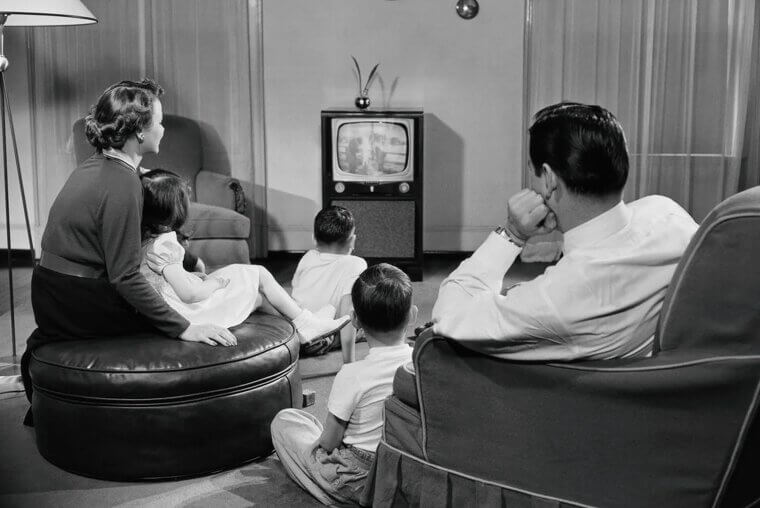
Watching TV for long stretches is inevitable for older retirees, but it’s a passive, mindless activity that puts the brain on standby. While it can be relaxing, excessive television time replaces activities that actively engage memory, like reading, puzzles, or problem-solving games. For seniors, this can gradually weaken attention and recall skills.
Fast-paced TV shows can also overload the brain, making it harder to retain information, and looking at the screen for too long can cause migraines or eye strain. Balancing TV time with mentally-stimulating activities helps keep the brain alert, rather than stuck in low-effort mode with no capacity to remember things.
Fast-paced TV shows can also overload the brain, making it harder to retain information, and looking at the screen for too long can cause migraines or eye strain. Balancing TV time with mentally-stimulating activities helps keep the brain alert, rather than stuck in low-effort mode with no capacity to remember things.
Avoiding Mental Challenges
When the brain isn’t challenged, it starts to slow down. Avoiding challenges like puzzles, crosswords, and word games can make memory skills rusty over time, which is why they’re strongly recommended for seniors. People who stop challenging their minds may notice recall becoming less reliable because the brain isn’t being asked to adapt or grow.
Mental effort strengthens connections between brain cells, protecting them against age-related decline. Simple challenges, like learning a new hobby or playing games online or with friends, help keep the brain flexible and better-equipped to remember information. For seniors, this could be the difference between saving or losing memories.
Mental effort strengthens connections between brain cells, protecting them against age-related decline. Simple challenges, like learning a new hobby or playing games online or with friends, help keep the brain flexible and better-equipped to remember information. For seniors, this could be the difference between saving or losing memories.

Delaying Checkups
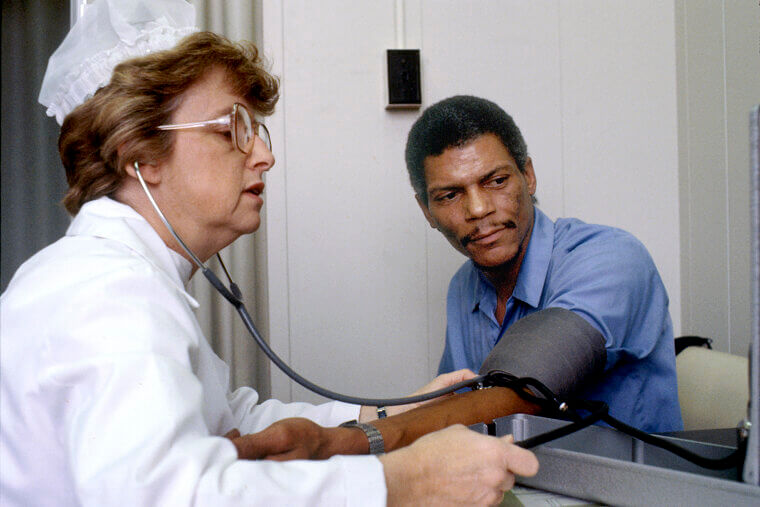
Skipping regular checkups can allow treatable issues to quietly affect memory. Conditions like high blood pressure, vitamin deficiencies, hearing loss, or medication side effects can all contribute to forgetfulness. In older adults, these issues may be dismissed as aging when they’re actually manageable.
It’s common for seniors to delay checkups because they don’t think they need them, or are worried about bad news, but regular checkups may help catch problems early. This protects both physical and brain health, addressing underlying health issues to improve clarity and memory.
It’s common for seniors to delay checkups because they don’t think they need them, or are worried about bad news, but regular checkups may help catch problems early. This protects both physical and brain health, addressing underlying health issues to improve clarity and memory.
Drinking Alcohol
Anybody who has ever experienced alcohol knows how it can affect the brain, but it can seriously alter memory formation. As we age, the body processes alcohol more slowly, making its effects stronger and longer-lasting. Even moderate drinking can interfere with sleep and memory consolidation in seniors.
Along the way, alcohol will have damaged brain cells and increased forgetfulness, though it may go unnoticed. What once felt harmless may now have a bigger impact on recall and focus. Reducing your alcohol intake protects existing memories, and also makes it easier to form new ones.
Along the way, alcohol will have damaged brain cells and increased forgetfulness, though it may go unnoticed. What once felt harmless may now have a bigger impact on recall and focus. Reducing your alcohol intake protects existing memories, and also makes it easier to form new ones.

Listening to High Volumes
Constant exposure to loud sounds for years or decades damages hearing, which indirectly affects memory. When hearing declines, the brain must work harder to understand sounds, leaving fewer resources for remembering information. However, seniors often crank up the volume further, worsening the issue.
Untreated hearing loss in older adults is strongly linked to cognitive decline. Loud volumes can also overstimulate the brain, leading to mental fatigue and a worn-out memory. Keeping volume levels moderate and protecting hearing helps the brain stay focused on meaning, and also protects delicate ears!
Untreated hearing loss in older adults is strongly linked to cognitive decline. Loud volumes can also overstimulate the brain, leading to mental fatigue and a worn-out memory. Keeping volume levels moderate and protecting hearing helps the brain stay focused on meaning, and also protects delicate ears!

Worrying About Aging
We can all agree that worrying about aging is one of the biggest life curses. But why do we do it? It’s unhelpful, and it can also make forgetfulness worse. Stress releases hormones that interfere with memory formation and recall. When seniors expect their memory to fail, they may stop trusting it, creating a self-fulfilling cycle.
Anxiety also distracts attention, making it harder to record new information in the first place. A calm, confident mindset supports better brain performance, and aging shouldn’t steal that too. It also doesn’t mean automatic memory loss, but believing that makes a real difference in how the brain functions.
Anxiety also distracts attention, making it harder to record new information in the first place. A calm, confident mindset supports better brain performance, and aging shouldn’t steal that too. It also doesn’t mean automatic memory loss, but believing that makes a real difference in how the brain functions.